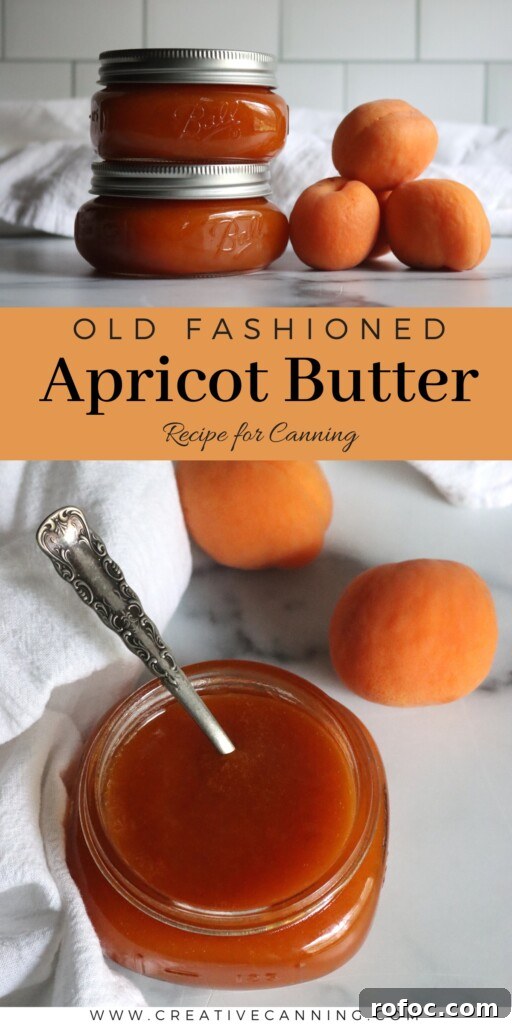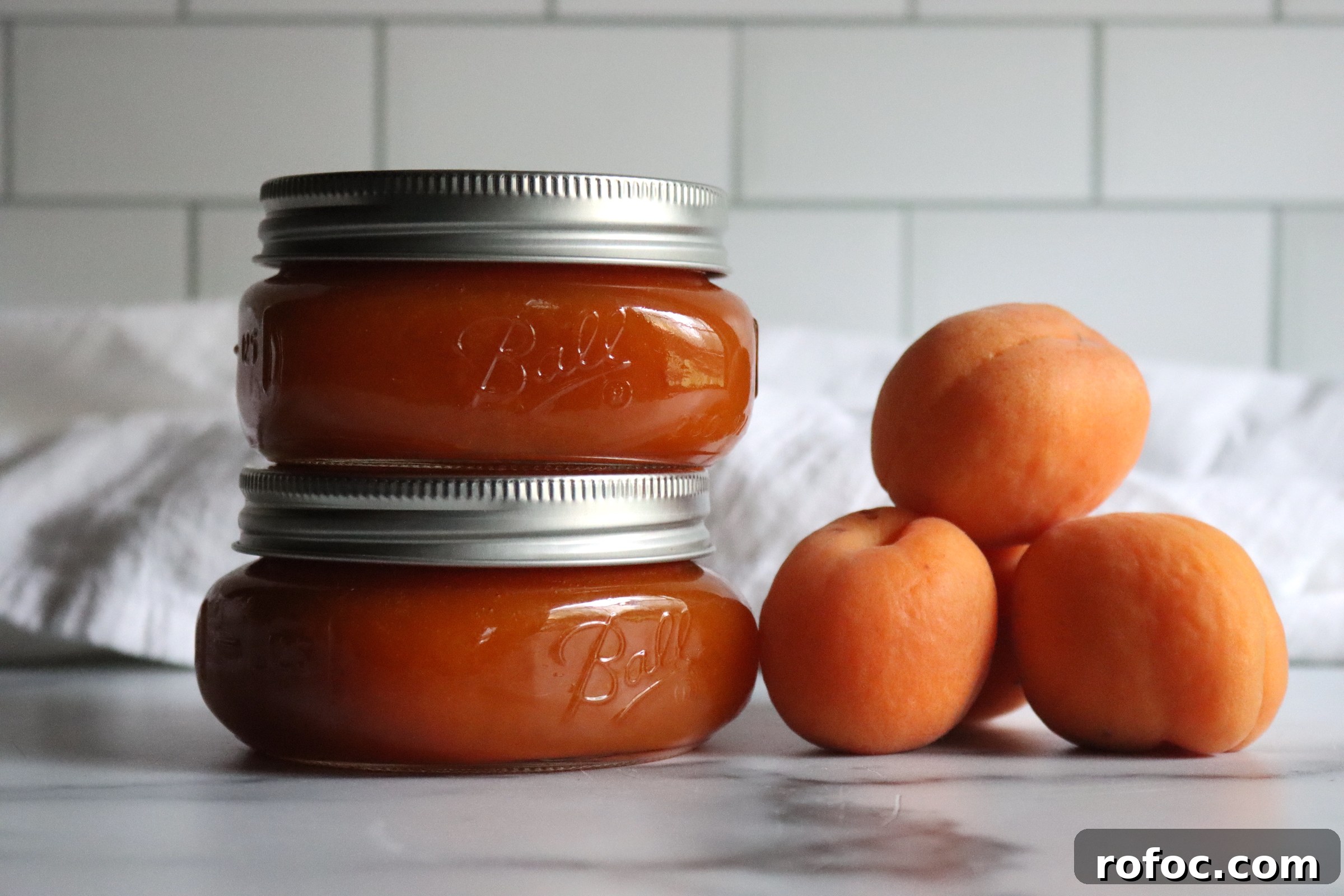
Apricot butter is an easy, flavorful way to preserve ripe apricots without the fuss of peeling. With just a few ingredients and gentle simmering, you’ll create a silky, spreadable preserve that’s ideal on toast, in baked goods, or as homemade gifts.
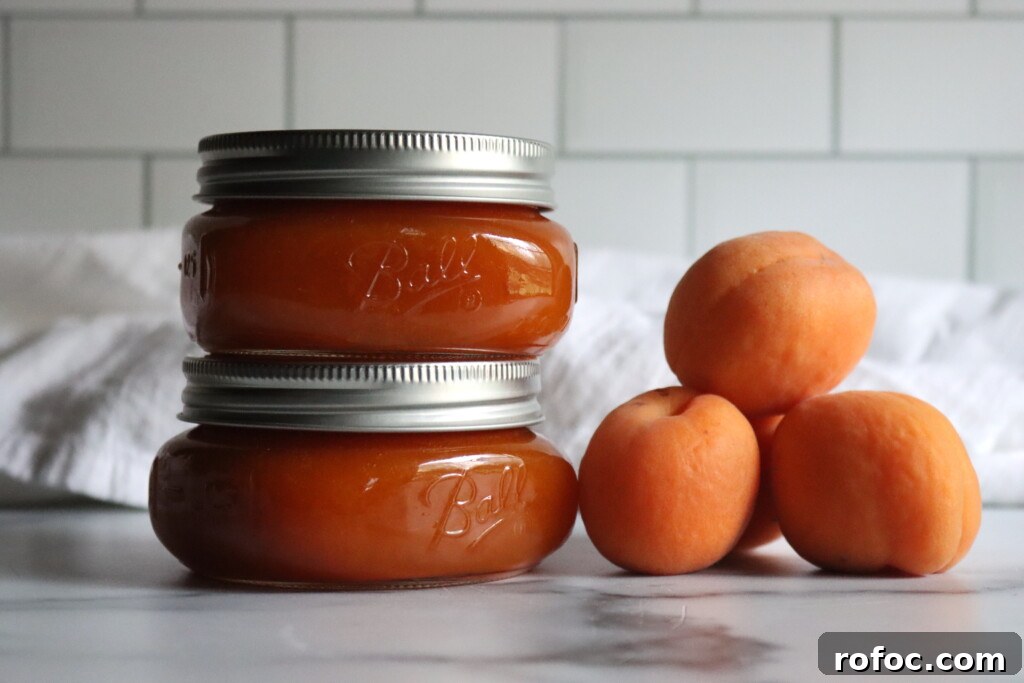
Compared with jam, apricot butter uses less sugar and highlights the fruit’s natural flavor without added pectin. The basic ingredients are fresh apricots, a little water to start the cooking, granulated sugar to help thicken and sweeten, and a splash of lemon juice to brighten the flavor.
This version is adapted from tested Ball canning recipes but skips peeling the apricots. The thin skins break down completely during cooking, improving both flavor and color while saving time.
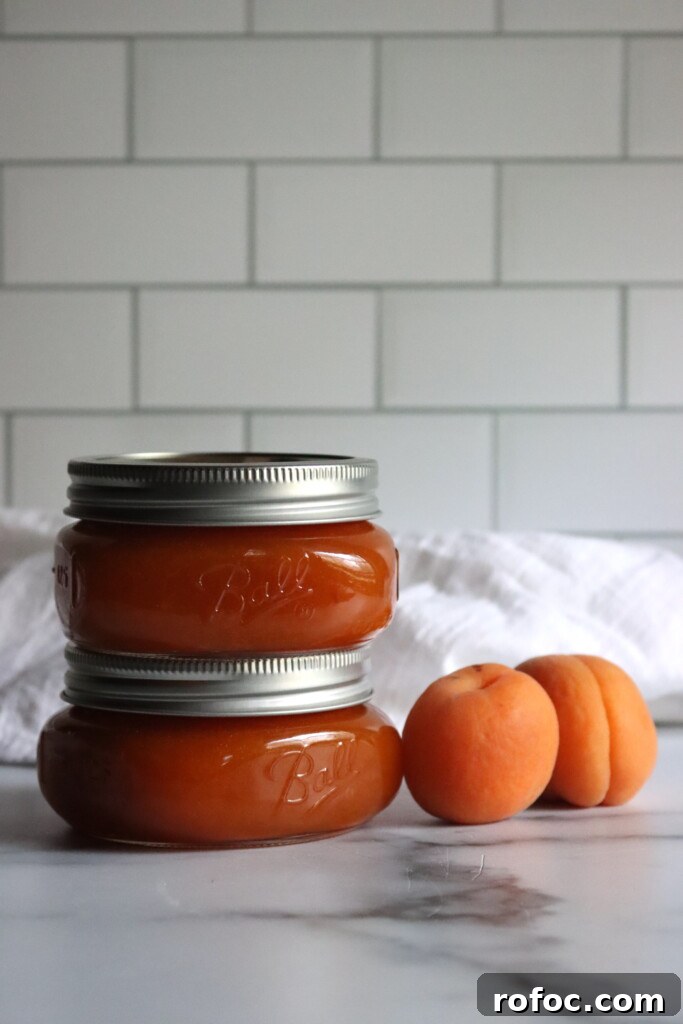
I’ve made apricot butter both peeled and unpeeled; leaving the skins on consistently delivers the better result. The skins dissolve during simmering and, with a quick pass of an immersion blender, you get a smooth, velvety butter with no noticeable texture. Peeling apricots also causes rapid browning unless you add a lot of lemon juice, which can mute the fruit’s bright flavor.
Skipping the peel preserves the apricot’s vivid orange color and the aromatic compounds concentrated in the skin. If you have ripe apricots and a couple of hours, apricot butter is a fantastic way to capture the season and enjoy that flavor year-round.
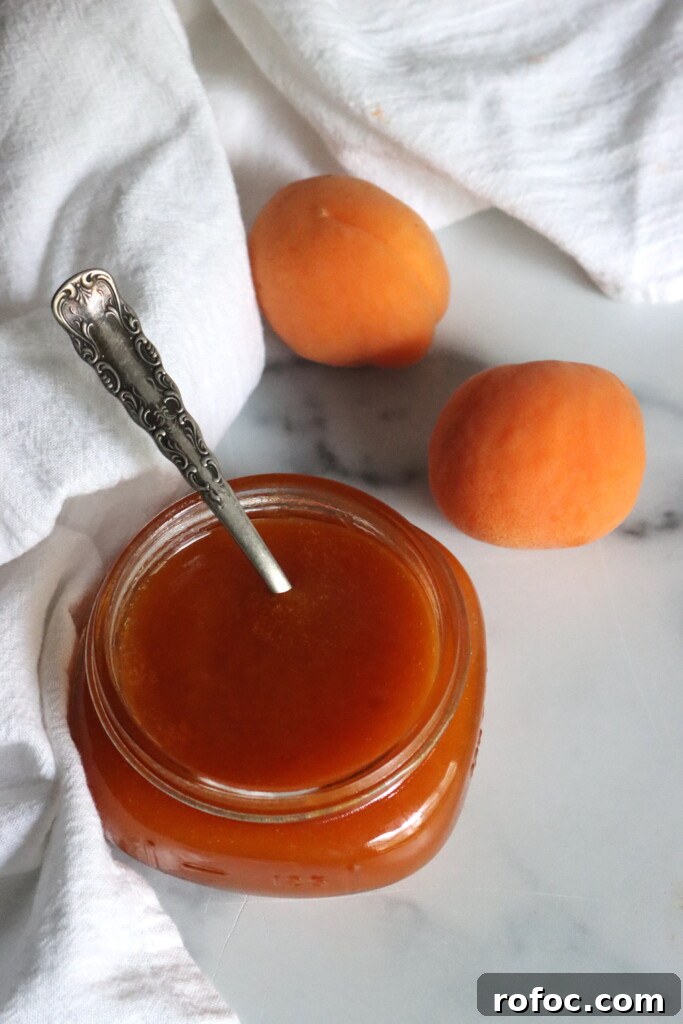
Ingredients for Apricot Butter
This recipe keeps the ingredient list short and simple. You’ll need:
- Apricots – Fresh, ripe fruit. Slightly soft or imperfect apricots work fine as long as they’re flavorful.
- Water – A small amount to start the cooking and prevent scorching.
- Sugar – Granulated sugar helps the butter thicken and preserves the final texture.
- Lemon juice – Adds brightness and balances the sweetness (used for flavor here rather than preservation).
Optional additions include warm spices like cinnamon or cardamom, a splash of vanilla, or a few tablespoons of brandy or whiskey for depth. Plain apricot butter is versatile and delicious on its own.
How to Make Apricot Butter
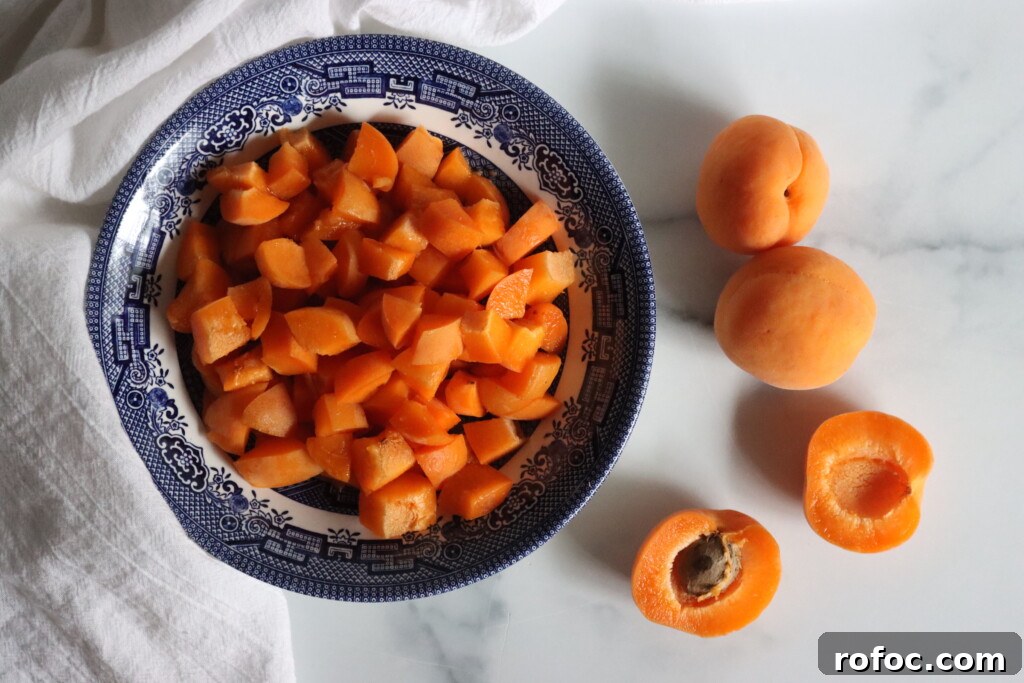
Start by washing, halving, pitting, and roughly chopping the apricots into about 1-inch pieces. No peeling needed. Place the fruit and a little water in a large pot and simmer until the apricots are very soft and breaking down, roughly 20 minutes.
Puree the softened apricots until smooth. An immersion blender is the simplest tool and works right in the pot; alternatively, use a food processor or food mill in batches. You should have about 6 cups of puree at this stage.
Return the puree to the pot, stir in the sugar and lemon juice, and bring to a boil. Reduce to the lowest heat and simmer, uncovered, stirring frequently until the mixture thickens to a spreadable consistency and holds its shape on a spoon. On the stovetop this usually takes 1 to 2 hours, typically closer to 1½ hours. Stir often near the end to prevent sticking and scorching.
If you prefer a hands-off method, cook the puree in a crock pot on high for 3 to 4 hours, stirring occasionally. The slow cooker requires less attention and is less likely to burn.
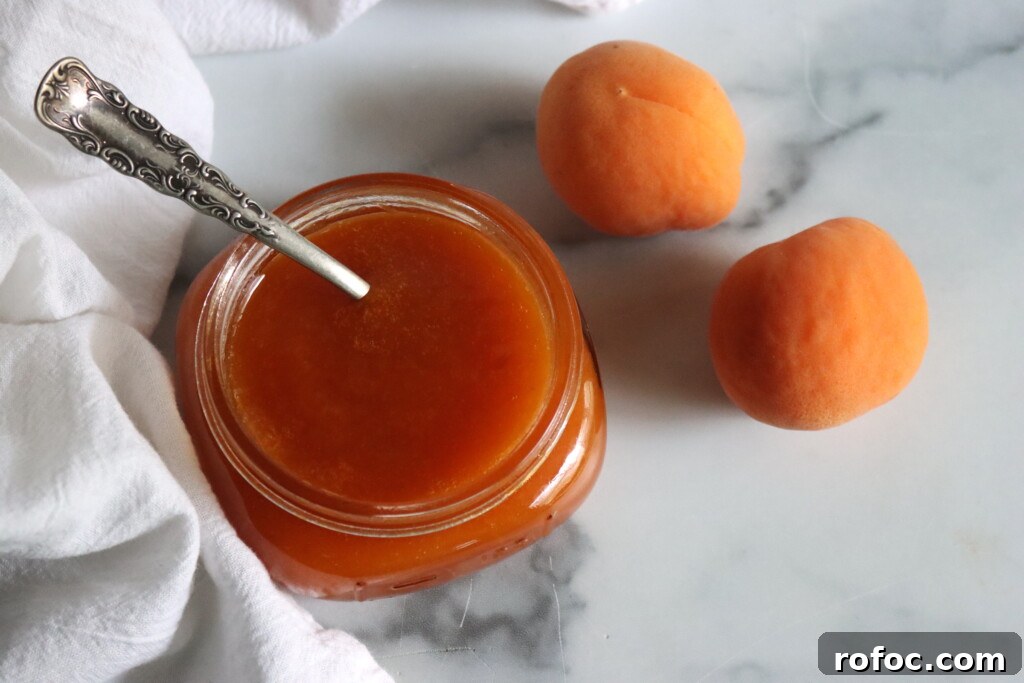
Canning Apricot Butter
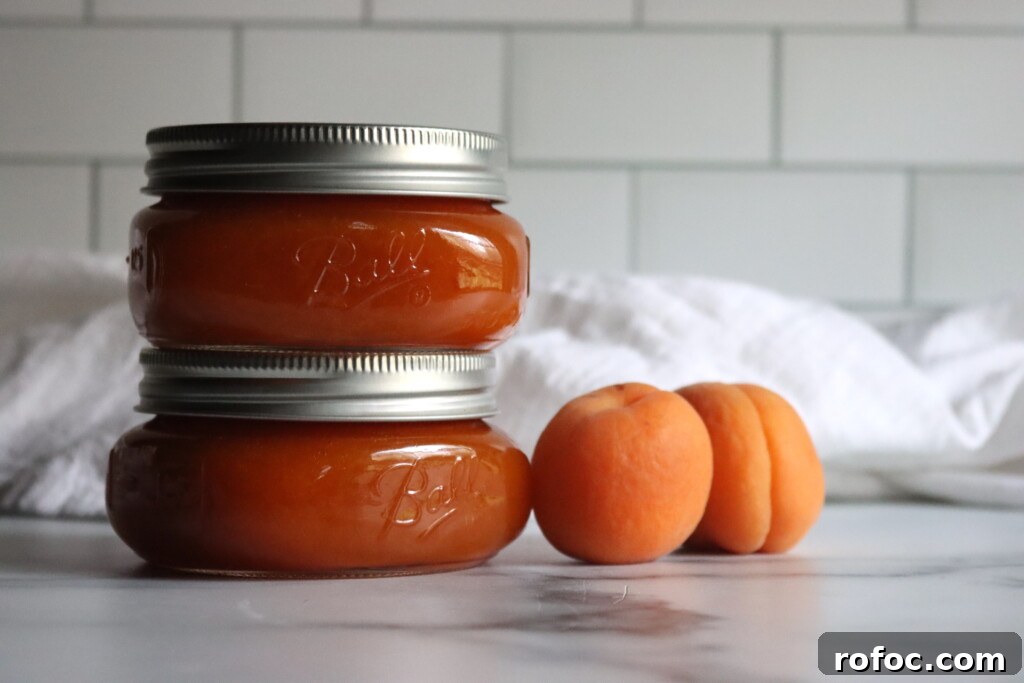
When the apricot butter is thick and coats a spoon, prepare your water bath canner, sterilize jars, and warm lids and rings. Ladle the hot butter into half-pint or pint jars, leaving 1/4 inch headspace. Wipe rims, apply lids and rings, and process in a boiling water bath for 10 minutes, adjusting for altitude as needed.
Remove jars and cool completely. Check seals after 24 hours. Refrigerate any jars that didn’t seal and use those within a few weeks. Properly sealed jars keep in a cool, dark pantry for up to a year.
Altitude Adjustments
Adjust processing time if you live above 1,000 feet elevation:
- 1,001 to 3,000 feet: 15 minutes
- 3,001 to 6,000 feet: 20 minutes
- 6,001 to 8,000 feet: 25 minutes
- 8,001 to 10,000 feet: 30 minutes
These times apply to both pint and half-pint jars.
Using Apricot Butter
Apricot butter is excellent on toast, but its uses go well beyond breakfast. Fill thumbprint or linzer-style cookies, swirl into plain yogurt or oatmeal, or spoon over pancakes, waffles, or crepes. Layer it into parfaits with granola and fresh fruit for an easy, bright dessert.
For savory applications, brush apricot butter onto grilled chicken or pork as a quick glaze. It also pairs beautifully with cheese—serve a dollop alongside soft goat cheese or sharp cheddar on a snack board.
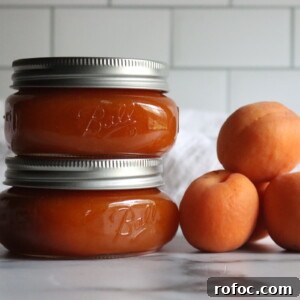
Apricot Butter
Equipment
-
Water Bath Canner
Ingredients
- 2 lbs Apricots, halved, pitted and diced (about 16 to 24 medium)
- ½ cup Water
- 3 cups Sugar
- 2 Tbsp Lemon Juice, fresh or bottled, for flavor—not preservation
Instructions
-
Wash apricots, halve, pit, and coarsely chop. No peeling needed—the skins dissolve during cooking and enhance the flavor.
-
In a large stainless steel saucepan, combine the apricots and water. Bring to a boil, then reduce heat and simmer, stirring occasionally, until very soft, about 20 minutes.
-
Puree the mixture with an immersion blender until smooth, or process in batches in a food processor or food mill. You should have about 6 cups of puree.
-
Return the puree to the pot or transfer to a crockpot. Stir in sugar and lemon juice until the sugar dissolves.
-
Bring to a boil, then reduce to low and simmer uncovered, stirring frequently, until thick and spoon-coating—1 to 2 hours on the stovetop (typically ~1½ hours).
-
Crockpot option: Cook on high for 3 to 4 hours, uncovered, stirring occasionally.
-
Prepare a water bath canner and sterilize jars as the butter nears completion.
-
Ladle hot butter into jars, leaving ¼ inch headspace. Wipe rims, apply lids and rings, and process in a boiling water bath for 10 minutes (adjust for altitude).
Notes
- If peeling: Blanch apricots 30–60 seconds, transfer to cold water, then peel, halve, and pit. The recipe works either way, but leaving skins on gives better color and flavor.
- Pureeing: An immersion blender is the easiest, least messy method.
- Sugar adjustments: You can reduce sugar slightly, but note the texture and yield may change.
- Storage: Store sealed jars in a cool, dark place for up to a year. Refrigerate after opening.
Altitude Adjustments:
- 1,001 to 3,000 feet: 15 minutes
- 3,001 to 6,000 feet: 20 minutes
- 6,001 to 8,000 feet: 25 minutes
- 8,001 to 10,000 feet: 30 minutes
Nutrition
Nutrition information is an approximation.
Apricot Canning Recipes
If you have more apricots, consider other preserving options like canned whole apricots, pie filling, jam, or a fruit salsa. Each preserves the season’s flavor in a different way and follows a similar simple approach: fruit, sugar, time, and care.
Fruit Butter Recipes
Other fruit butters to try include peach butter, apple butter, and pear butter. Each starts with ripe fruit, a bit of sugar, and slow cooking to concentrate flavor into a smooth, spreadable preserve.