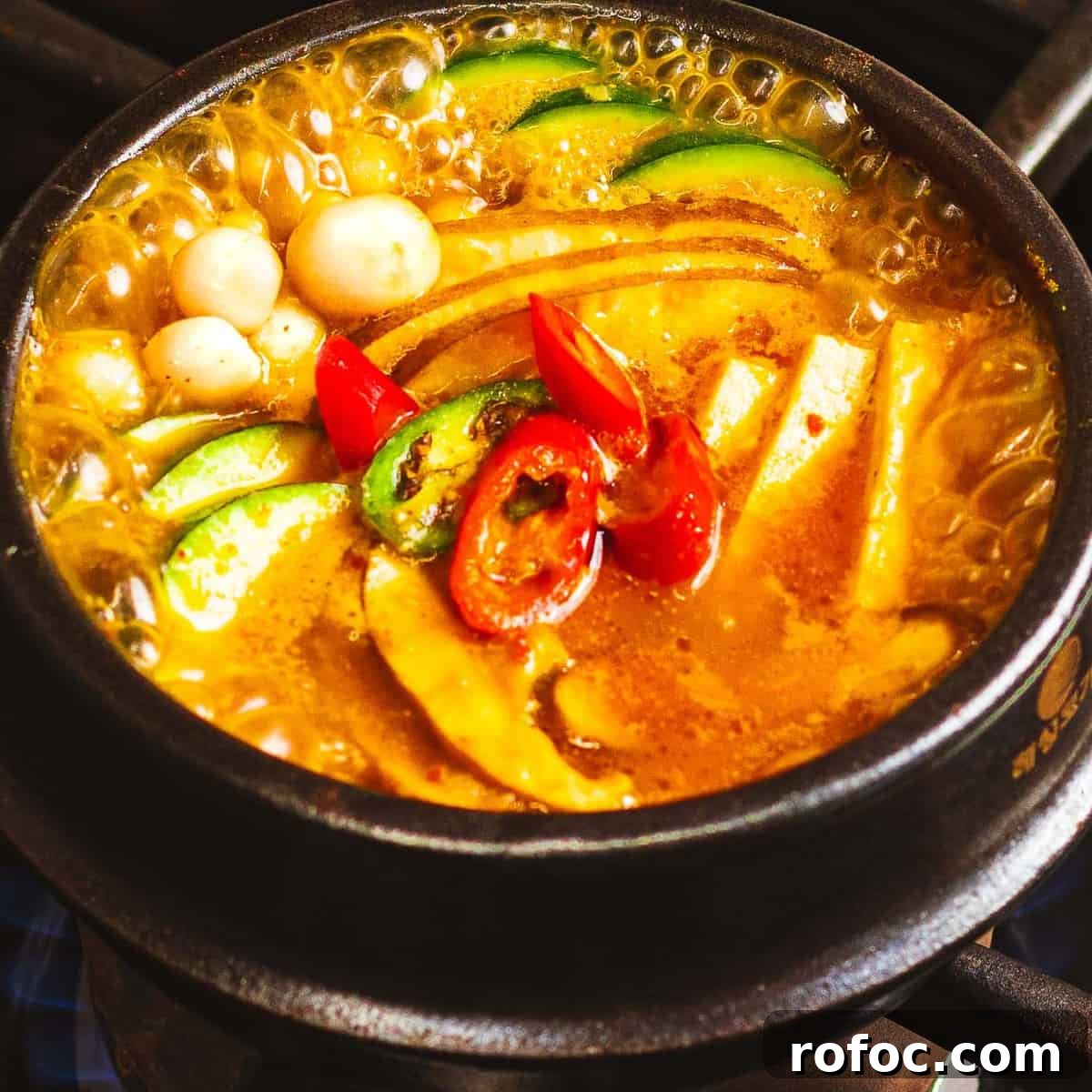
Doenjang jjigae (된장찌개) is a simple, comforting Korean soybean-paste stew made with doenjang, anchovy or other stock, your choice of protein, tofu, potatoes, mushrooms, and zucchini. The stew is driven by the deep umami of fermented doenjang, which gives it a rich, savory character.
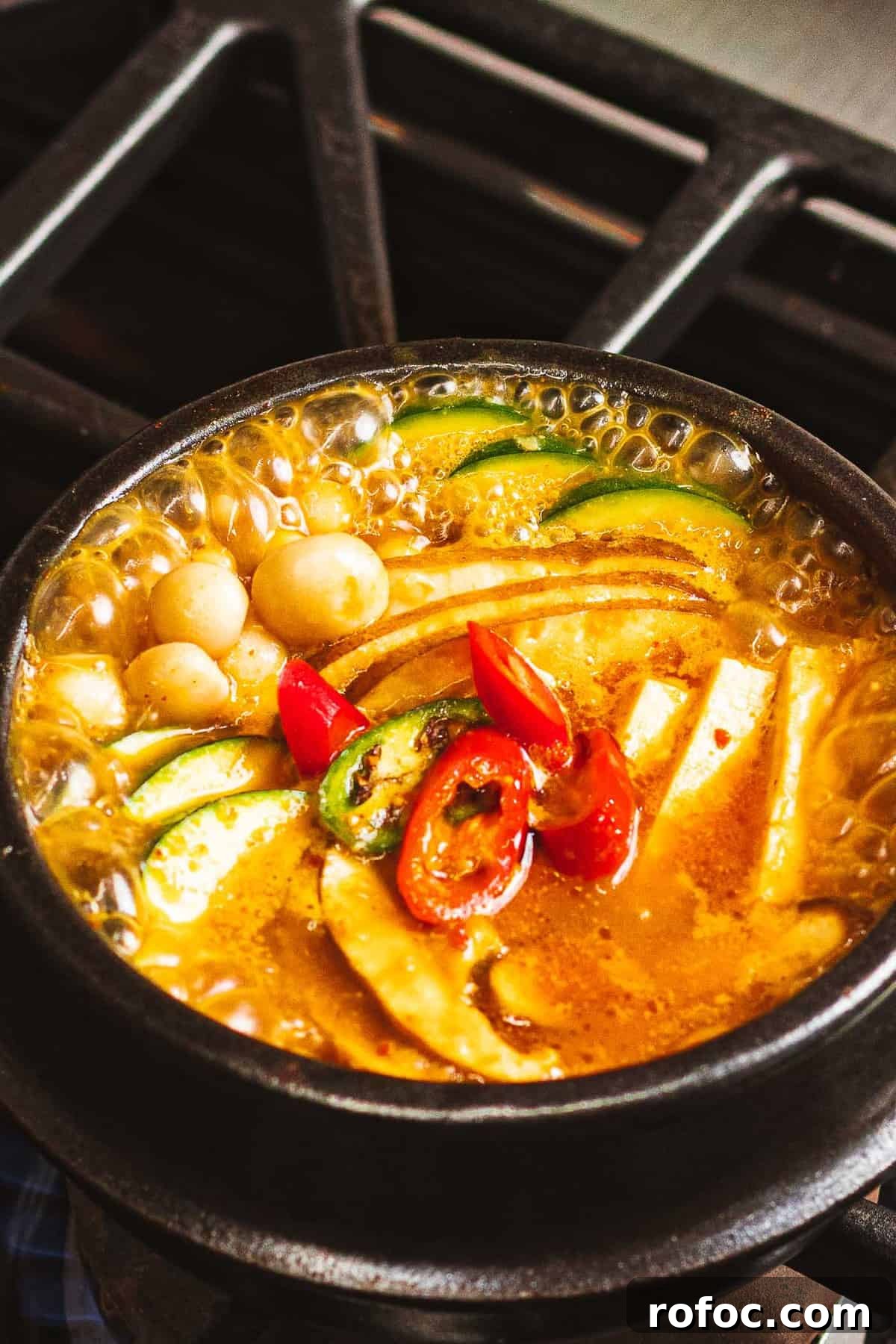
Doenjang jjigae (된장찌개) is a hearty Korean stew built on doenjang, a fermented soybean paste. You can make it with beef, pork, clams, shrimp, or tofu—plus a mix of vegetables—so it’s versatile and easy to adapt. It’s often compared to Japanese miso soup, but doenjang tends to be bolder and more savory. If you enjoy miso, you’ll likely love this richer Korean version. The dish is nutritious, quick to prepare, and satisfying with rice and simple side dishes.
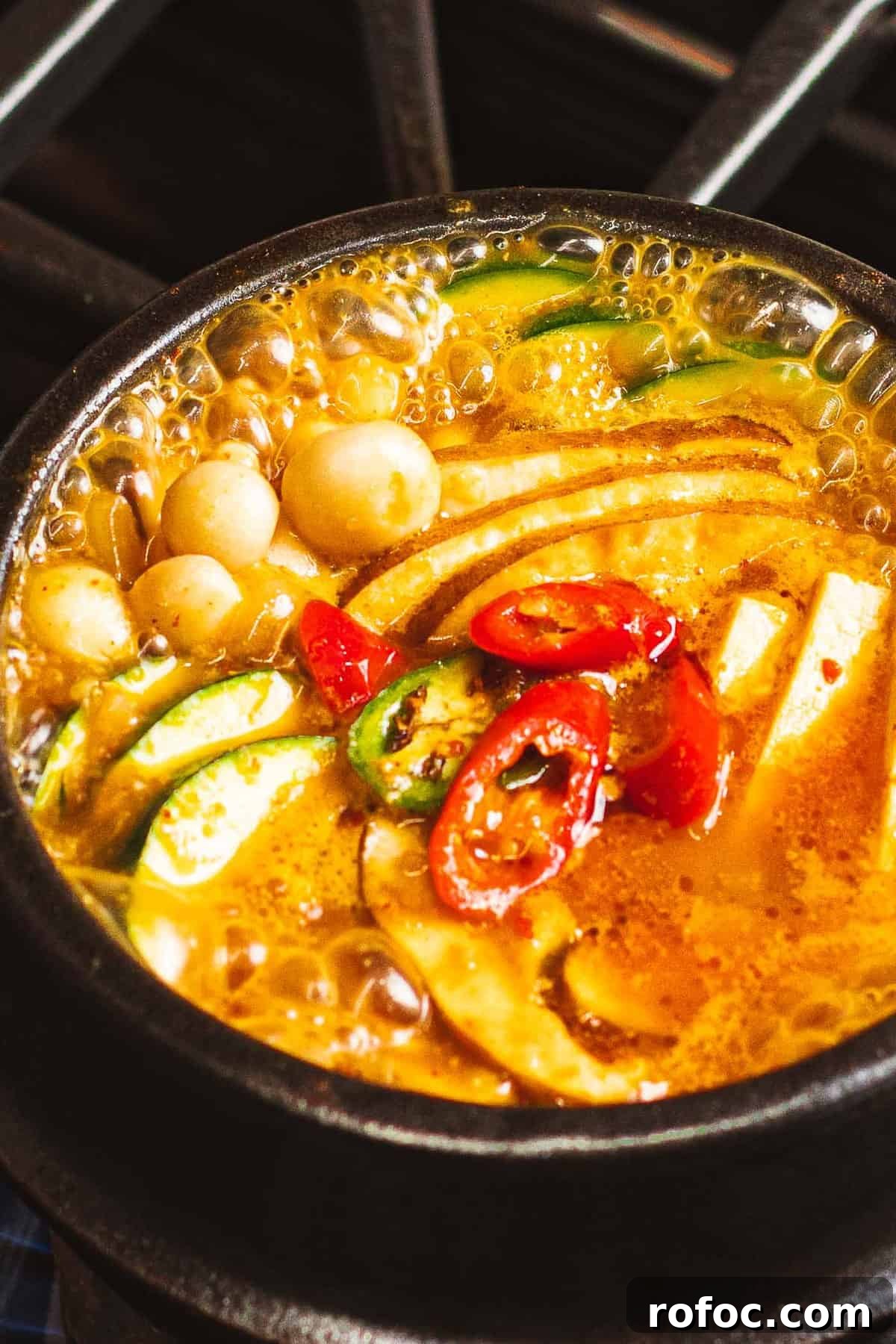
What is doenjang (soybean paste)?
Doenjang (된장) is a traditional Korean fermented soybean paste. Whole soybeans are boiled, mashed or pounded, then fermented and aged in a salty brine until they develop deep, savory umami flavors. The paste can be smooth or slightly chunky depending on the variety and production method.
Doenjang jjigae is made by dissolving doenjang into stock and simmering vegetables and protein until tender. For soups and stews, seasoned doenjang (조미된장) is convenient because it already contains garlic, onions, or shellfish flavors that enrich the broth.
If you can’t find seasoned doenjang, use plain doenjang and bolster the broth with anchovy stock, chicken or vegetable stock, and extra garlic and onions for depth.
Ingredients
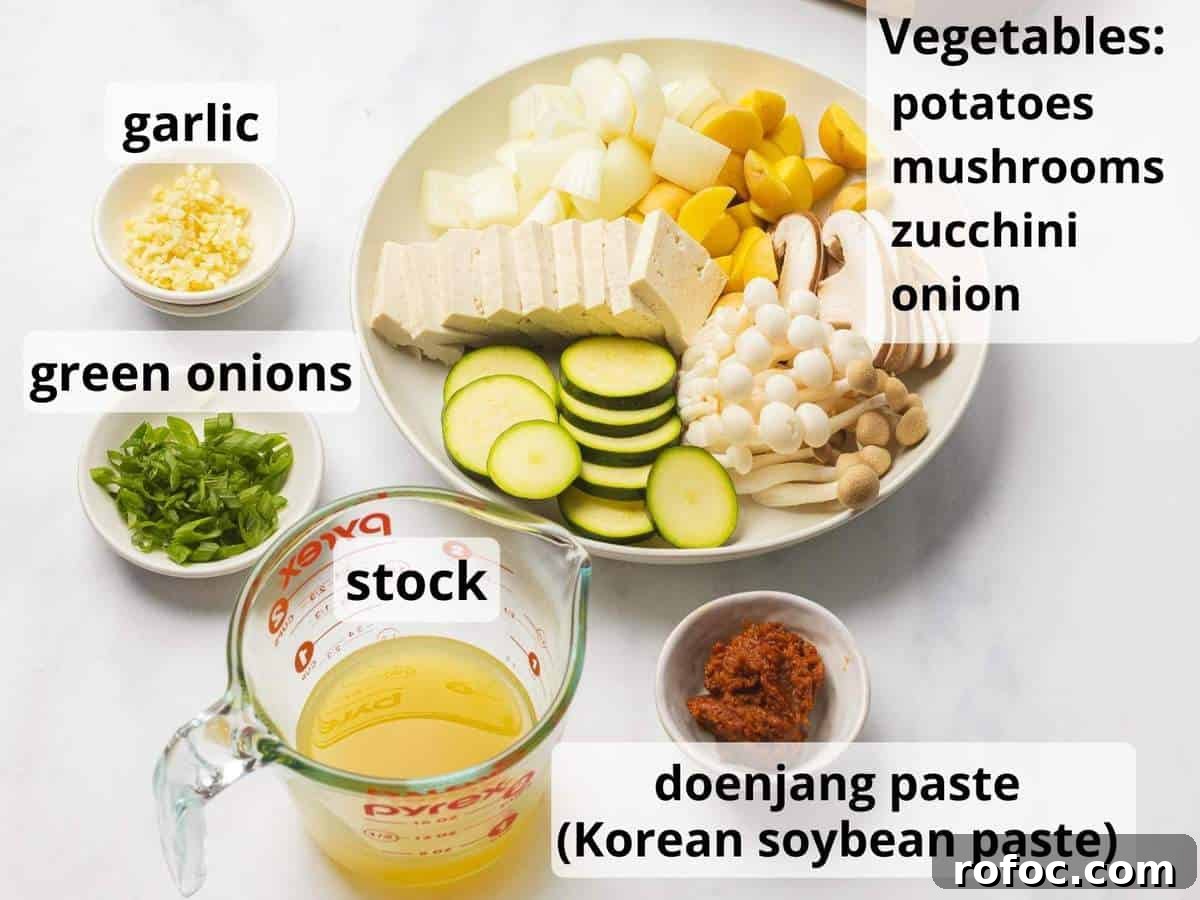
- Doenjang – Korean fermented soybean paste; use seasoned doenjang for soups if available.
- Stock – Traditional anchovy stock is ideal, but chicken, beef, or vegetable stock also work.
- Vegetables – Common choices are mushrooms, onions, potatoes, and zucchini.
- Protein – Tofu, beef, pork, clams, or shrimp, cut into bite-size pieces.
How to make Doenjang Jjigae
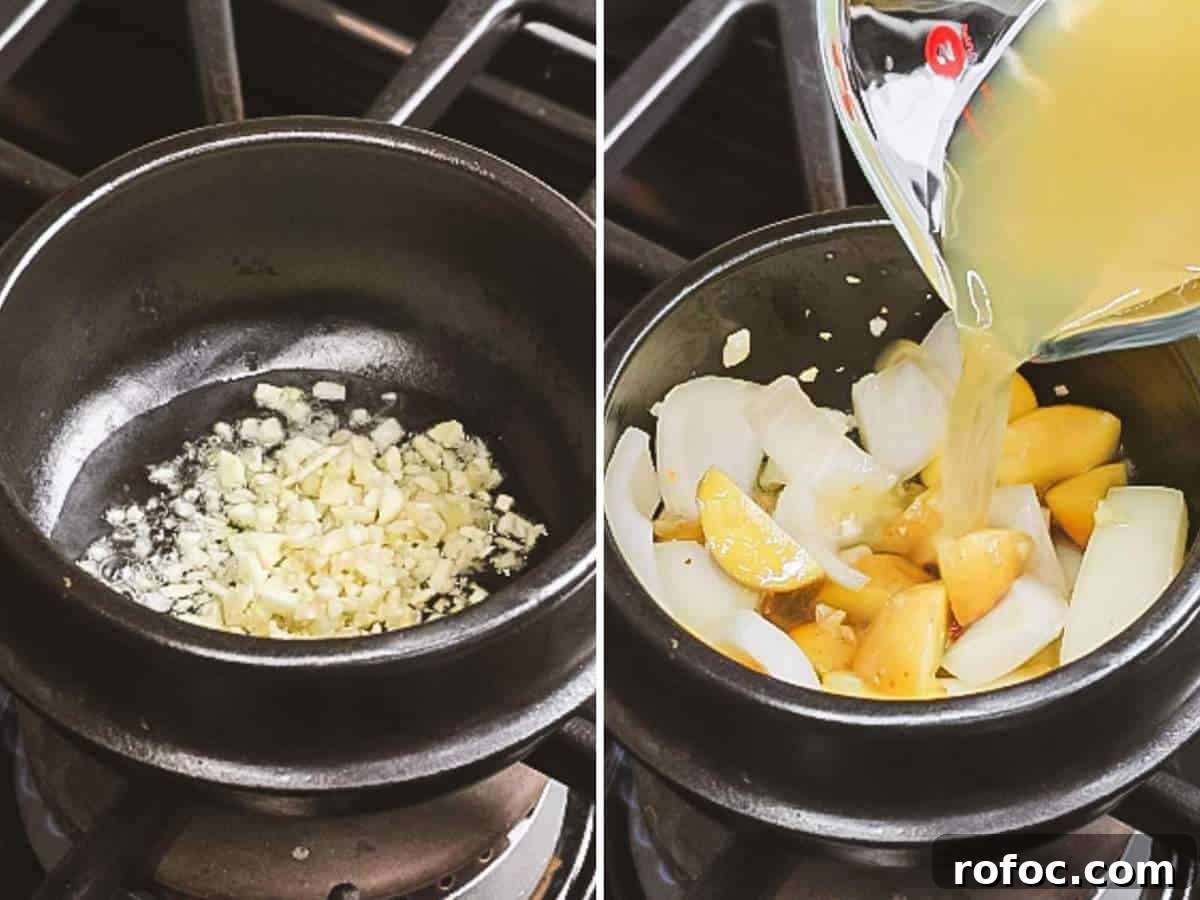
- Sauté minced garlic in oil until fragrant. Add diced potatoes, onions, stock, and any raw meat or seafood. Bring to a boil and simmer briefly (3–5 minutes) to start cooking the starches and proteins.
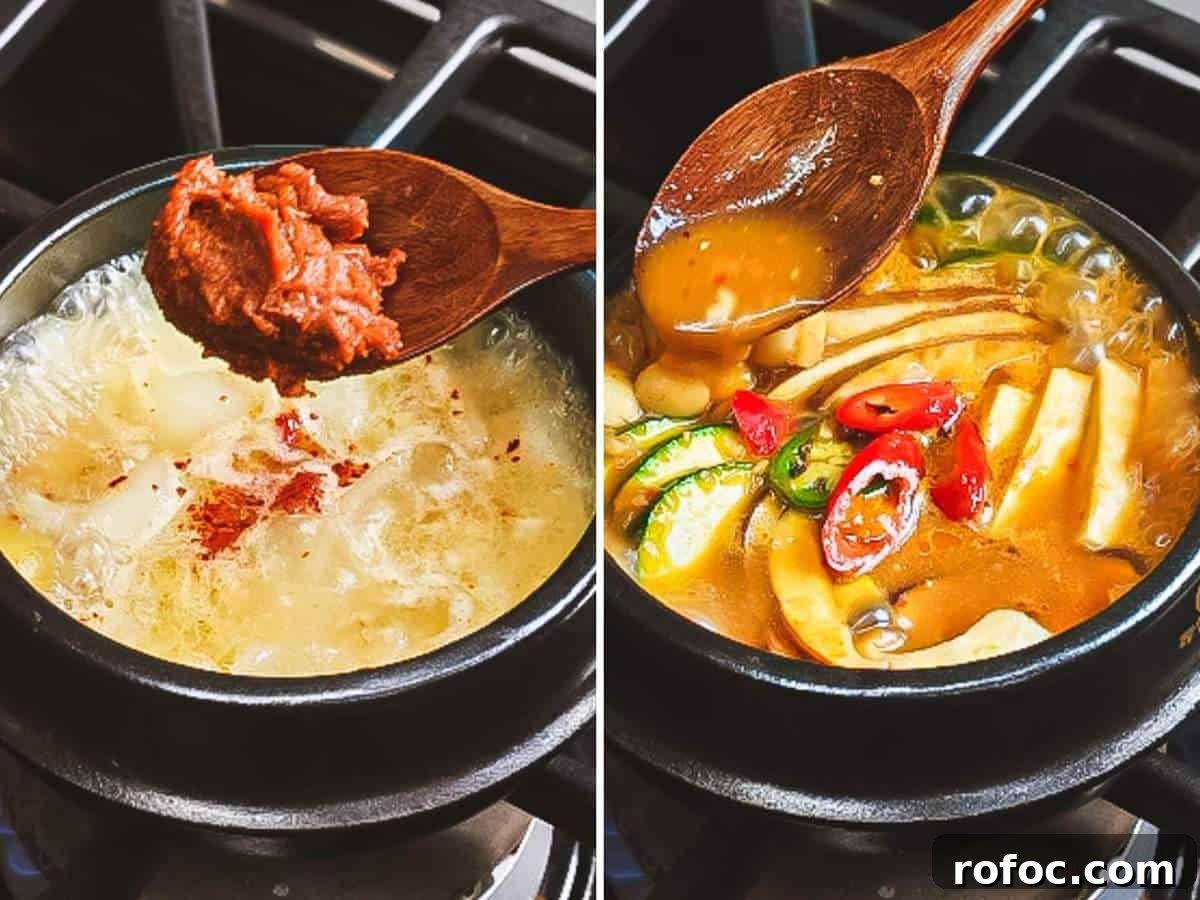
- Stir in the doenjang paste, then add tofu, zucchini, mushrooms, and any other vegetables. Mix well so the paste dissolves into the liquid.
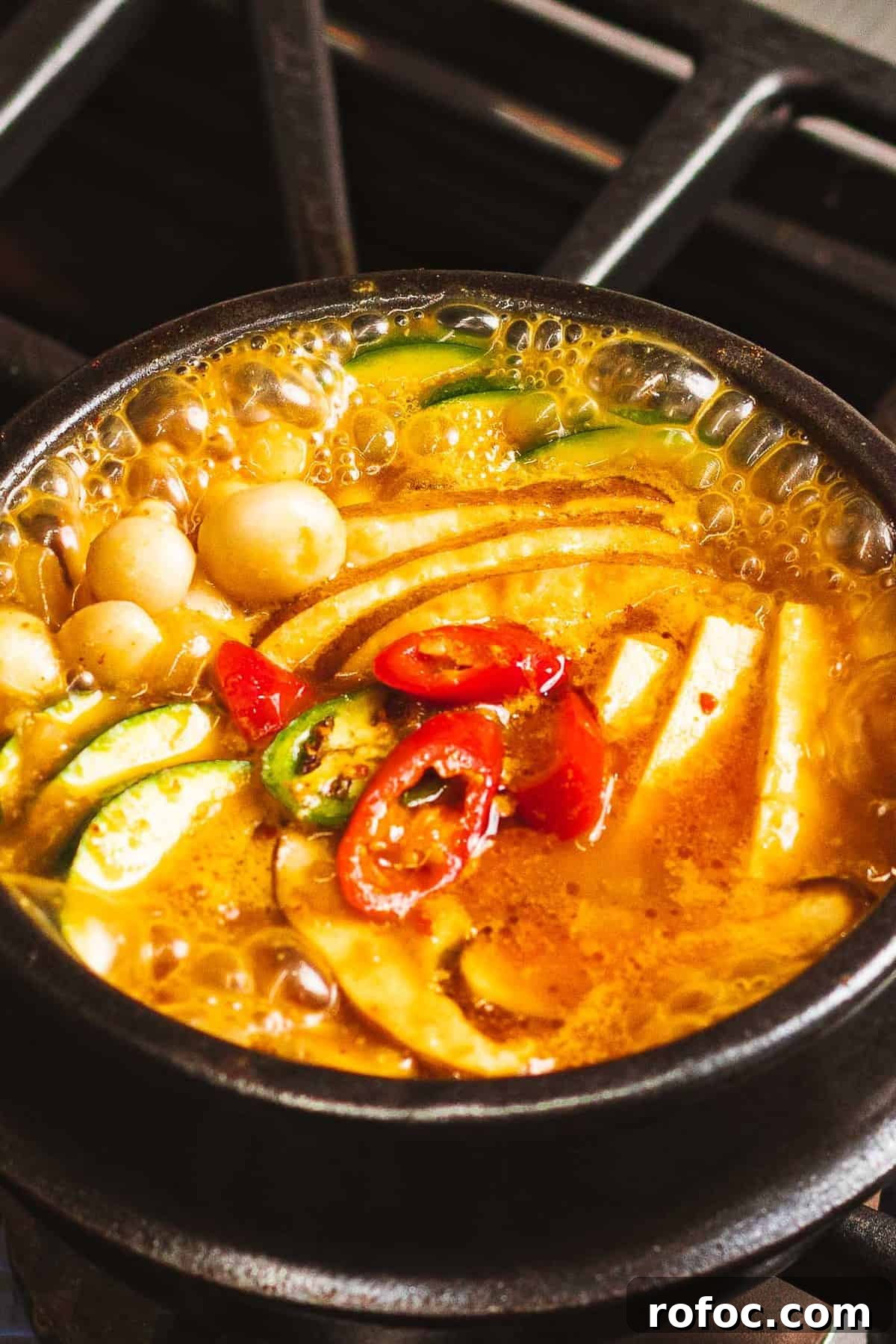
- Simmer until the potatoes and protein are fully cooked, about 3–5 more minutes. Taste and adjust seasoning with more doenjang or a splash of soy sauce if needed. Garnish with chopped peppers and serve hot with steamed rice.
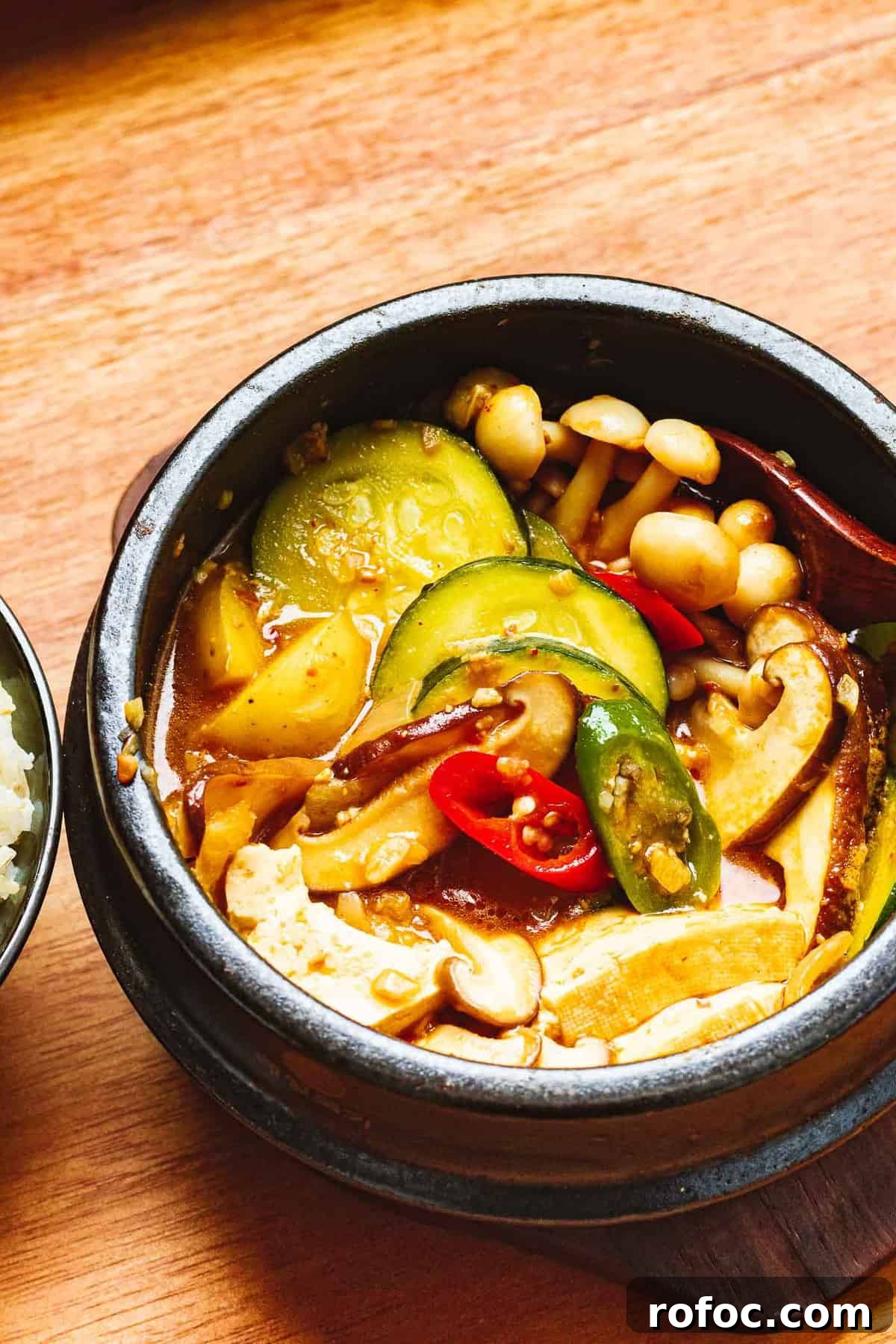
Doenjang jjigae is best served bubbling hot in an earthenware pot if you have one—these vessels retain heat well. Pair the stew with steamed rice and a few banchan (Korean side dishes) for a complete, comforting meal.
Variations & substitutions
Vegan/vegetarian: Use vegetable stock or vegan dashi and confirm the doenjang contains no shellfish. Increase mushrooms and tofu for extra umami and protein.
Seafood version: Use anchovy stock and add clams, shrimp, or crab toward the end of cooking so they remain tender.
Serve with Korean side dishes (banchan):
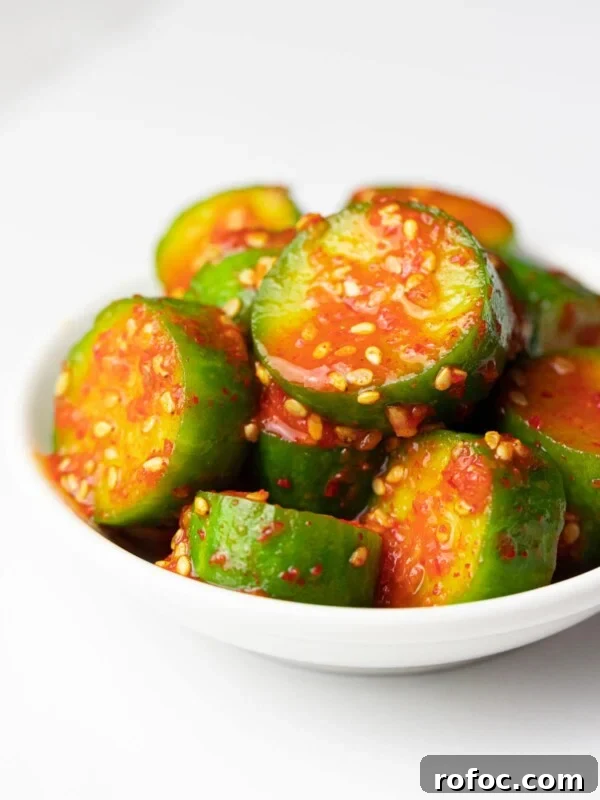
Asian Recipes
Spicy Korean Cucumber Salad (Oi Muchim)

Appetizers
Korean Potato Side Dish – Gamja Jorim
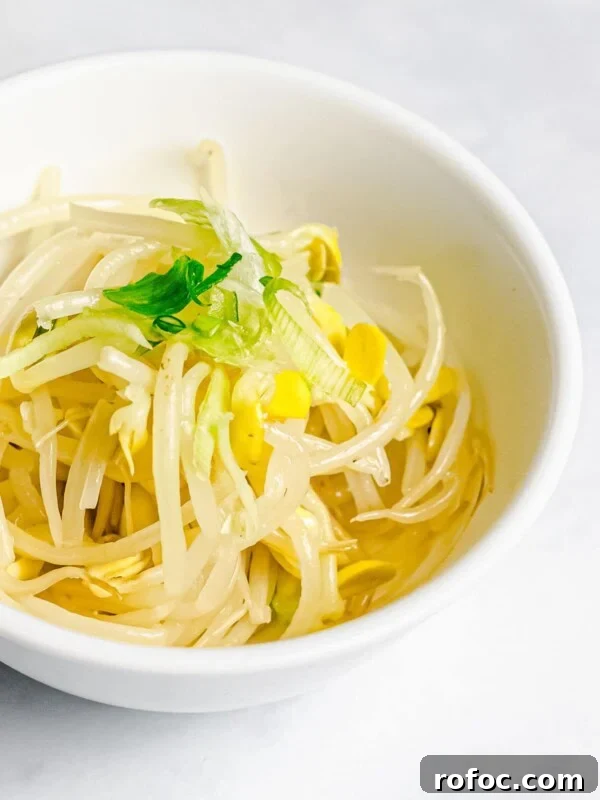
Asian Recipes
Korean Soybean Sprout Side Dish – Kongnamul Muchim
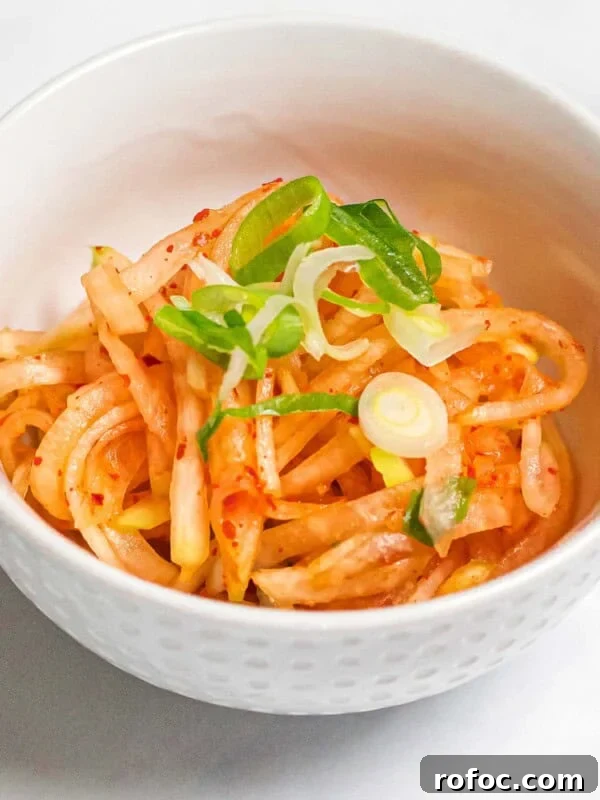
Asian Recipes
Spicy Korean Radish Salad | Musaengchae
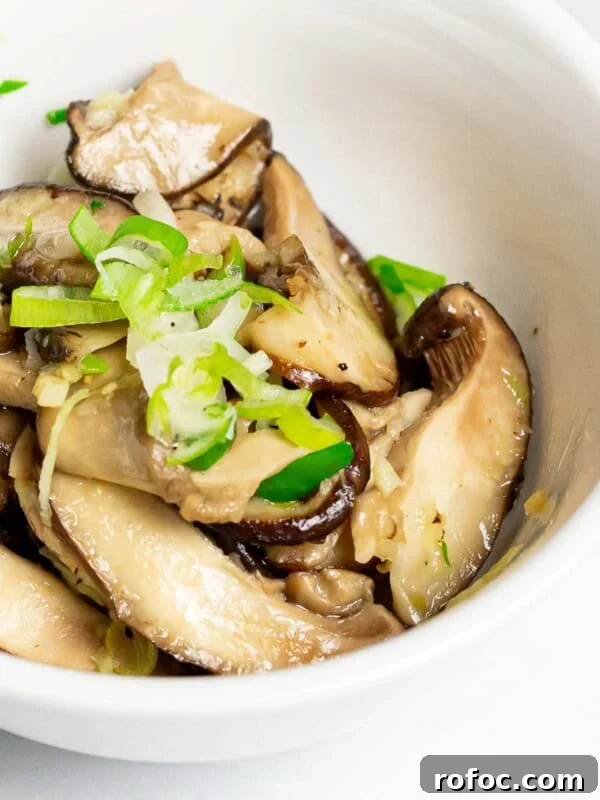
Asian Recipes
Korean Shiitake Mushroom Side Dish
Asian Recipes
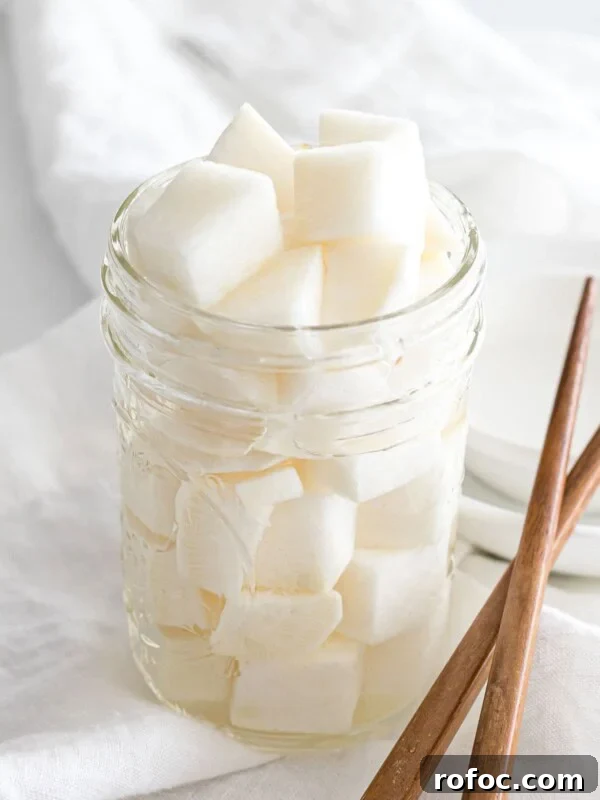
Crunchy Korean Pickled Radish – Fast and Easy!
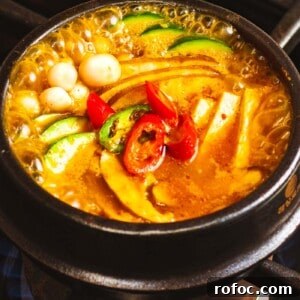
Doenjang Jjigae (Korean Soybean Paste Stew)
Equipment
- Earthenware Pot (optional)
Ingredients
Doenjang Soup Base
- 1 cup stock (anchovy, chicken, beef, or vegetable)
- 1 Tablespoon doenjang paste (seasoned preferred)
- 1 Tablespoon vegetable oil
- ½ teaspoon Korean red pepper flakes (optional)
- 4 cloves garlic, minced
Vegetables & Protein
- ⅓ cup potatoes, diced
- ⅓ cup zucchini, diced
- ⅓ cup onions, diced
- ⅓ cup mushrooms, sliced
- ⅓ cup protein of choice (tofu, meat, seafood), bite-size
- 1 red or green pepper, chopped (optional)
Instructions
- Soup base: In a small pot or earthenware pot, sauté garlic with vegetable oil until fragrant. Add stock, potatoes, onions, and any meat or seafood you’re using. Bring to a boil and simmer 3–5 minutes.
- Add doenjang and veggies: Stir in the doenjang paste, then add zucchini, mushrooms, and tofu if using. Mix until the paste is dissolved into the broth. Simmer until potatoes and protein are cooked, about 3–5 minutes.
- Season and serve: Taste and adjust with more doenjang or soy sauce if needed. Add extra stock if you prefer a thinner soup. Garnish with chopped pepper and serve hot with rice.
Notes
Serves 1–2. A traditional earthenware pot holds heat and makes a nice presentation. For the deepest flavor, use anchovy stock or dashi, but any stock is fine.
- Stock: Anchovy stock is traditional; dashi or other stocks work well too.
- Doenjang: Seasoned doenjang is convenient for soups because it already contains added flavorings; check labels if avoiding shellfish ingredients.
- Vegan option: Use vegetable stock and confirm the doenjang has no seafood-based additives. Add extra mushrooms and tofu for umami and protein.
Nutrition
Nutrition information is an approximation.
Like this? Leave a comment below!
Doenjang is a fermented soybean paste made from boiled soybeans that are mashed, aged, and fermented to develop rich umami flavors.
Doenjang is excellent in soups, stews, dipping sauces, and marinades to add depth and savory flavor.
Doenjang is shelf-stable until opened. After opening, keep it sealed in the refrigerator to preserve flavor and prevent drying. A thin dried surface is normal over time.
Both are fermented soybean pastes, but doenjang (Korean) is typically stronger, richer, and chunkier, while miso (Japanese) is usually milder and smoother.