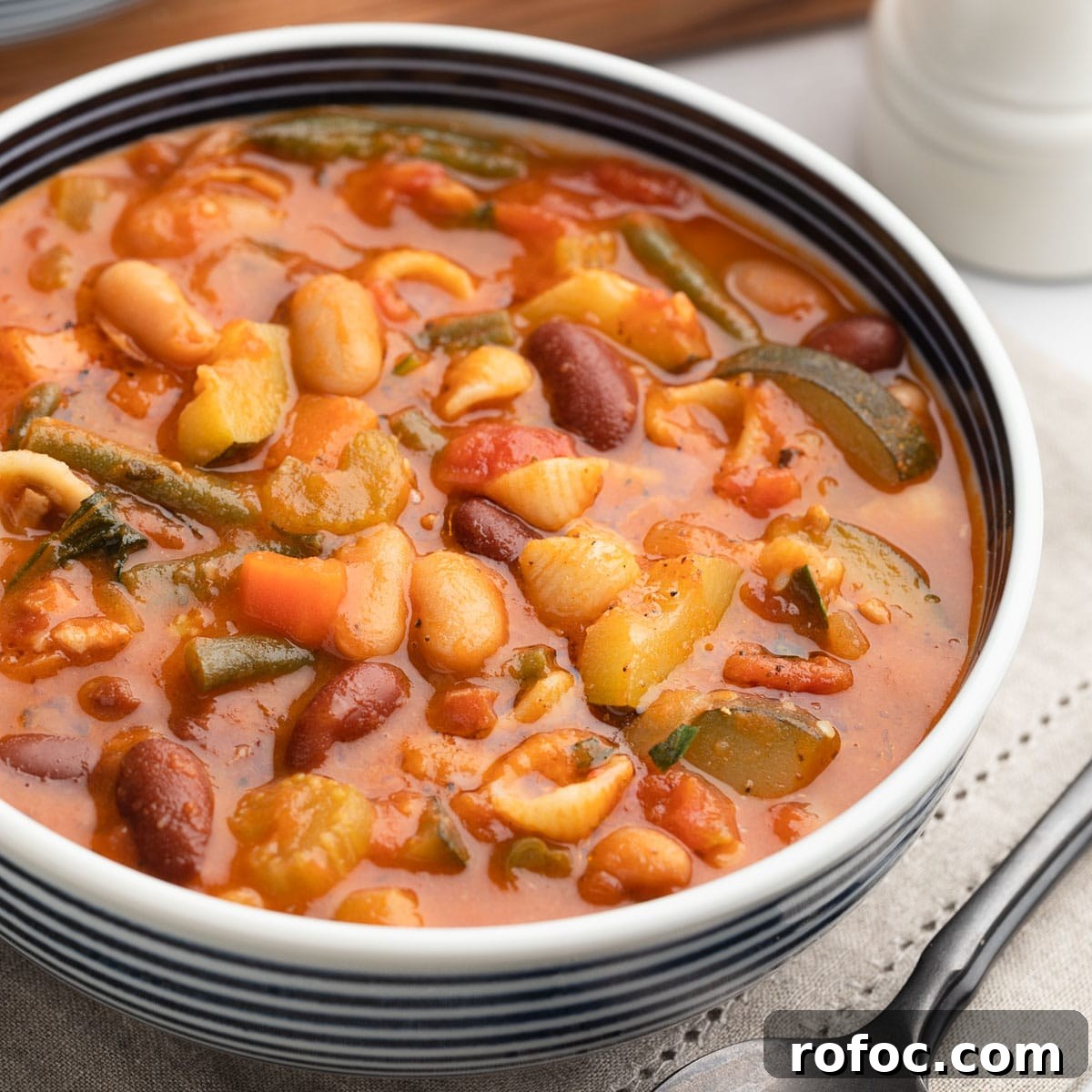
Minestrone soup is a timeless Italian favorite—hearty, nourishing, and endlessly adaptable. Packed with vegetables, beans, and small pasta in a flavorful tomato-based broth, it’s a great way to use what you have on hand and make a satisfying meal for family or guests.
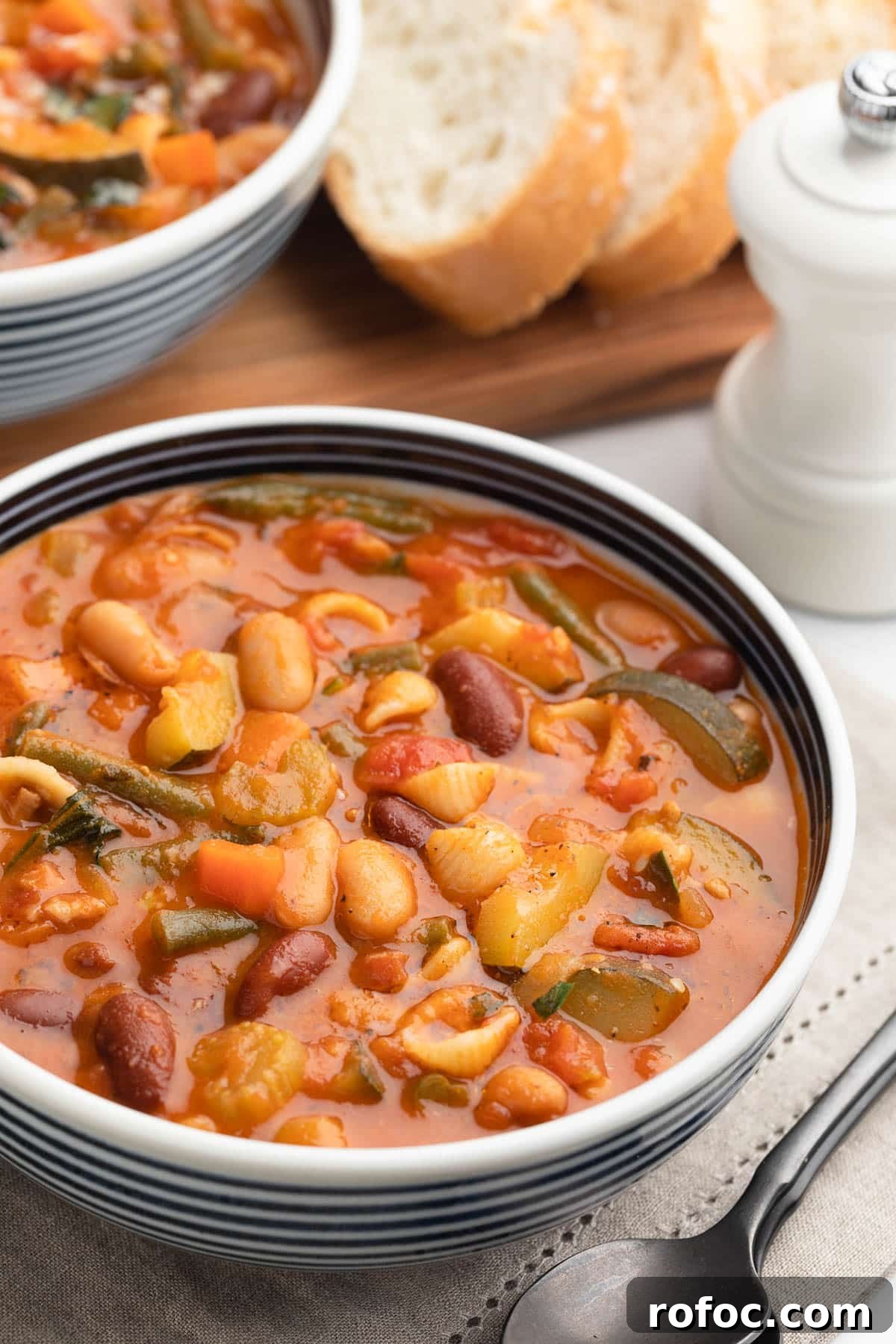
Before You Start Cooking
- Minestrone grew from cucina povera (peasant cooking) in ancient Italy and was traditionally a way to use seasonal vegetables. There’s no single canonical recipe—regional and seasonal variations abound. Some are brothy; others, like this one, are thicker and more stew-like.
- The recipe lists 6 cups of broth, but I recommend keeping 2 quarts (8 cups) available so you can adjust the soup’s thickness as it simmers and the pasta and beans absorb liquid.
- This version includes pancetta for a savory depth. To make it vegetarian, omit the pancetta and sauté the vegetables in extra olive oil instead.
How to Make Minestrone Soup
Step 1: Prep the Ingredients
Most of the time for this recipe is spent on prep—plan on roughly 30 minutes for chopping and measuring so you can cook smoothly. Once everything is ready, the soup comes together quickly.
Have these items prepped before you begin:
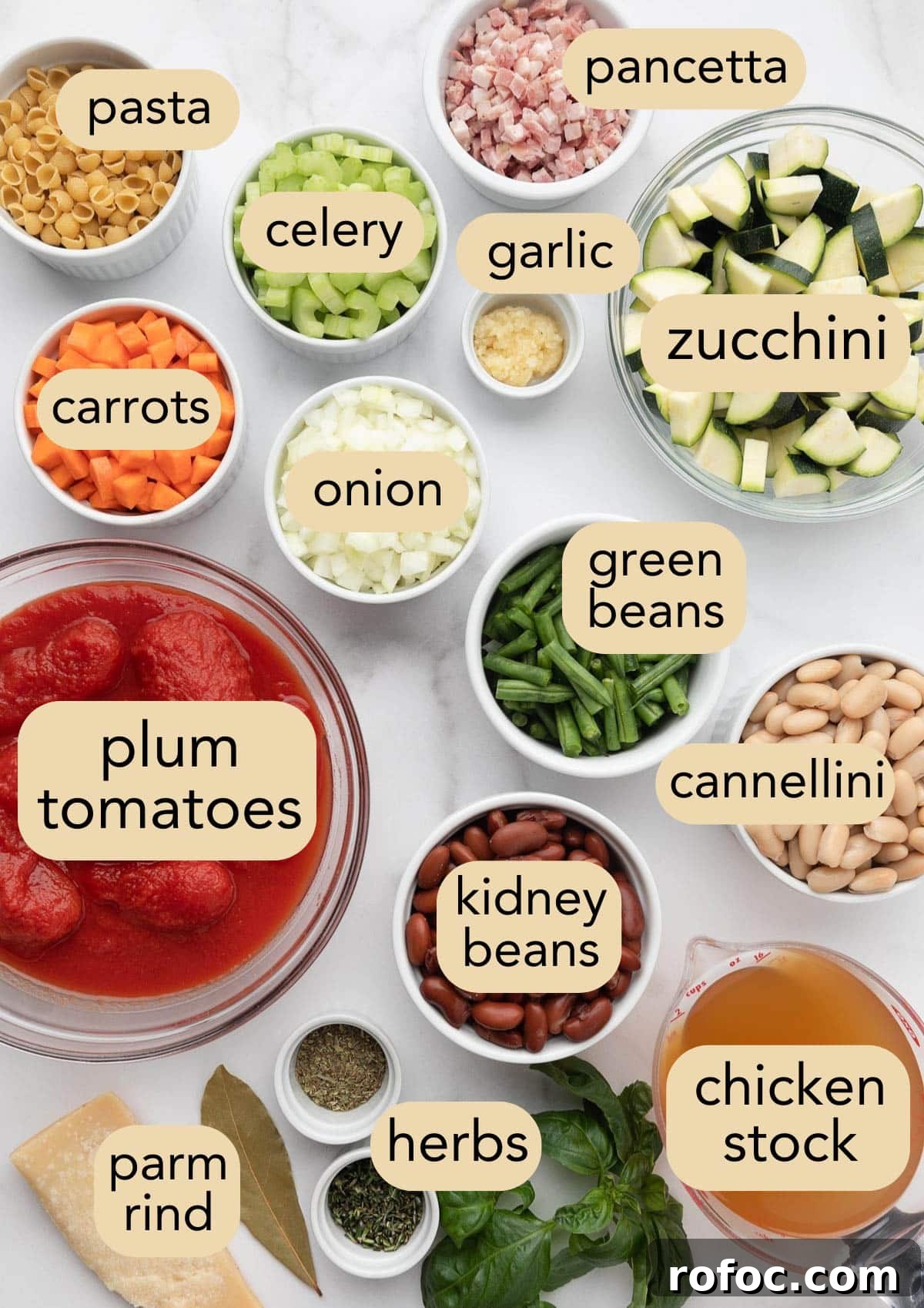
- Pancetta: Buy pre-diced pancetta or dice a slab into small pieces (about 1/8–1/4 inch) so it renders evenly.
- Celery, carrots, and onion: Peel and dice the carrots and onion into roughly 1/4-inch pieces; slice celery into 1/4-inch pieces.
- Garlic: Mince or press garlic for a fine texture that melts into the broth.
- Zucchini: No need to peel; slice into 1/4-inch rounds and quarter each round. For large zucchini, dice to help them cook evenly.
- Green beans: Use fresh or frozen cut green beans. Trim and cut fresh beans into 1-inch pieces.
- Canned or cooked beans: Drain and rinse canned cannellini and kidney beans to remove excess starch and sodium.
- Fresh herbs: Finely chop rosemary and thyme; tear basil leaves just before serving for the best aroma.
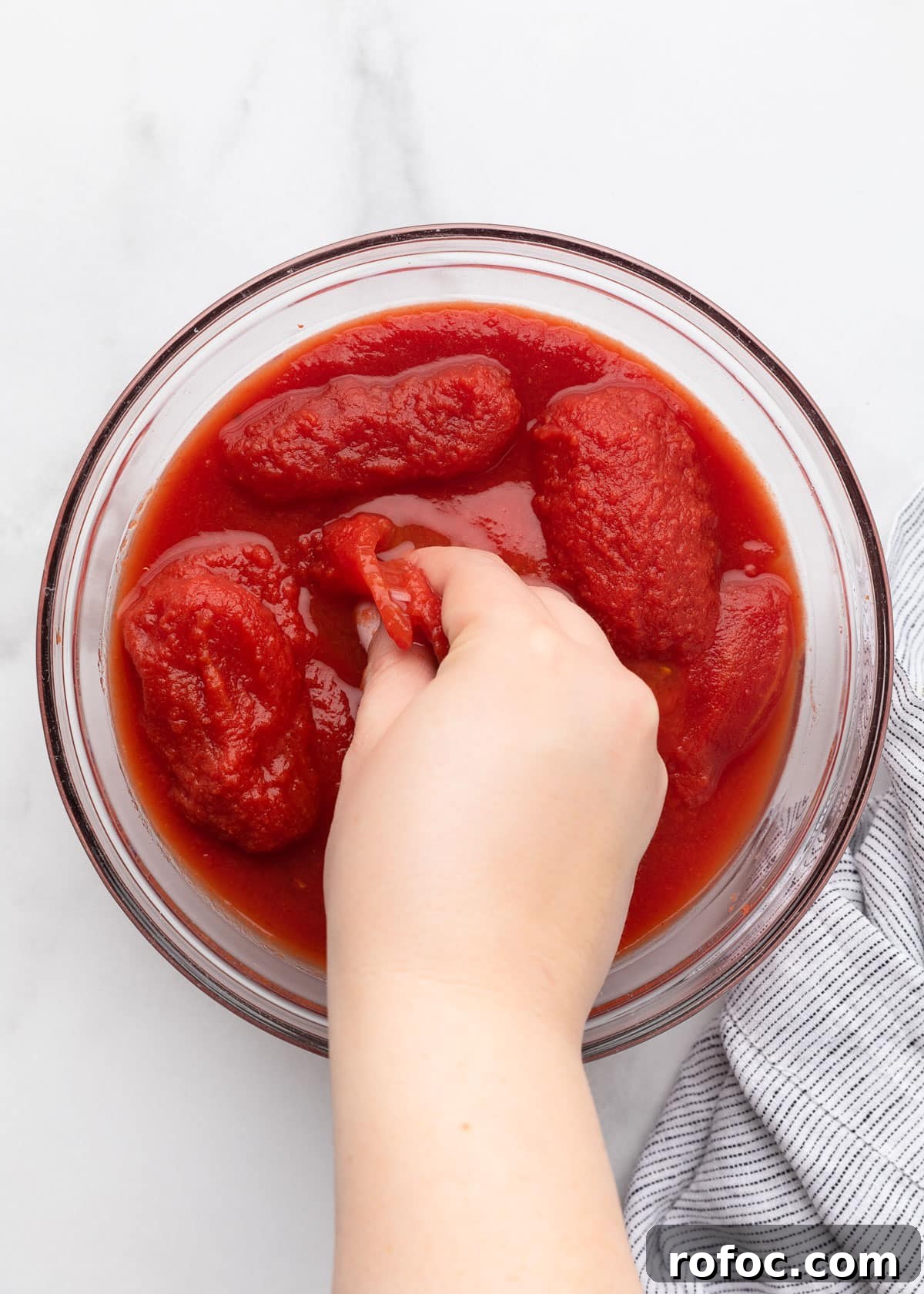
- Plum tomatoes: Use canned whole peeled Roma or San Marzano tomatoes and crush them by hand or with a masher for a rustic texture.
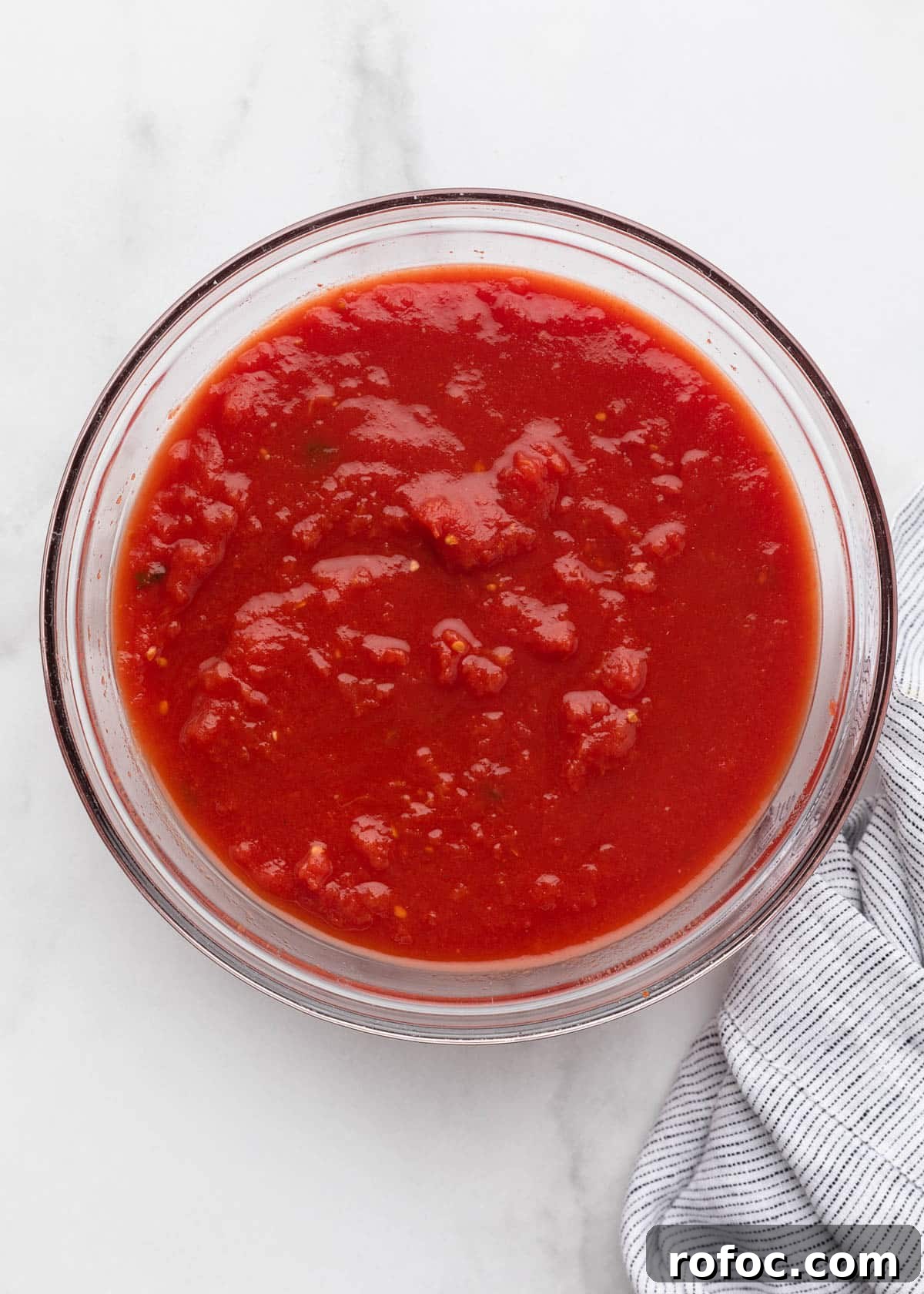
Step 2: Assemble the Soup
Use a large, heavy-bottomed pot or Dutch oven for even heat. Begin by building a flavorful base.
Render the Pancetta
Place olive oil and the pancetta into a cold pot, then set over medium heat. Starting cold helps the pancetta release its fat slowly. Cook 3–4 minutes, stirring occasionally, until the fat is rendered and the pancetta is soft—not browned or crisp.
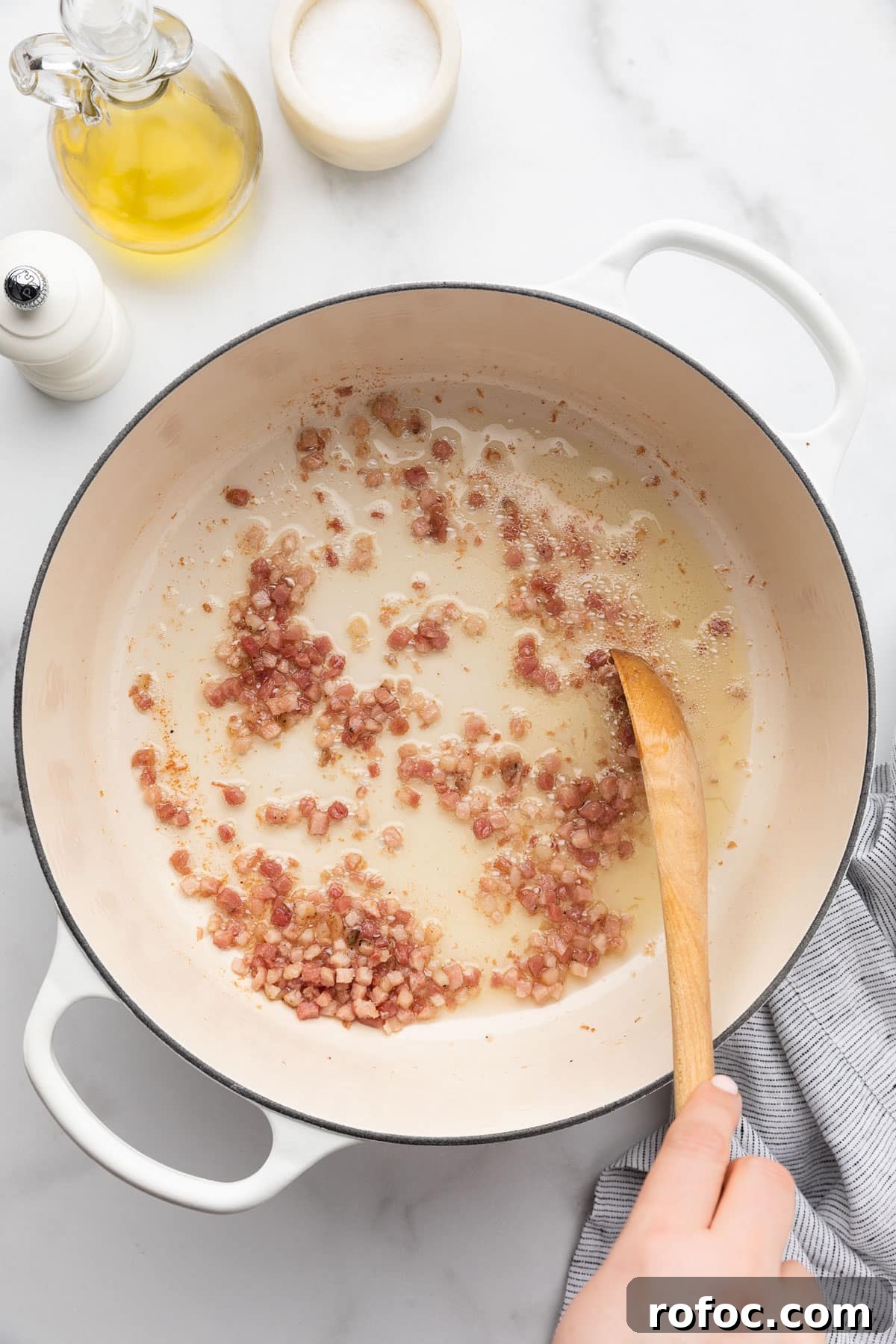
Sauté the Aromatics
Add the onions, carrots, and celery to the pot and season with kosher salt and black pepper. Cook over medium heat for about 10–12 minutes until the vegetables are tender but not browned, stirring occasionally.
Tip: Pancetta batches release different amounts of fat. If the vegetables start to stick or the pot seems dry, add a splash of olive oil.
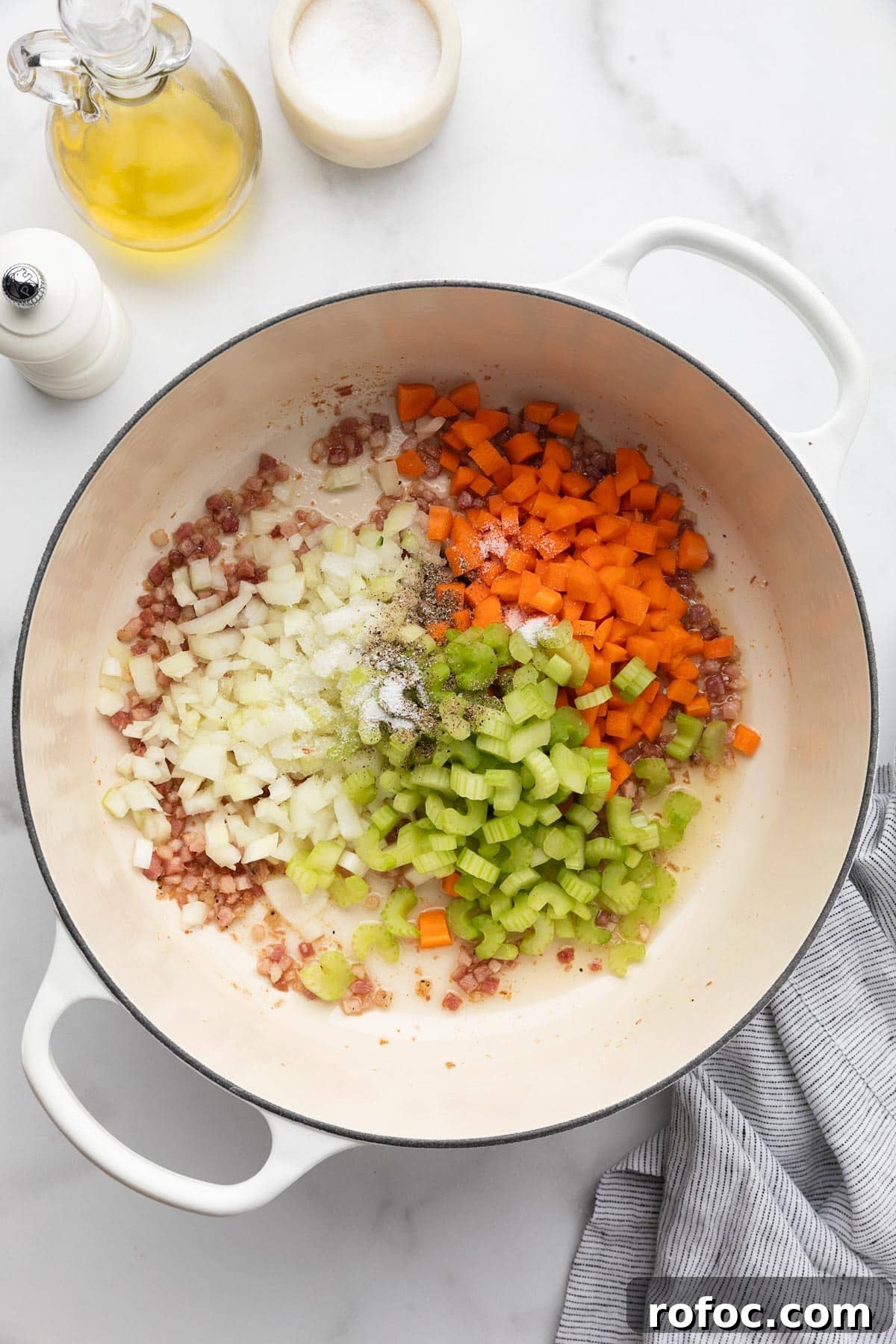
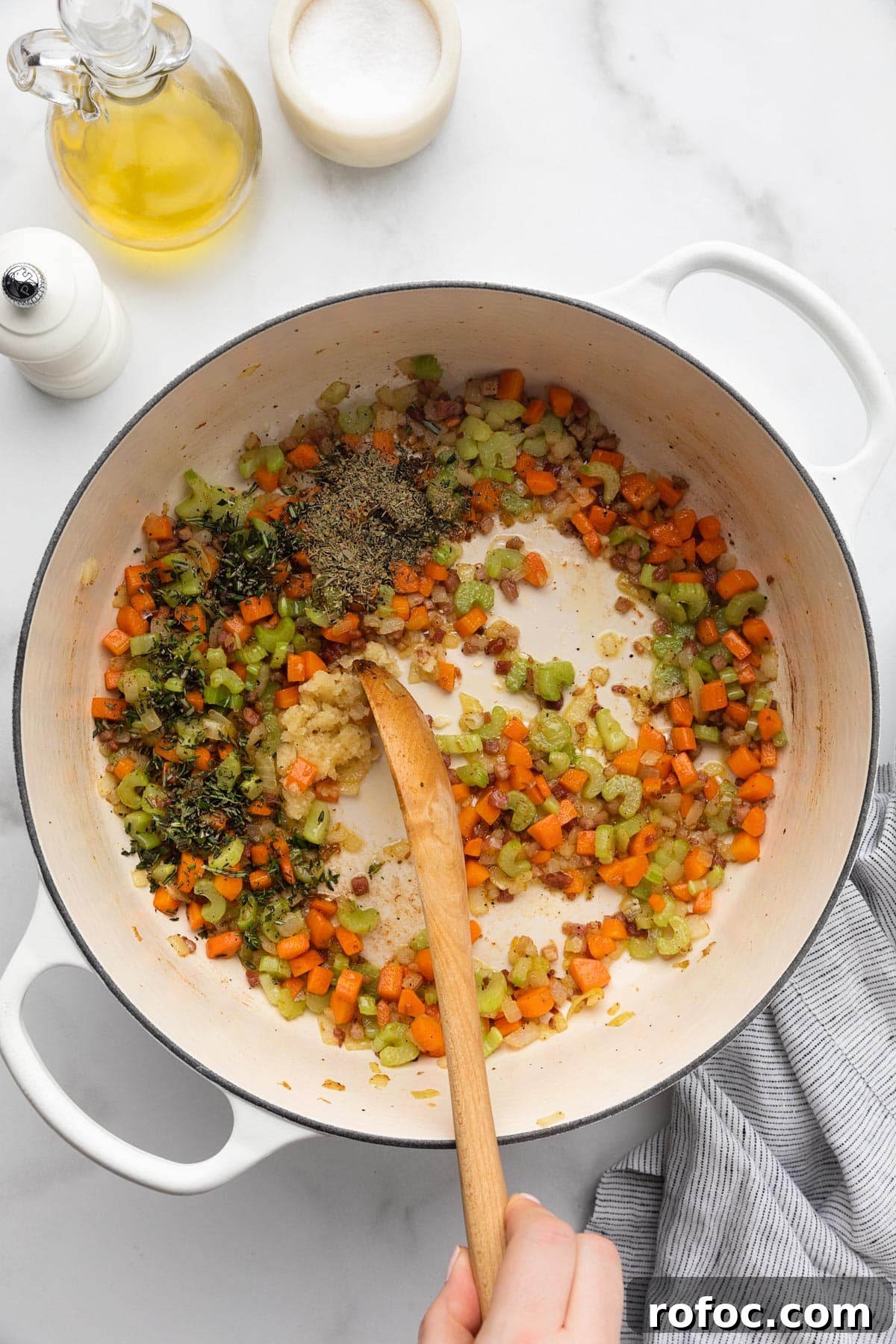
Stir in the minced garlic, rosemary, thyme, and a pinch of dried Italian seasoning. Cook about 1 minute until fragrant.
Add in the Good Stuff
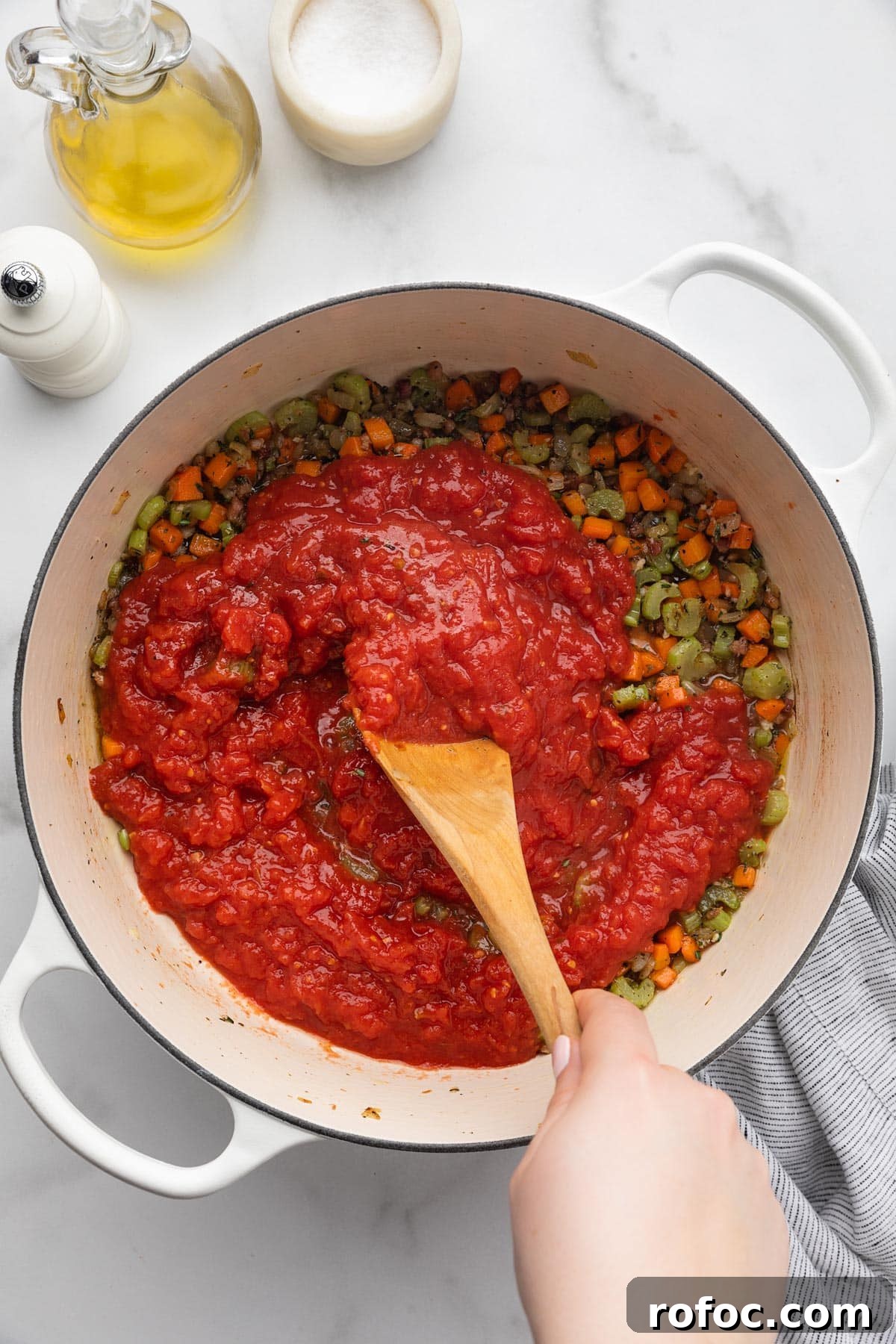
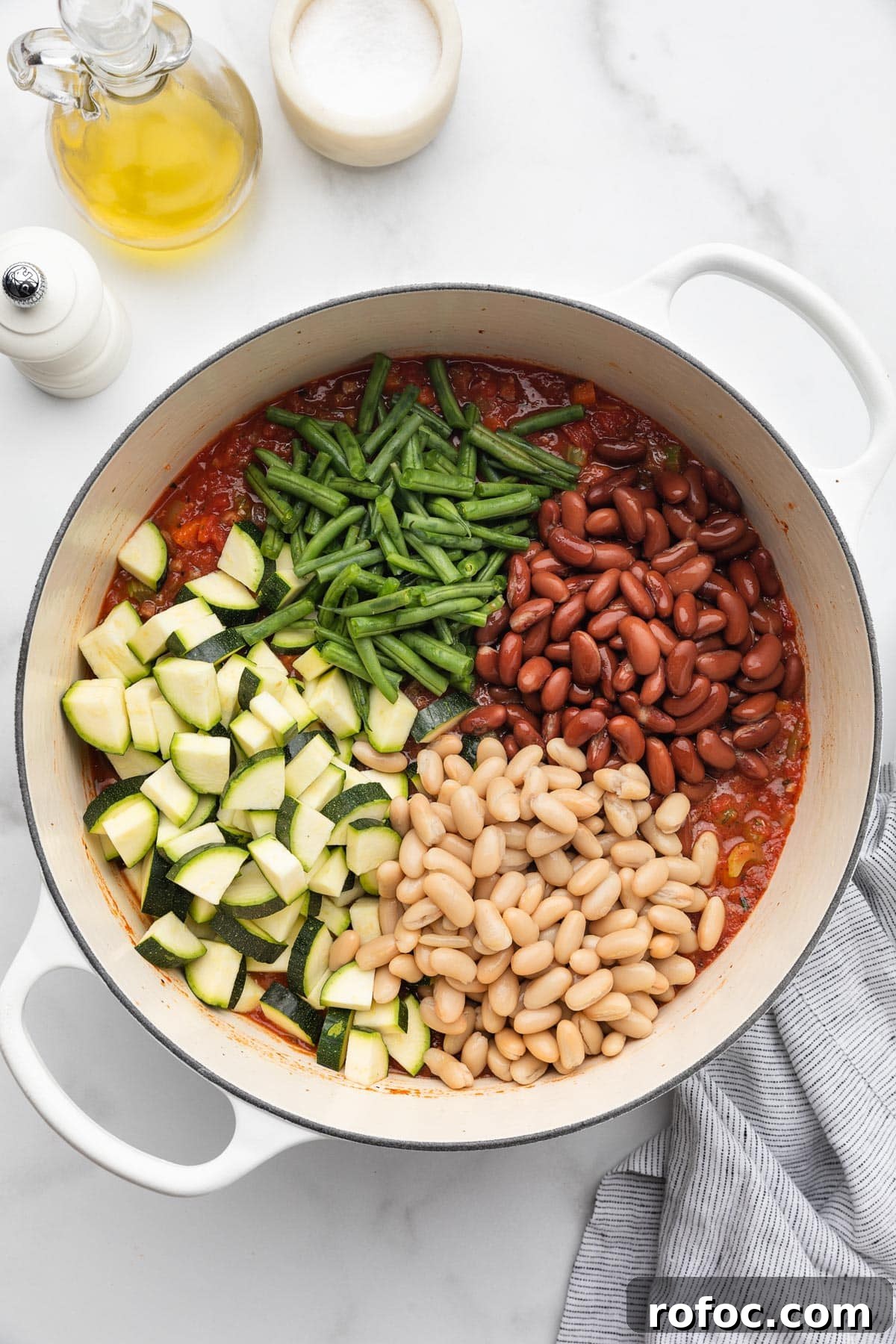
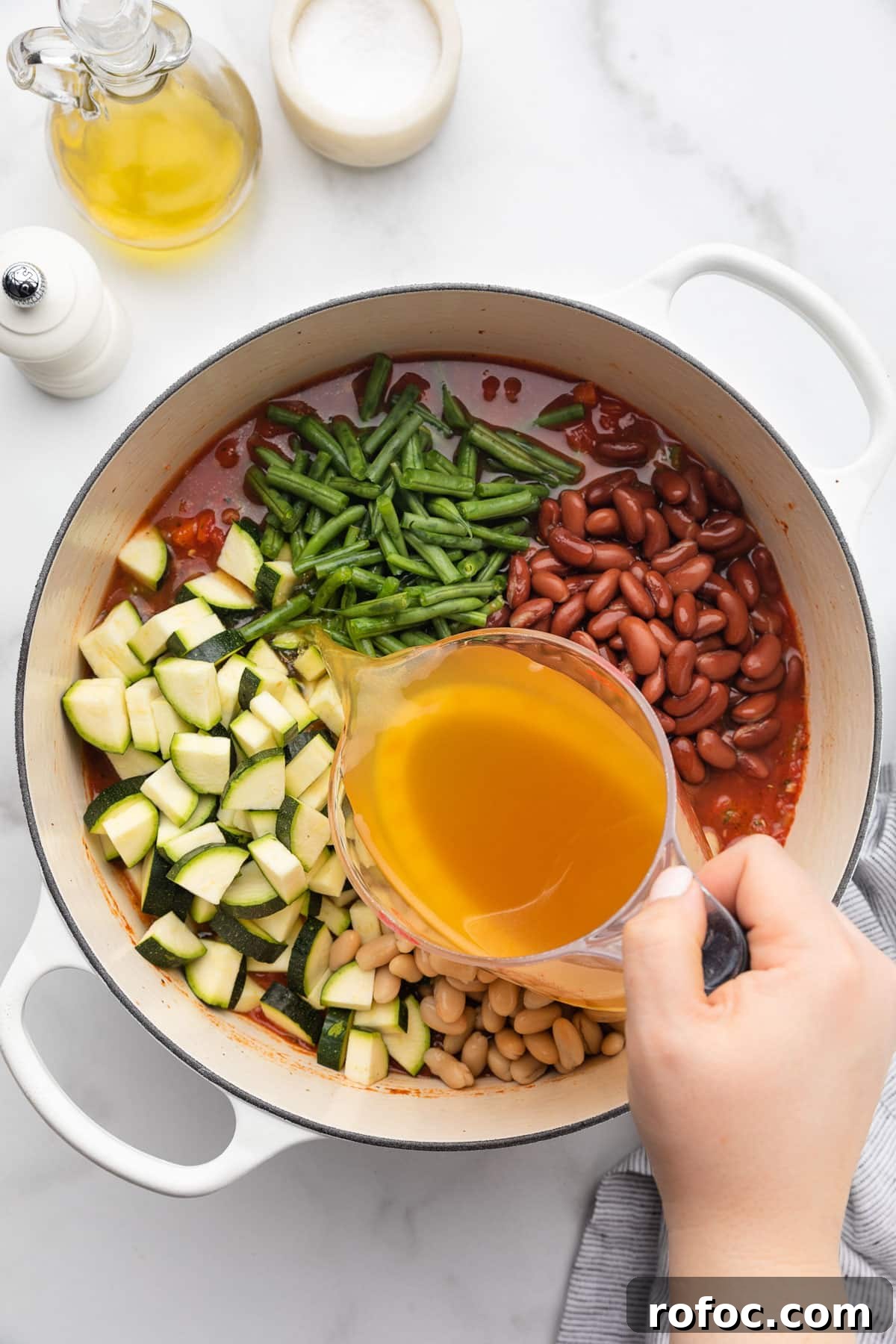
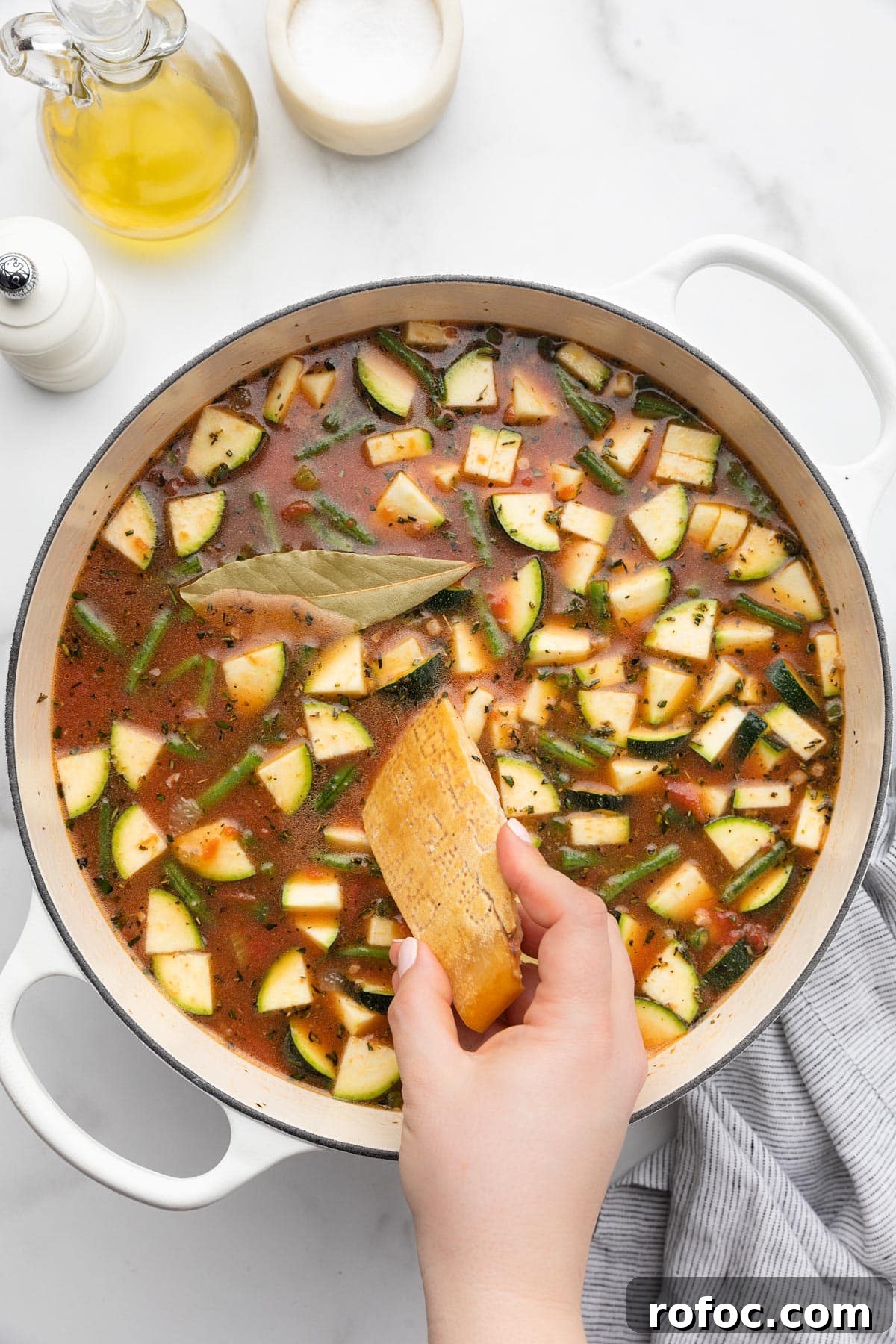
Stir the crushed tomatoes into the pot, then add the green beans, zucchini, cannellini beans, and kidney beans. Pour in 6 cups of chicken or vegetable broth and add a bay leaf plus a Parmigiano Reggiano rind for depth.
Tip: Use a moderate-sodium store-bought stock if you’re not using homemade. Very high-sodium stocks can make the finished soup too salty when combined with pancetta and canned tomatoes.
Step 3: Simmer the Soup
Simmer in two stages: first covered to soften the vegetables, then uncovered to cook the pasta.
Simmer the vegetables: Bring the soup to a boil, cover, and reduce heat to maintain a gentle simmer. Cook 20–25 minutes until the vegetables are tender and the beans begin to release starches that thicken the broth.
Add the pasta: Uncover and stir in 2/3 cup dried small pasta (mini shells, ditalini, farfallini, or stelline work well). Simmer uncovered for about 10 minutes, or until the pasta is al dente, stirring occasionally so the pasta doesn’t stick.
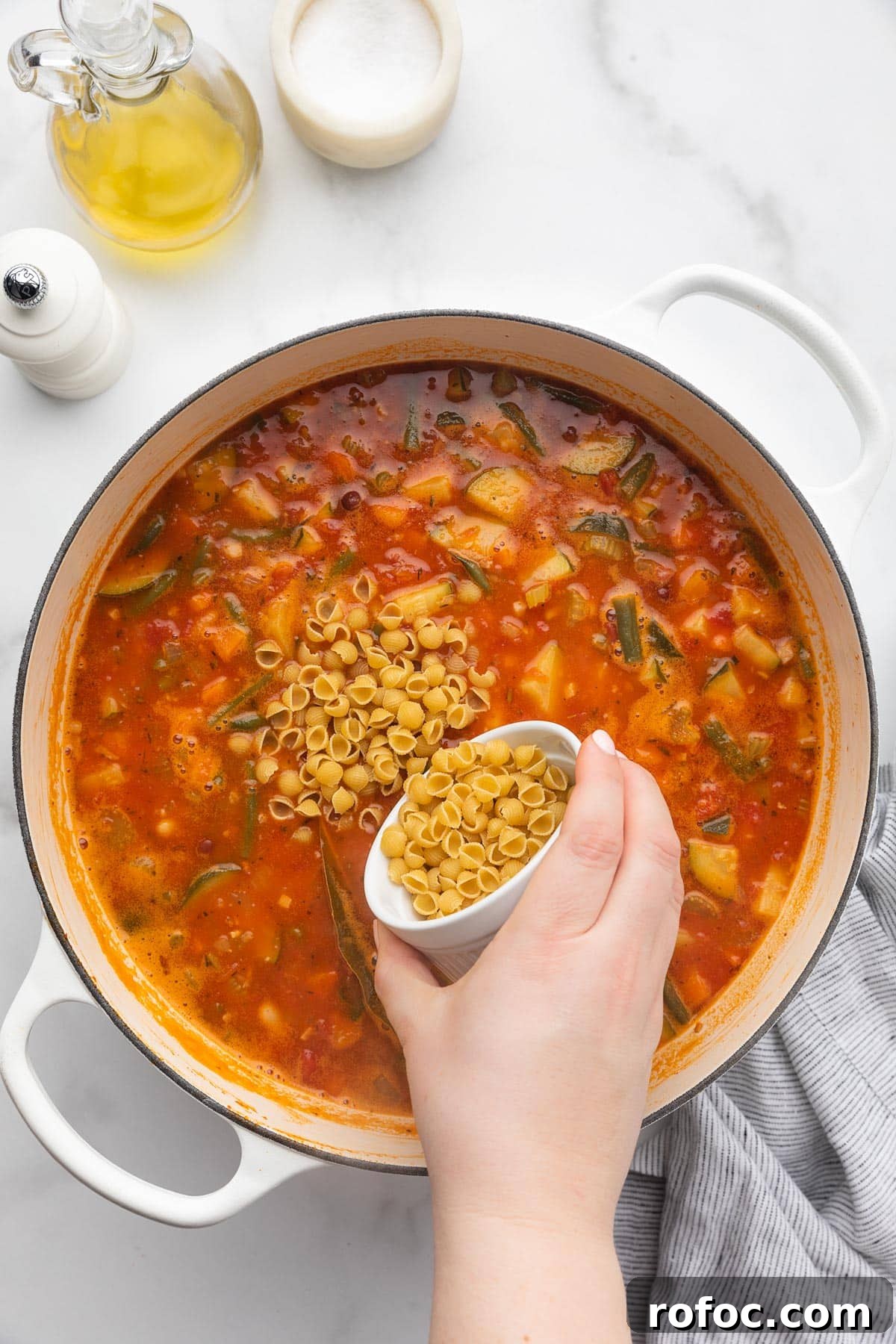
Tip: The pasta amount looks small for a large pot because you don’t want the soup to become too pasta-heavy. Pasta will also continue absorbing liquid after cooking.
Step 4: Finish the Soup
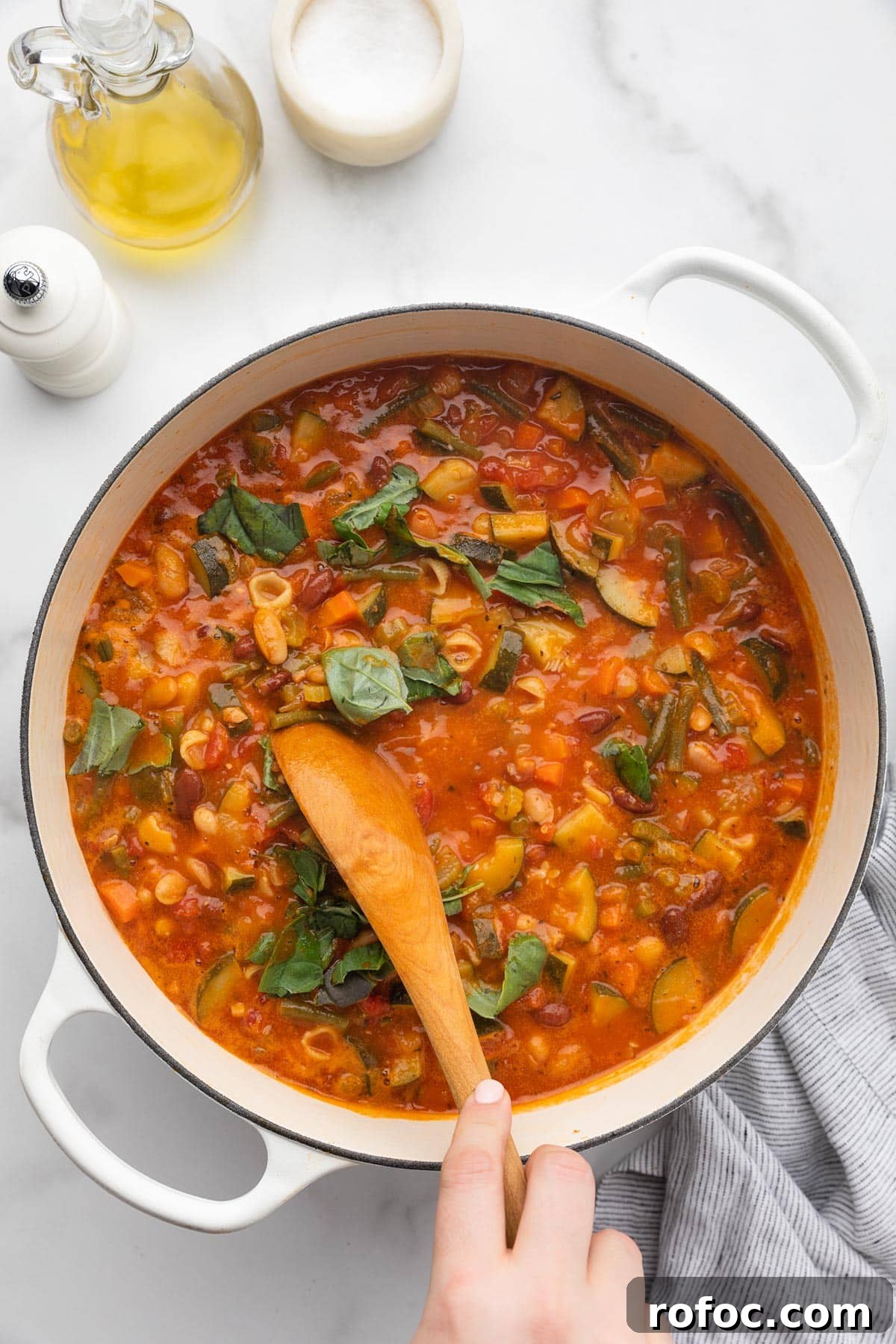
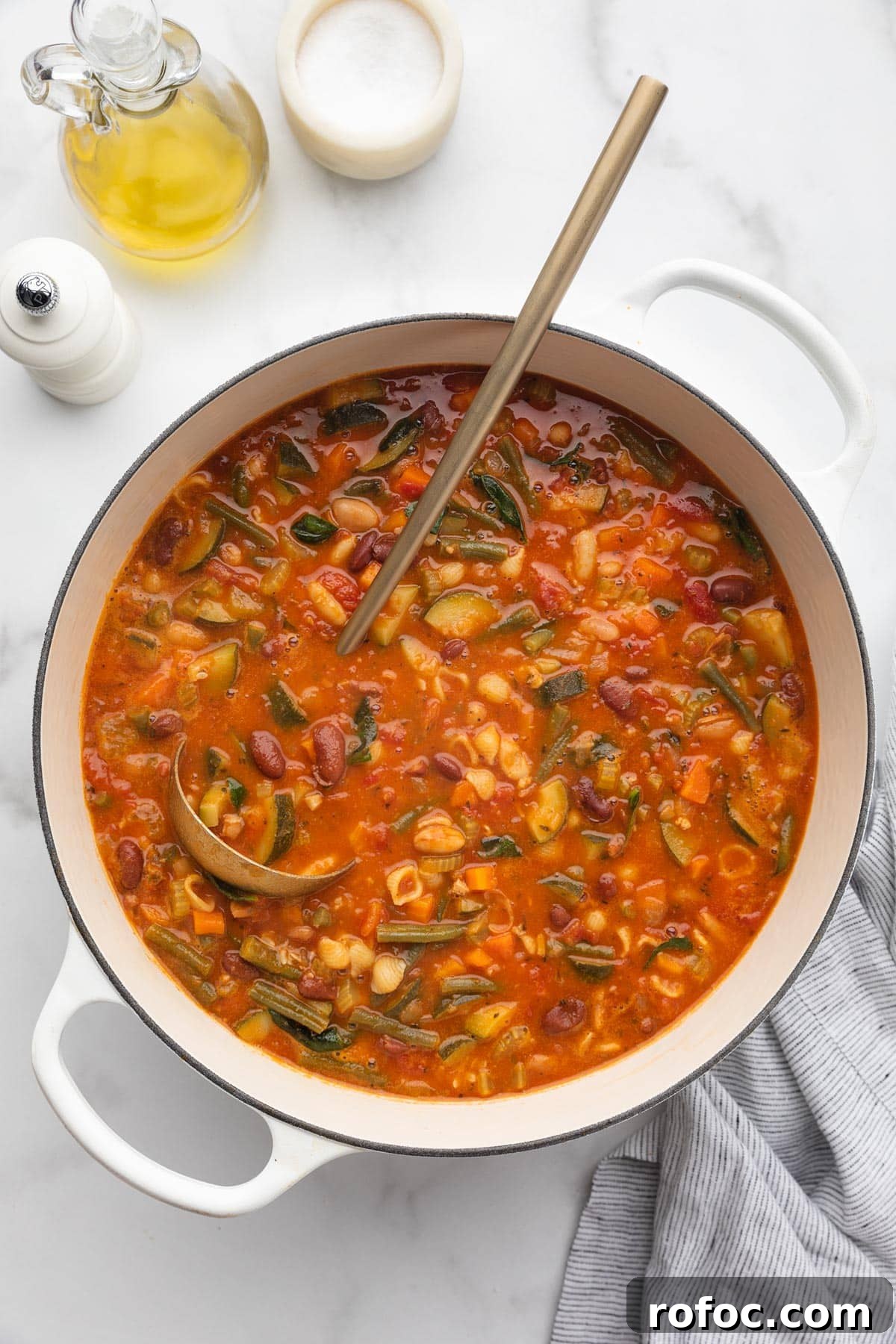
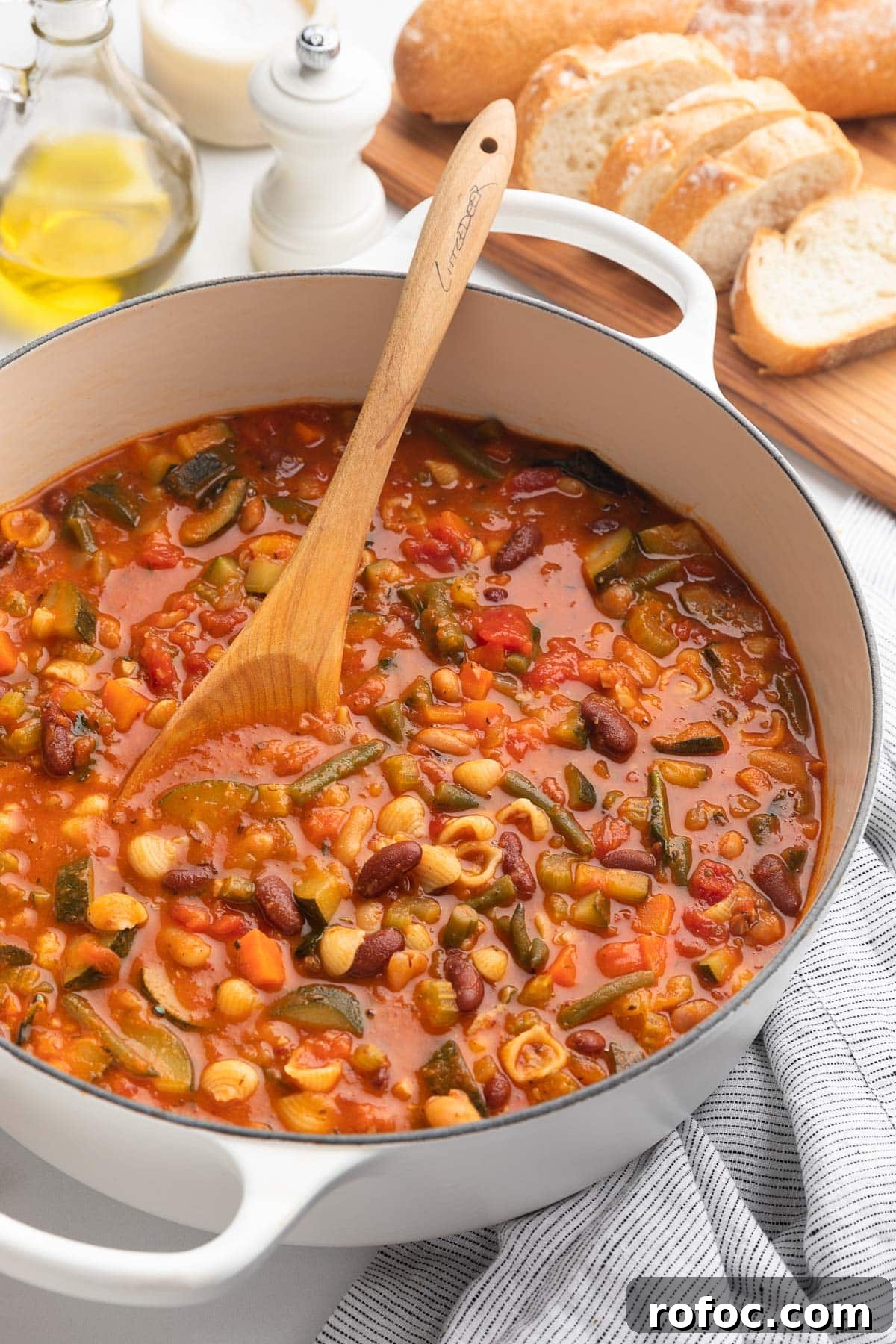
When the pasta is cooked, remove and discard the Parmigiano rind and bay leaf. Assess the broth’s texture—add additional stock 1/2 cup at a time if the soup is thicker than you prefer. The pasta and beans vary in how much liquid they absorb, so you may need more or less than the photos show.
Adjust the seasoning
Taste and adjust with salt and pepper as needed. Tear 6–8 fresh basil leaves by hand and stir them in just before serving so they wilt gently and release their aroma.
Variations
Minestrone is highly customizable. Swap or add vegetables and beans depending on seasonality and what’s in your pantry.
- Leafy greens: Stir in 2 cups chopped greens. Baby spinach only needs 1–2 minutes; kale, chard, or escarole take 5–7 minutes to wilt.
- Cabbage: Thinly slice 2 cups of green or savoy cabbage and add with the vegetables and broth in the first simmer stage.
- Peas or corn: Add fresh or frozen with the pasta.
- Summer squash: Substitute yellow squash for some or all of the zucchini without changing the cooking time.
- Potatoes: Add peeled, diced Yukon Gold, russet, or sweet potatoes (1/2-inch cubes) during the first simmer for a heartier soup.
- Butternut squash: Dice peeled squash into 1/2-inch cubes and add during the initial simmer.
- Other beans: Use navy beans, chickpeas, borlotti, or dark red kidney beans depending on preference.
When you add starchier vegetables like potatoes or squash, consider reducing the bean quantity so the soup doesn’t become overly dense. Keep extra broth on hand to adjust consistency as needed.
Serving Tips
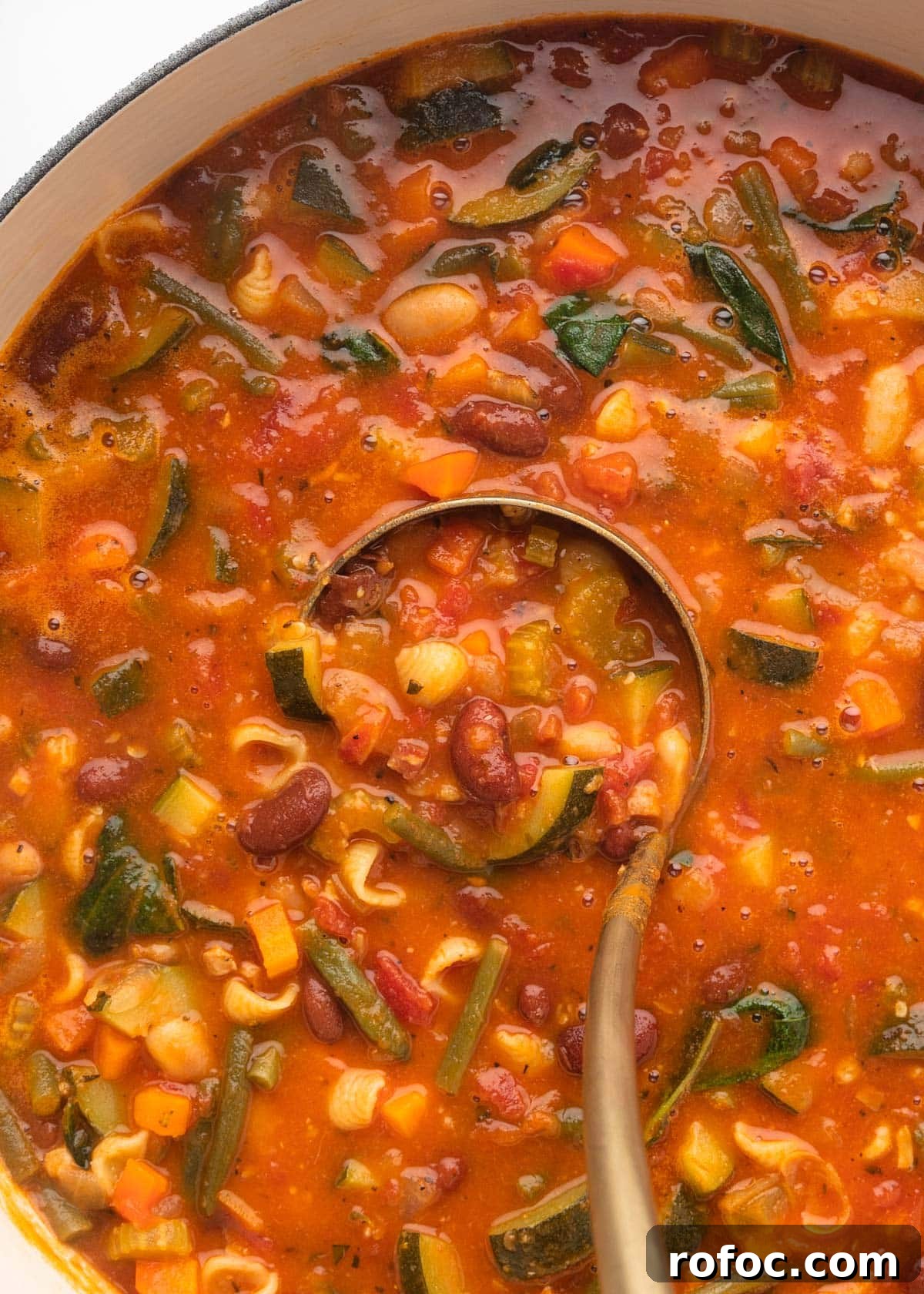
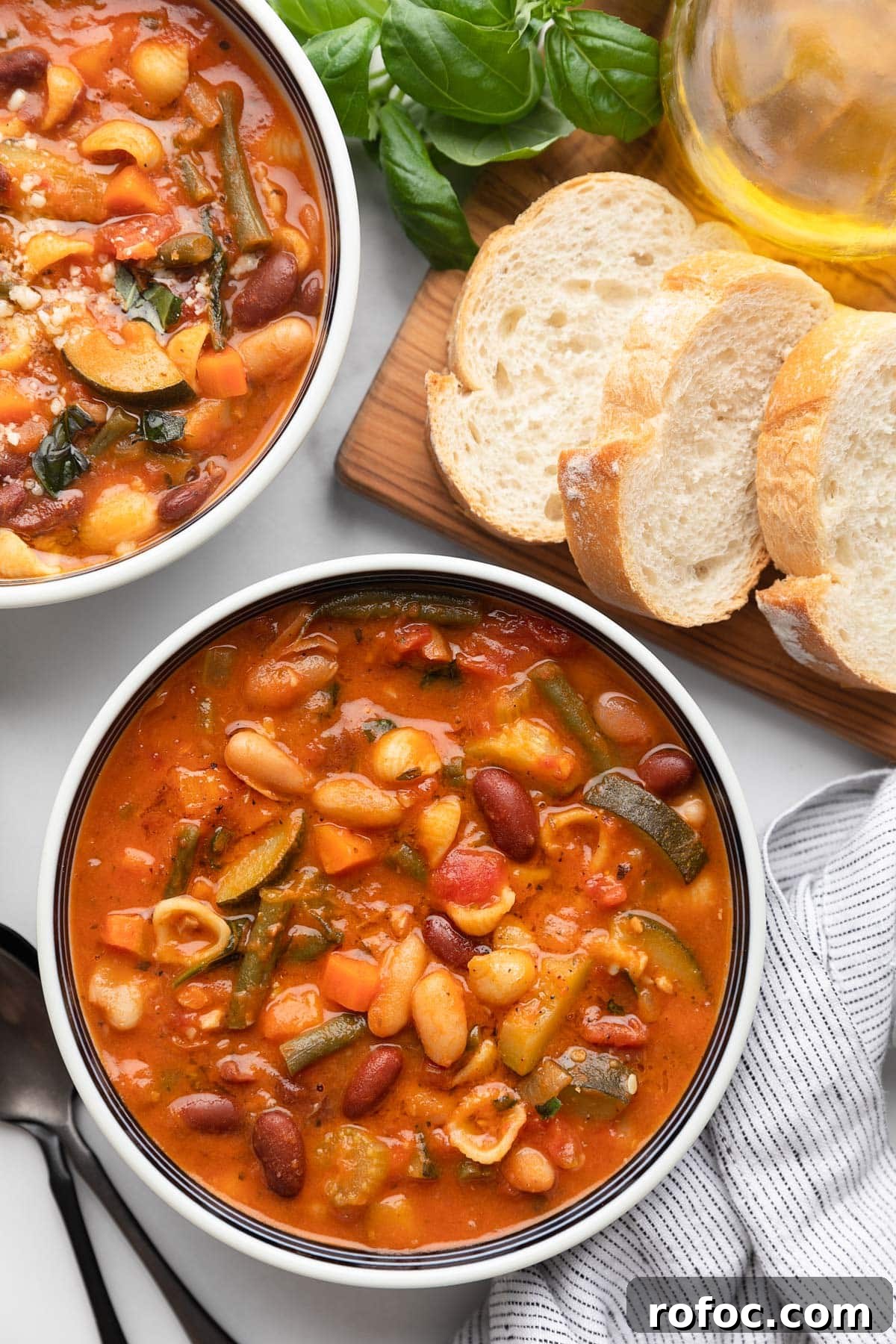
Ladle the hot soup into bowls and finish with a drizzle of extra virgin olive oil, a generous sprinkle of freshly grated Parmigiano Reggiano, and a few grinds of black pepper. For extra brightness, swirl in a spoonful of basil pesto. For heat, add crushed red pepper flakes.
Serve with warm crusty Italian bread for dipping, or top with garlic croutons for crunch.
Storing & Reheating Minestrone Soup
Store leftovers in an airtight container in the refrigerator for up to 4 days. The flavors often deepen overnight, but the soup will thicken as the pasta and beans absorb liquid. When reheating, add extra broth or stock to reach the desired consistency and taste again for seasoning.
Make-Ahead Tip
If you plan to serve the soup later, cook the pasta separately and add it just before serving to prevent it from becoming mushy.
- Cook the pasta in broth or stock for extra flavor, then cool and toss with a little olive oil before storing.
- Store pasta in an airtight container in the fridge and add to reheated soup when serving.
More Hearty Soup Recipes
- Split Pea Soup with Ham
- Italian Wedding Soup
- Jambalaya Soup
- Creamy Sausage Tortellini Soup
- Broccoli Cheddar Soup
Craving more? Explore other soup recipes to find more comforting, hearty meals.

Minestrone Soup
Ingredients
- 4 ounces pancetta , diced small (about 1/8–1/4 inch)
- 2 tablespoons olive oil , plus more if needed
- 1 cup yellow onion , chopped
- 1 cup carrots , diced
- 1 cup celery , sliced
- 2 teaspoons minced garlic
- 1 teaspoon fresh rosemary
- 1 teaspoon fresh thyme
- 1 teaspoon dried Italian seasoning
- 28 ounce can whole plum tomatoes , crushed
- 15 ounce can cannellini beans , rinsed and drained
- 15 ounce can light red kidney beans , rinsed and drained
- 2 cups quartered zucchini
- 1 cup cut green beans
- 6 to 8 cups reduced-sodium chicken or vegetable broth
- 1 large bay leaf
- 1 Parmigiano Reggiano rind
- ⅔ cup miniature shell pasta
- kosher salt and freshly ground black pepper
- grated Parmigiano Reggiano, for serving
Instructions
-
In a large, heavy pot, add the olive oil and pancetta before heating. Place over medium heat and cook 3–4 minutes until the pancetta renders fat and softens.
-
Add the onions, celery, and carrots with 1/2 teaspoon kosher salt and a pinch of black pepper. Cook 10–12 minutes until the vegetables are tender but not caramelized.
-
Stir in garlic, rosemary, thyme, and Italian seasoning. Cook about 1 minute until fragrant.
-
Add the crushed tomatoes and their juices, then the cannellini beans, kidney beans, zucchini, and green beans.
-
Pour in 6 cups of broth, add the bay leaf and Parmigiano rind, and stir to combine.
-
Bring to a boil, cover, and reduce heat to a gentle simmer. Cook covered for 20–25 minutes until vegetables are tender, stirring occasionally.
-
Uncover and add the pasta. Simmer uncovered for about 10 minutes until the pasta is tender, stirring occasionally.
-
Remove the Parmigiano rind and bay leaf. If the soup is too thick, add broth 1/2 cup at a time until desired consistency is reached.
-
Taste and adjust seasoning. Stir in torn basil leaves until just wilted. Serve hot with a drizzle of olive oil, grated Parmigiano, and crusty bread.
Notes
Pancetta (Vegetarian Option): Omit the pancetta and add 1–2 extra tablespoons olive oil when sautéing the vegetables.
Sautéing the Aromatics: If the mirepoix begins to stick, add a little olive oil to prevent burning.
Zucchini: Cut into 1/4-inch rounds then quarter; for larger zucchini, chop into larger pieces so they cook evenly.
Green Beans: Use fresh or frozen cut green beans; frozen can be added directly without thawing.
Broth/Stock: Start with 6 cups and keep up to 8 cups available to adjust thickness. Prefer moderate-sodium broth to avoid an overly salty soup.
Nutrition Estimate
Nutrition information is automatically calculated and should be used as an approximation.
Recipes use US Customary measurements and have not been adapted for high altitude cooking.