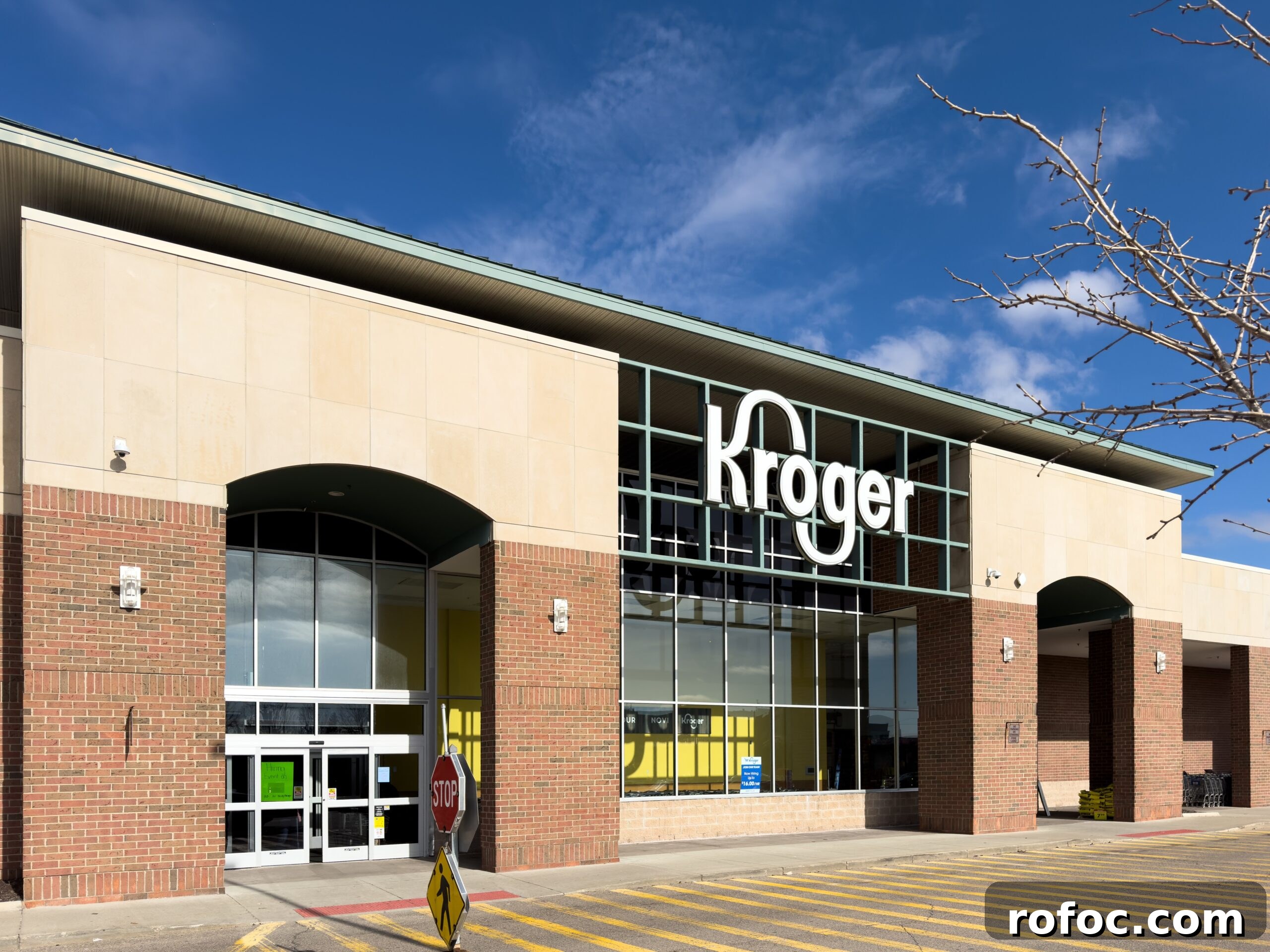
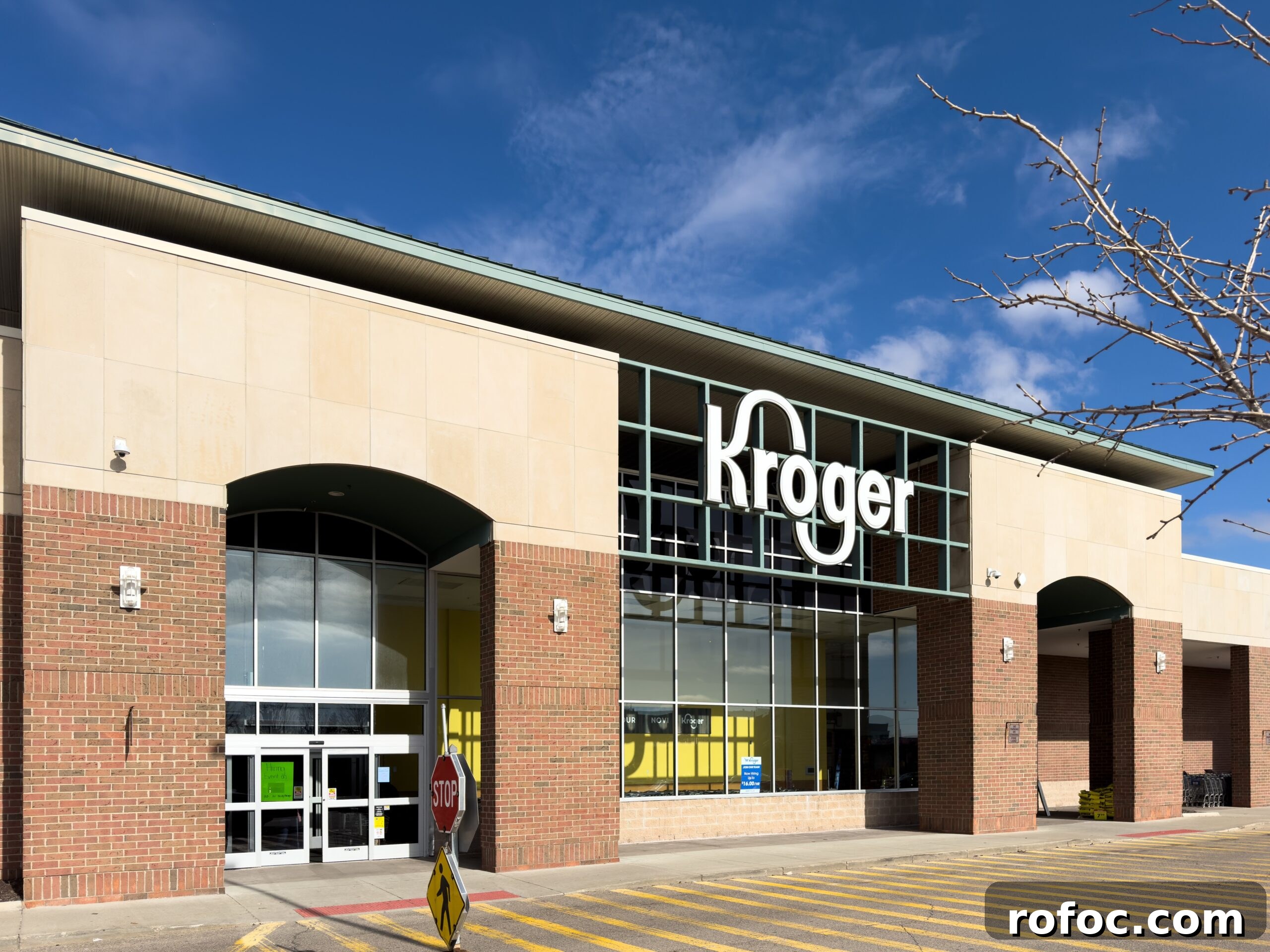
Kroger, one of the largest supermarket chains in the United States, has begun implementing a plan to close dozens of underperforming stores across the country. The company says the move is part of a broader effort to streamline operations and strengthen profitability, and California is among the first states affected.
Why Kroger is closing stores
In 2024 Kroger announced it would shutter roughly 60 underperforming locations over an 18-month period. Leadership says the closures are intended to cut costs, concentrate investment in higher-performing stores, and improve long-term operational efficiency. The company is prioritizing locations that have consistently failed to meet financial targets.
Executives have framed the program as a way to reallocate capital and labor toward stores and initiatives with stronger growth prospects, while reducing the burden of maintaining sites that drag on overall performance.
California already hit by multiple store closures
Recent WARN filings show that three Kroger-owned stores in California are scheduled to close this month, impacting a total of 171 employees. Two of those locations operate under the Foods Co. banner: a Fresno store and a Sacramento store, both set to close on March 14 and eliminating 49 and 58 jobs respectively. A third closure, a Food 4 Less in Inglewood, is expected to occur on March 28 and will affect 64 employees.
Community members and workers at the affected stores have expressed concern about job losses and the disruption to local grocery access. Kroger has indicated it will offer standard transition support where applicable, but specifics vary by location and are typically handled locally.
Broader industry pressures behind the moves
The grocery sector has faced intense competitive pressure in recent years, with retailers competing aggressively on price while contending with higher labor, supply chain, and operating costs. Those dynamics have strained margins industry-wide and forced many chains to reassess their physical footprints.
Compounding Kroger’s challenges was a costly, failed merger attempt with another major grocer in 2024 that the company says resulted in significant expenses. Leadership has said these strains reinforced the decision to focus on a leaner, more profitable store base.
More closures could follow
Kroger has not published a comprehensive list of all locations it may close, so additional store announcements are possible as the company continues evaluating its portfolio. Analysts say the chain will likely target sites with weaker sales, overlapping trade areas, or properties with high operating costs.
For communities and employees affected, the immediate concern is job displacement and reduced access to nearby grocery options. For Kroger, the goal is to emerge with a more efficient network of stores positioned for sustainable performance. As the company proceeds with its restructuring plan over the next months, further developments and additional store closings may be announced.