
Soft, tender and buttery, these mini cream scones come out of the oven in about 45 minutes and freeze beautifully. Their small size makes them ideal for afternoon tea or a brunch spread. If you’re new to baking scones, this post includes clear tips and step-by-step photos to guide you through the process.

Soft and buttery
If you preheat the oven now, in under an hour your kitchen can be filled with the warm aroma of freshly baked cream mini scones beside your mug of tea or coffee. Rich and buttery, these scones are more tender than classic English-style raisin scones, which typically use less butter.
Growing up, freshly baked scones were often part of our tea-time traditions, and that’s how I became a devoted scone baker and eater. This mini cream scone recipe is versatile: I’ve made an orange version, but it also works as a base for lemon zest, vanilla, a pinch of cinnamon or other mild spices.
How to serve mini scones
- Warm: If you aren’t serving immediately, warm them for a few minutes in the oven so they stay soft and tender.
- Soft butter: A pat of butter on a warm scone transforms the flavor.
- Clotted cream: The classic English way to enjoy scones.
- Fruit jam and butter: Simple and perfect for afternoon tea, breakfast or brunch.
- Small sandwiches: Try ham and cheese, smoked salmon with sour cream and dill, or roasted tomatoes with mozzarella and basil.

Tips for scones and biscuits
- Baking powder: Essential for rise — make sure it’s fresh.
- Very cold ingredients: Use very cold butter and keep milk and cream refrigerated until needed. I cut the butter into small pieces and chill them briefly before mixing.
- Don’t overwork the dough: Mix just until it comes together; some floury patches are fine and help create flakiness. Overworking makes tough scones.
- High oven temperature: These scones benefit from a relatively hot oven so they rise quickly. If your oven isn’t at temperature when the scones are cut, chill the baking sheet in the fridge or freezer for 10–15 minutes to keep the butter cold until the oven is ready.

Steps to make scone dough
Scones use simple ingredients, but a few techniques will help you get soft, tender results with good rise.
The first stage can be done by hand or in a food processor.
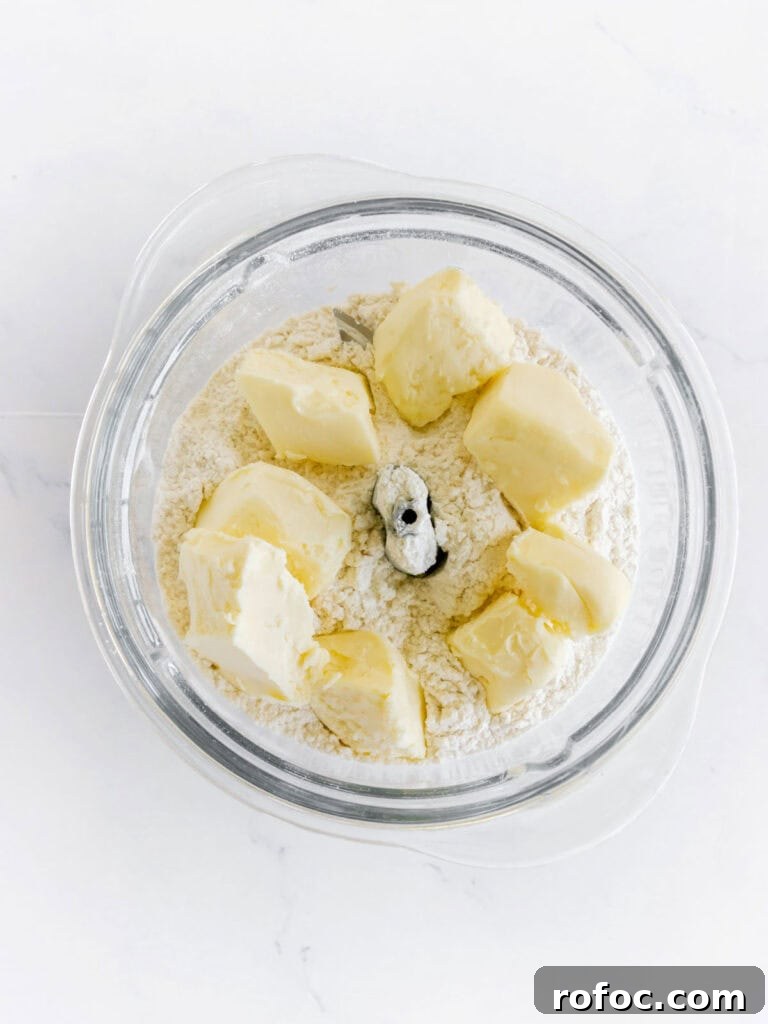
Food processor
Place the flour and dry ingredients in the food processor and pulse briefly to combine. Scatter the cold butter pieces over the mixture and pulse a few times until the butter pieces are about the size of peas. The mixture should be irregular; don’t overprocess.
This method is particularly convenient for larger batches or when you have a roomy processor.
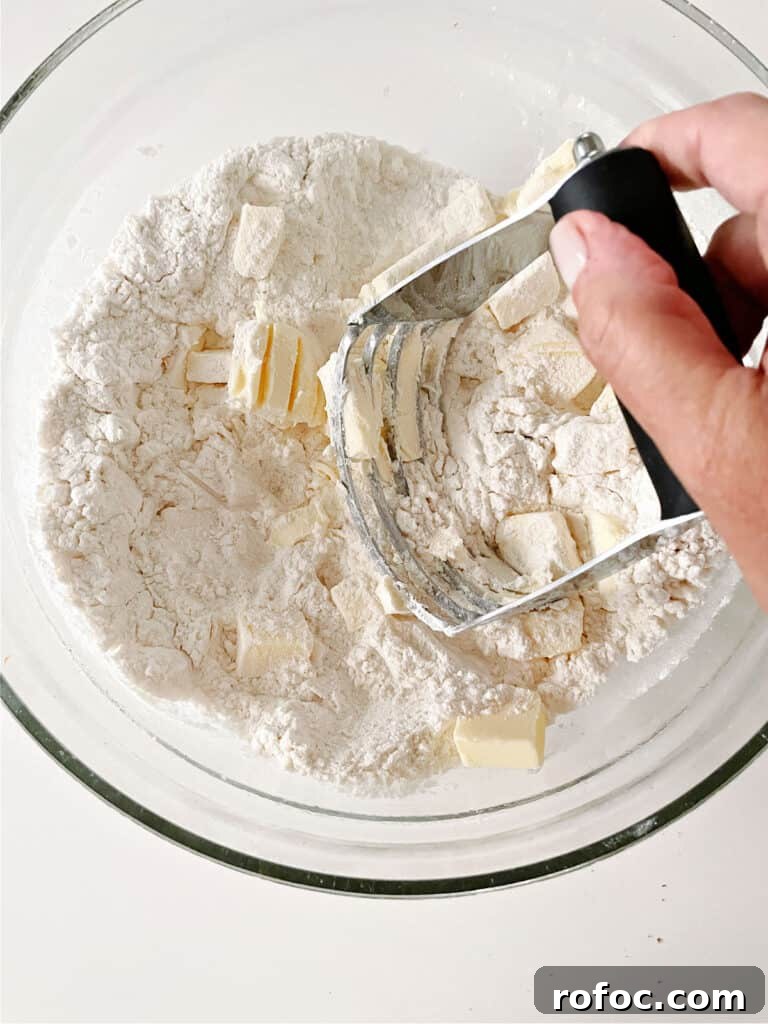
By hand
In a large bowl, stir the dry ingredients then scatter in very cold butter cut into small pieces. Cut or rub the butter into the flour until the mixture resembles coarse crumbs. Working by hand takes a bit longer, so keeping the butter cold is important.
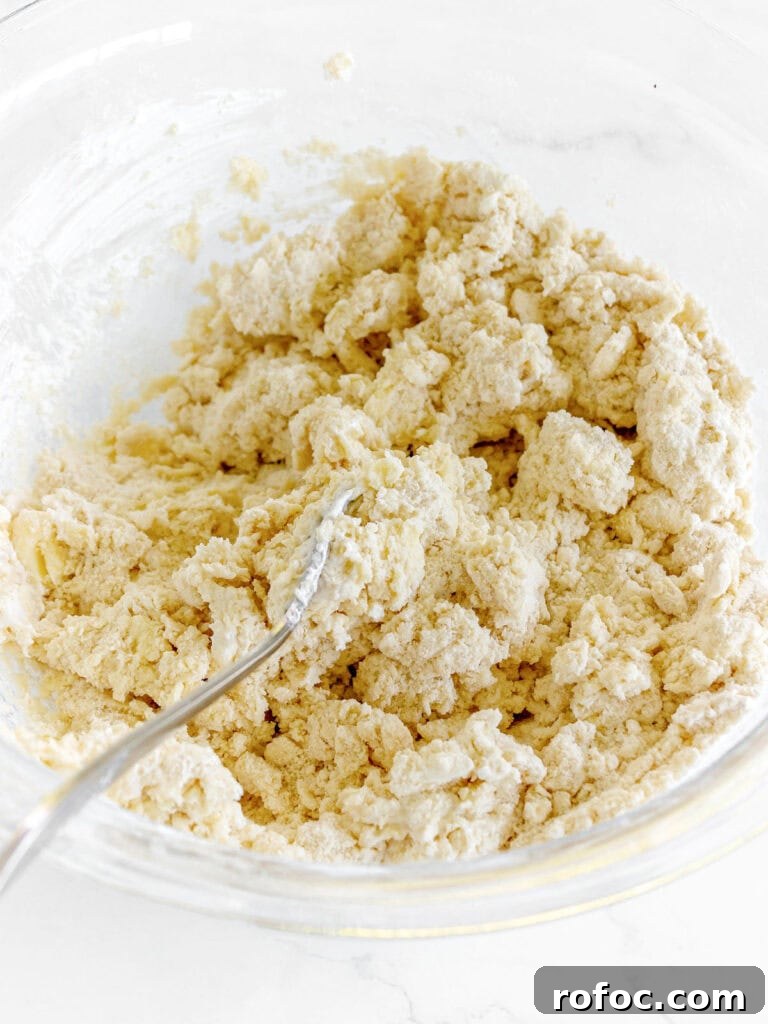
Transfer to a bowl
Whether you used a processor or mixed by hand, transfer the crumbly mixture to a bowl and add the cold liquid. Stir quickly with a fork just until the dough barely holds together. Avoid overmixing.
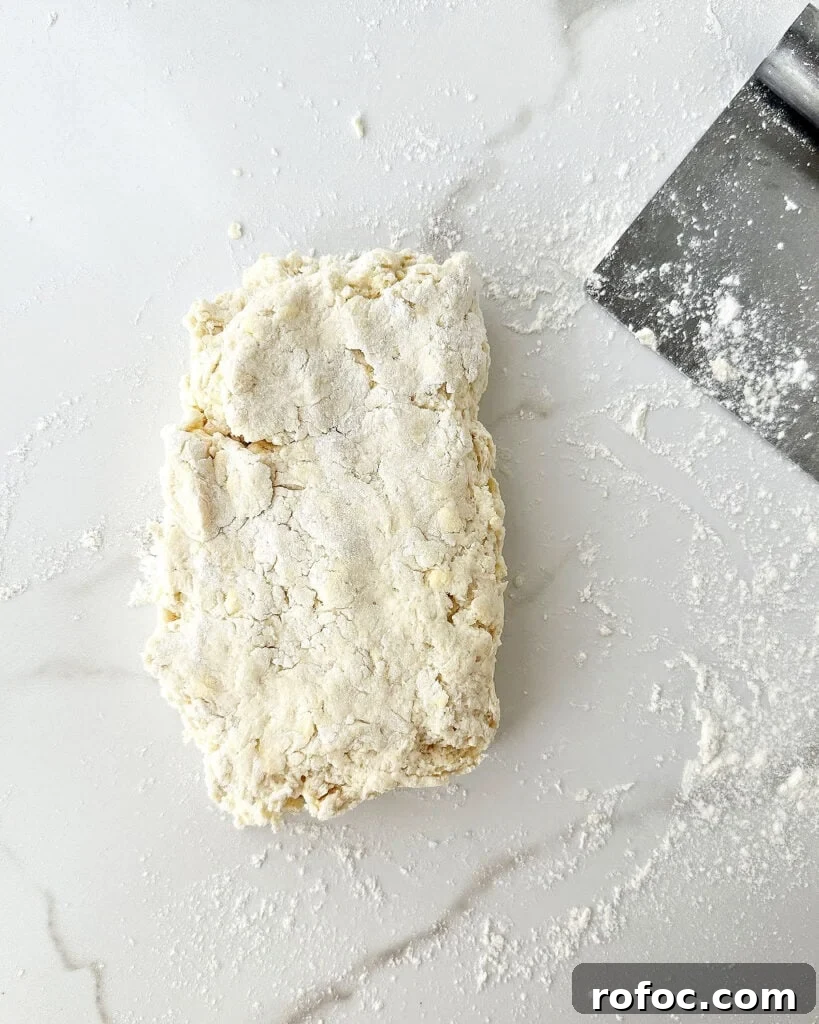
Form a rough rectangle
Turn the dough onto a lightly floured surface and shape it quickly into an irregular, rustic rectangle or disk. Use a bench scraper if you have one. Keep the dough slightly rough—overworking will reduce tenderness.
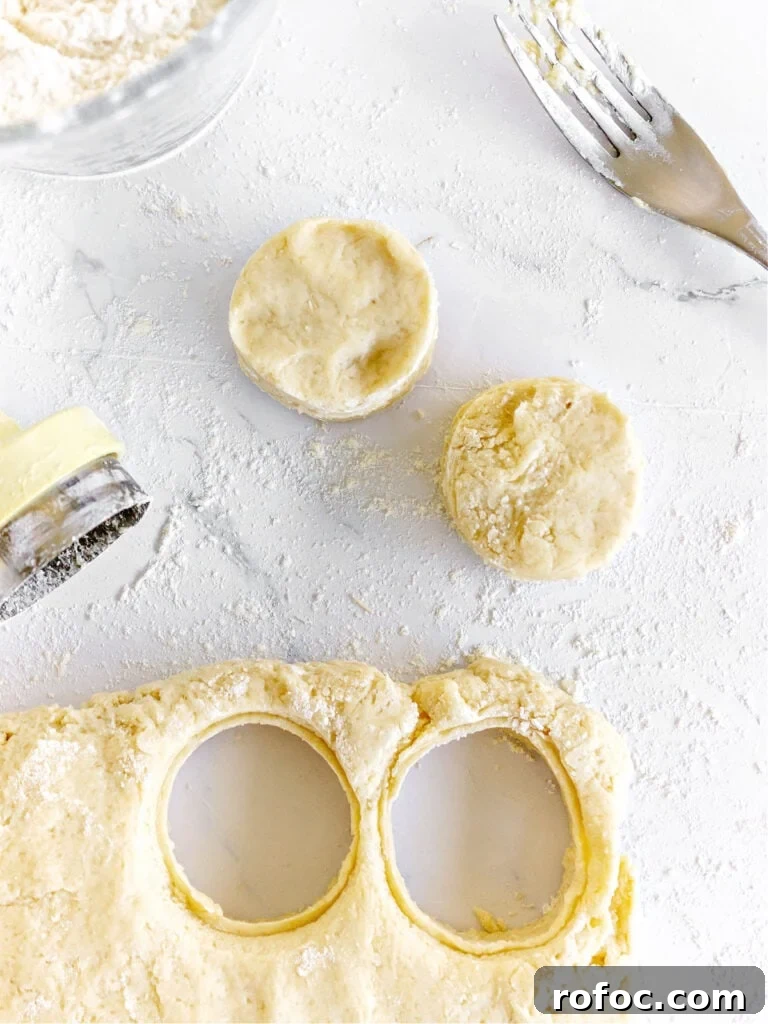
Cutting rounds
Gently roll the dough to about 1 to 1.5 inches thick; avoid pressing too hard. Use a small round cutter for mini scones (about 1.57 inches / 4 cm is a common size) or cut small triangles with a sharp knife to minimize scraps.
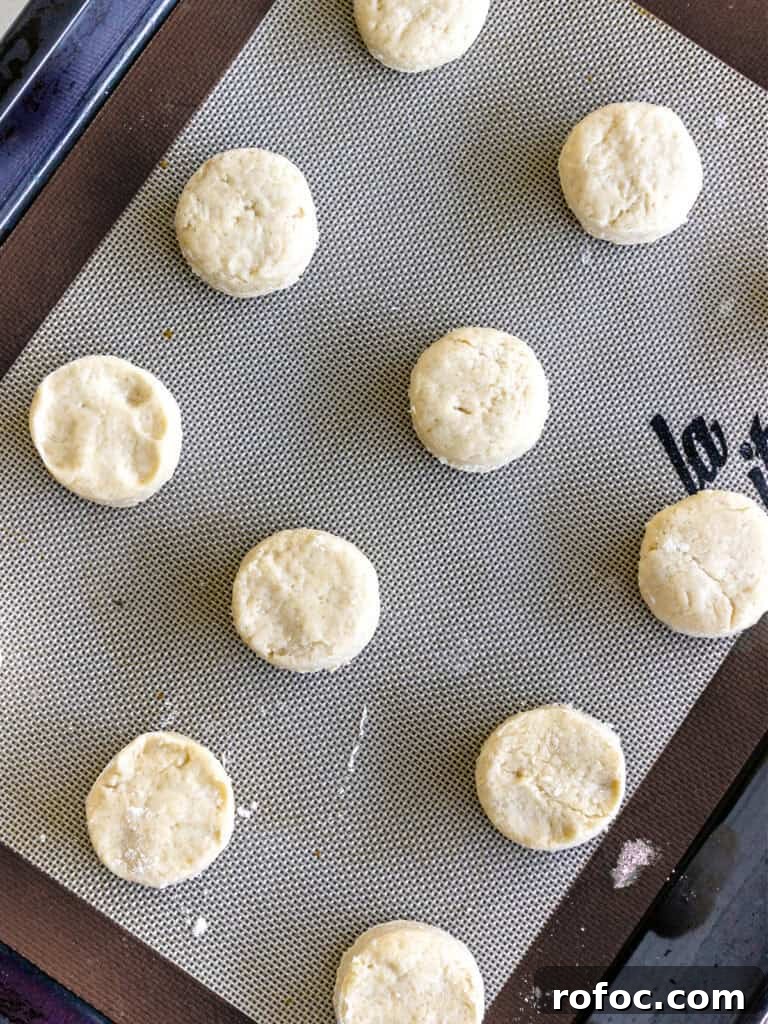
Baking
Arrange the rounds with space between them so they can expand. Line the baking sheet with parchment or a silicone mat, or bake directly on a clean tray—these scones generally won’t stick.
Brush the tops lightly with cream or milk and sprinkle with turbinado or granulated sugar for a crunchy top.
Storing
- Room temperature: Store cooled scones in an airtight container for one to two days. Warm briefly in the oven before serving to restore tenderness.
- Freezing: Arrange cut scones on a baking sheet and freeze until solid, then transfer to a freezer-safe bag or container for up to two months. Bake from frozen as directed when you want a few fresh scones.
This is one of my favorite scone recipes, adapted from Nancy Silverton, one of my most admired bakers.

If you try this recipe and enjoy it, leave a comment or a rating. If you have any issues, share them so we can troubleshoot together.
As an Amazon Associate, the author may earn from qualifying purchases.

Mini Cream Scones (soft and buttery)
Ingredients
- 2 ¼ cups all-purpose flour
- ⅓ cup sugar, plus extra for sprinkling
- 1 tablespoon baking powder
- ⅛ teaspoon salt
- 6 ounces unsalted butter, cut into 1-inch cubes and nearly frozen
- ¼ cup whole milk, very cold
- ½ cup heavy cream, very cold, plus extra for brushing
Instructions
-
Preheat oven to 350ºF (180ºC).
-
Grease or line two baking sheets with parchment.
-
In a food processor combine the flour, sugar, baking powder and salt and pulse briefly to mix.
-
Scatter the cold butter over the dry mixture and pulse until the butter pieces are pea-sized. If working by hand, cut the butter into the flour until coarse crumbs form.
-
Transfer the mixture to a large bowl, add the cold milk and cream, and stir quickly with a fork until most of the flour is moistened.
-
Turn the dough onto a counter and give it a few quick folds to avoid large dry patches. Some dry bits are fine; avoid overhandling.
-
Pat the dough to a thickness of about 1 to 1.5 inches.
-
Use a small round cutter (or a knife for triangles), dipping it in flour as needed, and arrange the cut scones on the prepared sheets.
-
Brush the tops lightly with extra cream and sprinkle with sugar.
-
Bake for about 20 minutes, until puffed and golden. Check one scone to ensure the interior is fully baked and dry, not wet.
-
Serve warm. Store leftovers in an airtight container and reheat briefly before serving.
Notes
Very cold ingredients: Keep butter, cream and milk refrigerated until use.
Don’t overwork the dough: A slightly shaggy dough with dry patches yields flakier, tender scones.
Freezing: Freeze cut scones on a tray until solid, then transfer to a freezer bag for up to two months. Bake from frozen as directed.
Citrus variation: Add lemon or orange zest to the dry ingredients before adding the liquid for a bright flavor.
Adapted from Pastries from the La Brea Bakery by Nancy Silverton