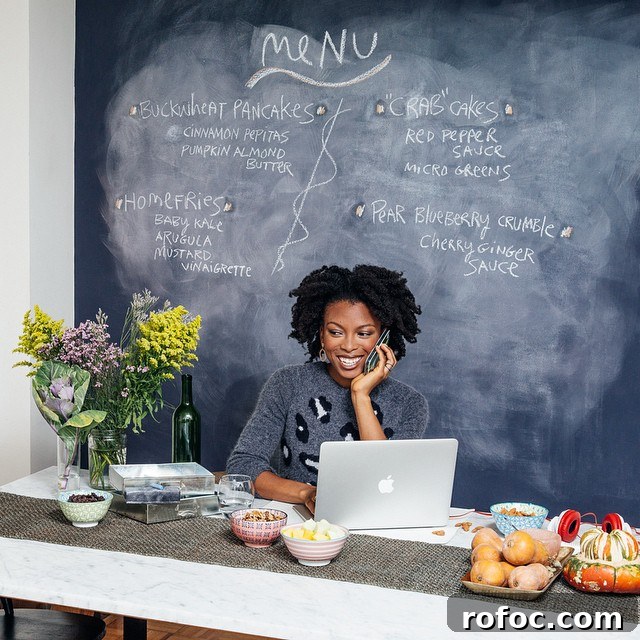
Three years into my career as a personal chef, I still get asked weekly for advice from readers who want to build a similar path. It’s inspiring to see others discover a passion for plant-based cooking and consider turning it into a profession. Becoming a personal chef is a practical business opportunity with low startup costs and clear potential for growth. You decide your clients, rates, schedule, and how you deliver your service.
When I started my business I reached out to many vegan private chefs with questions: How should I price services? What containers work best? How do I find clients? I even interned for a personal chef in New York City to gain hands-on experience. While research and mentorship helped, most learning came from actually doing the work. You’ll learn on the job and refine your process as you go.
Below I answer the most common questions I receive from people who want to become personal chefs. I built my own company, but if entrepreneurship isn’t your goal you can work for established chef services or domestic agencies. If you have additional questions, leave them in the comments and I’ll respond.
Keep in mind: as an entrepreneur your role is to deliver value to clients. Beyond that, you set the rules and shape your business to suit your goals.
What do you offer?
My business, The Nourishing Vegan, provides weekly meal prep, private dinners, cooking classes, and health coaching. The most common service is weekly meal preparation: I create a menu tailored to a client’s needs, do the shopping, cook in their home, clean the kitchen, and leave the refrigerator stocked with balanced vegan meals for lunch and dinner.
Should I go to culinary school?
That depends on your current skill level, budget, and whether formal instruction will give you confidence. Culinary school is not required to be a professional chef. I chose not to attend due to cost and because I was already a competent self-taught cook. Most clients care about results, not credentials.

Are there training courses I should take?
Instead of culinary school I completed a year-long nutrition course at the Institute for Integrative Nutrition. That training helped me design menus tailored to clients’ health goals. I also recommend business programs like the 90 Day Year for entrepreneurs who need structure for planning and goal-setting. Choose courses that fill gaps—nutrition, business planning, or food safety—depending on your needs.
How do I find clients?
Start by defining your ideal client. For example, a busy, health-minded working parent living in an affluent neighborhood suggests outreach opportunities like yoga studios, pediatrician referrals, school parent groups, or local salons. Offer cooking demos, sampling events, or referral deals. The first client is often the hardest to find; once you have a satisfied customer referrals usually follow.
Do I need insurance?
Yes. Liability insurance protects you and your clients if something goes wrong while cooking in someone’s home or if a client becomes ill from food. I use a general liability policy that covers in-home work and events. Insurance is a small cost compared with the protection it provides.
Should I have a written agreement with my clients?
It’s wise to put expectations in writing. I don’t require clients to sign contracts for regular cooking clients, but I always follow up phone conversations with an email recap that outlines the services, menu, and logistics. For larger events or ongoing packages consider a simple written agreement to avoid misunderstandings.
How much should I charge?
Pricing depends on location, local market rates, and your costs (transportation, supplies, time, possible assistant pay). Research other chefs in your area to set competitive rates. I prefer a flat fee rather than hourly pricing—my baseline starts at $350 plus groceries. When starting out, offer a few discounted jobs in exchange for experience and testimonials.
How do I get paid?
Accept the payment methods that suit you and your clients: cash, check, or card. Card processors like PayPal and Square charge fees; many chefs prefer cash or check to avoid processing costs. Decide on a method that keeps your accounting clean and convenient for clients.
Should I take a deposit?
Yes. I request a deposit from new clients—typically half the fee—collected via an online payment system. This secures the booking and reduces last-minute cancellations.
Do I need a cancellation policy?
Yes. A clear cancellation policy protects your time and income. My policy requires 48 hours’ notice; cancellations within that window forfeit the deposit. A written policy should be communicated before bookings are confirmed.
How long will the food I cook last?
Shelf life depends on preparation. Cooked vegan meals can last up to seven days when stored properly; raw-prepared items typically keep for about two days. Label meals with recommended use-by order so clients eat items in the optimal sequence, and remind them to use clean utensils to avoid contamination that speeds spoilage.
Am I too young or old to do this?
Age is not the determining factor—skills, client service, and physical stamina matter more. Personal chef work can be physically demanding and involves long periods of standing, so plan accordingly.
Who made your business website?
I built my site myself using a drag-and-drop website builder. Platforms like Weebly or WordPress make it possible to create an attractive, functional site without advanced coding. If you use WordPress, pair it with reliable hosting and a customizable theme. If that feels overwhelming, a hosted builder is a simple alternative.
How do I get people to my website?
There are many ways to increase traffic. Paid search advertising can drive initial visitors, but organic search and SEO are more sustainable. Improve your site’s authority by earning backlinks from local blogs, directories, and partners. Consistent content, proper SEO practices, and being mentioned on other sites will help Google recognize your site as valuable over time.
How do I grow?
As demand increases, consider hiring other chefs to work under your brand, offering consistent menus and service standards while sharing revenue. You can also expand into meal delivery, catering, or classes. Build systems and train staff so your business can scale while maintaining quality.
Remember, if you have any more questions leave them in the comment section below 🙂