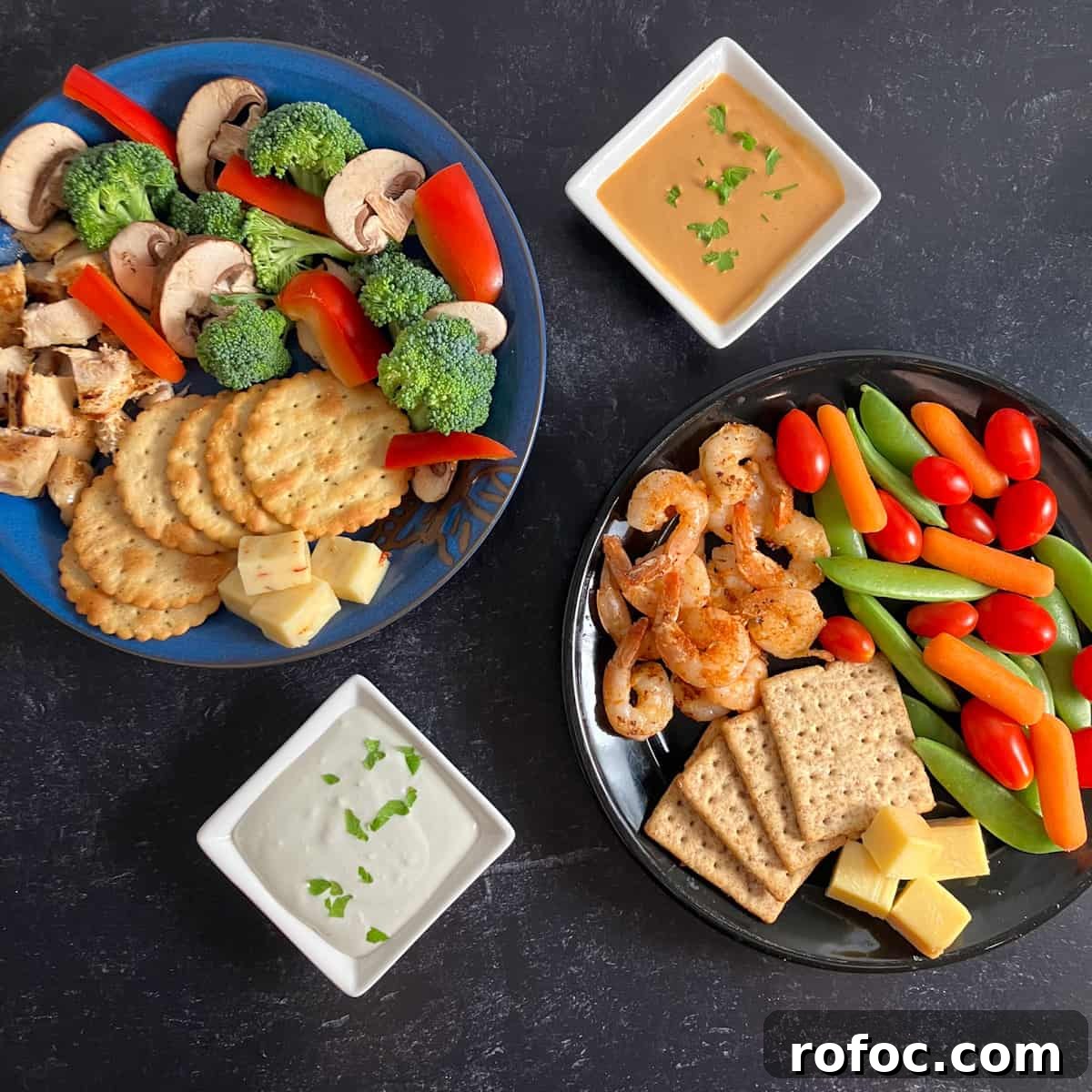
Get practical ideas for MyPlate meals and learn a simple formula to build a balanced plate based on the USDA MyPlate food guide. My MyPlate meal planning approach makes it quick to assemble a healthy breakfast, lunch, or dinner that includes the major food groups and the nutrients your body needs.
🍽️ What is the MyPlate food plan?
The MyPlate meal plan is a visual, easy-to-follow guide based on the USDA Dietary Guidelines. It focuses on eating a variety of nutrient-dense foods to support health and reduce the risk of diet-related disease.
Main recommendations:
- Make half your plate fruits and vegetables — prioritize whole fruits and a variety of vegetables; limit fruit juice.
- Make at least half your grains whole grains.
- Vary your protein sources — include plant and animal proteins for variety.
- Choose low-fat or fat-free dairy, or calcium-fortified alternatives like soy milk.
- Limit added sugars, saturated fat, and sodium.
The MyPlate approach emphasizes fiber-rich produce and lean protein and can be adapted for vegan, vegetarian, or gluten-free diets.
MyPlate is a flexible framework—your plate won’t look exactly like someone else’s, and that’s fine. Personal preferences, culture, and health needs shape what a balanced plate looks like for each person.
🍲 How do you make a MyPlate meal?
MyPlate meals include all five food groups. Portion needs vary by age, sex, height, weight, and activity level. Use the MyPlate framework to combine appropriate portions of:
- Fruits
- Vegetables
- Grains
- Protein
- Dairy or calcium-fortified alternatives
MyPlate Food Groups
On a 2,000-calorie example plan, daily targets often look like:
- 2 cups fruit
- 2½ cups vegetables
- 6 ounces grains (aim for whole grains when possible)
- 5½ ounces protein
- 3 cups dairy or equivalent calcium-fortified alternatives
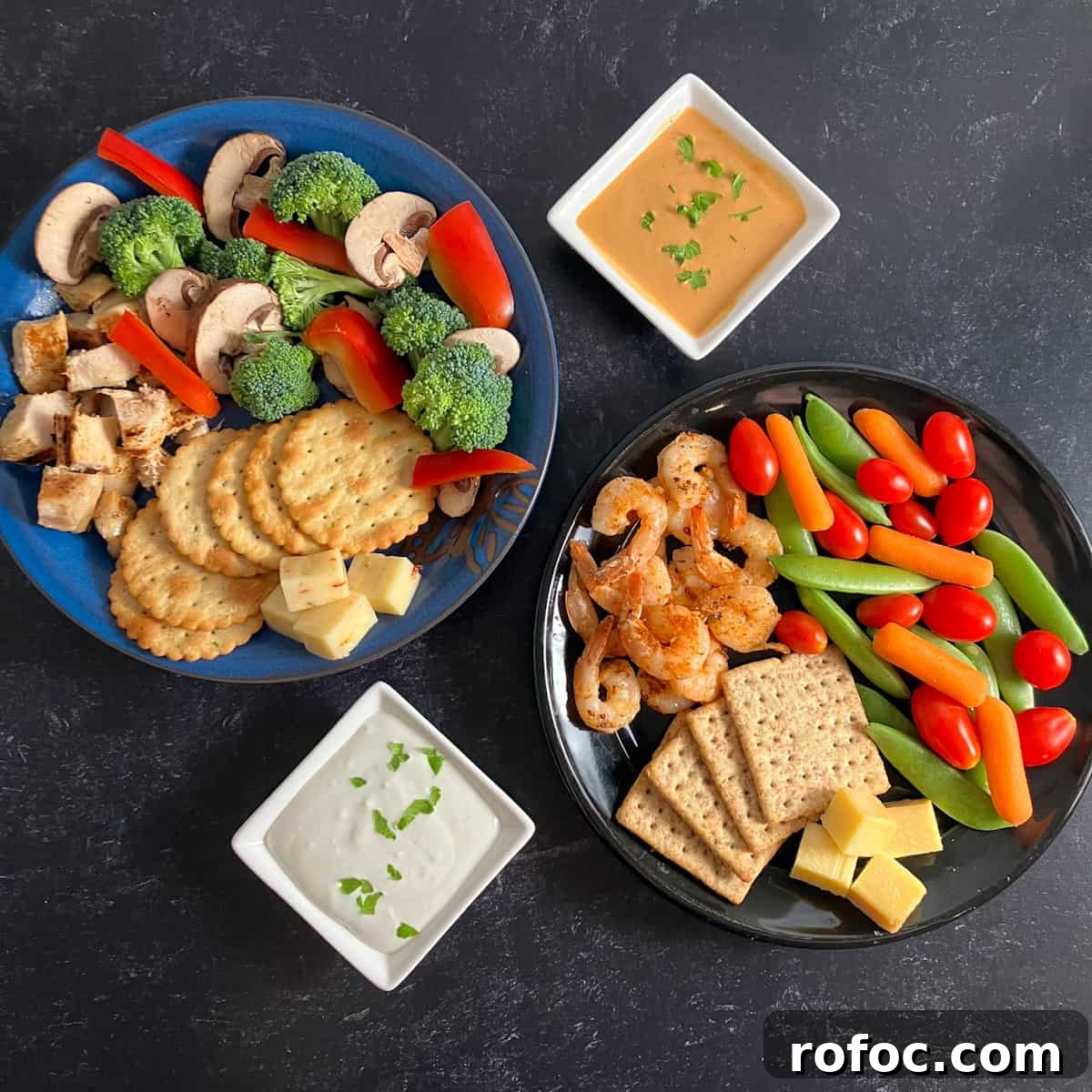
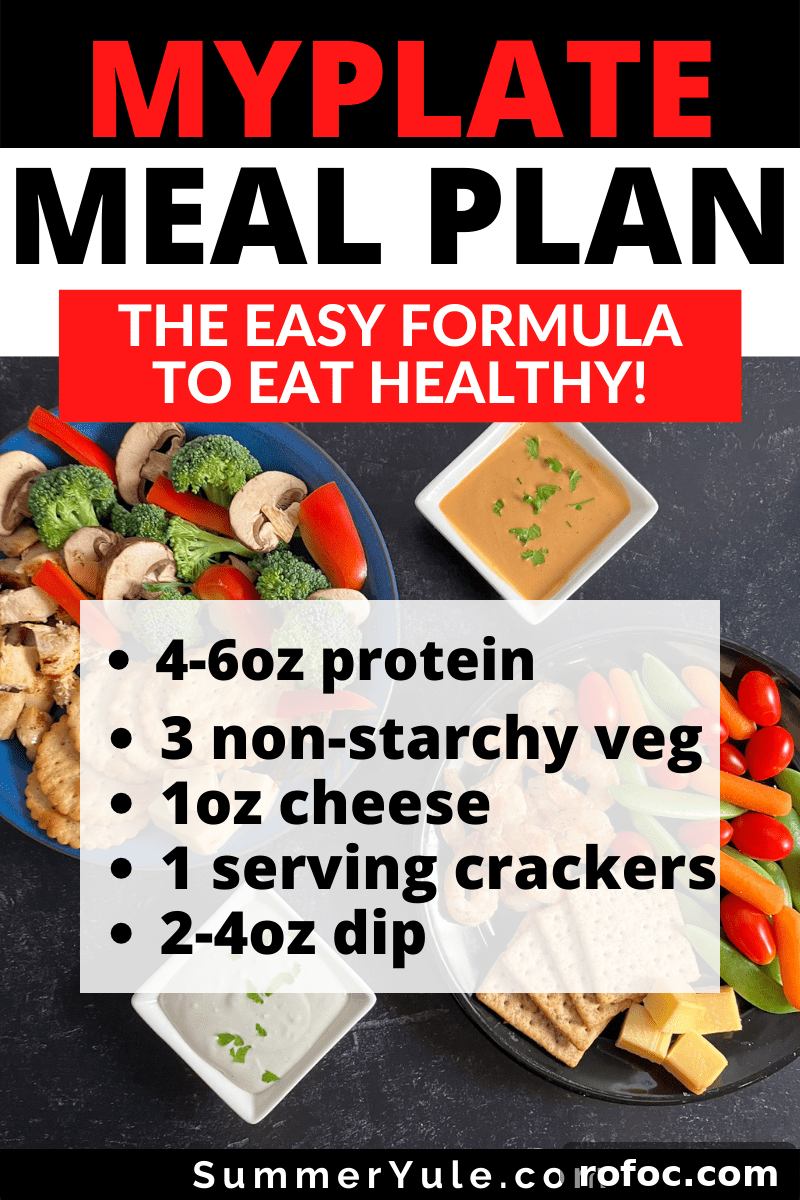
Below is a simple, repeatable meal formula I use for quick MyPlate dinners and lunches:
- 4–6 ounces protein (bite-sized)
- Three different non-starchy vegetables or fruits (fill half the plate)
- 1 ounce of cheese or another calcium source
- 1 serving of a grain (crackers, bread, or tortilla)
- 2–4 tablespoons of dip (adds flavor and healthy fat)
🍎 MyPlate Meal Examples
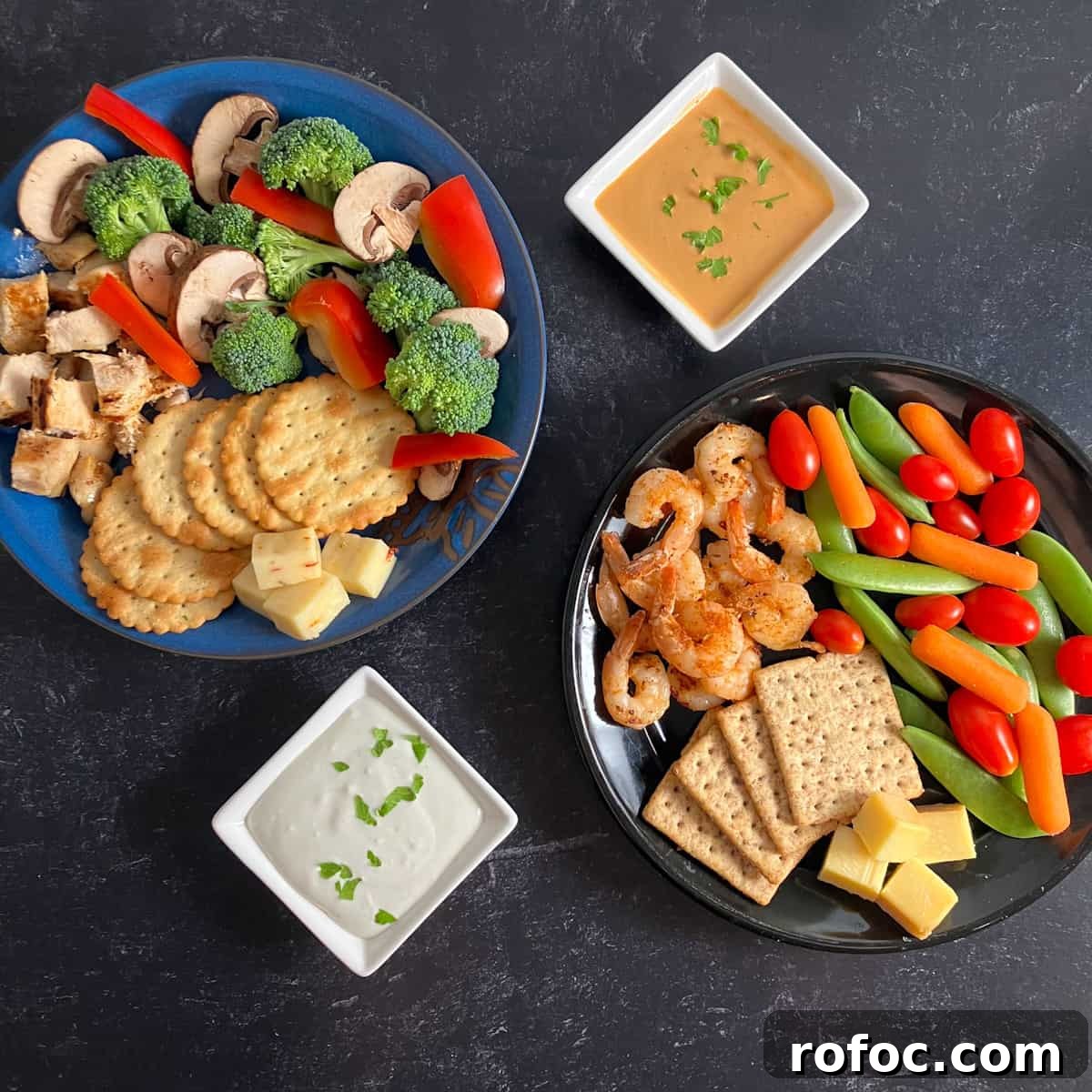
Example 1:
- 4 ounces seasoned shrimp
- Snap peas, grape tomatoes, and baby carrots (half the plate)
- 1–2 ounces whole-grain crackers
- 1 ounce cheddar cheese
- 2–4 tablespoons yogurt-based dip
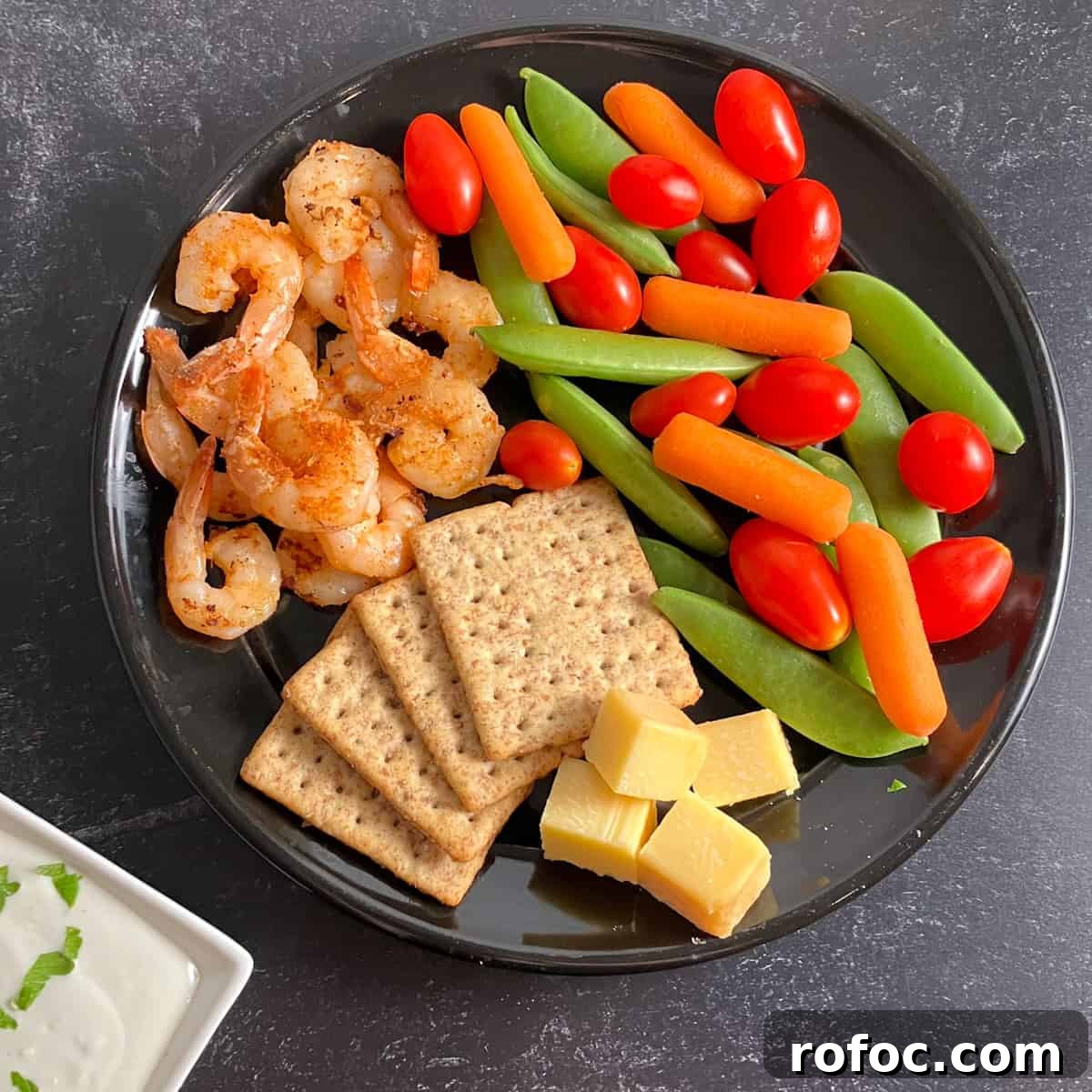
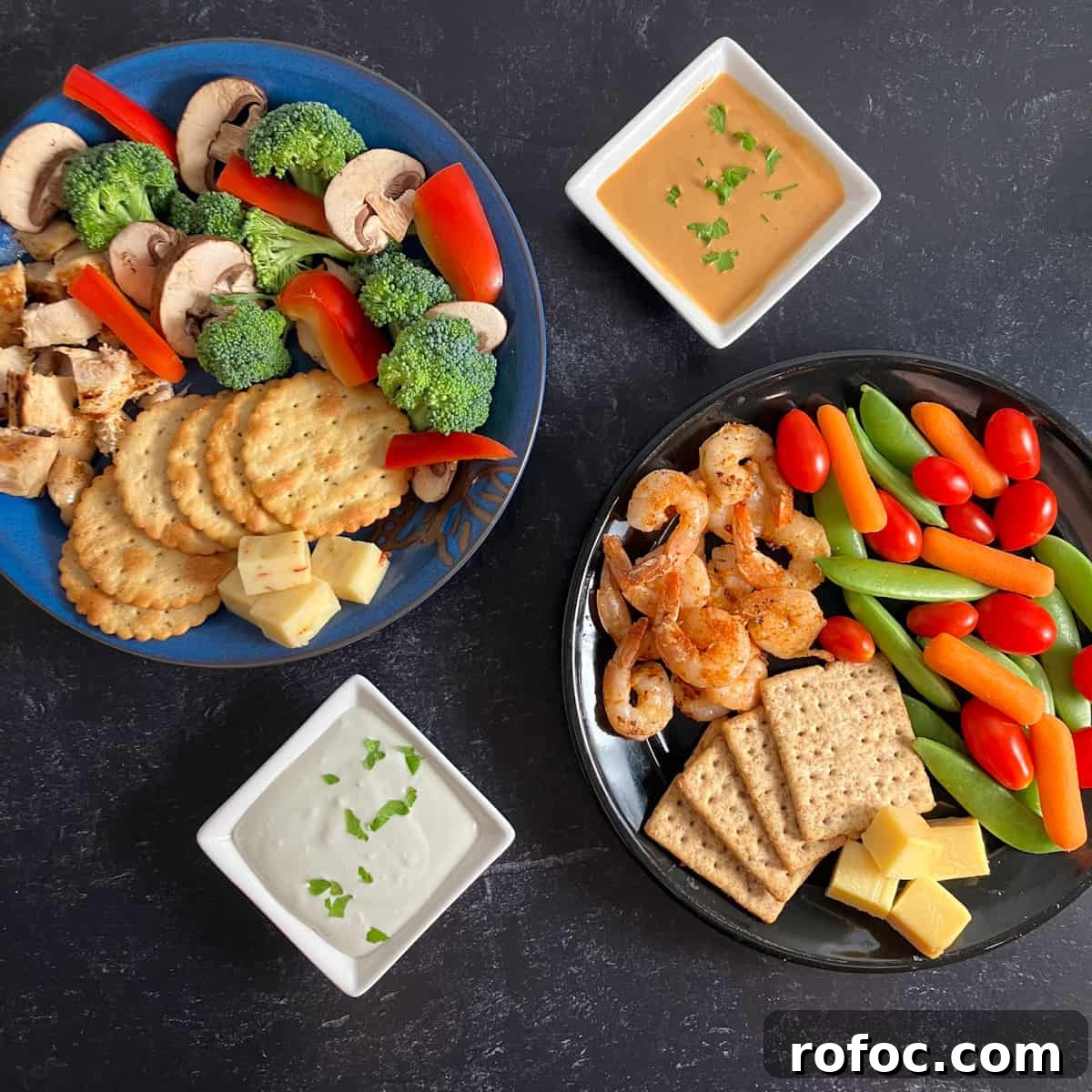
This approach yields a no-cook, family-friendly, finger-food meal that covers most food groups and is easy to customize for preferences and dietary needs.
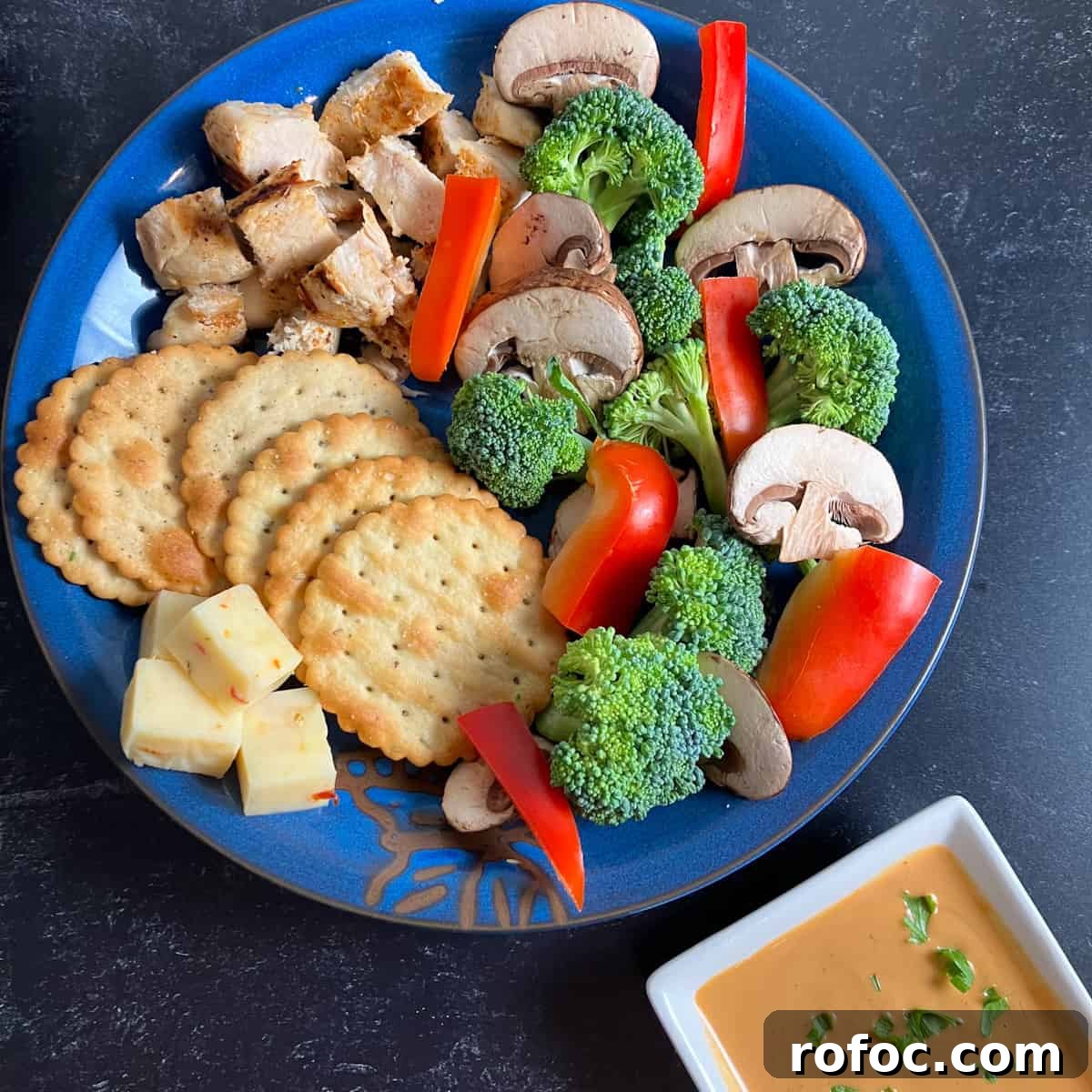
Example 2:
- 4 ounces grilled chicken
- Broccoli, red bell peppers, and mushrooms (half the plate)
- 1–2 ounces whole-grain crackers
- 1 ounce pepper jack cheese
- 2–4 tablespoons of your favorite sauce or dip
MyPlate 7-Day Meal Plan
Here’s a sample week to show how MyPlate ideas can be mixed across meals. Swap items to suit tastes, allergies, or calorie needs:
| Day | Breakfast | Lunch | Dinner |
|---|---|---|---|
| Sunday | Whole-grain quiche with broccoli and apple | Beef and vegetable soup with crackers and milk | Meatloaf, mashed potatoes, Swiss chard, milk |
| Monday | Oatmeal with banana and peanut butter, milk | Turkey and cheese sandwich on whole wheat, side salad | Grilled shrimp, cheese, crackers, raw veggies and dip |
| Tuesday | Veggie omelet with toast and orange | Split pea soup with crackers and milk | Cheeseburger on a whole-grain bun with salad |
| Wednesday | Oatmeal with nuts and raisins, milk | Grilled chicken salad with veggies, cheese, tortilla strips | Steak with peppers and mushrooms, cheesy brown rice |
| Thursday | Veggie omelet with toast and blueberries | Chicken noodle soup, milk and apple | Grilled chicken, cheese, crackers, snap peas, tomatoes, dip |
| Friday | Whole-grain cereal with milk and raspberries, egg | Tuna salad sandwich, green salad, apple, milk | Black bean and sweet potato curry over rice |
| Saturday | Whole-grain quiche with asparagus and berries | Grilled cheese and tomato with bean and corn soup | Seasoned tilapia with quinoa, watermelon-cucumber salad, milk |
Protein
Include a protein source each meal. Leftover cooked proteins make this fast. Good options:
- Rotisserie chicken breast
- Steak
- Ham or turkey
- Shrimp
- Falafel, tofu, edamame, or beans
Choose lean proteins when you want a lower-calorie plate.
Fruits and Veggies
Serve mostly non-starchy raw vegetables with dip for volume and nutrients. Aim for three different colors when possible to broaden phytonutrient variety. If needed, substitute sliced fruit for a portion of the vegetables.
- Carrot sticks
- Celery
- Grape tomatoes
- Radish slices
- Mushroom slices
- Jicama, cucumber slices, green beans, snow peas
- Broccoli or cauliflower florets, bell pepper strips
Dairy (or calcium alternative)
I usually include 1 ounce of cheese per person for calcium and flavor. You can substitute a glass of dairy milk or a yogurt-based dip. If you don’t consume dairy, choose calcium-fortified alternatives or other calcium-rich foods (check labels for fortification).
Grains (preferably whole grains)
Whole-grain crackers, bread, or tortillas fit well. If you follow low-carb, keto, or gluten-free approaches, choose appropriate grain alternatives. Skipping or reducing the grain portion is an easy way to lower overall calories if desired.
Healthy Fat
Include a small amount of healthy fat from dips or dressings—guacamole, hummus, yogurt-based dips, or olive oil and vinegar work well. Be mindful of portion size if you’re tracking calories, since dips can be calorie-dense.
FAQs
What are MyPlate recommendations for someone who is obese?
Work with a dietitian to set a safe, sustainable calorie goal. MyPlate helps shift focus to food quality and variety rather than only counting calories; portion adjustments and food choices should be personalized.
How many food groups are in MyPlate?
MyPlate identifies five food groups: fruits, vegetables, grains, protein, and dairy (or calcium-fortified soy alternatives).
How to make a MyPlate dessert?
MyPlate is designed for meals, but desserts can help add food groups you might miss—fresh fruit is an easy way to increase fruit intake.
MyPlate vs. Food Pyramid — what’s the difference?
MyPlate replaced MyPyramid to present a clearer visual of portion distribution. MyPlate highlights large portions of fruits and vegetables, whereas the original pyramid emphasized grains more heavily.
MyPlate Breakfast, Lunch and Dinner Recipes
Need inspiration? Here are recipe ideas that align with MyPlate principles for all meals. Swap proteins, veggies, grains, and dairy to fit preferences and needs.
- High Protein Buddha Bowl (vegan tofu and black beans)
- Air Fryer Chicken Shawarma Bowls
- Low-Calorie Nourish Bowls (vegetarian/vegan)
- Overnight Oats with Protein Powder
- Baked Protein Oatmeal (savory)
- Chick-Fil-A Spicy Southwest Salad copycat
- Air Fryer Stuffed Bell Peppers
MyPlate Lunch Recipes
Lunch and dinner ideas can be interchangeable—pack a balanced bowl or salad with a grain, lean protein, vegetables, and a dairy or alternative for a complete MyPlate meal.
MyPlate Meals Examples (MyPlate Meal Planner Food Guide)
Ingredients
- 4–6 ounces cooked protein, cut into bite-size pieces (113–170 g)
- 3 types of fruits or non-starchy vegetables, cut into sticks or coins (as much as you like)
- 1 ounce dairy cheese, cubed (28 g) or another calcium source
- 1 serving of crackers, bread, or another grain (about 100–150 calories)
- 2–4 tablespoons dip of choice
Instructions
- Note: See the full article for guidance on choosing components.
- Plate your protein, arrange the three veggies or fruits, add the cheese and crackers, and serve with the dip. Enjoy—no cooking required if using precooked protein.
Notes
💭 Expert Tips
This formula is easy to adapt for weight loss by choosing lean protein and maximizing non-starchy vegetables. Example low-calorie version:
- 4 ounces lean protein (~150 kcal)
- Three non-starchy veggies (very low calories)
- 1 ounce cheese (~120 kcal) or a lower-fat option
- One serving of crackers (~100–150 kcal) or skip them
- 2–4 tbsp light dip (~50–100 kcal)
Modify portions and components to meet energy needs. Nutrition values will vary by ingredients used.
Nutrition
Join our community! Subscribe for new recipes and follow on social media to get more ideas and meal inspiration.