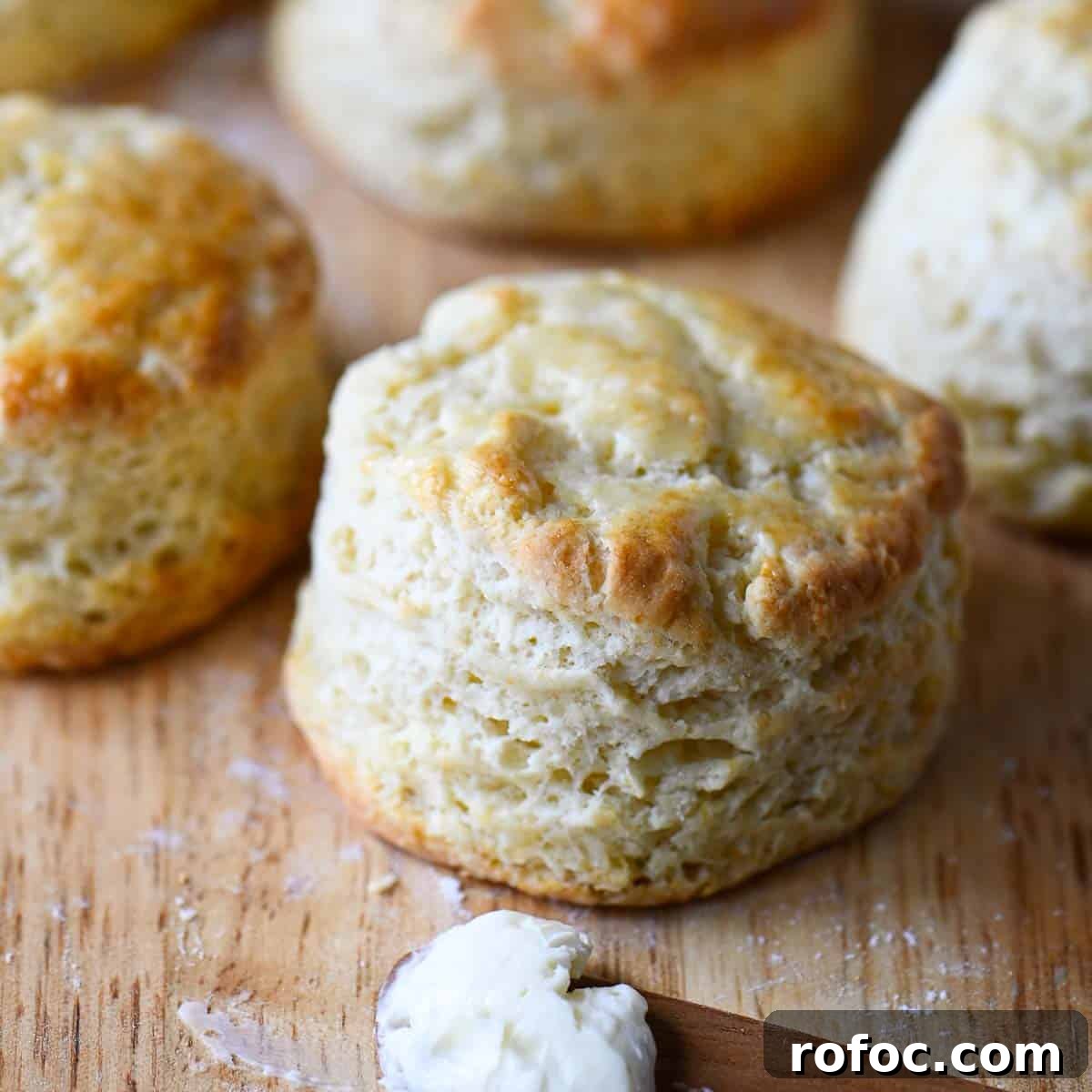
These Cake Flour Biscuits are tender, buttery, and bake up with beautiful height and layers. After testing multiple flour combinations, this version reliably produces a light, bakery-style crumb without the heavy, dense texture that can make biscuits disappointing. The key is cake flour — its lower protein content creates a softer, more delicate bite that keeps the interior fluffy and the exterior flaky.
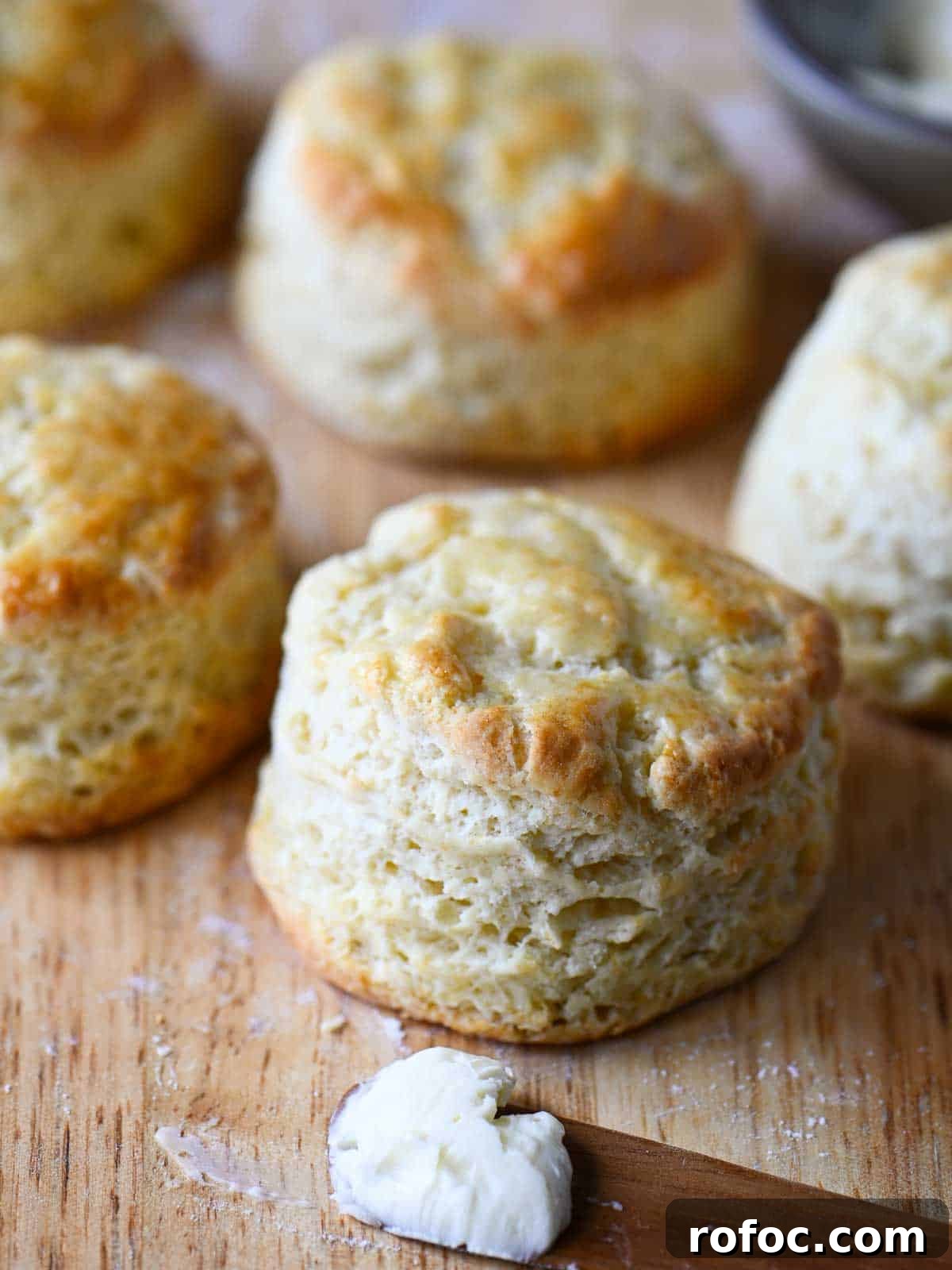
For years I didn’t have a simple, everyday biscuit recipe on the site — I did have a savory cheddar and sage version, but I wanted a plain biscuit that pairs with everything. This recipe checks all the boxes: flaky layers, rich butter flavor, tall rise, and a golden crust. Cake flour is the difference-maker here: because it has less protein than all-purpose or pastry flour, it produces less gluten development, so the biscuits stay tender instead of chewy or heavy.
These biscuits work well for breakfast or as a side with soups, stews, or roasted vegetables. They also make excellent bases for breakfast sandwiches or shortcakes when paired with sweet toppings.
Key ingredient
Cake flour has a lower protein content than other flours, which reduces gluten formation in the dough. That lower protein level helps yield softer, lighter biscuits with a finer crumb and delicate texture. Cake flour is commonly available near all-purpose flour in most grocery stores; a popular brand is Swans Down.
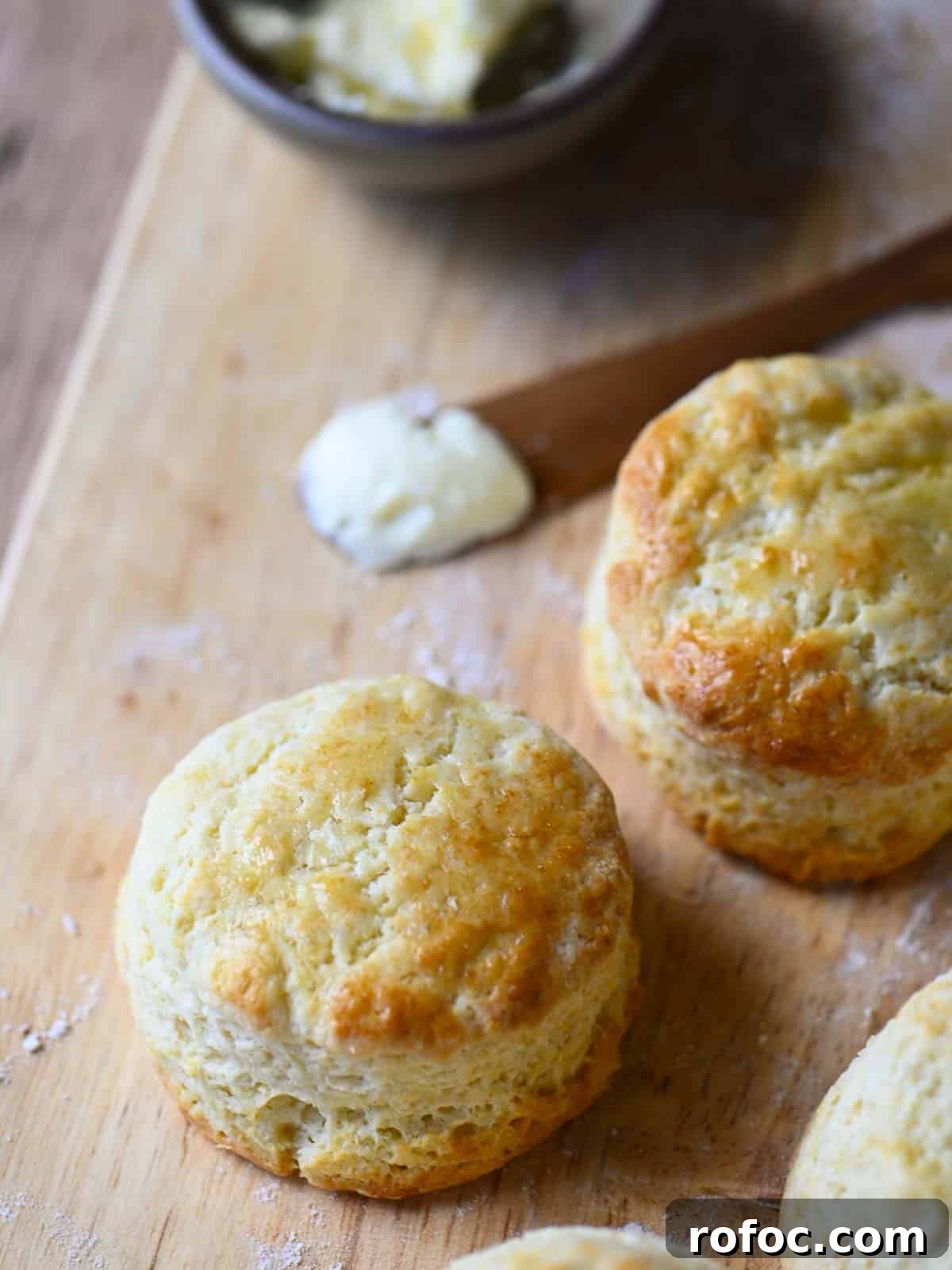
The full ingredient list and measurements are provided in the recipe card below.
Step-by-step instructions
These steps might look detailed, but biscuits are straightforward. The most important rules: keep the dough cold and don’t overwork it. That’s what creates flaky layers and a tender crumb.
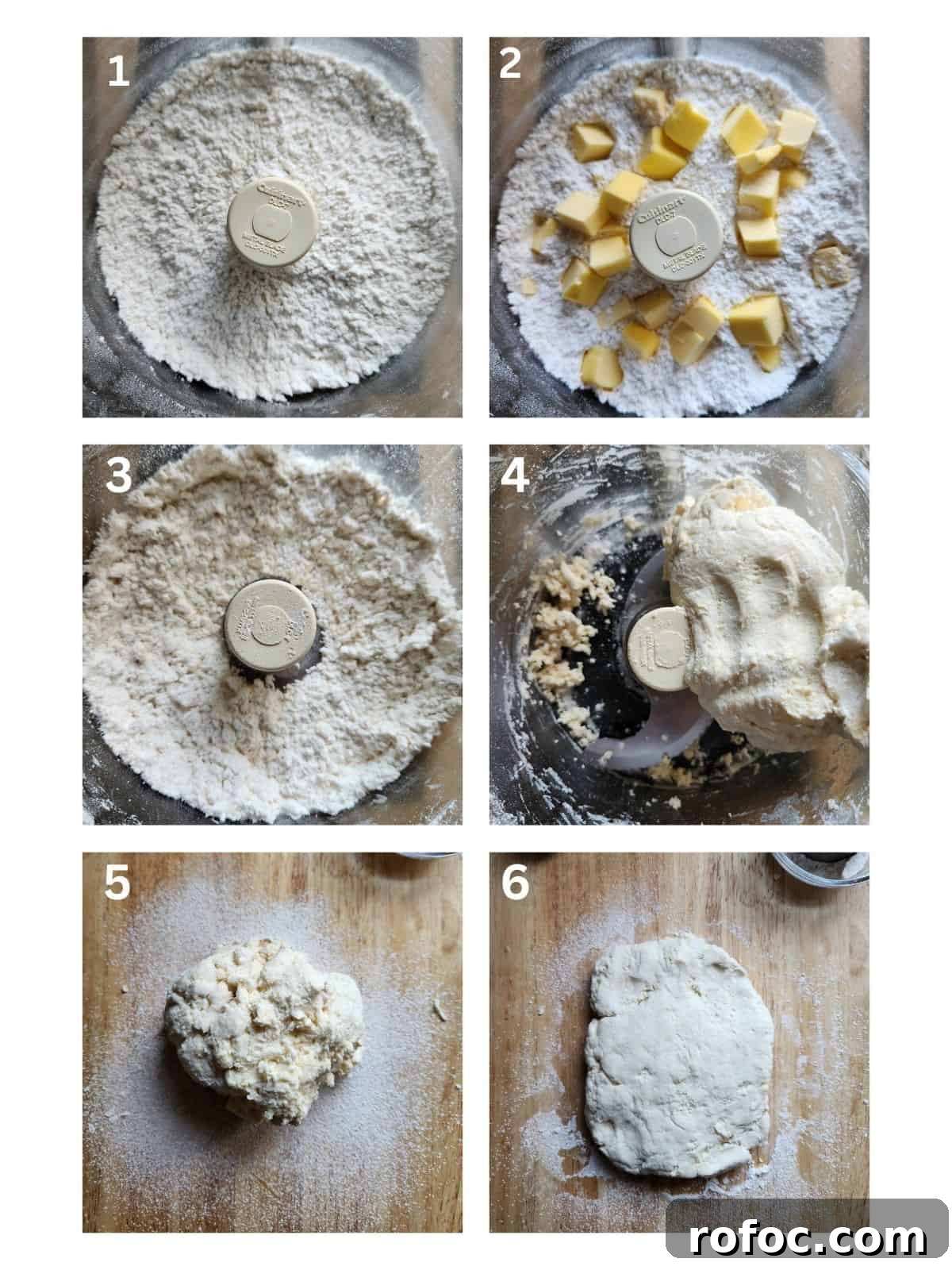
Step 1. Pulse the dry ingredients until combined. Step 2. Add cold butter. Step 3. Pulse until the butter pieces are pea-sized. Step 4. Add cold buttermilk and pulse until the dough just comes together. Step 5. Turn the dough onto a floured surface and gather it gently. Step 6. Pat or roll into a rough rectangle.
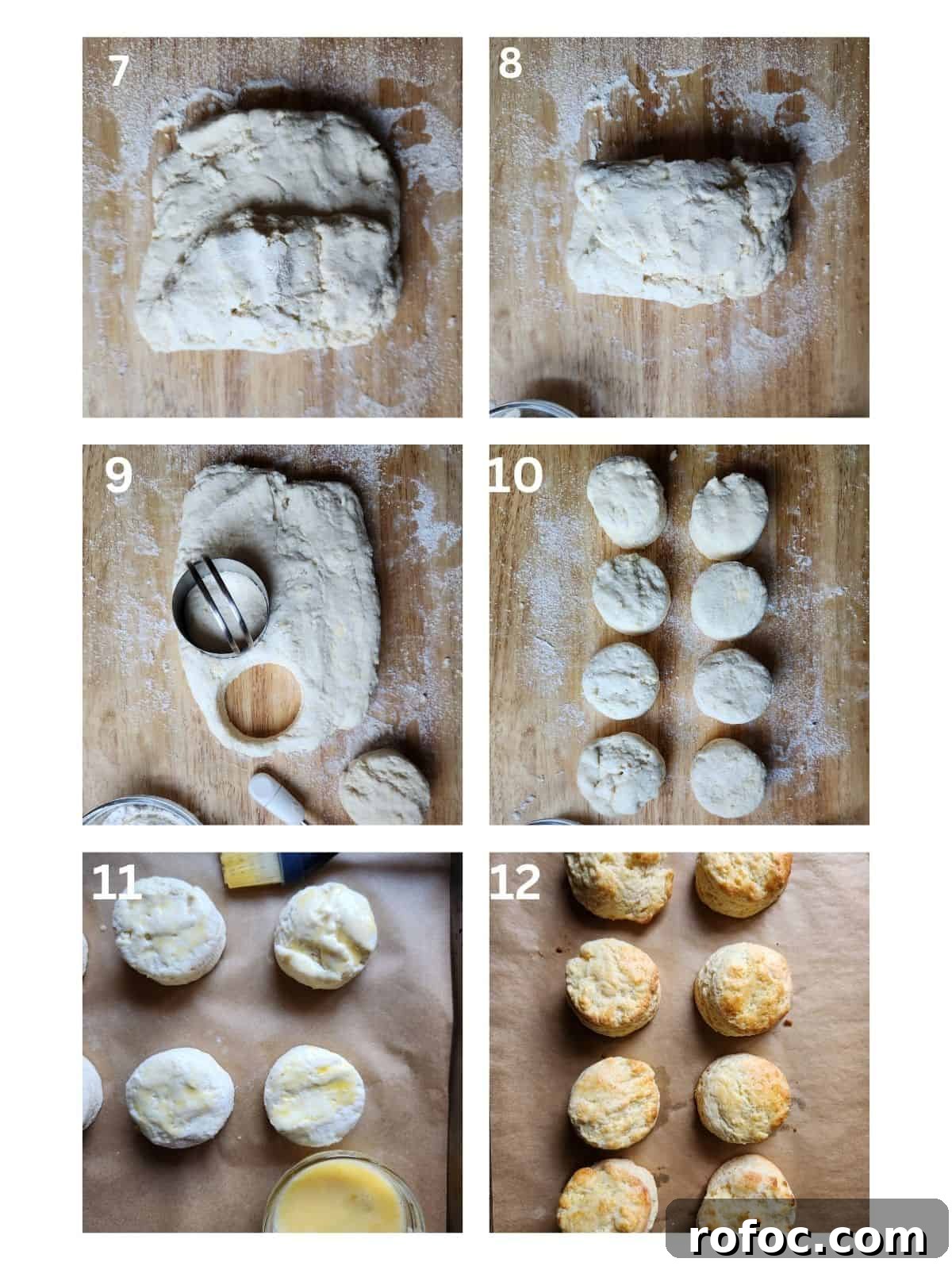
Step 7. Fold the dough into thirds. Step 8. Fold the other side like a letter. Step 9. Cut with a floured biscuit cutter, pressing straight down — avoid twisting. Step 10. Gather scraps, reshape, and cut additional biscuits; you should end up with about eight. Step 11. Chill briefly, brush with egg wash. Step 12. Bake at 425°F for about 10–12 minutes until tall and golden.
*These are abbreviated steps; see the recipe card below for full directions, ingredient amounts, times, and nutrition.
👩🍳Expert tips
- Weigh your flour. Using a scale gives the most consistent results. Two cups of cake flour can vary by volume; weighing ensures accuracy.
- Prep everything first. Measure ingredients and have your baking sheet ready so you can move quickly and keep the dough cold.
- Chill ingredients while the oven heats. Placing cubed butter and the buttermilk in the freezer for a few minutes before combining helps keep the butter cold so it creates flaky pockets in the dough.
- Use a food processor for convenience. It speeds up cutting the butter into the flour and keeps the mixture cold; if you don’t have one, use a pastry cutter or your fingers.
- Chill the cut biscuits briefly. After cutting, chill them on the baking sheet in the freezer for 5–10 minutes to firm up the butter before baking.
- Don’t worry about odd shapes. Scraps and irregular biscuits are delicious — treat them as rustic or drop-style biscuits.
Variations
Try these simple swaps to change the flavor while keeping the texture light and tender.
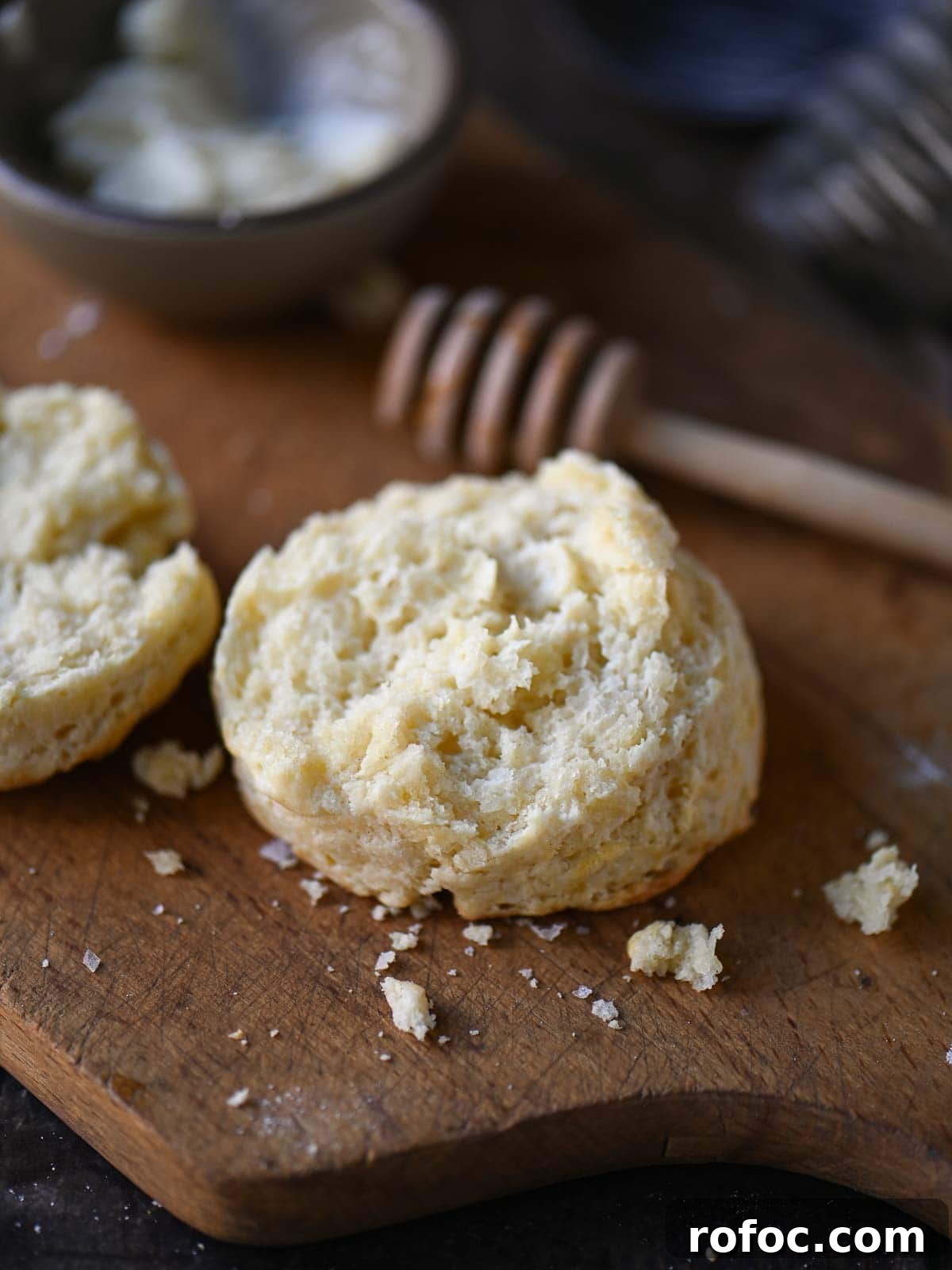
- Honey biscuits. Replace sugar with honey for a slightly deeper sweetness — whisk the honey into the buttermilk before adding.
- Cream biscuits. Substitute heavy cream for the buttermilk for a richer biscuit. If you omit buttermilk, you can skip the baking soda.
- Breakfast sandwiches. Split warm biscuits and fill with eggs, cheese, and bacon for a hearty sandwich.
- Sweet shortcakes. Use biscuits as the base for fruit shortcakes topped with whipped cream or compote.
- No cutter? Scoop dough with a large cookie scoop for rustic drop biscuits instead of cutting.
Serving suggestions
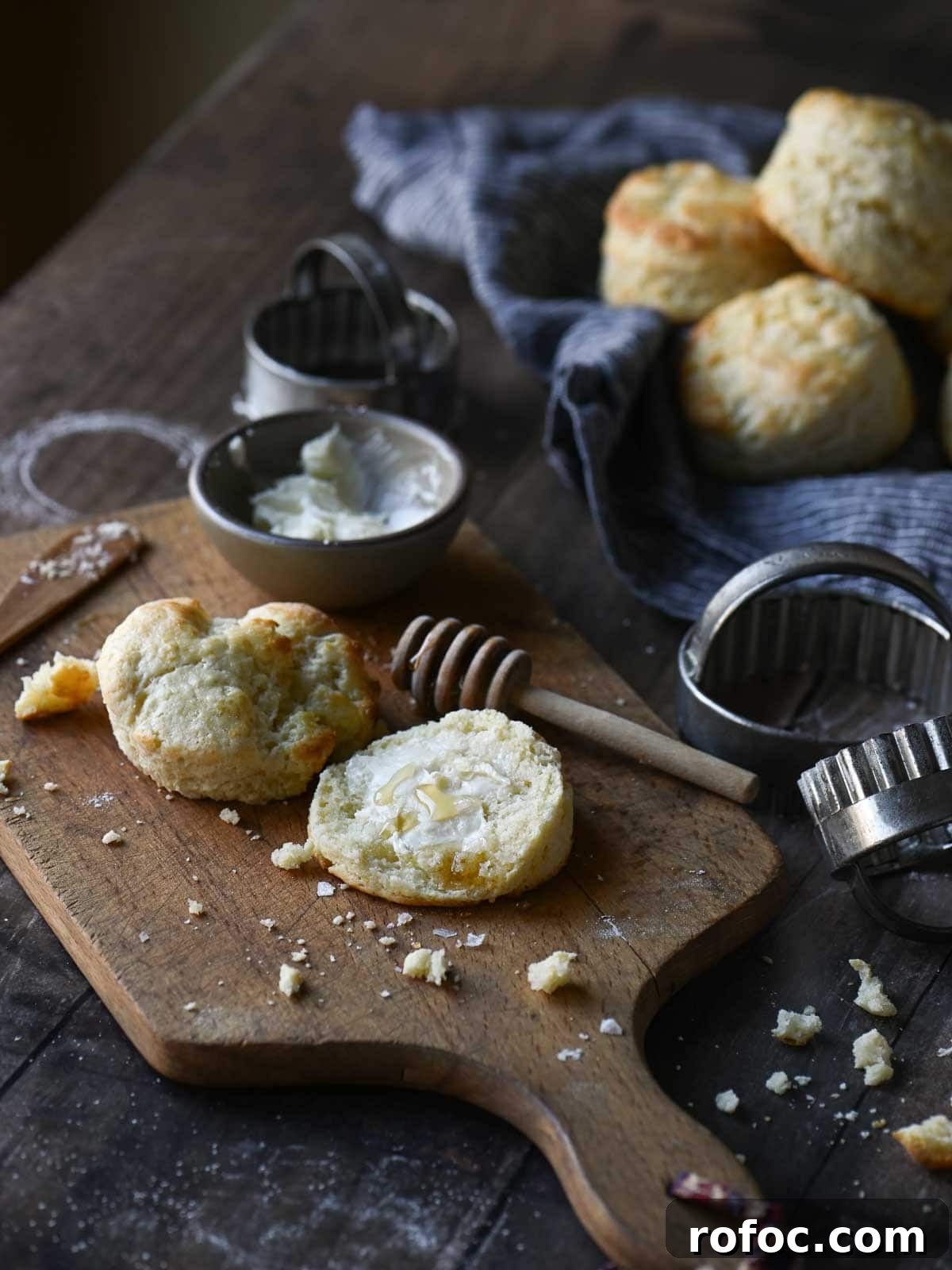
Serve warm with a pat of salted butter, honey, or jam. For more flavor, top with flavored compound butter — sweet or savory — or use them alongside soups and stews for dunking and sopping up sauces.
Storage and prep
Store completely cooled biscuits in an airtight container at room temperature for up to 2 days.
To freeze: cut the biscuits, freeze them solid on a baking sheet (do not add the egg wash), then transfer to a sealed container or bag. Bake from frozen, adding 3–5 minutes to the bake time, and brush with egg wash once partially warmed in the oven if desired.
Frequently asked questions
This recipe is formulated for cake flour. If you substitute all-purpose flour, the biscuits may be slightly tougher and less tender. To mimic cake flour, weigh 250g all-purpose flour, remove 1 tablespoon, and replace it with 1 tablespoon cornstarch. Handle the dough gently and expect a modest difference in texture.
Perfect pairings
Biscuits pair beautifully with savory breakfasts and comforting soups. Here are a few ideas to serve alongside:
-
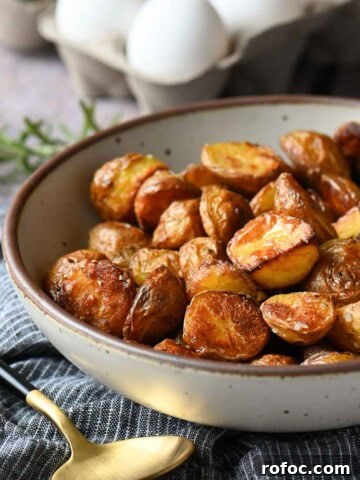
Crispy Breakfast Potatoes
-
Creamy Asparagus Leek Soup
-
Bacon and Lentil Soup
-
Creamy Autumn Squash Soup
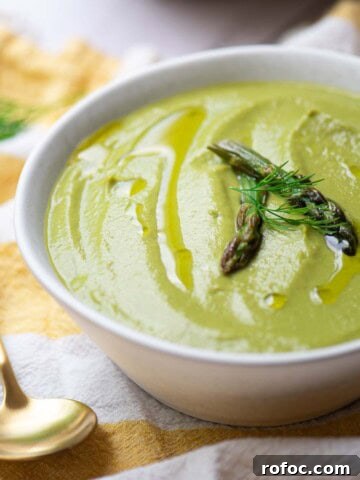
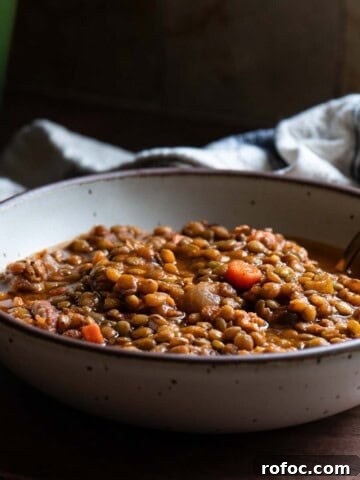

Made this recipe? Please leave a rating and comment below the recipe. If you snapped a photo, tag @brunchandbatter on Instagram — I’d love to see your version!
📖Recipe
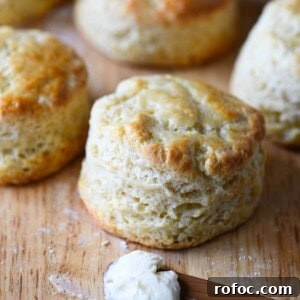
Cake Flour Biscuits
Equipment
-
food processor optional
-
3½ or 4-inch sharp biscuit cutter
-
baking sheet
-
parchment paper optional
Ingredients
- 2 cups cake flour (not pastry flour)
- 1 teaspoon Kosher or fine sea salt
- 1½ tablespoon white granulated sugar
- 3 teaspoon baking powder
- ¼ teaspoon baking soda
- ¾ cup cold buttermilk
- ½ cup (8 ounces or 1 stick) cold unsalted butter, cubed
- 1 egg + 1 teaspoon buttermilk for egg wash
Instructions
-
Preheat the oven to 425°F. Line a baking sheet with parchment paper and set aside.
-
In a food processor, combine cake flour, salt, sugar, baking powder, and baking soda. Pulse to combine, then add cold cubed butter and pulse until the mixture resembles coarse crumbs with pea-sized butter pieces.
-
Add cold buttermilk and pulse until a shaggy dough forms. Turn the dough onto a floured surface and gently knead just until it comes together — avoid overworking.
-
Shape the dough into a rectangle about ¾–1 inch thick. Fold the dough into thirds like a letter, reshape into a rectangle, and repeat the fold once more. Pat the dough back to ¾–1 inch thickness.
-
Cut with a floured biscuit cutter, pressing straight down without twisting. Place biscuits on the prepared sheet. Gather scraps and cut additional biscuits; you should have about eight total.
-
Freeze the baking sheet for 10 minutes. Whisk the egg with 1 teaspoon buttermilk to make an egg wash, brush the biscuit tops lightly, and bake at 425°F for 10–12 minutes, until tall and golden.
-
Serve warm with salted butter, honey, or jam.
Notes
- Cake flour is preferred. Pastry flour has slightly more protein and can produce a less tender biscuit.
- Keep ingredients cold. Briefly chilling cubed butter and buttermilk while the oven preheats helps maintain flaky layers.
- No food processor? Use a pastry cutter or your fingertips to cut the butter into the dry ingredients, then stir in the buttermilk until a shaggy dough forms.
Nutrition*
*Nutrition information is an estimate and provided as a courtesy. Actual values may vary based on ingredients and substitutions.