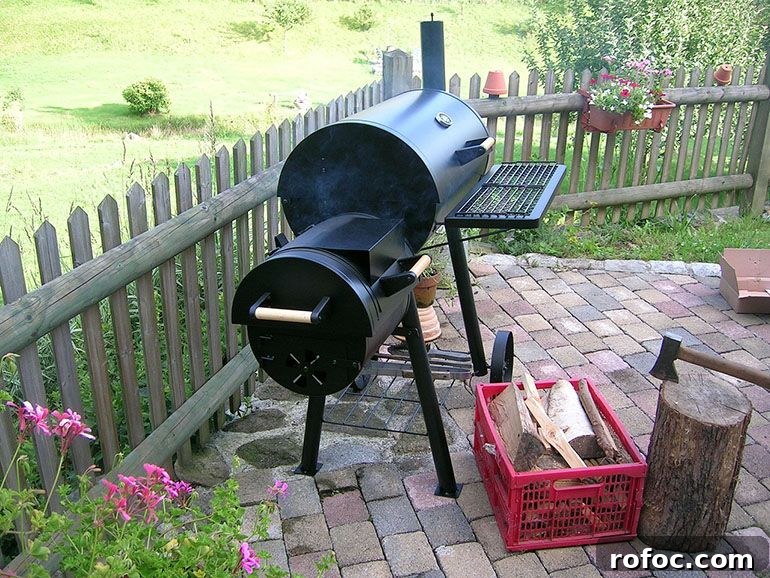
When smoking outdoors, controlling temperature is the most important skill. Choosing the right cut of meat and the best wood chips is part of the fun, but maintaining a steady cooking temperature is a different challenge. Below is a practical guide to regulating temperature in your BBQ smoker so you get consistently great results.
- How do smoker air vents work?
- Learn how to control your air vents
- Try a dry run
- Invest in an air-probe thermometer
- Take notes
- Aim for blue smoke
- Protect yourself from the elements
- Get a smoker temperature control system
- Regulate the heat with a water pan
- Don’t keep opening the smoker
- My smoker won’t get hot enough
- How do I lower the temperature in my smoker?
- How do I keep my smoker going overnight?
Maintaining a steady temperature in a smoker is at least as challenging as keeping a charcoal grill hot. Failure to control temperature can ruin prime cuts of meat, which is why understanding how to manage airflow and heat is essential.
Controlling the intake and exhaust dampers to maintain a steady stream of thin blue smoke is the foundation of great barbecue. With a little practice you can learn to keep temperatures steady and smoke your meat perfectly.
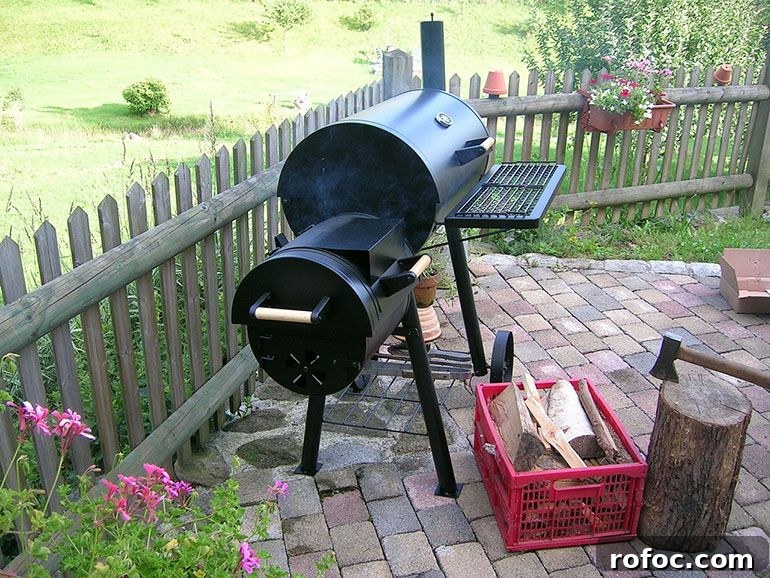
How do smoker air vents work?
Air vents control how much oxygen reaches the fuel and how quickly combustion gases and smoke exit the chamber. Smoking is a low-and-slow process; maintaining roughly 225°F (107°C) for several hours is common for many cuts. If your smoker temperature fluctuates wildly, you won’t achieve consistent results over a long cook.
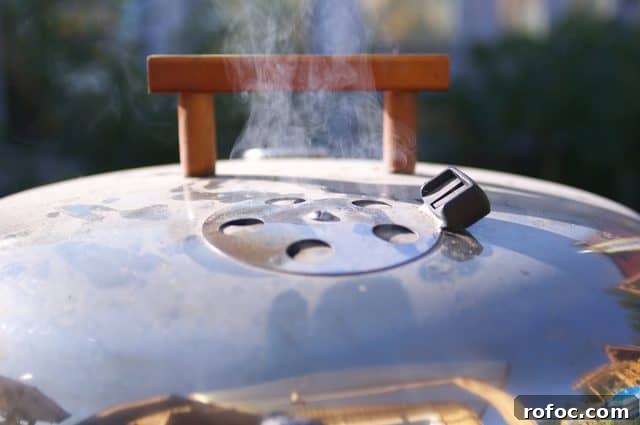
Two components determine heat: the fuel (charcoal or wood) and the oxygen flow. Open the vents and you add oxygen, increasing heat. Restrict oxygen and the fire slows.
Most smokers have an intake vent near the bottom (intake damper) and an exhaust vent near the top (exhaust damper). The intake supplies air to the fire; the exhaust lets smoke and gases escape and helps draw fresh air through the smoker. Opening the exhaust increases airflow by allowing gases to exit, which pulls fresh air in through the intake.
Learn how to control your air vents
Leaving both dampers fully open usually makes the fire burn hotter than desired. Charcoal can quickly overshoot your target temperature once it gets going. The trick is to anticipate and adjust the vents gradually as the smoker approaches the target temperature rather than reacting after an overshoot occurs.
When the fire begins to intensify during warm-up, close the intake slightly—never shut it completely. Small adjustments are key because vent changes take time to affect the chamber temperature. If you need more heat, check the firebox fuel level first before reopening vents to avoid repeated overshoots.
Try a dry run
If your smoker is new, do a test run without food. This helps you learn how quickly it reaches temperature and how it responds to vent adjustments. Different smokers behave differently; a practice cook lets you calibrate timing and vent positions so future cooks are more predictable.
Invest in an air-probe thermometer
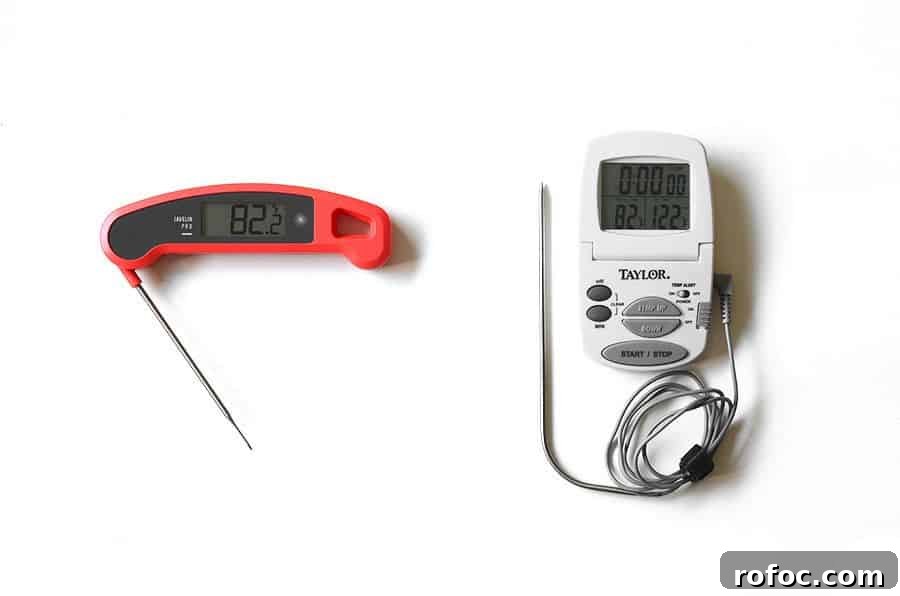
An accurate ambient (air) temperature reading inside the smoker is critical. Built-in thermometers on many smokers can be off by large margins. A dedicated dual-probe thermometer that measures chamber temperature and meat temperature gives reliable data and helps you make sound adjustments.
Take notes
Record how long your smoker takes to warm up, which vent positions work best, and how it responds to changes. Notes speed up learning and make future cooks more consistent.
Aim for blue smoke
The ideal smoke is thin and blue, indicating clean-burning wood and good combustion. White, billowing smoke often means wet or unseasoned wood and can leave bitter flavors. Use dry, properly seasoned wood to maintain a clean, blue smoke that enhances flavor.
Protect yourself from the elements
Wind and weather affect airflow and can cause sudden temperature changes. Position your smoker near a wall or structure to shield it from wind, or use a windbreak. If you can’t shield the smoker, anticipate increased airflow and compensate by slightly closing intake vents.
Get a smoker temperature control system
Temperature controllers with variable-speed blowers and an air probe automate airflow to maintain a target temperature. They supply the exact amount of air needed and adjust for shifts caused by wind or flare-ups. Controllers are not a substitute for technique, but they are an excellent backup and learning tool, often providing useful graphs and data on smoker behavior.
Regulate the heat with a water pan
Placing a water pan in the smoker helps stabilize temperature swings and adds humidity, which reduces drying of the meat. If your smoker doesn’t include a built-in pan, a disposable pan filled with water works well to moderate heat and maintain moisture.
Don’t keep opening the smoker
Every time you open the smoker, heat and smoke escape, causing temperature fluctuations and adding cooking time. Limit openings by combining tasks—refill fuel and water pan and turn meat in the same visit—to minimize disruption.
FAQ
Here are short answers to common temperature-control questions you may encounter while smoking.
My smoker won’t get hot enough. What do I do?
If the smoker won’t reach target temperature with both dampers open, check your fuel—charcoal that’s partially spent should be replaced. Inspect the smoker for leaks that let air escape and reduce efficiency. Finally, verify your thermometer; built-in gauges can be inaccurate, so use a reliable external thermometer.
How do I lower the temperature in my smoker?
Reduce temperature gradually by making small vent adjustments every few minutes. Abruptly closing vents can trap smoke and create poor flavors. Slow, measured tweaks give a smoother and safer temperature decline.
How do I keep my smoker going overnight?
Overnight smoking requires planning. Choose a lower cooking temperature and enough fuel to last the period. For example, reduce target temperature for long cooks (around 200°F for certain cuts) and use larger fuel pieces or a whole log instead of small chips so the fire lasts longer. Shield the smoker from wind and rain, set vents to stable positions (often about half open depending on your setup), and ensure you have adequate charcoal and wood to maintain the burn for 8+ hours. Practice and notes from previous cooks will help you fine-tune overnight settings for your specific smoker and recipes.