Prune juice transforms ordinary prunes into a sweet, rich ingredient that enhances meals and beverages. Its concentrated flavor adds depth and a glossy finish to glazes, sauces, and marinades, while also supplying vitamins and minerals many people overlook. Chefs often use prune juice to introduce a subtle, unexpected sweetness to savory dishes. For home cooks and food lovers who enjoy experimenting, a bottle of prune juice is a versatile pantry addition that brightens both everyday recipes and special-occasion dishes.
I wasn’t always a fan, but after discovering the right recipe I now enjoy prune juice regularly. It’s refreshing, naturally sweet, and easy to add to smoothies, cocktails, or as a standalone drink.
Why make prune juice recipes?
Prune juice offers several practical benefits:
- High in fiber and relatively low in calories, it can support weight management when consumed as part of a balanced diet.
- Rich in vitamins and minerals, including potassium, which helps support overall health.
- Helps regulate digestion and can promote regularity.
- Acts as a natural laxative for those who need gentle help with constipation.
- Has a pleasant flavor that pairs well with mint, citrus, dairy, and many fruit combinations.
Prune juice also makes an excellent base for smoothies, cocktails, and mixed drinks, providing both body and sweetness without added refined sugar.
How to make a perfect prune juice drink
Yield: about 1 cup (adjust quantities to taste)
Follow these simple steps for a smooth, refreshing prune juice:
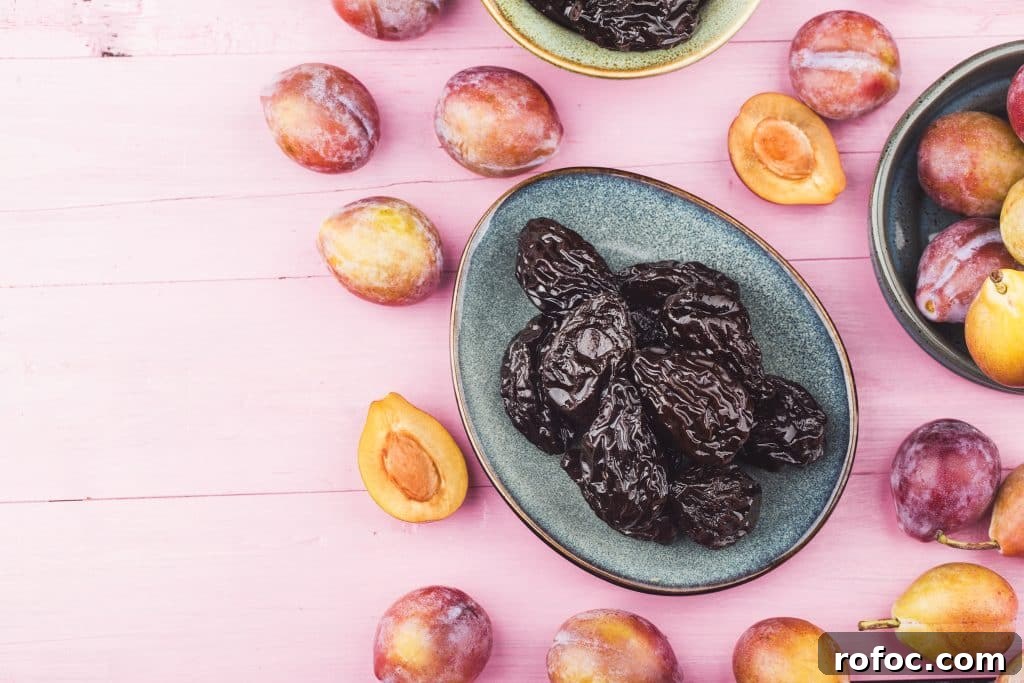
- Choose your prunes. Dried prunes are widely available and have a long shelf life, while fresh prunes (when in season) make a lighter, fresher juice. If using dried prunes, soak them briefly in warm water to soften.
- Pit the prunes if necessary. Remove any stones before processing.
- Place prunes in a high-powered blender or juicer. Add filtered water to reach your desired consistency. Start with 1/2 to 1 cup of water per cup of prunes and adjust as you blend.
- Blend or juice until smooth. If you prefer a thinner texture, strain through a fine mesh sieve or cheesecloth.
- Taste and adjust. A squeeze of lemon juice or a small spoonful of honey can brighten and balance the sweetness. Serve chilled over ice and garnish with a sprig of peppermint or a lemon twist if desired.
Ingredients
Prunes
Prunes are dried plums commonly used in baking and cooking. They’re an excellent source of dietary fiber and contain potassium and other micronutrients.
How many prunes to use?
Use about 1 cup of dried prunes for roughly 1 cup of finished juice. For fresh prunes, 2–3 cups (pitted) will yield a similar amount depending on juiciness.
What water should I use?
Filtered water is recommended for the cleanest, most refreshing flavor, but tap water is acceptable if it tastes good to you.
Optional additions
Honey, lemon juice, mint, or a splash of sparkling water can enhance flavor. Ice makes the drink more refreshing.
Health benefits
Prune juice provides several benefits when consumed as part of a varied diet. It’s fiber-rich and can support digestive health and regularity. It supplies potassium and antioxidants, and it can be a heart-healthy choice when substituted for sugary beverages. Keep portion size in mind, as prune juice contains natural sugars.
Nutritional facts (approximate per 1 cup)
- Calories: 120
- Fat: 0 g
- Protein: 1 g
- Carbohydrates: 31 g
- Fiber: 3 g
- Sugar: 24 g
- Vitamin C: ~6% RDA
- Potassium: ~10% RDA
- Magnesium: ~8% RDA
- Iron: ~4% RDA
These values are estimates and will vary by prune variety and preparation method.
Ways to enjoy prune juice
- Prune smoothie: Blend prune juice with yogurt and your favorite fruits for a filling beverage.
- Prune cocktail: Mix prune juice with spirits and a splash of soda for a balanced, fruity cocktail.
- Prune milkshake: Combine prune juice or puree with milk or ice cream for a rich, fruity shake.
- Sauces and glazes: Reduce prune juice with a little vinegar and stock to glaze roasts or toss with roasted vegetables for a glossy finish.
How to make it tastier
If prune juice tastes too strong, try these tweaks:
- Add lemon juice or a small amount of honey to balance acidity and sweetness.
- Stretch with sparkling water for a lighter, fizzy drink.
- Pair with dairy or plant-based yogurt to mellow the flavor in smoothies.
- Mix with other fruit juices (apple, orange) to broaden the flavor profile.
Storage instructions
- Refrigerator: Store fresh prune juice in a sealed container for 3–5 days. Shake before serving, as natural settling may occur.
- Freezer: Freeze in airtight containers or ice cube trays for up to 6 months. Thaw overnight in the refrigerator.
- Canning: If you choose to preserve prune juice long-term, follow safe home-canning procedures, sterilizing jars and processing in a boiling water bath according to tested canning guidelines.
Conclusion
Prune juice is a flavorful, nutrient-dense ingredient that works well as a beverage base and a culinary enhancer. Whether you’re seeking digestive support, a new flavor for cocktails and smoothies, or a natural sweetener for sauces and glazes, prune juice is worth trying in your kitchen. Happy juicing!