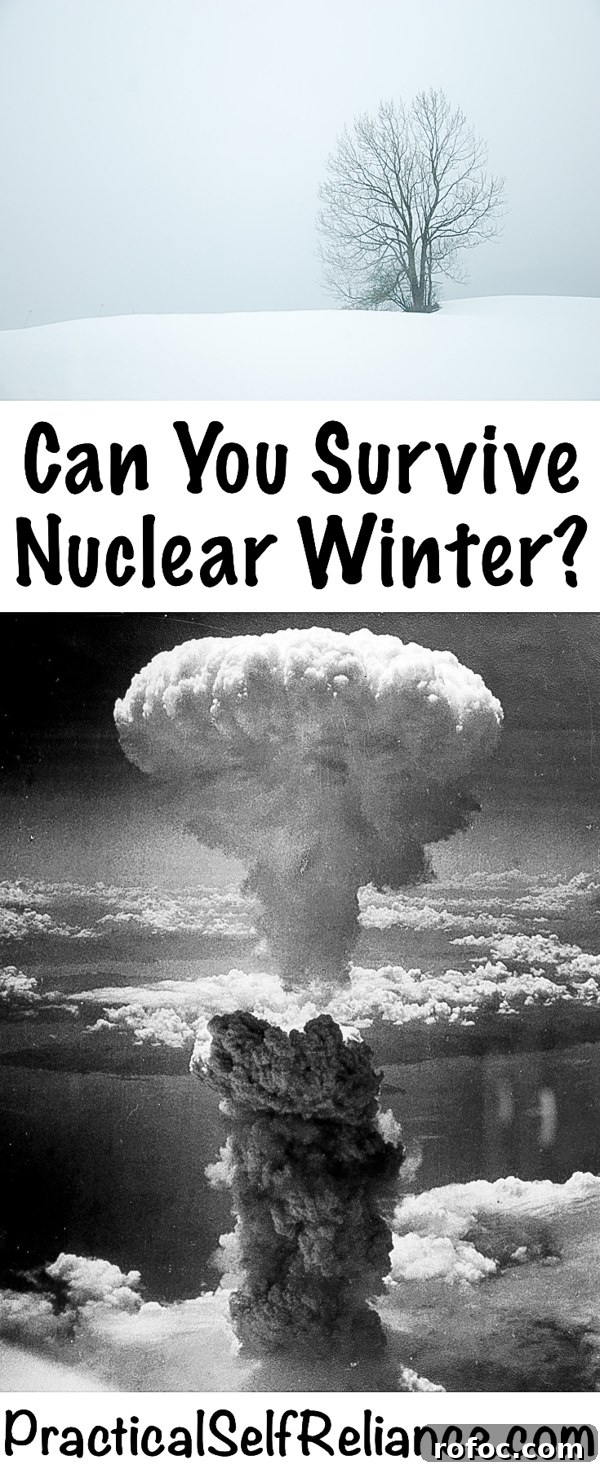
Can you survive a nuclear winter? It’s a grim question, but an important one for anyone who takes preparedness seriously.
Nuclear bunker films make survival look cinematic, but the reality is more nuanced. Scientists have studied nuclear war’s atmospheric and ecological effects for decades, and renewed global tensions often bring the topic back into discussion.
Several competing theories exist about nuclear winter. Depending on the scale and specifics of a conflict, surviving an extended period of cold and darkness is possible with realistic planning and the right preparations.
Popular myths suggest you need an underground bunker and decades of stored food to survive. In truth, practical steps you can take today will improve your odds, no matter where you live. You don’t necessarily need a bunker or 30 years of supplies—just thoughtful preparation and a basic plan.
After reviewing scientific studies and plausible scenarios, here are the key takeaways:
- Initial Strike — Surviving a nuclear winter presupposes you survived the initial blasts and aren’t located near major targets.
- Duration — Most experts estimate nuclear winter effects would last roughly 1 to 4 years, making it potentially survivable with adequate preparation.
- Preparation — You must provide for basic needs—food, water, energy, sanitation, medical care, and security—until agriculture and infrastructure recover.
If you want practical guidance right away, jump to the section titled “How To Prepare for a Nuclear Winter.”
What is a Nuclear Winter?
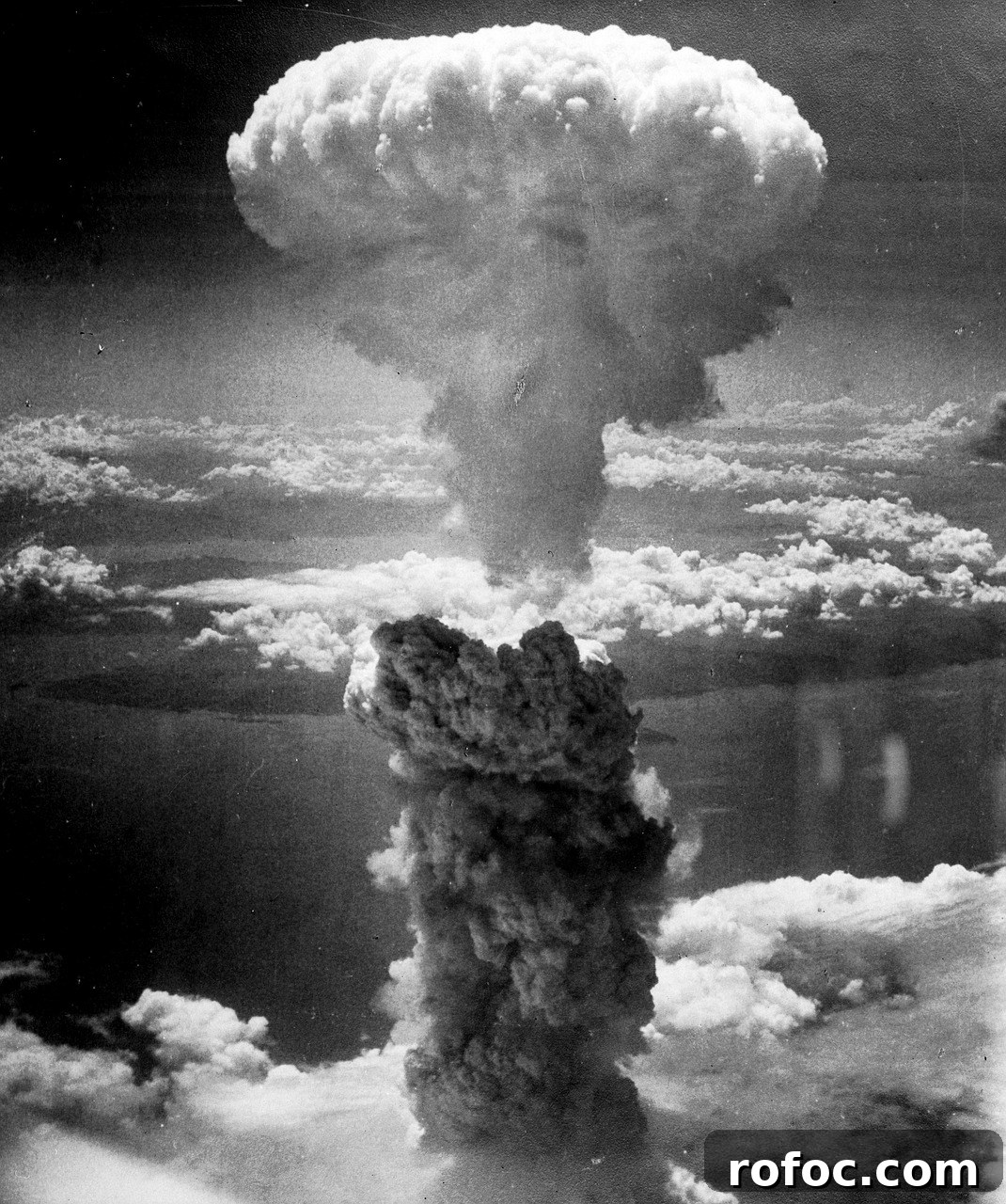
Nuclear winter is the idea that widespread fires from nuclear detonations would inject massive amounts of soot into the atmosphere. Those particles could block sunlight, causing significant cooling and reduced sunlight worldwide.
Scientists model these effects by scaling data from large wildfires and volcanic eruptions to different nuclear scenarios. The amount and altitude of injected soot and the prevailing atmospheric conditions strongly influence whether effects are regional or global.
How Long Would Nuclear Winter Last?
Early worst-case theories predicted near-total atmospheric destruction, but modern work rejects that extreme view. Current models and historical events indicate that severe cooling is possible but likely temporary.
By the 1980s, models suggested multi-year cooling events. Real-world cases, such as large-scale fires or volcanic eruptions, have shown strong but often regional cooling effects. The consensus today is that a significant nuclear winter would most likely last between 1 and 4 years, with natural atmospheric processes gradually clearing particles.
How Many Nukes Does it Take to Create a Nuclear Winter?
Some models suggest even a relatively limited exchange—tens to a hundred detonations—could inject enough soot to reduce global temperatures by around 1°C for a few years, severely disrupting agriculture in many regions.
Larger scenarios predict greater cooling, but many of the most dire projections have been revised as models improved and as real-world soot injections proved shorter-lived than the worst forecasts. Still, even modest average cooling can trigger unpredictable frosts and crop failures, making long-term food production difficult.
Can You Survive a Nuclear Winter?
A small-scale nuclear winter is far easier to endure than a large-scale one. If the conflict that causes it is distant from you, survival depends largely on your nation’s stability and your household preparedness—especially food and basic infrastructure.
If you make it through the initial weeks after an exchange, survival during the ensuing months and years comes down to planning: having enough stored food and water, reliable shelter and heat, sanitation systems, medical supplies, and a means to protect your household if necessary.
Expect significant disruptions to supply chains and public services for at least 1–4 years. During that time, local order may break down and food scarcity could become widespread.
How To Prepare for a Nuclear Winter
Foraging and improvised foods like bark flour or insects are poor long-term strategies if sunlight remains limited. While wild edibles help initially, plant growth will likely be stunted for months to years, so relying on stored food is essential.
Below are practical, prioritized steps to increase your resilience.
Emergency Food
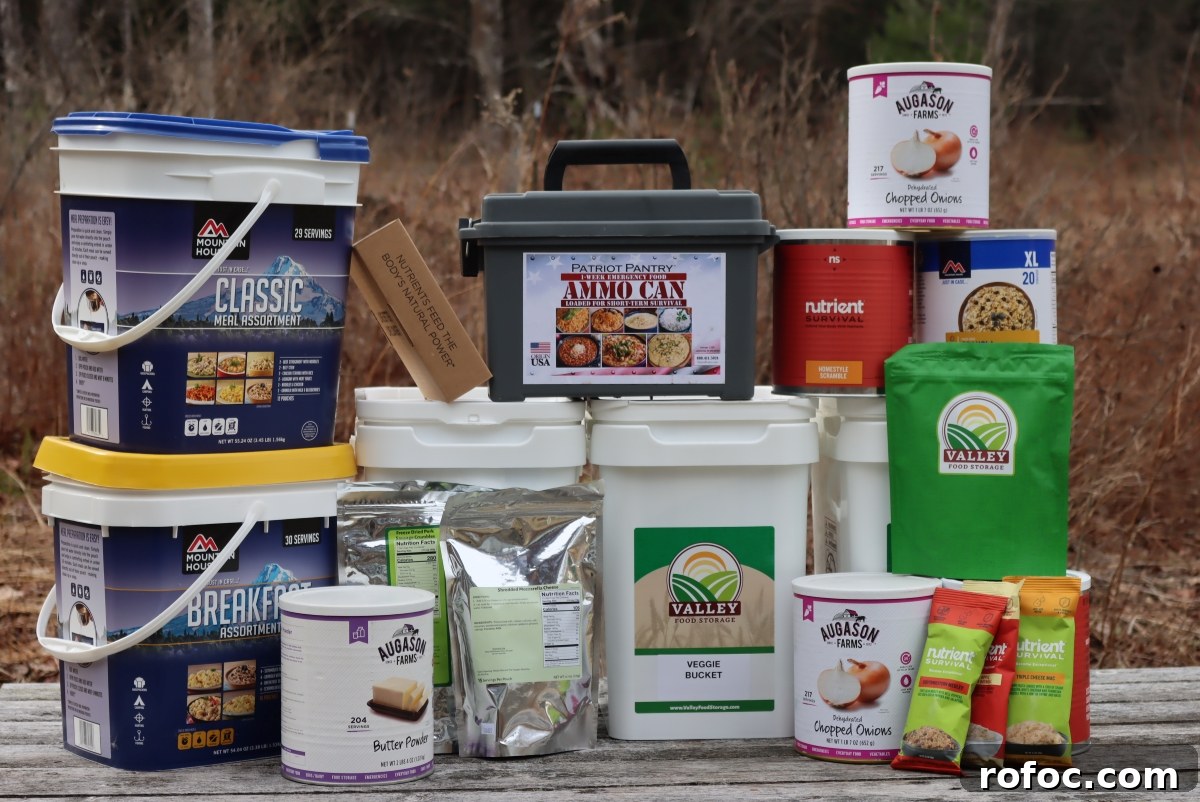
Store long-lasting, calorie-dense emergency food. Plan for at least one year of food per person; up to four years is preferable if you can manage storage space. Freeze-dried or dehydrated options, bulk staples, and varied menus will help maintain nutrition and morale.
Use your emergency supplies when other sources are exhausted, and rotate stock periodically. Supplement stored food with indoor crops like microgreens and shade-tolerant vegetables when possible to stretch supplies and improve nutrition.
Water
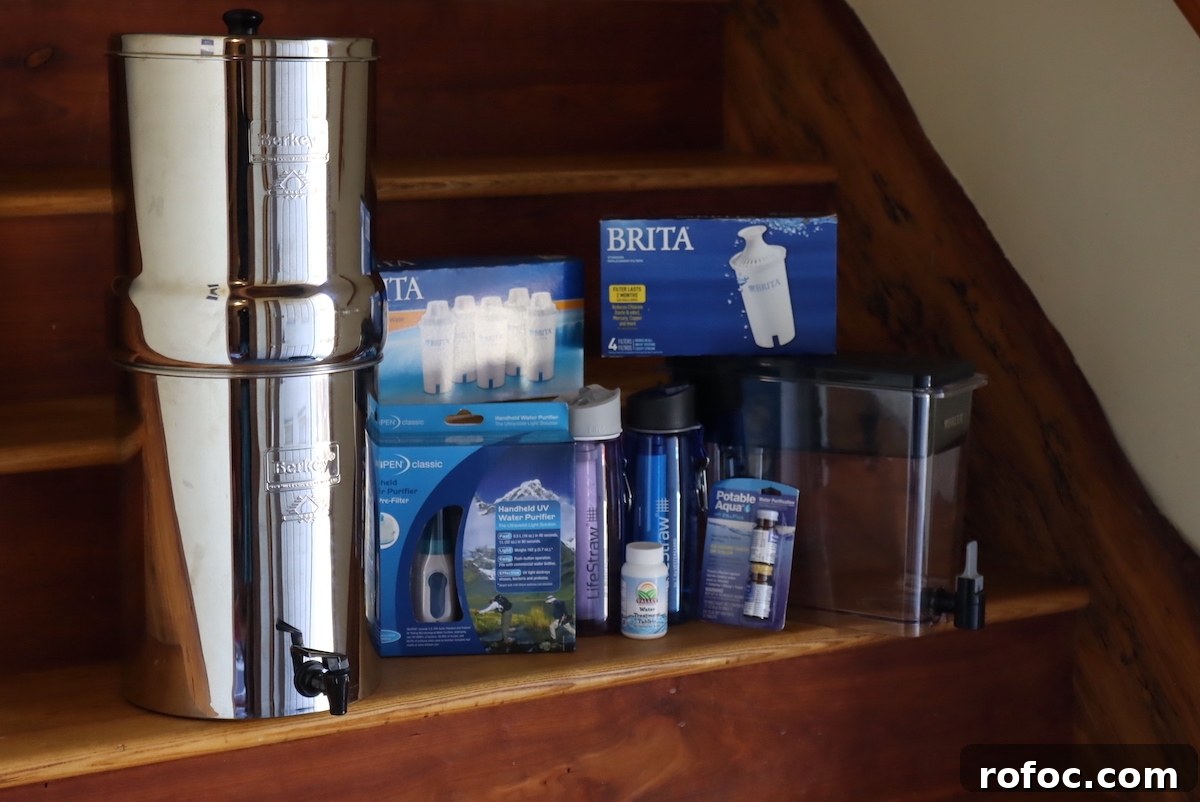
Short term: have stored water on hand and avoid going outside during the first weeks if radiation is a concern. Medium to long term: prepare reliable filtration systems for surface water sources—filters that remove particulates and biological contaminants are essential.
Consider bulk storage solutions, water treatment chemicals, and filtration systems rated for river or lake water. Practice filling, storing, and rotating water supplies in advance.
Sanitation
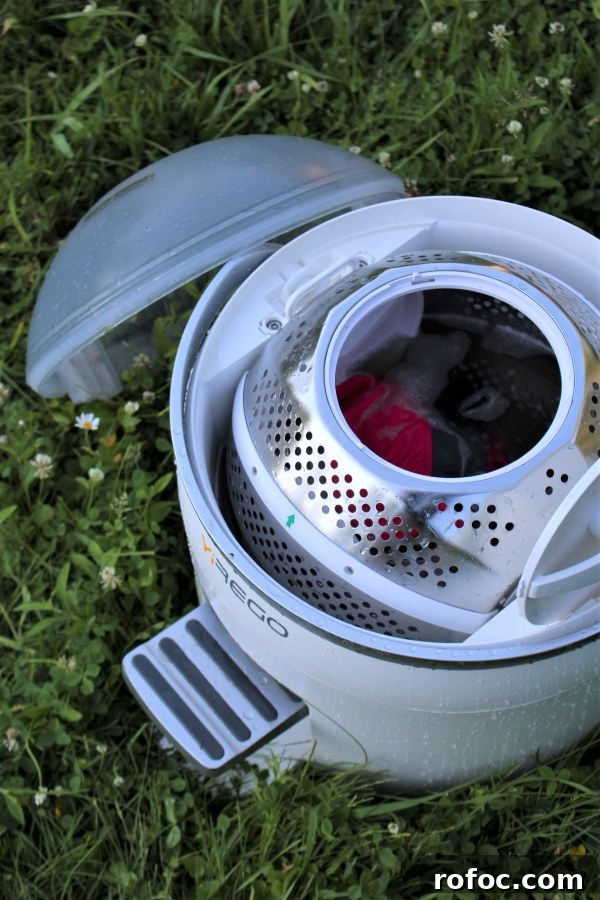
Sanitation becomes critical after the initial emergency phase. Plan for waste management, safe washing, and minimal-water laundry solutions. Composting toilets and simple off-grid washing options reduce water use and convert waste into safe compost when managed properly.
A safe, tested method for treating human waste prevents disease and can support later food production when conditions permit.
Agriculture
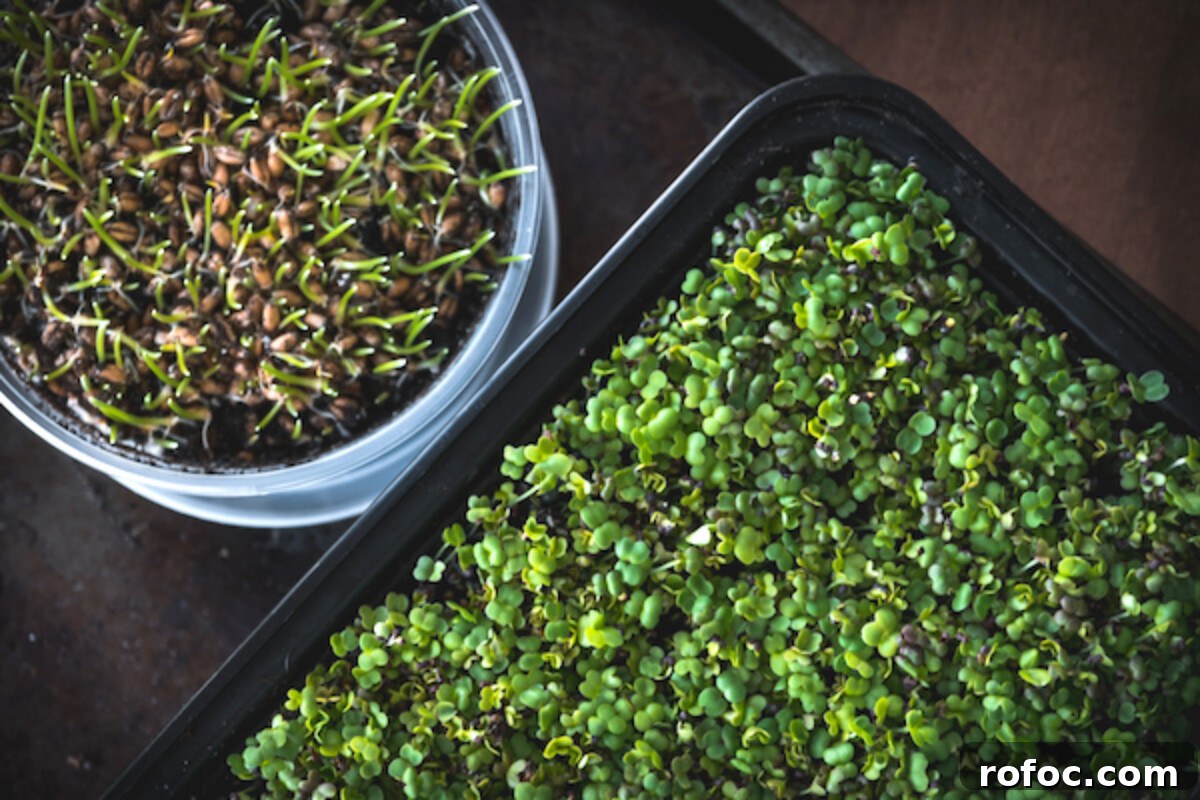
Outdoor agriculture will be severely limited during reduced sunlight. Focus on indoor growing: microgreens, sprouts, and shade-tolerant vegetables can be produced with minimal light and space. Compost from safe sources provides nutrients, and small-scale grow lights powered by reliable energy extend options if you have that capacity.
Health and Medical Concerns
Radiation exposure is a primary health worry; minimizing exposure and staying informed about contaminated zones are the main defenses. Potassium iodide can help protect the thyroid in specific exposure scenarios, but it should be used according to official guidance and not taken casually.
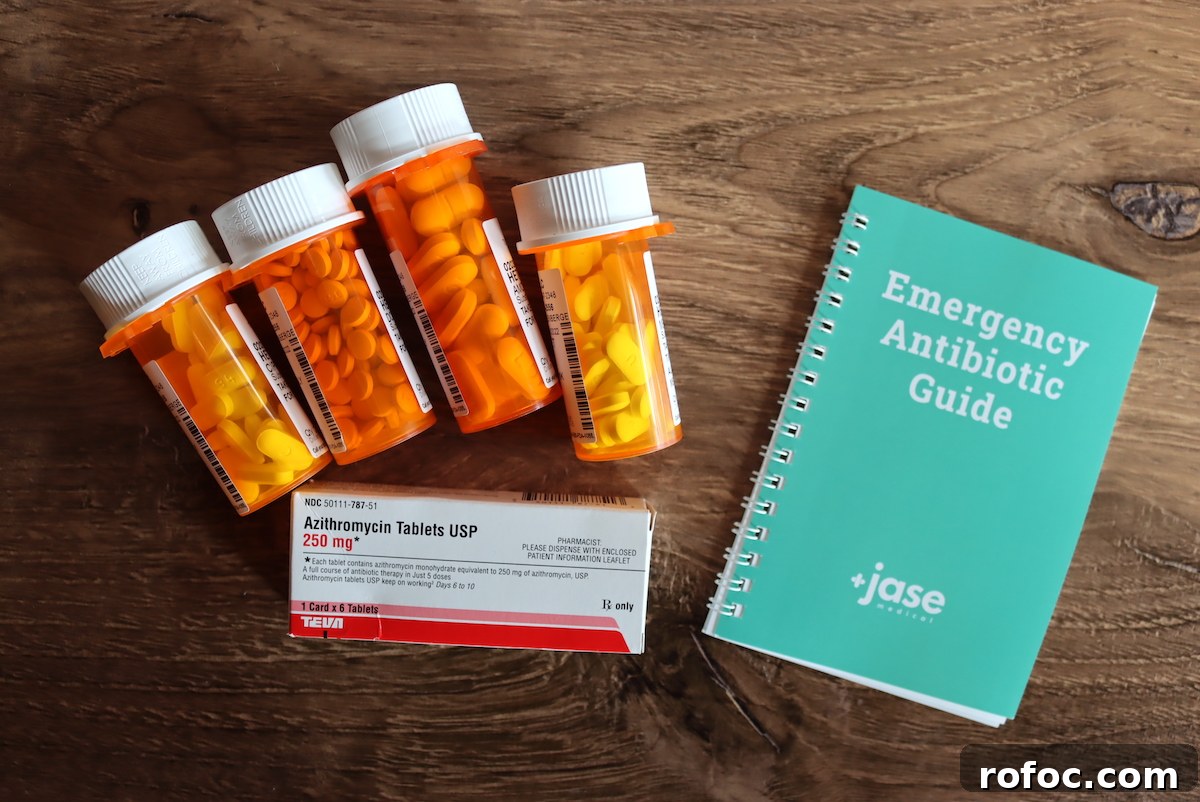
A larger concern is the loss of routine medical care. Assemble a comprehensive medical kit with antiseptics, wound care supplies, and common medicines. Simple infections that are normally treated with antibiotics could become life-threatening, so having basic medical knowledge and supplies is crucial.
Security
Disasters can undermine public safety. Plan layered security measures appropriate to your legal environment and comfort level. Non-lethal options, secure locks, community cooperation, and situational awareness are all important. Where legal and practical, personal defense tools and training may be part of your plan.
Consider alternatives such as air rifles or crossbows where firearms are impractical or restricted. Practice and training with chosen tools increases safety and effectiveness.
Other Resources for Nuclear Survival
Long-term recovery concepts include unconventional approaches—mushroom cultivation, alternative protein production, and scientific interventions—though these require substantial preparation. In practice, well-stocked food reserves and practical self-reliance skills will matter most in the first years after an event.
Building a survival library with technical manuals on food preservation, mechanical repair, medical care, and agriculture will help communities rebuild when conditions allow.
Preparedness Resources
If you want to deepen your preparedness, consider these topics to research and practice now:
- Survival gardening and practical garden layouts for limited light
- Choosing and storing seed banks suited to local conditions
- Freeze-drying and other long-term food preservation techniques
Surviving a nuclear winter is difficult but not impossible. Practical, prioritized preparation—focused on food, water, sanitation, medical care, shelter, and security—greatly improves your chances. Start by building at least a year’s worth of emergency supplies, learning basic medical and agricultural skills, and making a realistic plan for your household.