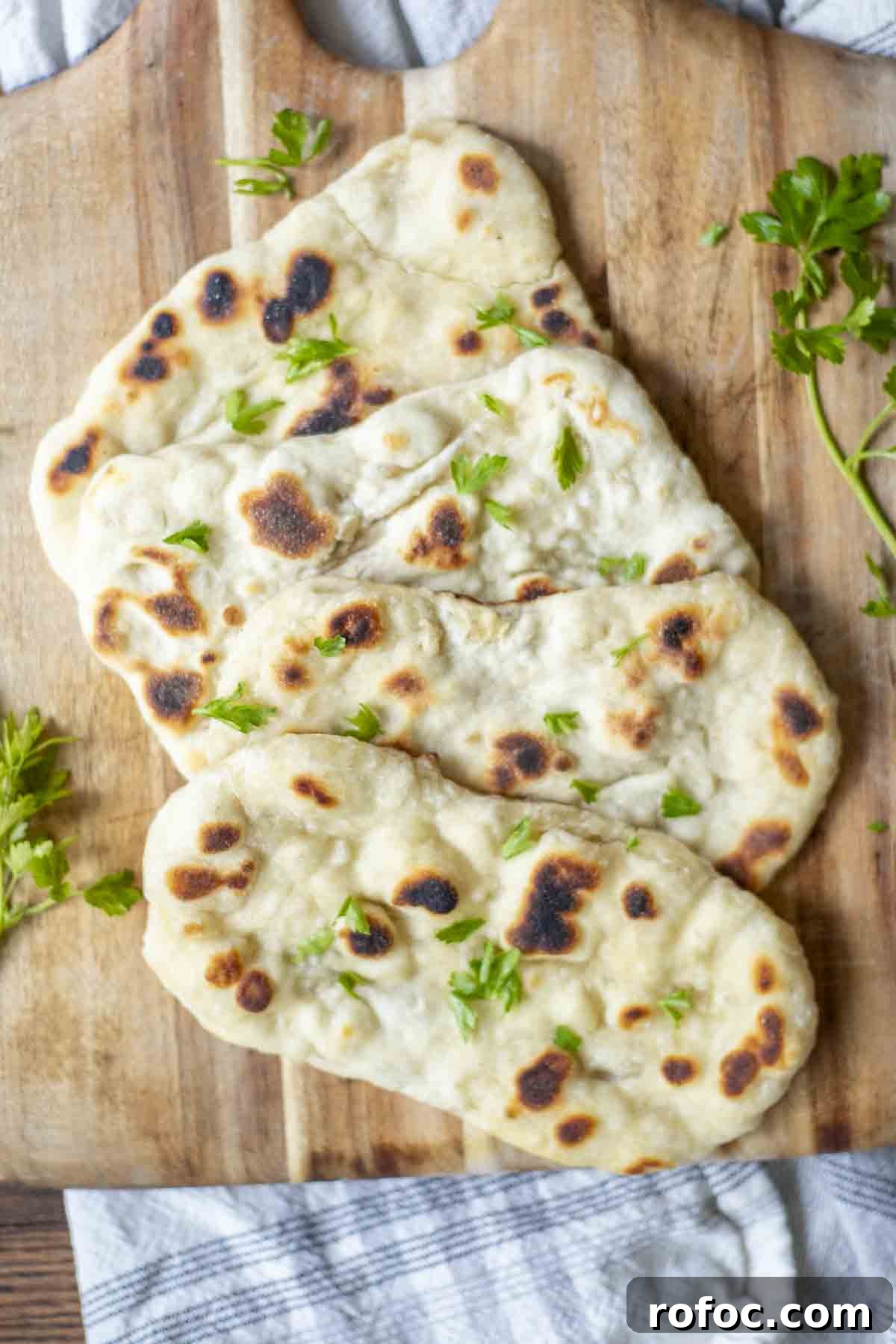
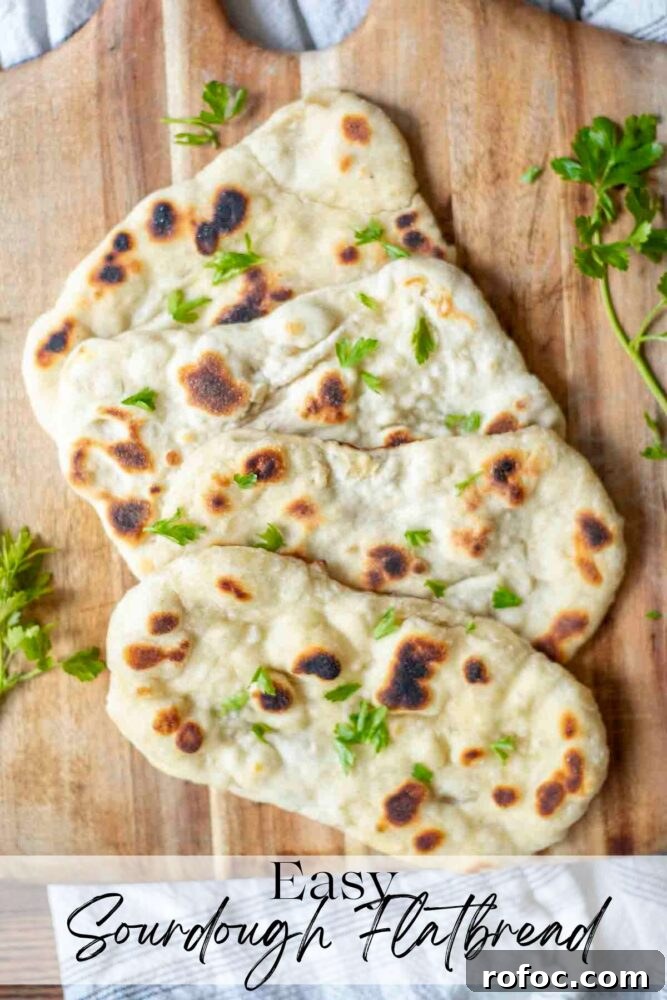
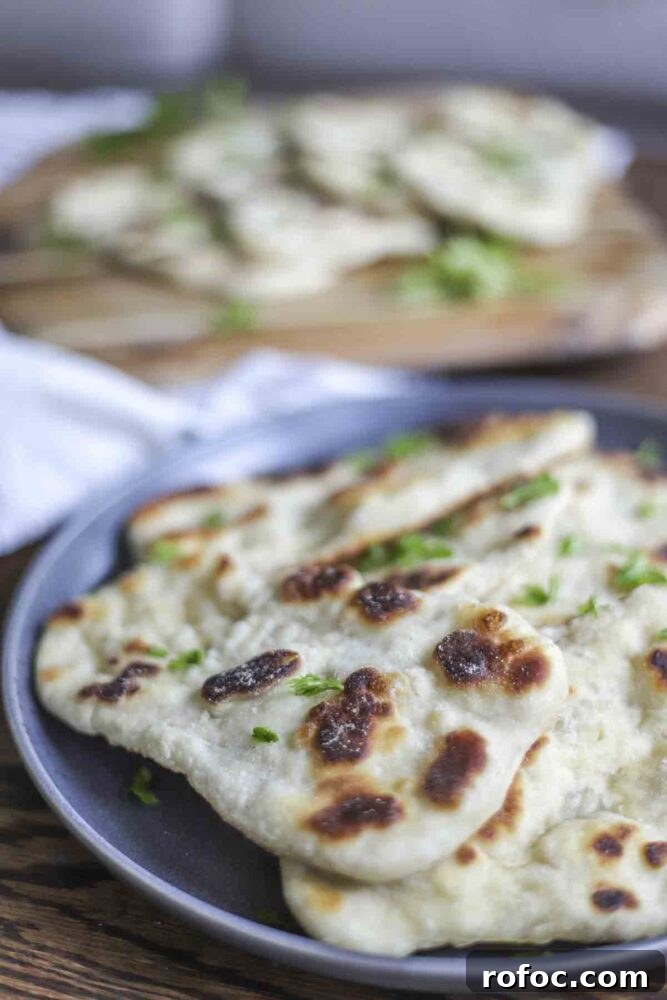
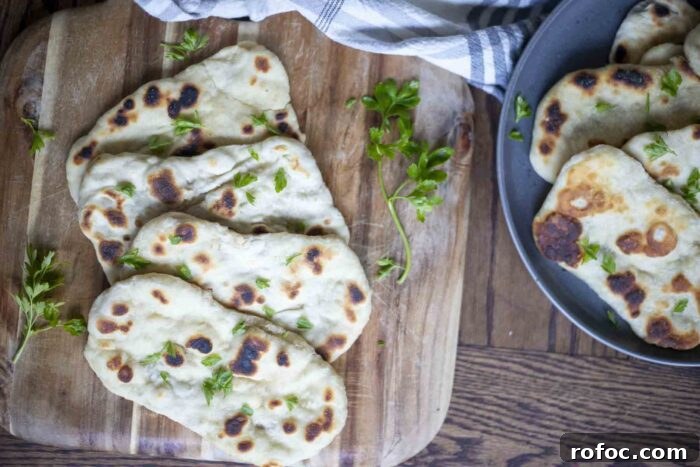
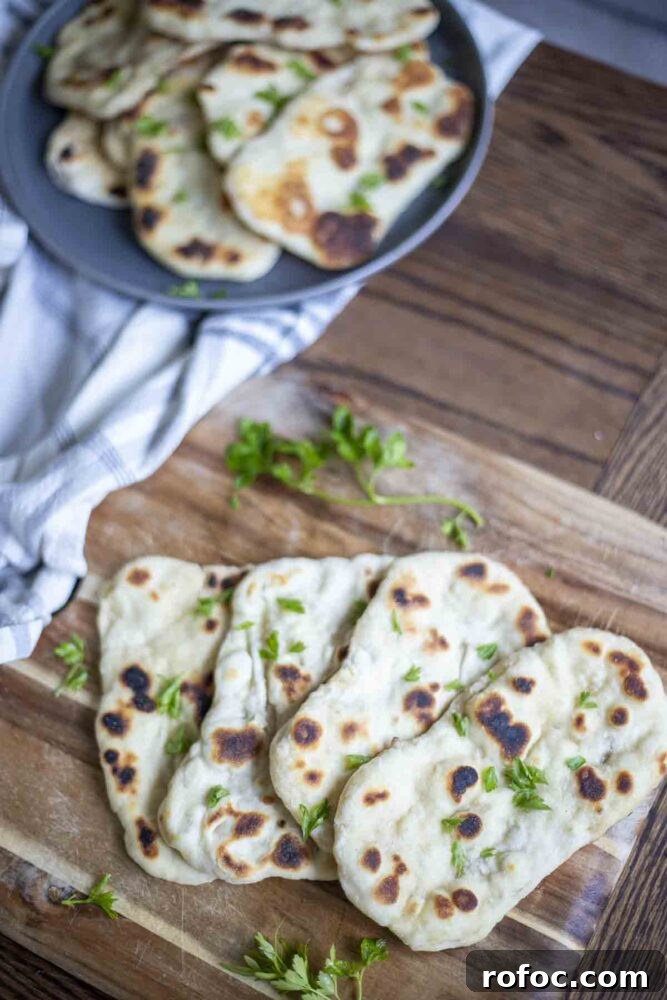
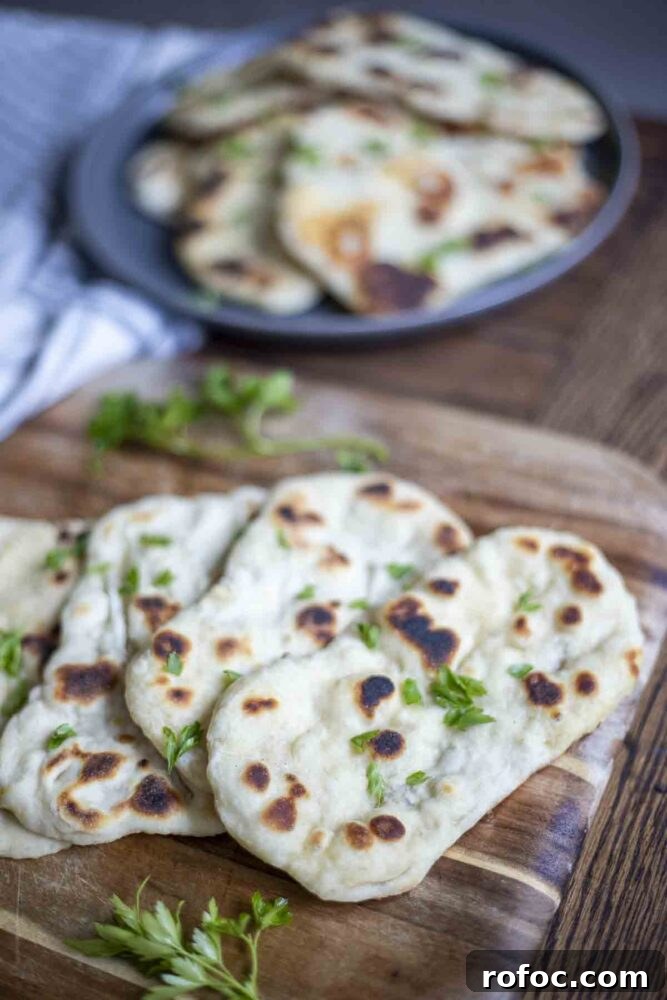
This easy sourdough flatbread recipe yields tender, tangy flatbreads made from simple ingredients. Soft, pillowy dough is pan-fried until golden and slightly charred — perfect as a side or the star of a meal.
Table of Contents
I love baking with sourdough — from muffins and cookies to rustic loaves. When I bake with wheat, I prefer sourdough fermentation for the flavor and digestive benefits it adds.
My family has sensitive guts: my husband’s autoimmune condition is managed in part through diet, and my daughter reacted strongly to gluten as a toddler. After experimenting with different approaches, we found long fermentation made a real difference. Fermenting grains for 18–24 hours reduced symptoms and unlocked better flavor and texture that gluten-free alternatives often lack.
These sourdough discard flatbreads are an easy, flavorful option. They’re similar to naan or pita but have an extra depth from the sourdough culture. Use active starter or discard — both work.
Tips For Making Sourdough Flatbread:
- Use a stand mixer with a dough hook to speed up kneading, or knead by hand if you don’t have one.
- If you react to unfermented grains, roll the dough on a surface dusted with gluten-free flour or use a little oil on a clean countertop rather than regular flour.
- Heat multiple skillets simultaneously to cook several flatbreads at once and save time.
- Press chopped fresh herbs into the dough after rolling for added flavor.
- For those sensitive to gluten, fermenting the dough 18–24 hours often improves tolerability.
Why you will love this recipe:
Simple and flexible. Mix the dough the evening before, let it ferment, then roll and cook the next day. The recipe requires minimal active time.
Great flavor. Fermentation gives the flatbreads a pleasant tang and a depth you won’t get with quick breads.
Kid-friendly cooking. Pan-frying flatbreads won’t heat up your entire kitchen like the oven does — a plus in warm months.
More digestible. Long fermentation reduces phytic acid and partially breaks down gluten, often making sourdough easier on digestion.
Benefits Of Sourdough
Sourdough fermentation offers several benefits. Phytic acid, an anti-nutrient found in many grains, is broken down during fermentation, making vitamins and minerals like folate and B vitamins more available for absorption. Fermentation also reduces gluten content and acts as a prebiotic, feeding beneficial gut bacteria and supporting digestive health.
FAQ
Sourdough is among the healthier bread options because fermentation increases nutrient availability, supplies prebiotic fiber, and often reduces gluten content, making it easier to digest for many people.
Yes. For those who tolerate grains, a slice of sourdough can be a nutritious choice thanks to its fermentation-derived benefits.
Yes. Discard works well, though fermentation may take longer to develop volume compared with fully active starter. You can ferment up to 24 hours for maximum benefits.
Sourdough Flatbread Ingredients
All-purpose flour: Organic is preferred. You can substitute up to half the flour with whole wheat if desired; add a teaspoon of water at a time if the dough feels dry.
Sourdough starter: Active starter or discard both work. If using active starter, feed it 4–12 hours before mixing. Discard is fine if unfed for 12+ hours.
Oil: Use avocado, olive, or melted coconut oil. You can also try melted butter if preferred.
Salt: Enhances flavor.
Water: Use filtered, room-temperature or slightly warm water to avoid chlorine that could inhibit fermentation.
Tools you may need:
Stand mixer (optional)
Measuring cups and spoons or kitchen scale
Rolling pin (optional)
Cast iron skillet or other heavy skillet
Mixing bowl or Pyrex
How To Make Sourdough Flatbread:
Create The Dough
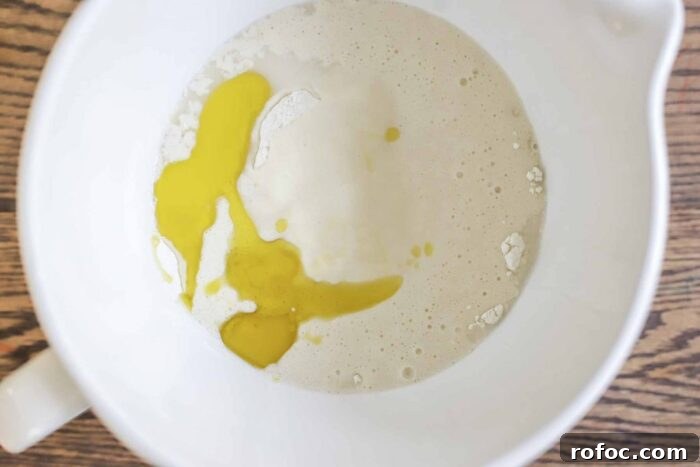
In a stand mixer with a dough hook or a large bowl, combine flour, sourdough starter, water, oil, and salt.
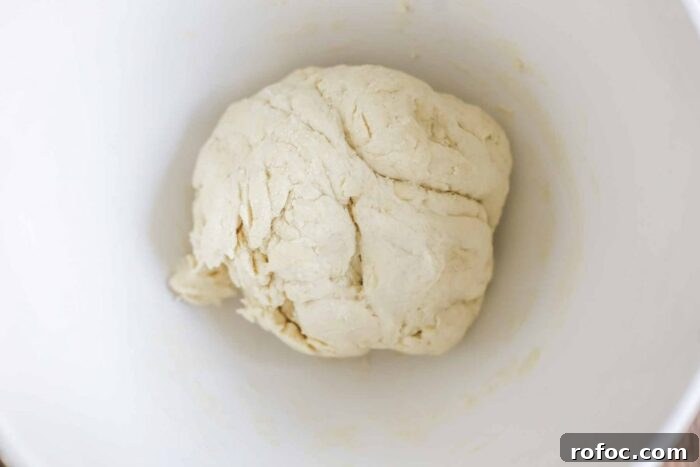
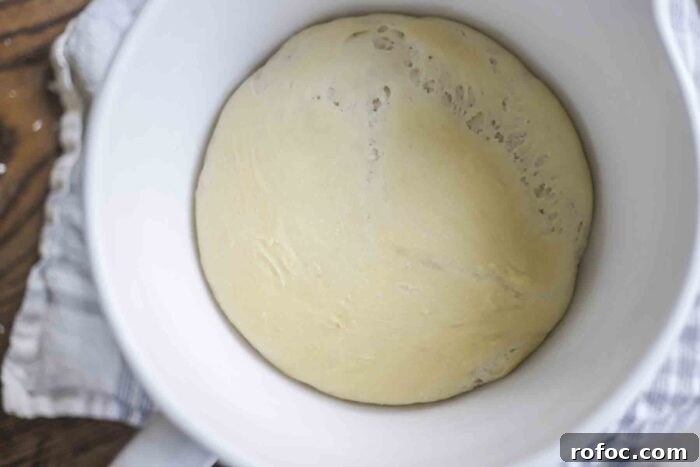
Knead about 10 minutes until the dough is smooth and elastic and passes the windowpane test. If it’s sticky, add a tablespoon of flour at a time; if too dry, add a teaspoon of water at a time. Transfer the dough to a lightly oiled bowl, cover tightly, and let ferment in a warm spot for 8–24 hours until roughly doubled.
The Next Day: Roll Out And Cook
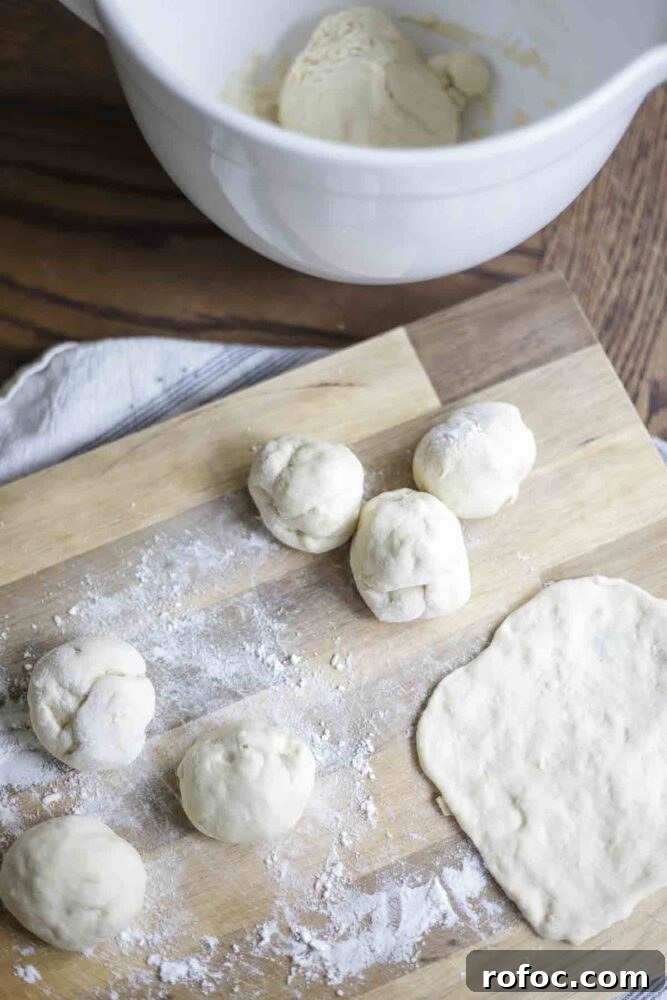
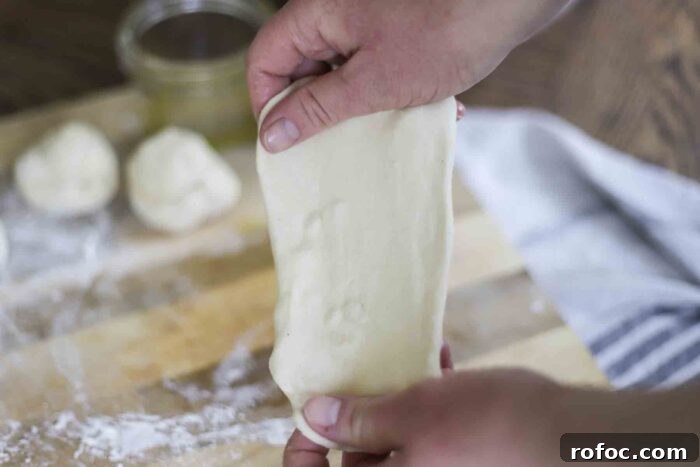
Preheat skillets to medium heat. Remove the dough and divide into 10–12 even balls. Roll or gently press each ball into a circle or rectangle about 1/4–1/2 inch thick. Use gluten-free flour or a small amount of oil on the surface if you need to avoid unfermented flour contact.
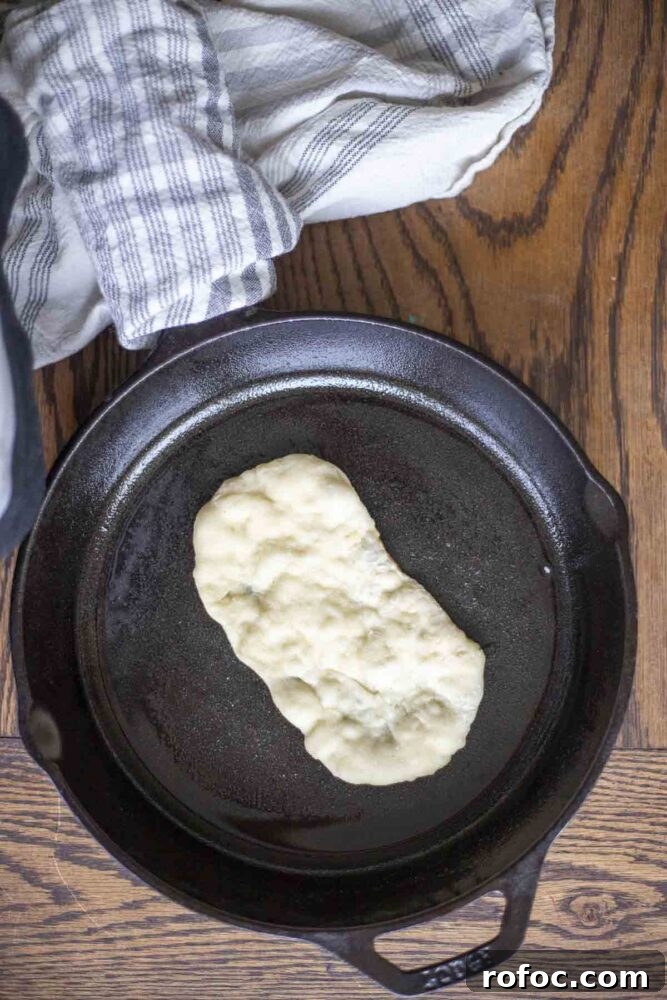
Brush each flatbread lightly with oil and cook in a hot, lightly oiled skillet. Cook about 3–4 minutes per side until bubbly and slightly charred. Serve warm.
Bakers Schedule: For Dinner
8 AM: Feed your starter if using active starter. Skip if using discard.
4–6 PM: Mix dough, place in an oiled bowl, and allow to ferment at room temperature.
5 PM the next day: Roll out and cook flatbreads.
Storage:
Store flatbreads in an airtight container at room temperature for up to 4 days.
Freezing sourdough flatbread:
Cool fully, then place flatbreads in a freezer bag and freeze for up to 3 months. They generally don’t stick together.
What can I do with flat sourdough bread?
- Serve as a side with soups, curries, or salads.
- Use as pizza bases — try a white bean spread with garlic, olive oil, and Italian seasoning topped with cheese and baked until bubbly.
- Make sandwiches, grilled cheese, or breakfast sandwiches.
- Top with smashed avocado for a quick “toast.”
- Use as taco shells or flatbread wraps.
- Make a Caprese-style topping with olive oil, tomatoes, basil, and fresh mozzarella.
- Sprinkle with seeds, herbs, or “everything” seasoning.
- Brush with butter and sprinkle cinnamon and brown sugar for a simple dessert.
Find More Sourdough Recipes
- Oatmeal Breakfast Cookies
- Apple Scones With Cinnamon Glaze
- Discard Chocolate Chip Bread
- Quick Sourdough Discard Pancakes
- Sourdough Discard Crackers
If you try and enjoy this recipe, please come back and rate it or tag @ablossominglife on social media.
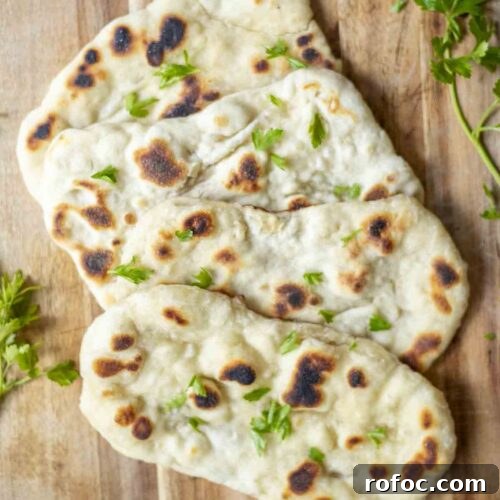
Sourdough Flatbread
Ingredients
- 3 cups all-purpose flour (440 g)
- 1 cup sourdough starter (active or discard) (240 g discard)
- 1/2 cup water (125 g)
- 2 tbsp oil (olive or avocado)
- 1/2 tsp salt
- Oil for cooking
Instructions
- In a stand mixer with a dough hook or large bowl, add flour, sourdough starter, water, oil and salt.
- Knead for about 10 minutes until the dough is smooth and stretchy.
- Place dough in a lightly oiled bowl and cover tightly.
- Ferment in a warm spot for 8–24 hours.
- The next day, preheat skillets to medium heat.
- Remove dough and divide into 10–12 even balls.
- Roll or stretch each ball into a rectangle or circle about 1/4–1/2″ thick.
- Brush with a little oil and cook in a hot, lightly oiled skillet.
- Cook about 3–4 minutes per side until bubbly with light charring. Serve warm.
Nutrition
| Calories: 184 kcal
| Carbohydrates: 33 g
| Protein: 5 g
| Fat: 3 g