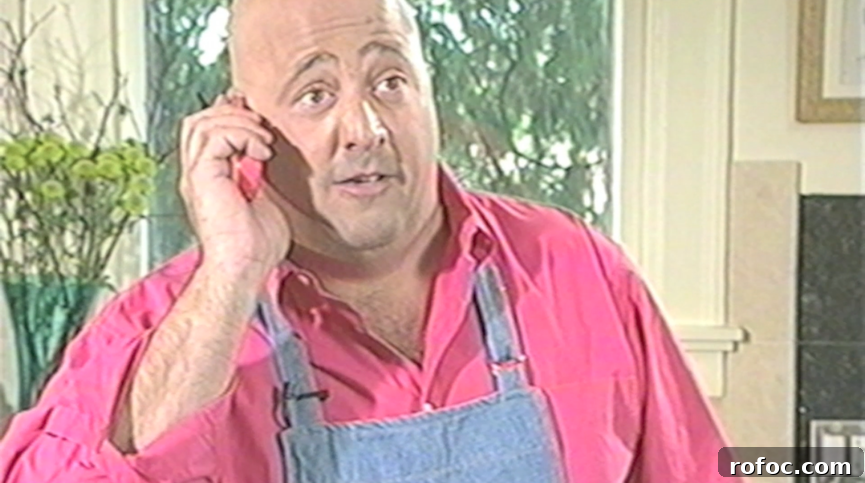
#TBT
Over a decade ago I made a conscious effort to take every on-camera opportunity that came my way. I was eager to gain experience, test my comfort level in front of a lens, and learn from the inevitable mistakes that come with live performance and quick turnaround projects. Those early days taught me more than any classroom could: how to read a teleprompter, how to improvise when sound or lighting failed, how to shape a short segment into something memorable, and how to collaborate with directors, producers, and talent to serve the story.
Not every project was a masterpiece. Some of the work landed squarely in the “learning” bucket, and a few were genuine train wrecks. But that process of trial, error, and refinement is what led to real growth. I began to understand the rhythms of commentary, how timing can turn a throwaway line into a punchline, and how to build a persona that felt authentic without being overdone. I also developed a practical sense for production: how to hit marks, how to maintain energy through multiple takes, and how to convey enthusiasm for something I hadn’t fully rehearsed.
One memorable example from that period was a sizzle reel I shot for a country music video countdown show. The assignment called for high energy, tight edits, and a bit of personality-driven banter. To give the piece a playful edge, we added MST3K-style commentary — the sort of running, sarcastic voiceover that riffs on what’s happening on screen. For this particular reel, I teamed up with my Go Fork Yourself co-host, Molly Mogren, whose quick wit and musical intuition made the commentary pop. Our back-and-forth was conversational, slightly irreverent, and designed to feel like two friends watching and reacting in real time.
That sizzle reel was a useful experiment in blending formats: we combined traditional countdown-show pacing with the meta-commentary style popularized by cult TV programs. The goal was to create something that would sell the concept to network execs and producers by demonstrating both format and tone. In practice, it became a crash course in pacing — deciding which clips needed a quick quip, when to let a moment breathe, and how to balance humor with genuine appreciation for the music and visuals.
Working with Molly was one of the highlights. Her instincts for timing and her ease on camera helped stabilize the piece whenever I felt we were slipping into gimmick. We deliberately kept our remarks grounded and specific, so the commentary felt anchored rather than empty sarcasm. That choice made the reel more effective: viewers could tell we were fans of the genre, even when we poked fun at a cheesy production choice or an over-the-top wardrobe moment.
From a production perspective, the reel reinforced key lessons that still inform how I approach on-camera work today. First, preparation matters: even spontaneous-sounding banter benefits from a few planned beats and agreed-upon cues. Second, chemistry between hosts elevates content. When two people trust each other and listen in the moment, the interaction reads as natural and engaging. Third, editing is everything — tight cuts and well-placed reactions turn dozens of small moments into a coherent narrative that sells a show concept quickly.
Looking back, I’m grateful for the willingness to jump into uncomfortable situations and make mistakes on camera. Those were the projects that sharpened my instincts, taught me practical production skills, and built the confidence to take on more ambitious work later. The country music video countdown sizzle reel is a snapshot of that time: imperfect, energetic, and full of experiment. If you watch it, you’ll see the rough edges alongside the moments that worked — and you’ll understand why I kept leaning into whatever role would get me in front of the lens again.