Today I want to talk about something that’s been on my mind for years: the essential pantry. I’m not a big planner when it comes to weekday dinners. I tend to open the fridge, freezer, and pantry and improvise. Most of the time it works, but sometimes it doesn’t — not for lack of effort, but because I’m missing a single, essential ingredient.
Join 500+ cozy folks for weekly recipes, crafts & good vibes – from my home to yours.
Sign up to receive the Cozy Weekend Starter Pack — a free PDF with three recipes, three crafts, and weekend inspiration.

Here’s my challenge: I’ll share my essential pantry list if you share yours. Open your cabinets, fridge, and freezer and take a look. I’ll start by listing the basic items I rely on. If you tell me yours, I’ll reveal more of what I keep over the coming weeks. Together we can build a practical, well-stocked pantry checklist that helps you cook a delicious meal in about 30 minutes, any night you choose.
I think a major reason people order takeout, eat out often, or default to leftovers is that the pantry lacks reliable, single-purpose essentials. We are good at keeping household items like toilet paper, shampoo, toothpaste, and coffee on hand because they are discrete items with a single use. Food staples are different: they combine into many dishes, and when one ingredient is missing, a whole meal can fall apart.
My solution has been to assemble a personal essential-food pantry. It’s a work in progress, but these are the ingredients I use regularly and recommend stocking. Below I explain why I keep each item and give a straightforward checklist you can copy. Note: this list focuses on creating consistently tasty meals and does not take allergies or specific dietary needs into account.
We’ll begin with the basics: seasonings, oils, and fats. Salt, pepper, butter, and various oils form the backbone of quick, flavorful cooking.

Salt and pepper
For boiling pasta, soups, and stews, stick with the everyday salt you already keep on hand — it does the job. For finishing dishes, I love Maldon salt: its flaky texture and clean, oceanic flavor lift salads, roasted vegetables, and meats. A little Maldon goes a long way when you want that final flourish.
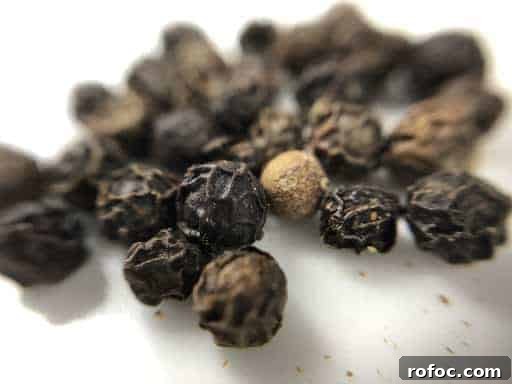
For pepper, I prefer Tellicherry peppercorns for their complex, fruity heat. I use a grinder for daily seasoning, and when I want pepper to be the star — for example, in steak au poivre — I crack the peppercorns with a mortar and pestle to release their essential oils. Remember: recipes that say “season with salt and pepper” are being vague. Salt enhances flavor; pepper changes it. Use both thoughtfully.
Oils and butter
Keep at least two cooking oils: a neutral, high-smoke-point oil for searing and frying, and a quality extra-virgin olive oil for dressings and finishing. I like peanut oil for high-heat cooking because of its high smoke point, and a peppery extra-virgin olive oil for cold use like salads or finishing vegetables. Taste a few if you have the chance; the flavor range among good olive oils can be surprising.
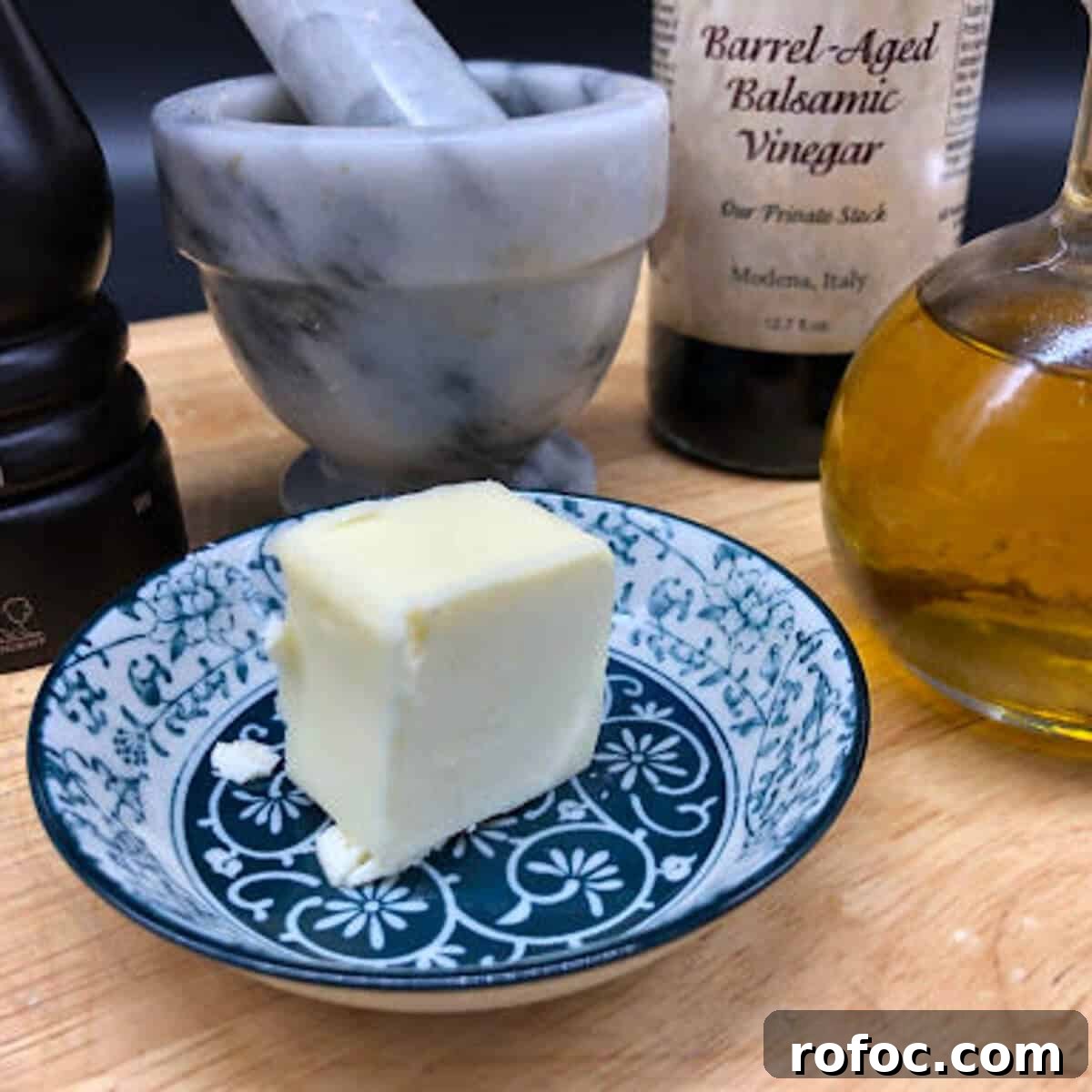
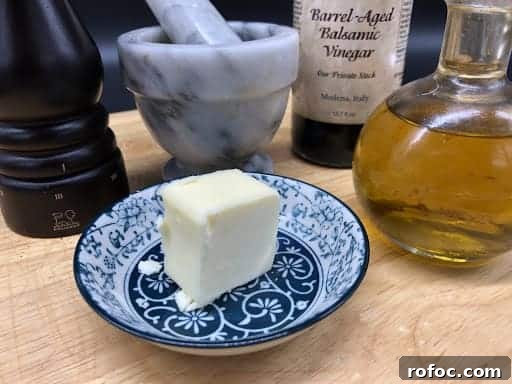
I always stock both salted and unsalted butter, and I buy extras when they’re on sale — butter freezes well for up to a year. A good rule of thumb: if a dish tastes flat, a bit more butter often helps round and deepen flavor. I often reach for a reliable block of Irish butter when I want rich flavor without breaking the bank.
Vinegars
Vinegars are small but mighty tools. An aged balsamic makes a dramatic finish on shaved Parmesan or a simple salad. For everyday cooking I keep red wine vinegar and white wine vinegar on hand; they’re versatile for dressings, pan deglazing, and brightening sauces.
Spices and dried herbs
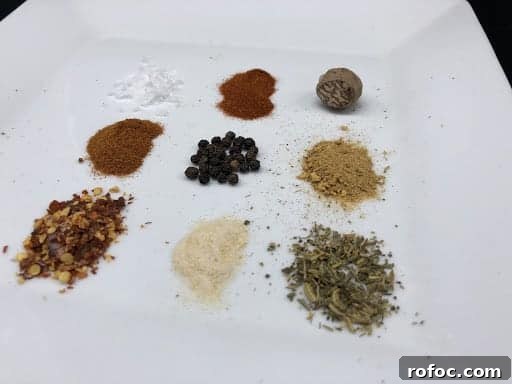
Fresh herbs from the garden are ideal in summer, and I dry or freeze extras for later. When buying dried spices, choose ones you’ll use up in months, not years — spices lose potency faster than their printed expiration dates suggest. Aim for versatility and freshness.
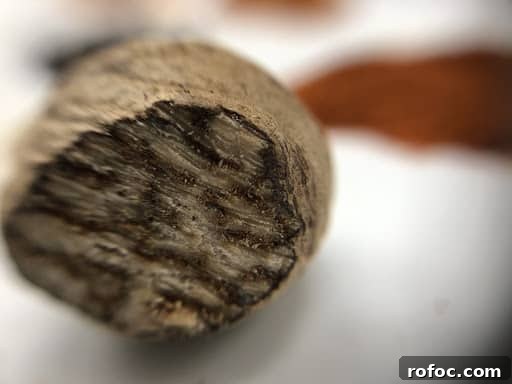
My go-to spices include sweet paprika, cayenne, chili powder, garlic powder, red pepper flakes, dried oregano, bay leaves, Herbes de Provence, and a solid chicken rub blend. I also keep whole nutmeg and grate it fresh for mashed potatoes, creamy sauces, soups, and some curry preparations. Whole spices like nutmeg last longer and taste brighter when freshly grated.
This article is the first part of a three-part series. In the next installment I will cover condiments, sauces, and refrigerator staples. The final part will focus on fresh produce and freezer essentials. As a bonus, I’ll share a couple of small pantry additions that don’t change a recipe’s core flavor but add depth and that “wow” factor people notice.
Oils, vinegars, and butters
- Peanut oil
- Extra virgin olive oil
- Red wine vinegar
- White wine vinegar
- Butter (salted and unsalted)
Spices and dried herbs
- Everyday salt
- Maldon salt
- Tellicherry peppercorns
- Paprika (sweet)
- Cayenne pepper
- Chicken rub
- Red pepper flakes
- Garlic powder
- Dried oregano
- Bay leaves
- Herbes de Provence
- Whole nutmeg
- Chili powder
What else do you keep in your pantry? Share your essentials in the comments below.