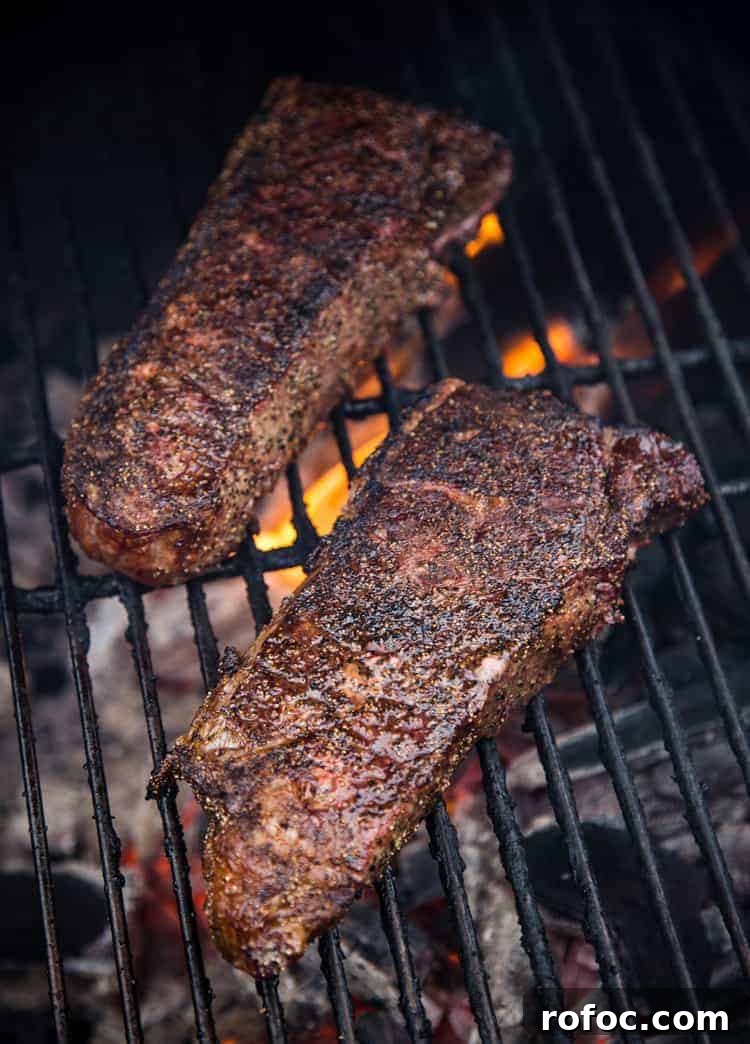
This guide explains how to grill a perfect steak every time, on any grill. As professional caterers, we are often asked the same question: how do you consistently cook a steak to perfection? The good news is it’s straightforward when you focus on a few key steps: proper heat, good seasoning, and correct timing.
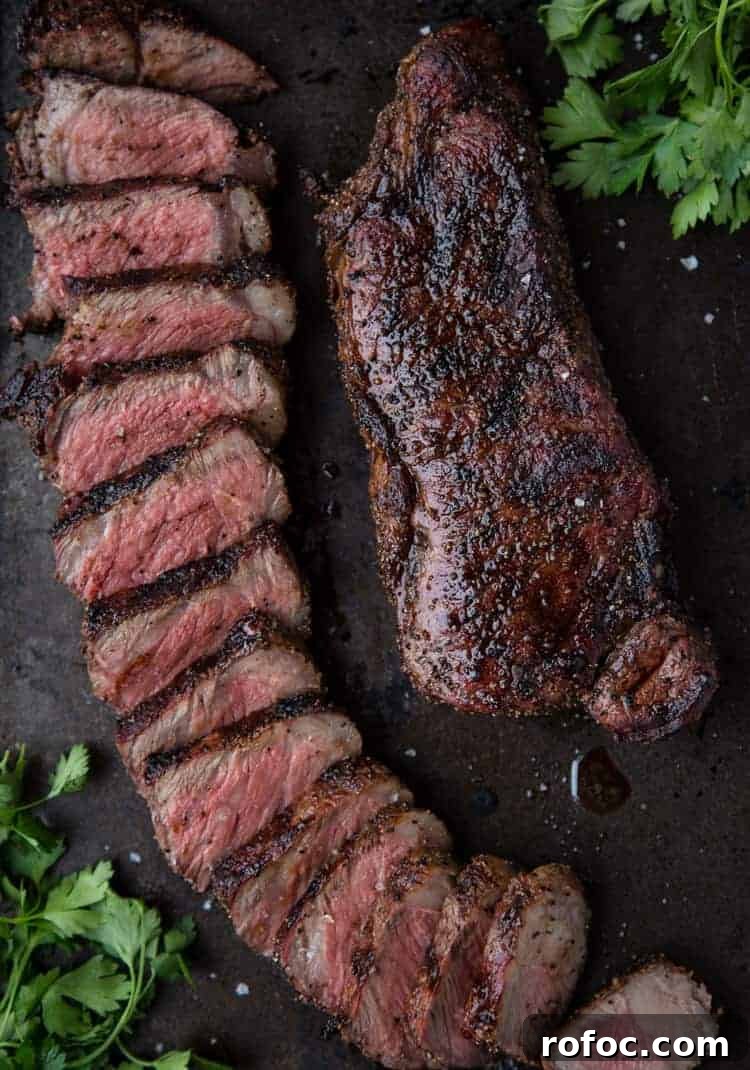
At events we frequently set up an interactive grill station so guests can watch our smokers and grills in action and ask questions. The most common topic is foolproof techniques for grilling steak. Below is the advice we share with guests, organized so you can find the steps, tools, and timing you need to get a juicy, flavorful steak every time.
Table of Contents
- What is Grilling?
- Tools Needed for Perfect Grilled Steak
- Best Steak Cuts for the Grill
- Chef’s Tip
- Seasoning
- Portion Sizes – How Much Steak Per Person
- How to Grill A Perfect Steak
- Taking Temperature
- When Is Steak Done
- Wine Pairing For Steak
- How To Grill Steak Perfectly Every Time
What is Grilling?
Grilling means cooking protein over high heat so the exterior sears while the interior reaches your desired temperature. Typical grilling surface temperatures range from about 400–600°F (200–315°C). That high-heat sear produces a browned crust through the Maillard reaction, which enhances flavor and texture.
The Maillard reaction is a chemical browning that occurs when proteins and sugars react at high temperature, producing complex savory aromas and a desirable crust. To encourage it, make sure the steak surface is dry or only lightly oiled before it hits the grill.
Smoking uses lower, slower heat—often under 300°F (150°C). A popular hybrid technique for steak is the reverse sear: first smoke or cook the steak at low heat until nearly done, then finish with a high-heat sear for color and crust. Reverse searing is an excellent alternative for thicker cuts or when you want more control over interior doneness.
Tools Needed for Perfect Grilled Steak
- A charcoal or gas grill that can reach high temperatures for an initial sear.
- An instant-read digital thermometer to monitor internal temperature and avoid overcooking.
- Long tongs to move steaks without piercing them and to reduce flare-ups.
Pellet grills: You can sear on a pellet grill if the unit gets hot enough. Infrared grates or a preheated cast-iron pan placed on the grill can produce a quick sear without overcooking the interior.
Best Steak Cuts for the Grill
Lean cuts have less intramuscular fat, cook more quickly, and are less prone to heavy flare-ups from melting fat. Watch internal temperature closely with these cuts.
- Filet mignon
- Top sirloin filet
- Petite sirloin
Marbled cuts have more intramuscular fat, offering rich flavor and tender texture. They can produce more flare-ups, so manage flames and move steaks off direct heat if they catch.
- Ribeye
- New York strip (striploin)
- T-bone
- Porterhouse
Chef’s Tip
Chef’s tip: Choose steaks at least 1½ inches thick when possible. Thicker steaks tolerate a high-heat sear and allow easier control of the final internal temperature. Thin steaks are prone to overcooking and are harder to get evenly right.
Seasoning
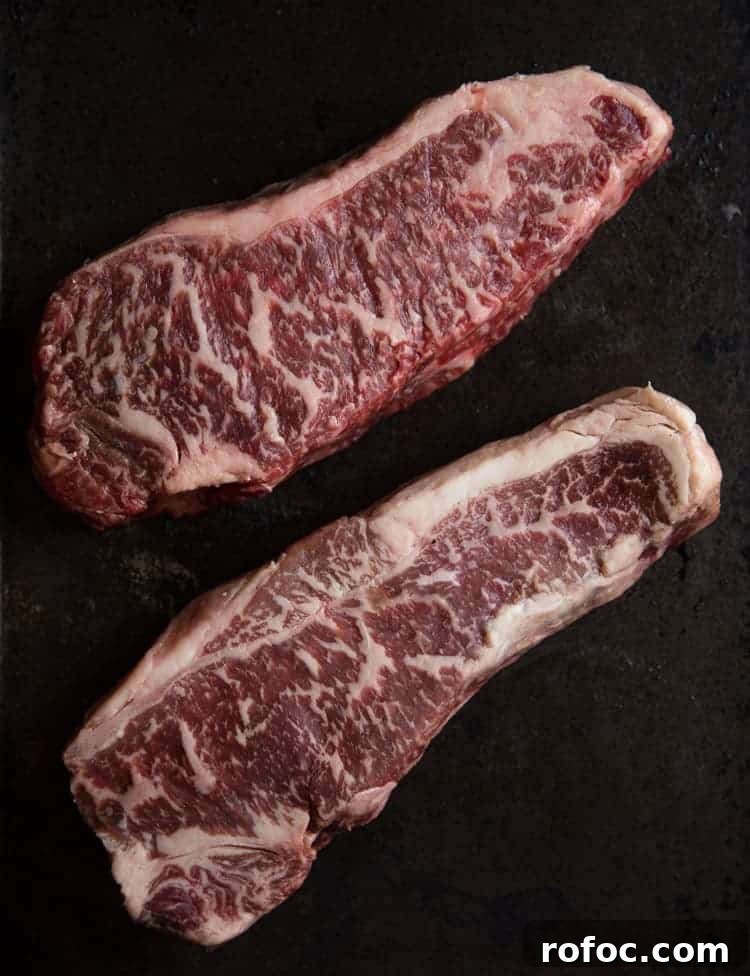
There are many ways to season steak, but a simple, classic approach yields excellent results: kosher salt, coarse black pepper, and granulated garlic. This combination lets the beef’s flavor shine while promoting a flavorful crust.
Avoid seasonings with sugar when cooking over very high heat; sugar can burn and turn bitter. Plan about 1 tablespoon of seasoning per steak and use a dry-brine approach whenever possible: season steaks at least one hour before cooking, ideally up to 24 hours, refrigerated uncovered. Dry brining seasons the interior and helps form a better crust.
For deeper umami complexity, some chefs add small amounts of mushroom powder or anchovy powder to a rub; these ingredients enhance savory notes without overtaking the meat.
Portion Sizes – How Much Steak Per Person
For a dinner portion, plan roughly 3/4 pound (about 340 g) of raw steak per person. For example, plan about 3 pounds of raw steak for a party of four. After cooking and slicing, distribute portions on plates or serve family-style.
How to Grill A Perfect Steak
- Preheat the grill. For charcoal use a two-zone setup (direct and indirect heat) so you can sear over high heat then finish over indirect heat. Lump charcoal provides strong heat and good flavor.
- Trim and dry. Trim excess fat if needed and pat the steak dry. A dry surface promotes a better sear.
- Oil and season. Lightly coat the steak with olive oil and apply your seasoning evenly.
- Sear over direct heat. Place the steak on the hottest part of the grill and sear for 3–4 minutes per side to build a crust.
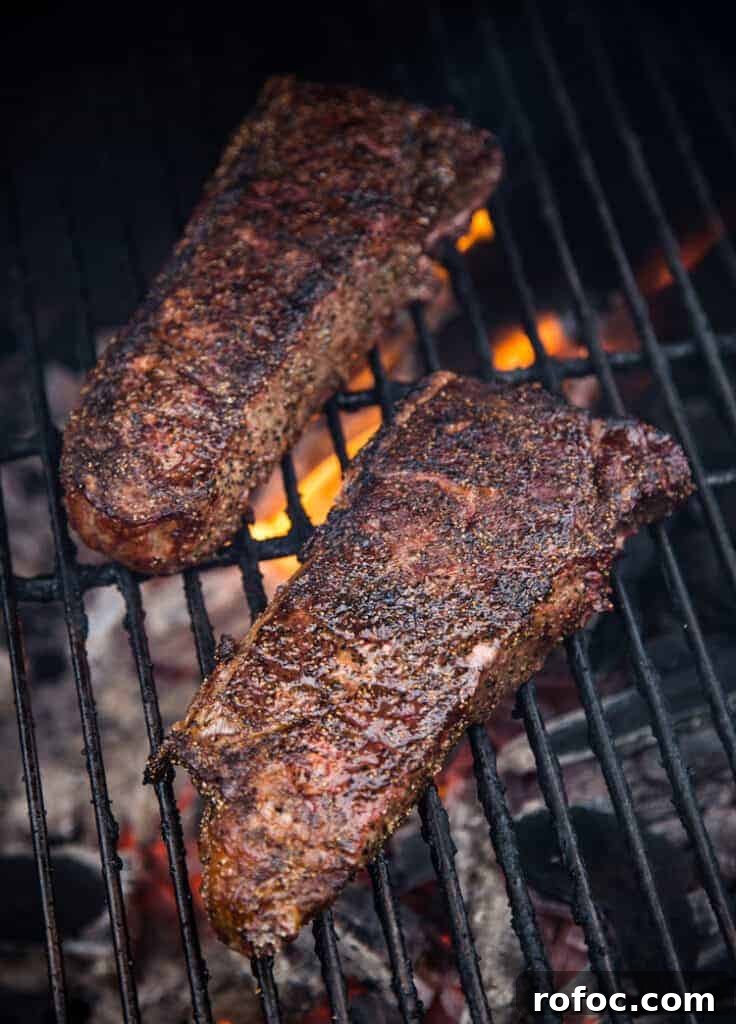
- Finish over indirect heat. Move the steak to the cooler side of the grill and close the lid. Continue cooking for 8–12 minutes, depending on thickness and desired doneness.
- Rest the steak. Remove from the grill and let rest for about 10 minutes. Resting lets juices redistribute and accounts for carryover cooking, which can raise internal temperature a few degrees.
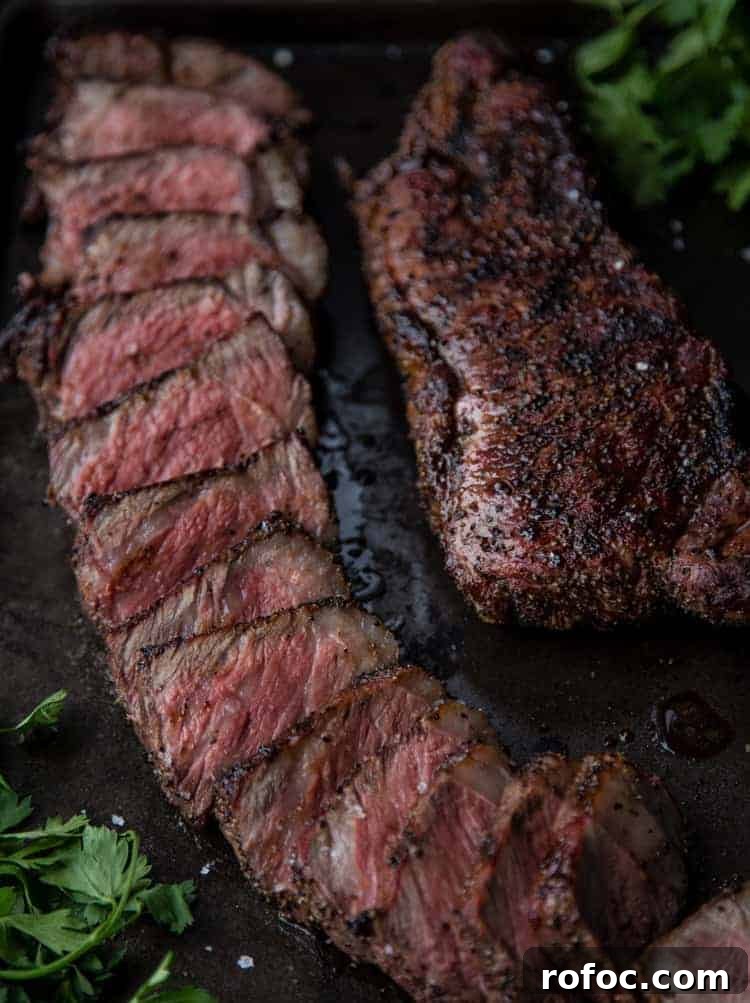
- Slice and serve. Slice against the grain for the most tender bites and serve immediately.
Taking Temperature
Use an instant-read thermometer and insert the probe into the thickest part of the steak, avoiding bone and heavy fat. Move the probe gently to find the coolest spot in the center. Remove the steak from the grill when that spot reaches the target finishing temperature minus about 5°F (to allow for carryover).
When Is Steak Done
Beef Temperature Ranges
Remember that meat continues to cook after it is removed from the grill. For steaks, pull them off the heat about 5°F (3°C) below your desired finished temperature and let them rest for a few minutes. Typical internal temperature targets:
| Black and Blue | 100–120°F |
| Rare | 120–130°F |
| Medium Rare | 130–140°F |
| Medium | 140–150°F |
| Medium Well (not recommended) | 150–160°F |
| Well Done (not recommended) | 160–170°F |
Wine Pairing For Steak
Fat and tannin complement each other, so richer, fattier steaks pair well with more tannic red wines. Classic matches include Cabernet Sauvignon and Merlot. For leaner cuts, lighter-bodied reds such as Pinot Noir can work nicely if you prefer less tannin.
If you enjoy exploring, try regionally appropriate reds that balance acidity and tannin with the steak’s texture. Ultimately, choose a wine you enjoy—there are many great pairing options depending on the cut and seasoning.
Other Great Grilled Steak Recipe Ideas
Try variations like filet mignon with mushroom butter, picanha with creamy mushroom sauce, bavette with peppercorn sauce, or a reverse-seared ribeye for different flavor profiles and textures.
- Filet mignon with mushroom butter
- Picanha with mushroom cream sauce
- Bavette with whiskey peppercorn sauce
- Reverse-seared ribeye
Side Dish Ideas For Steak
Pair your grilled steak with classic sides like roasted potatoes, grilled broccolini with lemon and Parmesan, or charred Brussels sprouts for a balanced, satisfying meal.
- Roasted potatoes
- Grilled broccolini with lemon and Parmesan
- Charred Brussels sprouts

Consider collecting favorite grilling recipes in a personal cookbook or digital folder for easy reference when planning meals.
How To Grill Steak Perfectly Every Time
Rate Recipe
Print Recipe
Equipment
-
Long tongs
-
Digital instant-read thermometer
Ingredients
- 3 pounds NY strip steaks
- ½ tablespoon extra virgin olive oil
- 3 tablespoons SPG rub (salt, pepper, granulated garlic)
Instructions
-
Preparation: Set up and preheat the grill for two-zone or direct/indirect cooking. While the grill warms, trim excess fat if needed and pat steaks dry. Lightly coat with olive oil and season with salt and pepper.
-
Grill Direct: Place steaks on the hot grill (aim for about 500°F over the direct zone) and sear 3–5 minutes per side or until a rich brown crust forms.
-
Grill Indirect: Move steaks to indirect heat, close the lid, and continue cooking 8–10 minutes or until the internal temperature reaches about 125°F for rare or your preferred target.
-
Rest: Let steaks rest approximately 10 minutes, then slice against the grain and serve.
Nutrition
Nutrition information is an estimate and should be used as a guideline only.
Additional Info
Like this recipe? Leave a comment below!