[et_pb_section fb_built=”1″][et_pb_row][et_pb_column type=”4_4″][et_pb_post_title][/et_pb_post_title]
Does it feel like you can never get ahead financially? Small, consistent changes can turn that around.
by Andrea Norris-McKnight
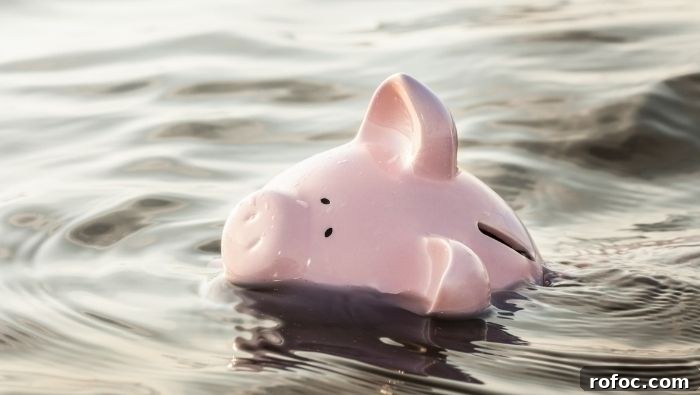
Do your finances often feel like you’re taking two steps forward and one step back—constantly fighting a current that won’t let you make progress? That’s a common experience. When the current is mild, you make headway. But when life throws an unexpected expense your way—reduced work hours, a car repair, or a medical bill—you can be set back to where you were months ago.
That exhausting cycle is like swimming against the tide. Certain habits and small, repeated choices act like extra weight that pulls you backward. The good news is that small changes in what you do each week can reduce that drag and help you move forward instead of being swept back.
The Difference a Few Dollars a Week Can Make
Picture yourself swimming upriver and pocketing a handful of pebbles each week. At first they’re barely noticeable, but over time they add up and make progress much harder. Debt operates the same way—letting small balances accumulate makes gaining ground difficult and, if left unchecked, can feel overwhelming.
Now picture the opposite: each week you tuck away a few dollars into an emergency fund. That fund becomes a steady boulder you can hold onto when the current picks up. You may not surge forward instantly, but you won’t be swept downstream by every setback. An emergency fund provides stability during tough financial stretches and gives you time to regain momentum.
With manageable debt and a small emergency cushion, you can begin to build real financial progress. Over time, consistent saving and controlled spending let you push upstream even when conditions aren’t ideal.
The Big Difference Small Habit Changes Can Make
Major overhauls aren’t necessary to change your financial direction. Small, deliberate habit changes repeated over weeks and months create momentum. Start by choosing one practical area to cut back. It doesn’t need to be drastic—skip one restaurant meal a week, brew coffee at home, or cancel a subscription you rarely use. Redirecting $20 or $30 each month toward savings or debt reduction compounds into meaningful results over time.
How you handle unexpected costs matters. Relying on credit cards for emergencies increases long-term strain. Instead, set aside a tiny amount from every paycheck for a true emergency fund. Even $10 a week builds up and reduces the need to take on new debt when trouble hits.
Look at ways to increase income too. Sell unused items, pick up occasional freelance work, or try a side gig to create a buffer. Additional income, paired with smarter spending, accelerates progress and eases stress.
Finally, make a weekly financial check-in a habit. Spend 10–15 minutes reviewing your budget, tracking spending, and adjusting plans. Regular attention prevents small issues from growing and helps you stay focused on goals.
What Differences Will You Make to Move Ahead Financially?
Moving with the current instead of against it isn’t about perfection—it’s about consistent, manageable adjustments that reduce burden and build momentum. Start by removing one “pebble” from your routine: cut a small expense, save a little more, or earn extra cash. Over time those small steps shift your financial tide.
Be patient and persistent. With steady effort, you’ll progress from merely staying afloat to steadily advancing toward your financial goals.
Related: Simple Habits That Make a Financial Difference
Related reading
- Tricks for Stashing Small Savings (So It Doesn’t Disappear)
- 7 Frugal Habits for Building Savings
- 7 Habits of Highly Frugal People
Reviewed January 2025
About the Author
Andrea Norris-McKnight is the editor of The Dollar Stretcher and After 50 Finances. She has years of experience writing about practical personal finance strategies for everyday readers and has contributed to a variety of national outlets. Her work focuses on clear, actionable advice that helps people manage money, reduce debt, and build savings.
Sign Up for Savings
Subscribe to receive twice-weekly money-saving tips and articles to help you stretch your dollars further. We respect your privacy. Unsubscribe at any time.
[et_pb_section_end][et_pb_row_end][et_pb_column_end]