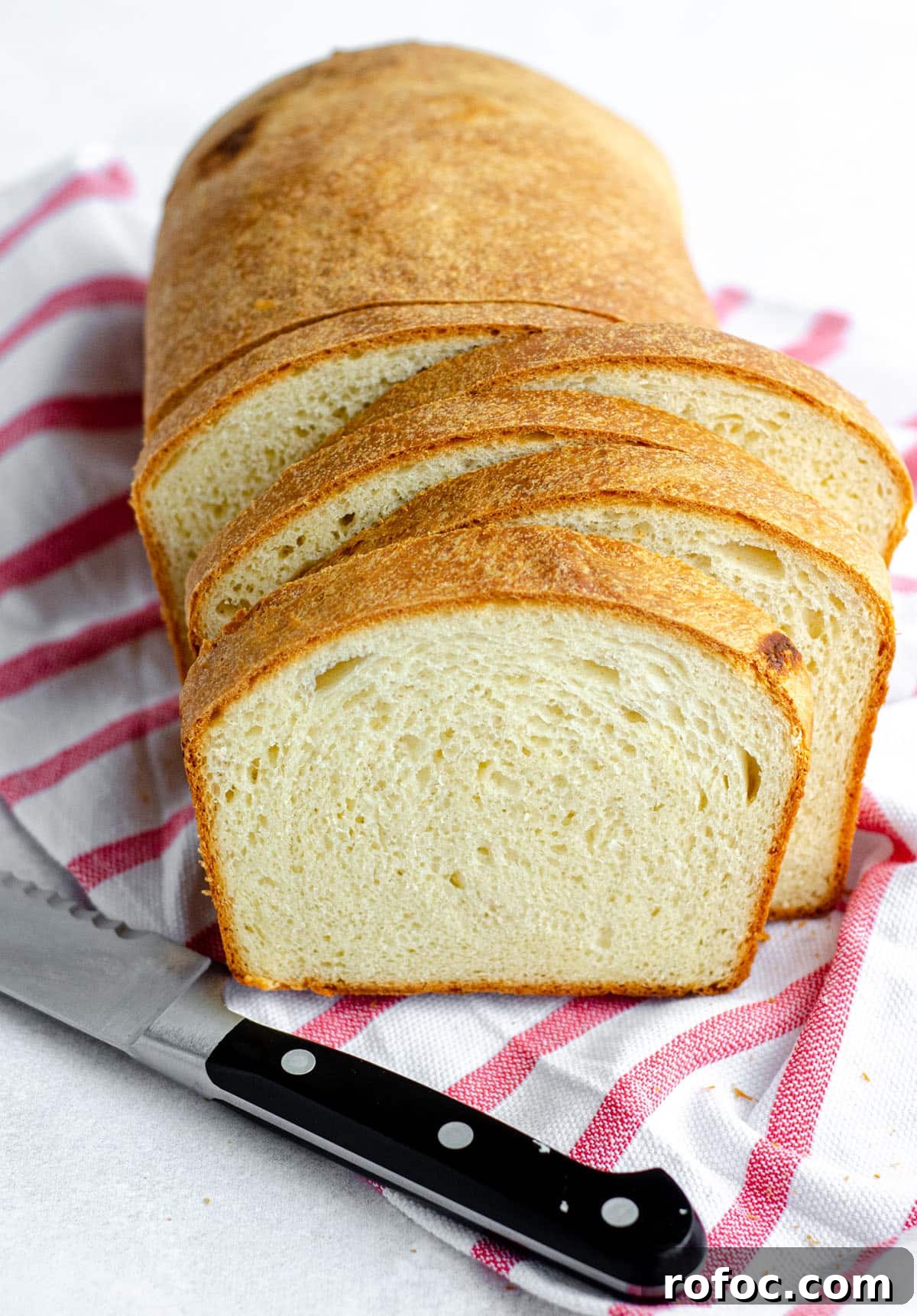
Use this comprehensive guide whenever you need to work with active dry yeast. All of your questions answered so you can be a yeast bread pro!
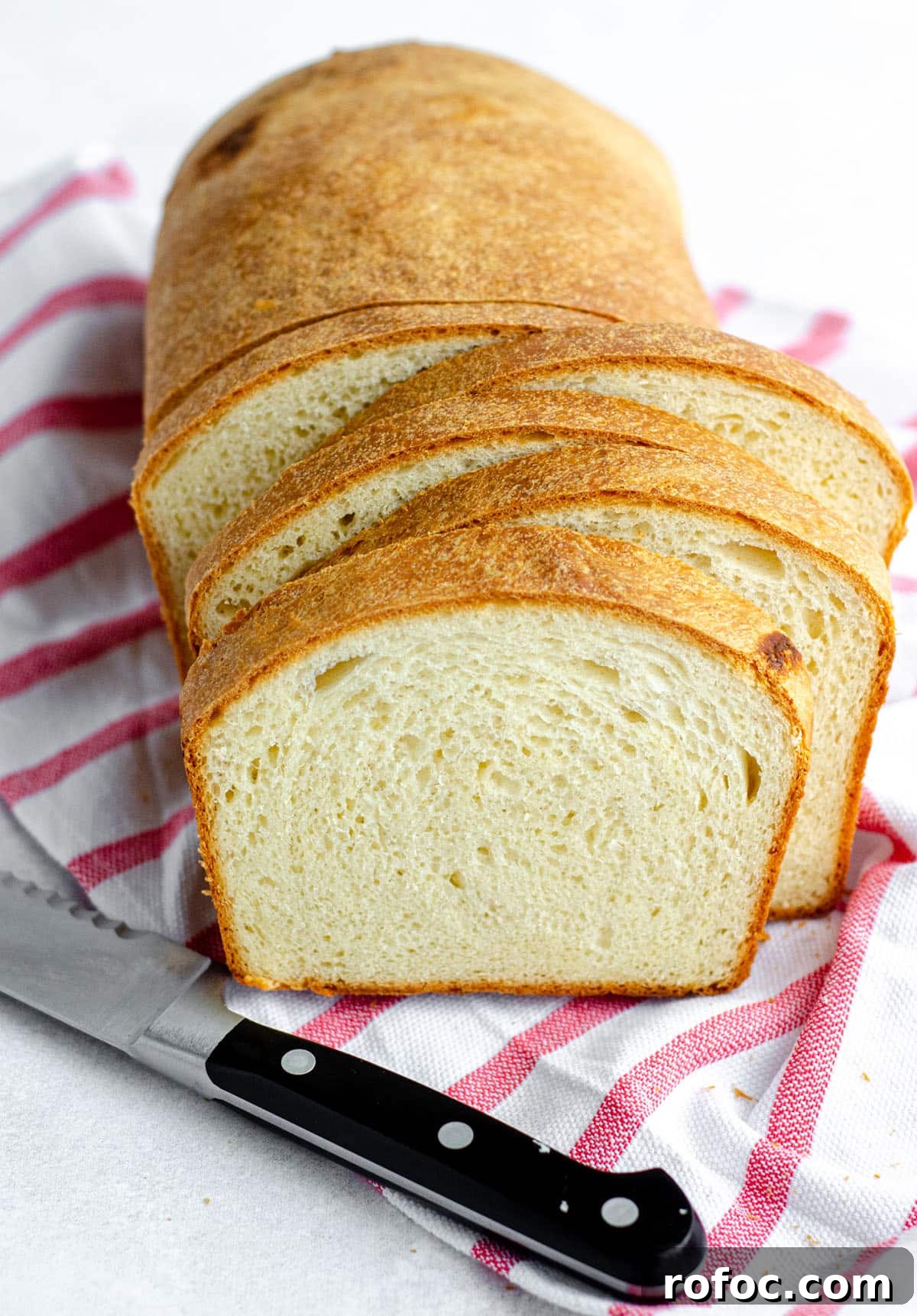
When I first learned to bake from scratch I started with cakes—they felt simple and predictable. Once I grew confident with those, I wanted to tackle yeast breads. At first I was intimidated, but learning a few fundamentals and practicing a handful of techniques made the process approachable and even enjoyable.
After my mother walked me through our family’s Italian anise bread, the mystery disappeared. Since then I’ve refined a straightforward, low-stress approach to working with yeast that I use to teach readers how to bake beautiful loaves, soft cinnamon rolls, and pillowy buns.
WHAT IS YEAST?
Yeast is a living microorganism that needs food and moisture to grow. There are different varieties, but for home baking you’ll mainly encounter baker’s yeast. Yeast feeds on sugar and ferments it, producing alcohol and carbon dioxide. The carbon dioxide forms the bubbles that expand dough during rising, creating the familiar flavor and the airy crumb in breads.
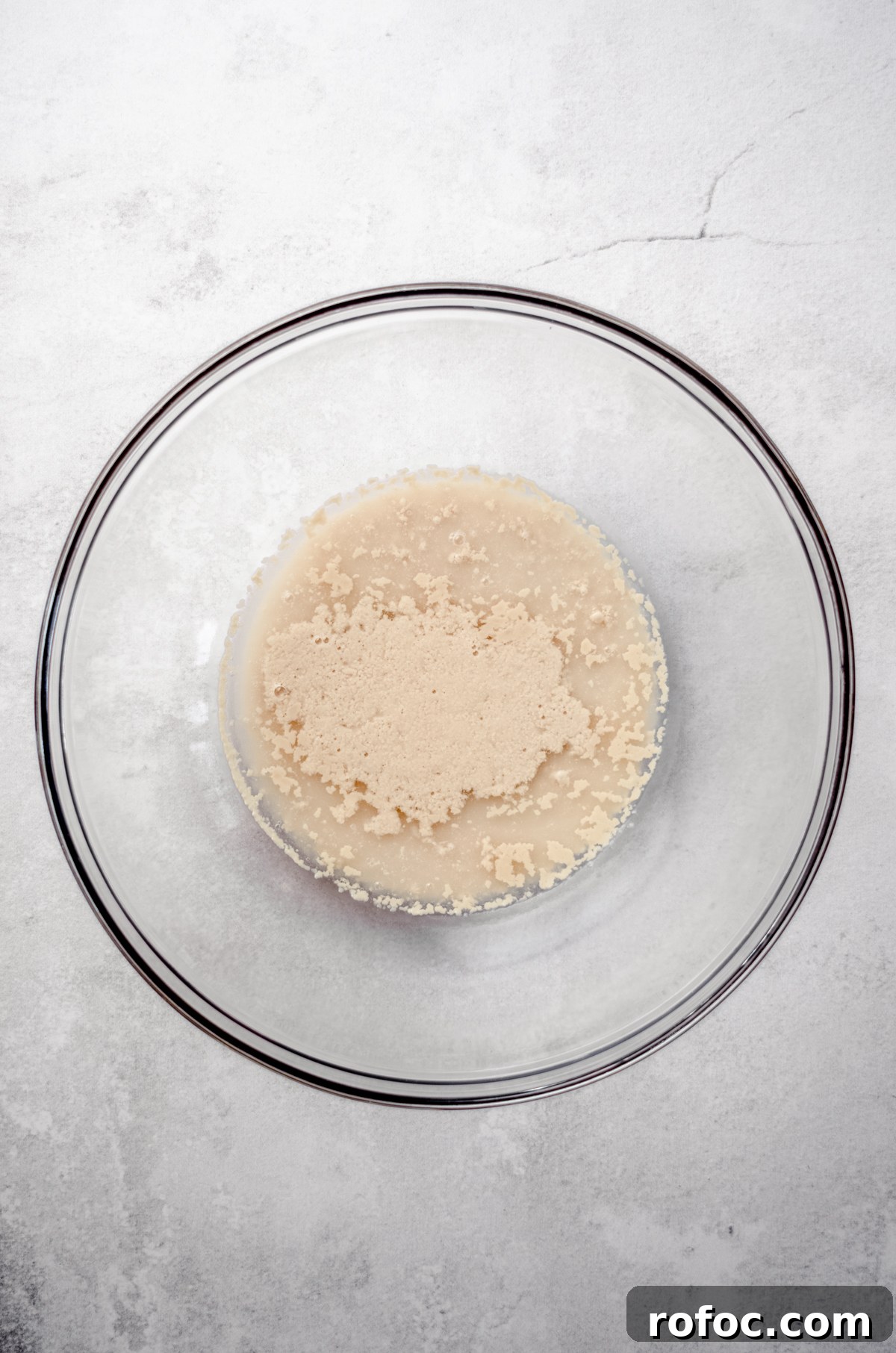
Baker’s yeast comes in two common dry forms: active dry yeast and instant yeast. Both are dormant until mixed with liquid, but they behave slightly differently in dough.
DRY YEAST: ACTIVE AND INSTANT
Active dry yeast is the classic choice for many yeast bread recipes. It activates at a moderate pace and is often the default called for in recipes. Instant yeast (also called rapid-rise or quick-rise) hydrates faster and produces a quicker rise. Both work well; you only need to adjust timing and watch the dough when swapping between them.
CAN I SUBSTITUTE ACTIVE DRY FOR INSTANT YEAST?
Yes. Substitute 1:1 by volume. Because instant yeast typically works faster, monitor rise times closely to avoid overproofing. Look for visual cues like the dough doubling in size rather than relying solely on clock time.
HOW MUCH YEAST DO I USE?
A general guideline is 2 1/4 teaspoons (one packet) of yeast for up to 4 cups of flour. Many home recipes are scaled for about 4–5 cups of flour. For smaller recipes, such as a two-cup flour batch, use roughly half a packet (about 1 1/8 teaspoons).
WHAT IS PROOFING YEAST?
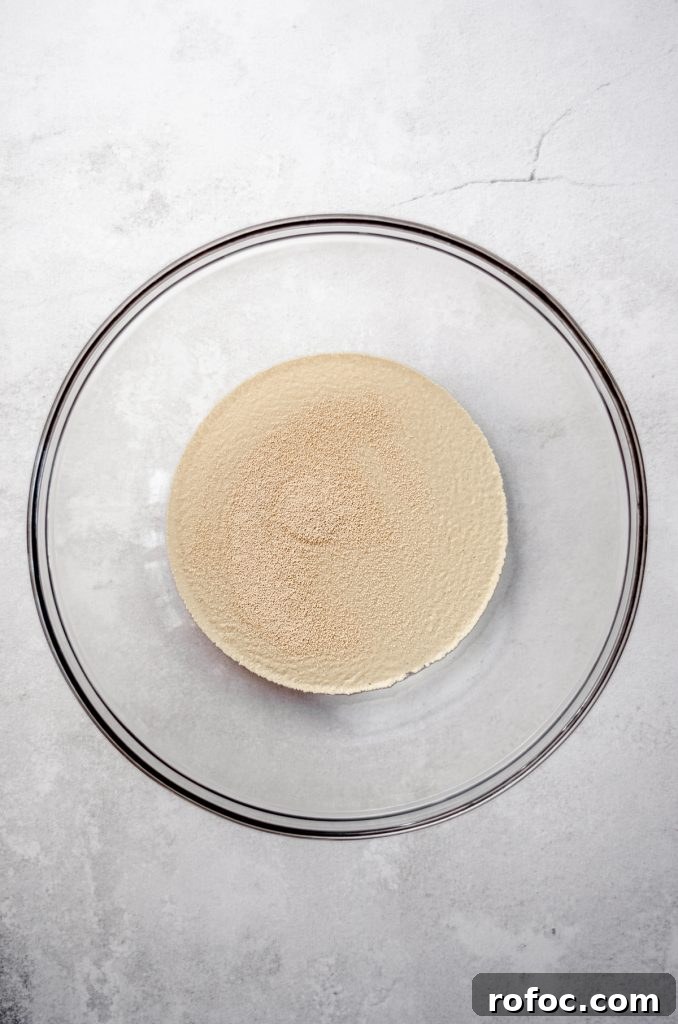
Proofing is a simple test to confirm your yeast is active. Dissolve yeast in warm water or milk with a pinch of sugar. After 5–10 minutes a healthy yeast should form a foamy, bubbly layer. If nothing appears, the yeast is likely inactive and should be replaced.
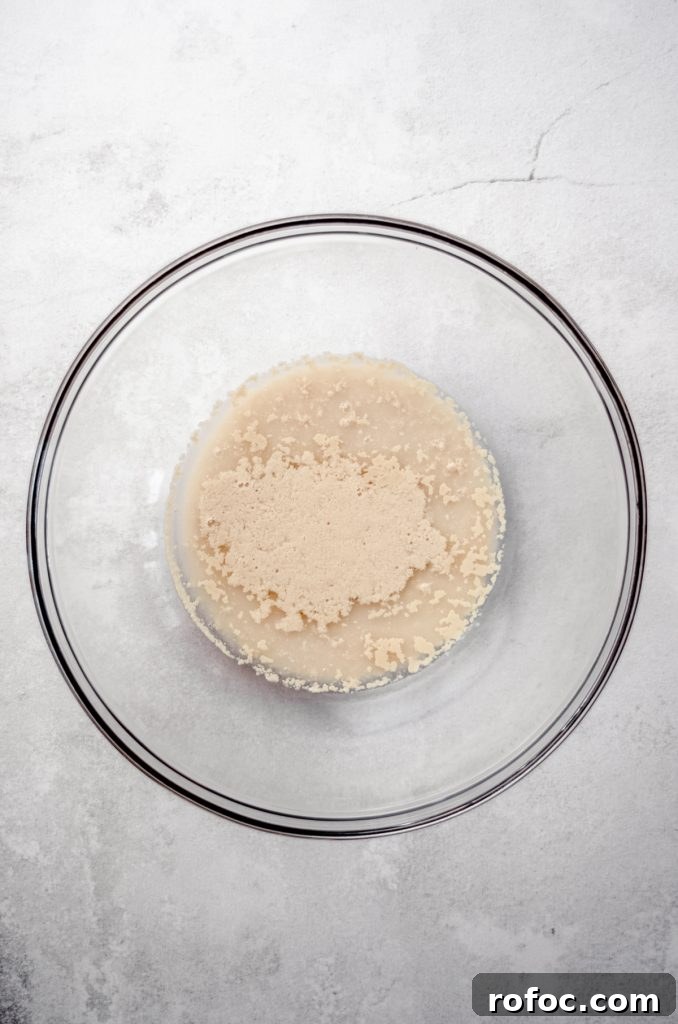
HOW DOES YEAST WORK?
When yeast is combined with warm liquid and often a bit of sugar, it ferments and releases carbon dioxide. That gas expands trapped air pockets and stretches the dough. Yeast prefers a warm—but not hot—environment. Aim for activating liquid around 110°F (43°C). A quick sensory test is to feel the liquid briefly on the inside of your wrist: if it feels comfortable and not hot, it’s right.
Cooler temperatures slow yeast activity and lengthen rise time. A slower rise can improve flavor, which is why long-fermented doughs like sourdough are prized. As you practice, you’ll learn how different rise schedules affect texture and taste.
HOW TO RISE DOUGH
Cover the dough and place it somewhere warm to rise. Depending on the recipe and room temperature, rising can take from one to several hours. During this stage the yeast ferments and the dough should generally be left undisturbed.
IF YOUR DOUGH IS HAVING TROUBLE RISING
If the dough shows little activity after 45–60 minutes, move it to a warmer location. In winter, a warm vent helps. You can also use the oven: preheat to 200°F (93°C) until it beeps, then turn it off. Let it cool slightly for about 5 minutes, place the covered bowl inside with the door cracked and check after 30 minutes. Close the door if you want to trap more warmth.
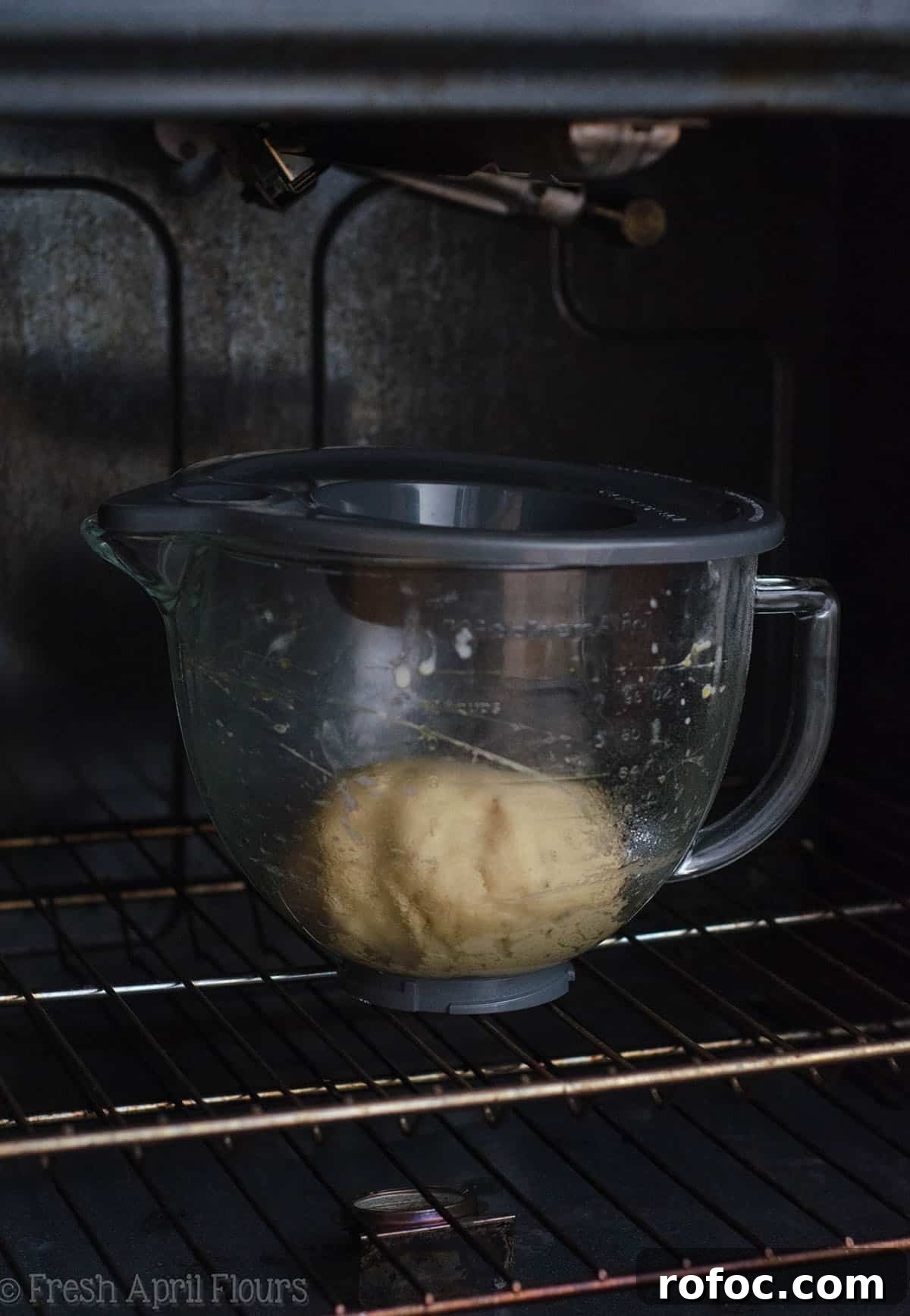
If dough still won’t rise:
Your environment isn’t warm enough — move the dough to a warmer spot.
The liquid was too hot and killed the yeast — start over with fresh yeast and cooler liquid.
The yeast is expired or inactive — replace the yeast.
There’s too much flour — allow more time and warmth; the yeast-to-flour ratio may be off.
The dough was kneaded incorrectly — if gluten is under- or overdeveloped, it’s often best to start again.
HOW TO KNEAD DOUGH
Kneading develops gluten, which creates the dough’s structure and traps the gas that makes bread rise. You can knead by hand or with a stand mixer and dough hook. Hands give you tactile feedback, but a mixer is a good option if hands are uncomfortable or unavailable.
WHY LET DOUGH REST?
Resting relaxes the gluten, making shaping easier and producing a softer crumb. After shaping, a short second rise (a proof) helps the dough relax and improves texture. If shaping is difficult, cover the dough and let it rest 10–15 minutes, then try again.
WHY PUNCH DOWN DOUGH?
Punching down, or degassing, releases excess air to allow easier handling, further kneading, or shaping. It evens out the crumb and prevents overly large holes in the finished loaf.
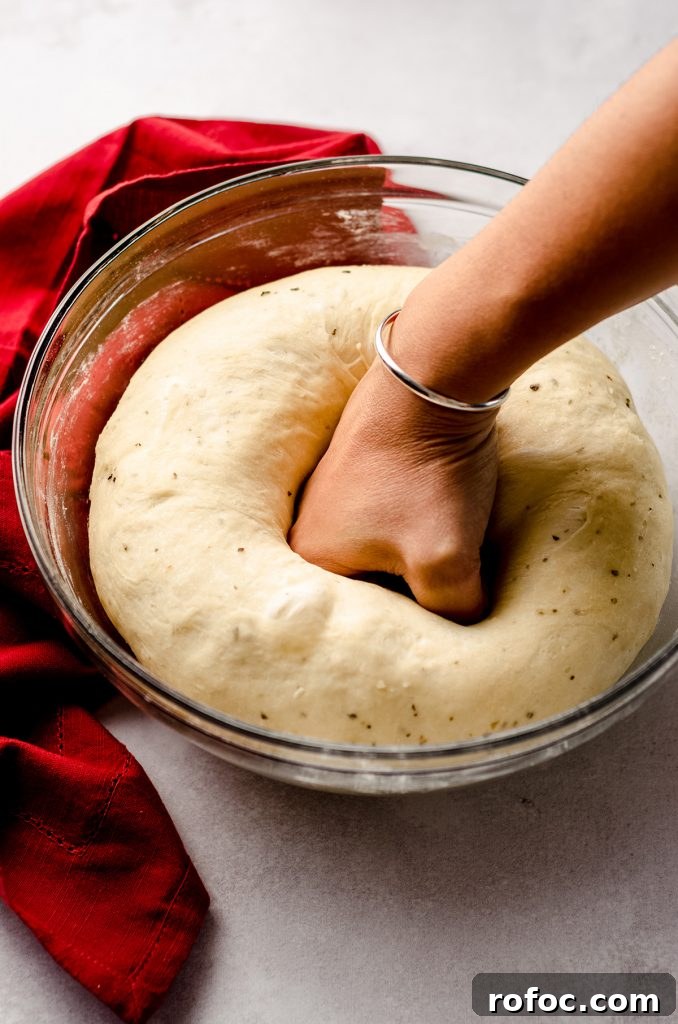
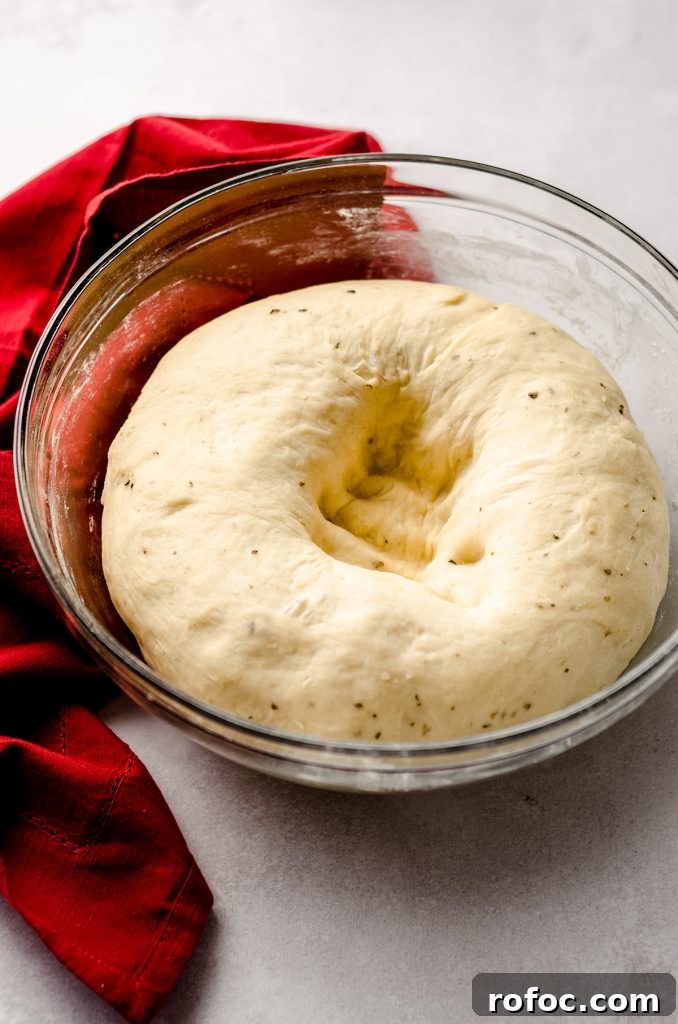
HOW TO STORE DRY YEAST
Store dry yeast in an airtight container in a cool, dry place. Yeast must remain dry to stay dormant. For best longevity, refrigerate after opening and use within about six months. Writing the open date on the container helps you track freshness.
CAN I FREEZE DRY YEAST?
Freezing extends shelf life to around eight months. Keep the container toward the back of the freezer to avoid temperature fluctuations. Thaw frozen yeast at room temperature for about an hour before measuring and using it; allow any accompanying ingredients to come to room temperature as well.

SOME EASY YEAST RECIPES TO TRY
Once you’re comfortable with the basics, try some straightforward yeast recipes that showcase different techniques and shapes.
Cinnamon Rolls: Fluffy, one-rise cinnamon rolls are an excellent introduction to enriched dough. Scale them to a small batch or make bite-sized minis for a crowd.
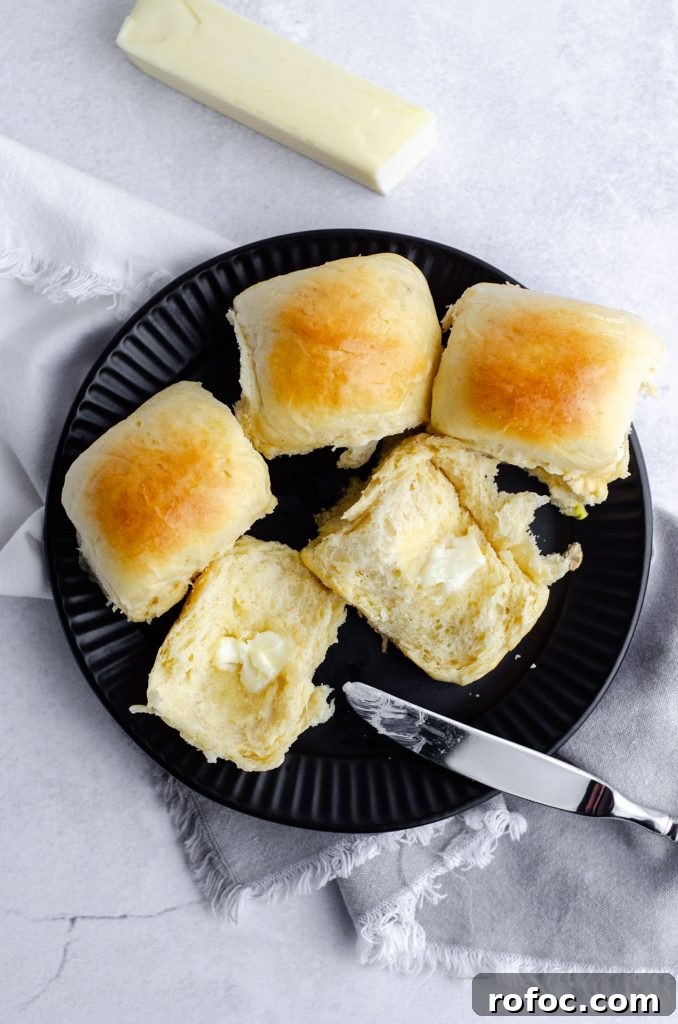
Yeast Rolls: Soft dinner rolls are forgiving and versatile—make them plain, shape them for special occasions, or use the dough for hot cross buns at Easter.
Cinnamon Babka: A twisted, filled loaf that’s a fun way to practice rolling, filling, and braiding enriched dough.
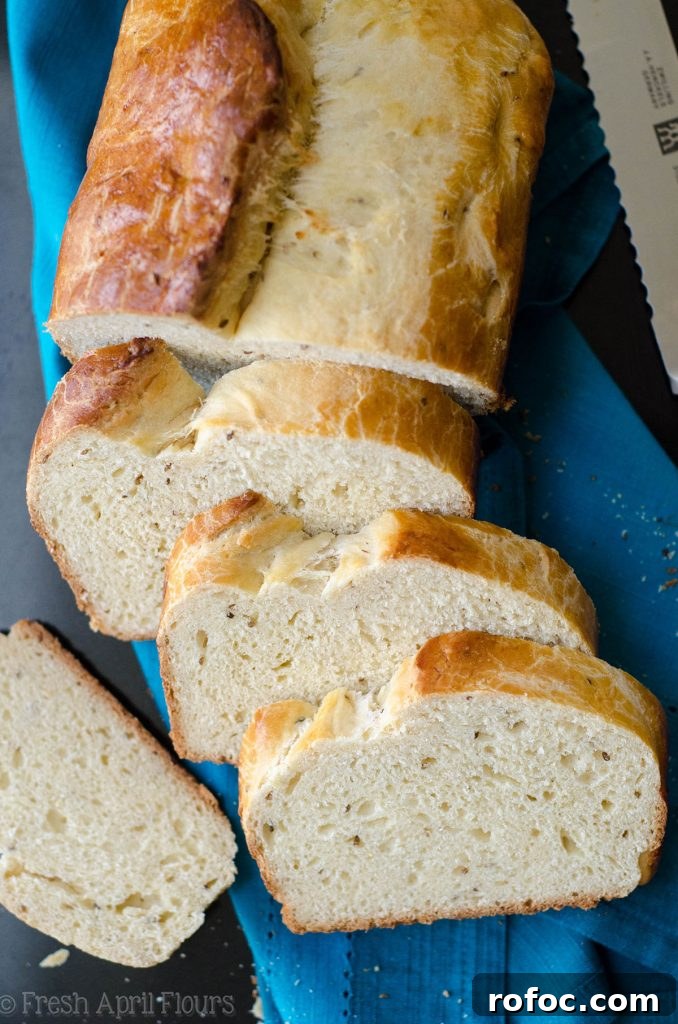
Italian Anise Bread: A sweet, festive loaf that’s a great first yeast bread to master.
Cardamom Rolls: Similar to classic rolls but flavored with cardamom for a fragrant twist.
Pizza Dough: A simple, forgiving dough that produces a chewy crust with a satisfying crisp.
Hot Dog and Burger Buns: Make your own soft, slightly sweet sandwich rolls that hold up to grilling and toppings.
With a few basic techniques—proofing yeast, mixing and kneading, controlling rise temperature, and learning when dough is properly proofed—you’ll build confidence and consistently produce excellent yeast breads. Bake regularly, observe what your dough is doing, and adjust temperatures and times to suit your kitchen and taste.