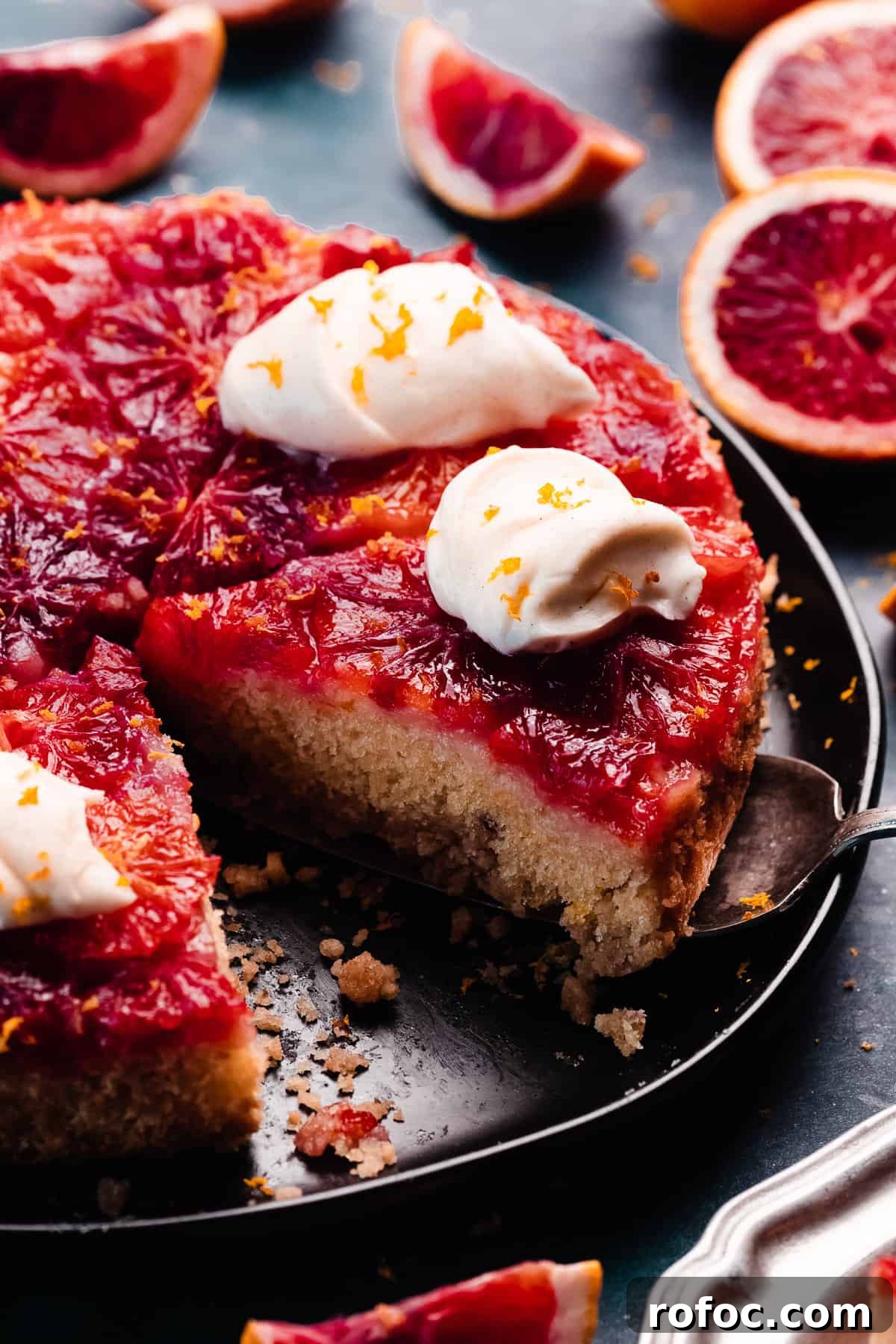
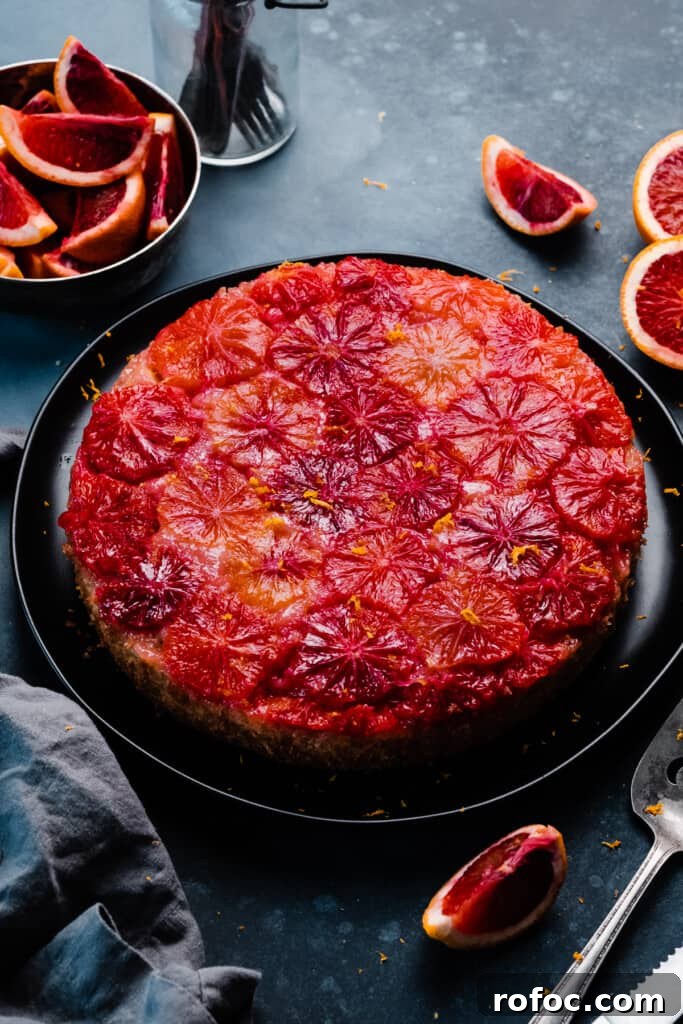
Orange Upside Down Cake highlights the bright flavor of orange season. A tender, moist vanilla cake is scented with fresh orange juice and zest and topped with juicy orange slices.
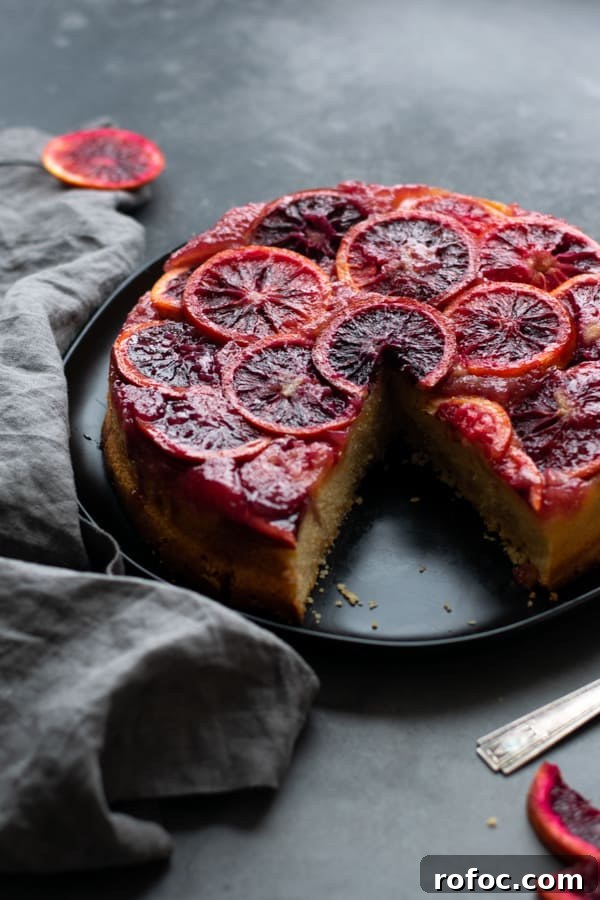
A crisp crumb layer at the bottom adds a pleasant contrast to the soft cake and the juicy fruit on top. This straightforward recipe comes together quickly yet looks elegant enough for special occasions.
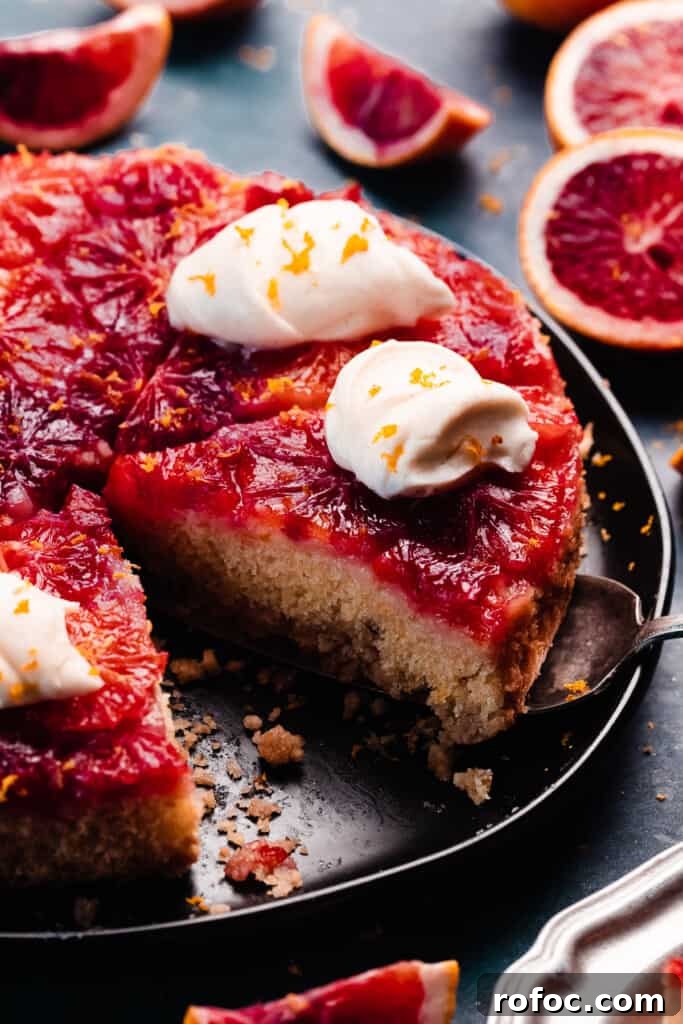
This recipe was first published in February 2019. The recipe and photos were recently updated for a lighter cake and to note that removing the orange peels improves flavor.
Why you’ll love Blood Orange Upside Down Cake:
- Fresh orange flavor – Slices of fresh orange provide vibrant fruit flavor, while orange juice and zest are folded into the cake for a layered citrus profile.
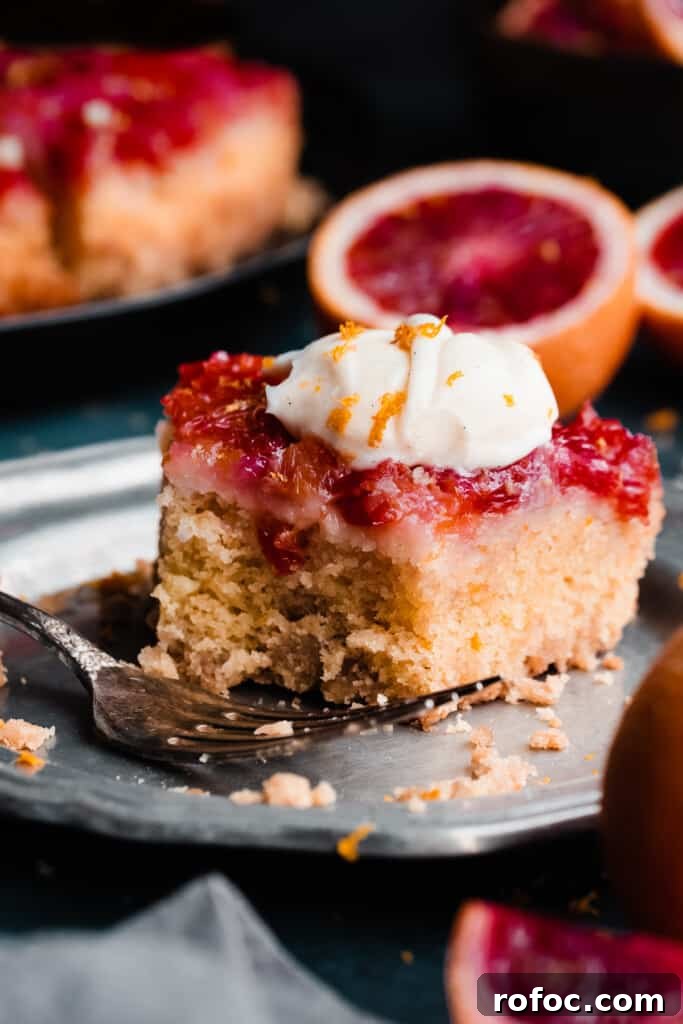
- Tender vanilla cake – A soft vanilla cake bakes up light and plush, with subtle citrus notes throughout.
- Surprise crumb layer – A slightly crunchy crumb layer on the bottom offsets the tender crumb and the juicy fruit for great texture contrast.
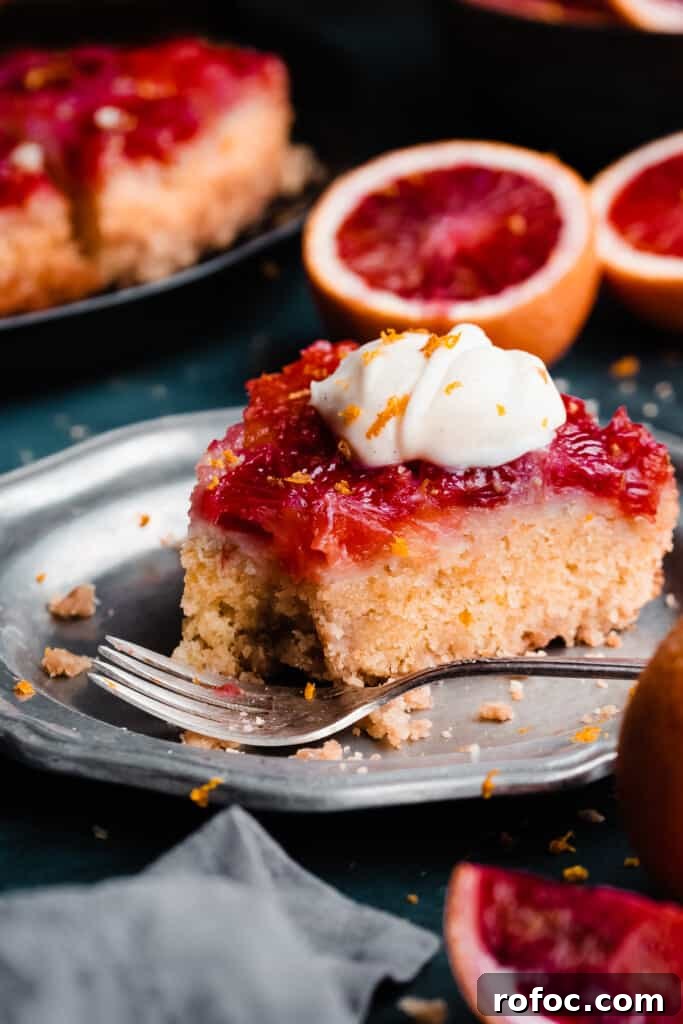
Ingredient Overview:
The full recipe with exact measurements and step-by-step directions is in the recipe card below.
- Oranges – Blood oranges give a rich color and flavor in winter, but regular navel or cara cara oranges work well too.
- Cake flour – Produces a lighter crumb. Spoon and level your flour or use a scale for accuracy.
- Sour cream – Use full-fat sour cream at room temperature for optimal texture.
- Butter – Salted butter adds flavor; use unsalted if you prefer, and bring it to room temperature before mixing.
- Milk – Use 2% or whole milk, brought to room temperature.
Ingredient Substitutions:
- Cake flour substitute – Make your own by removing 2 tablespoons from each cup of all-purpose flour and replacing with 2 tablespoons cornstarch, then sift well.
- Oranges – Navel, cara cara, or tangerines are fine alternatives. Very small mandarins are difficult to slice thinly once peeled.
- Almond extract – For a twist, add 1/2 to 1 tsp of almond extract along with the vanilla.
How to Make Blood Orange Cake:
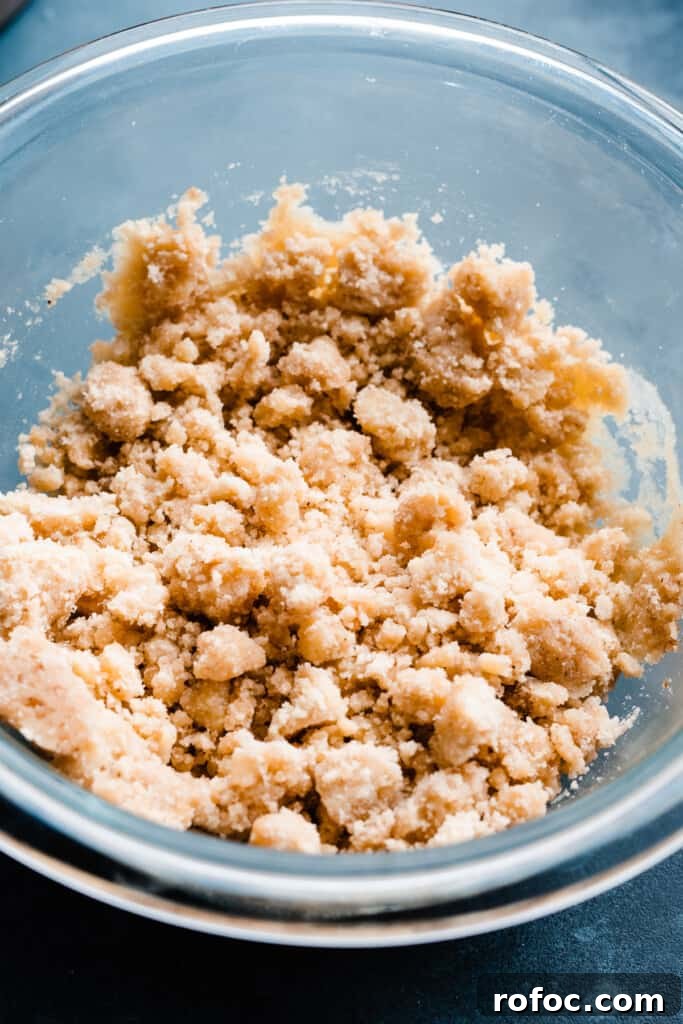
Step 1: Make the crumb layer. Stir melted butter with flour, brown sugar, salt, and cinnamon in a small bowl. Set aside to cool and thicken slightly.
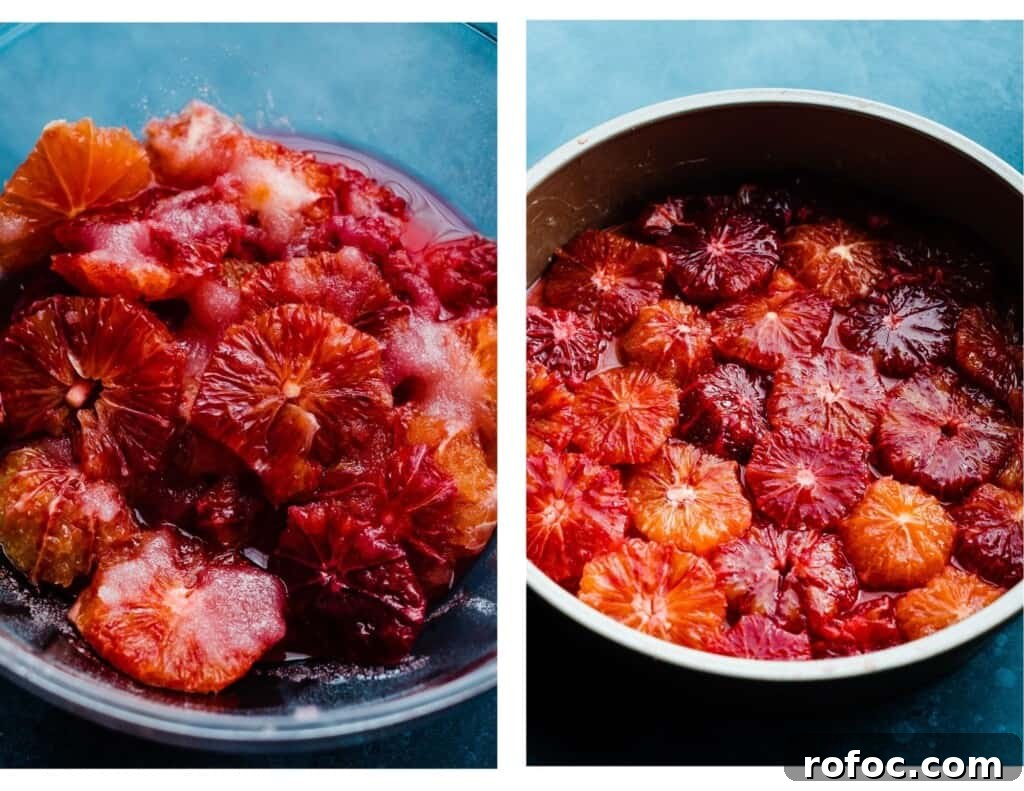
Step 2: Prepare the oranges. Peel the oranges, removing peel and pith, then slice thinly. Toss the slices with granulated sugar and let sit while you prepare the batter. When arranging in the pan, start from the center and work outward. Drizzle 2–3 spoonfuls of the released juice over the arranged slices.
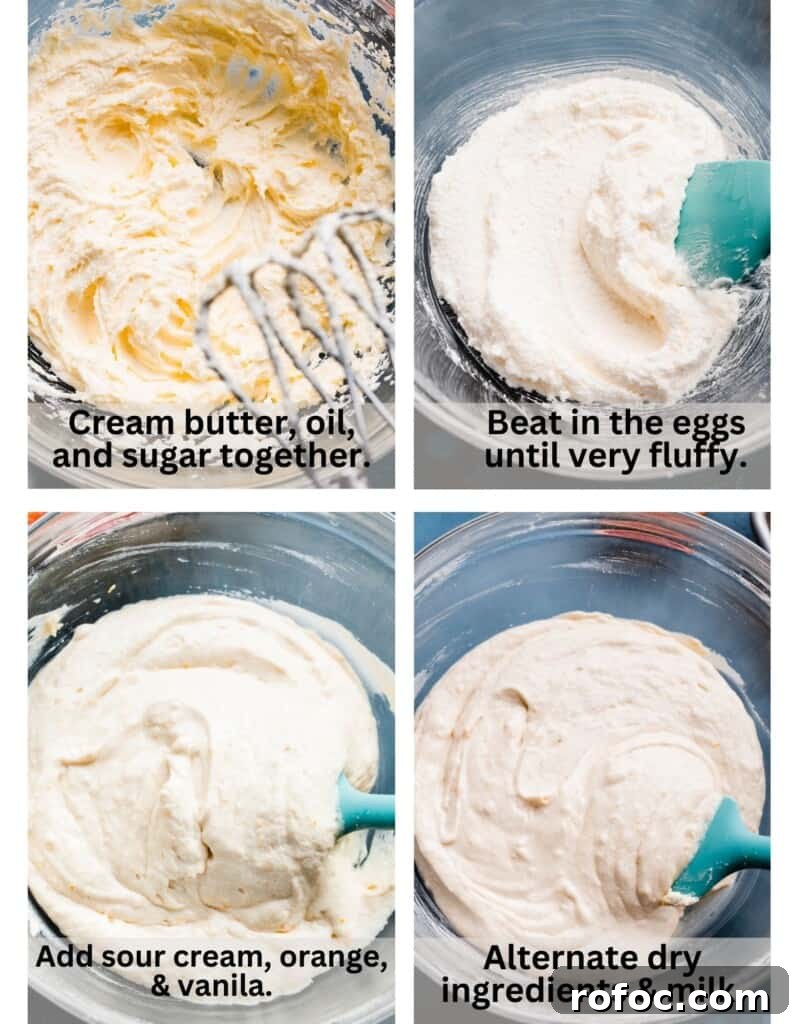
Step 3: Make the cake batter. Whisk dry ingredients together. Cream butter and oil, rub orange zest into the sugar, then beat until airy. Add egg, sour cream, and vanilla, then alternate adding the dry ingredients with the milk and orange juice to create a silky batter. Fold gently to avoid overmixing.
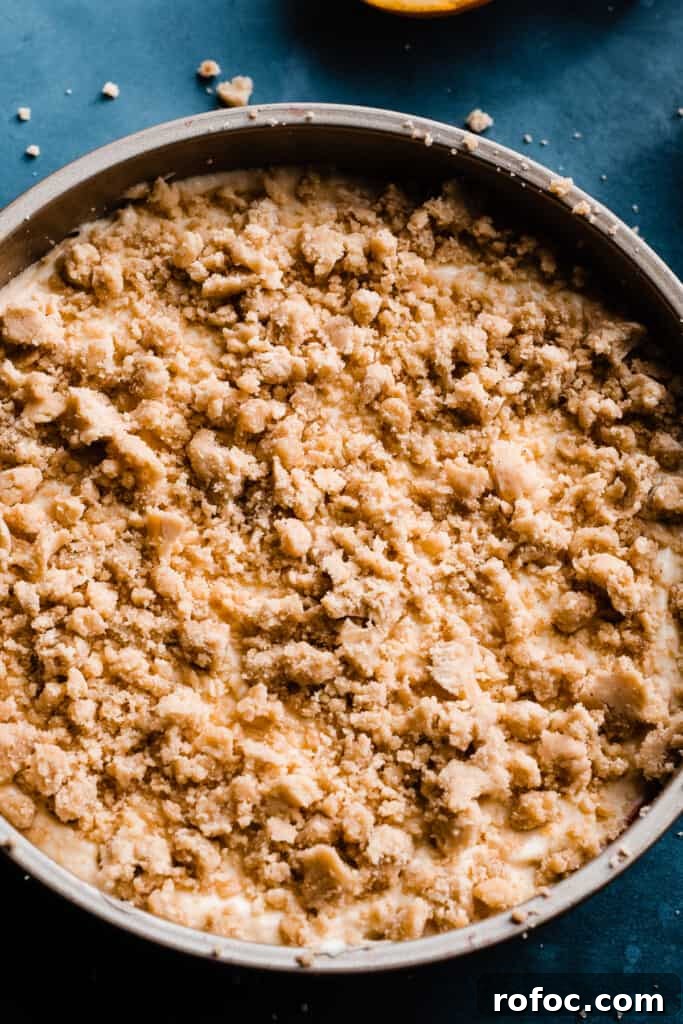
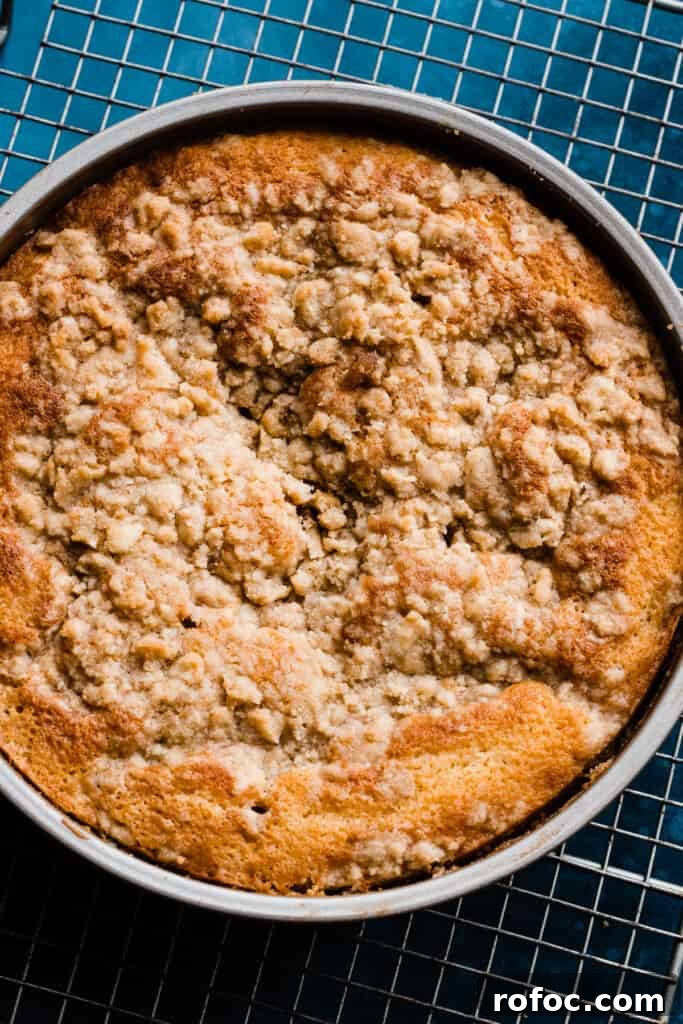
Step 4: Assemble and bake. Pour batter over the arranged orange slices and top with the crumb layer. Bake until a tester comes out with moist crumbs but no wet batter. Cool the cake in the pan on a wire rack for 10 minutes, then invert onto a serving plate.
Serving + Storing:
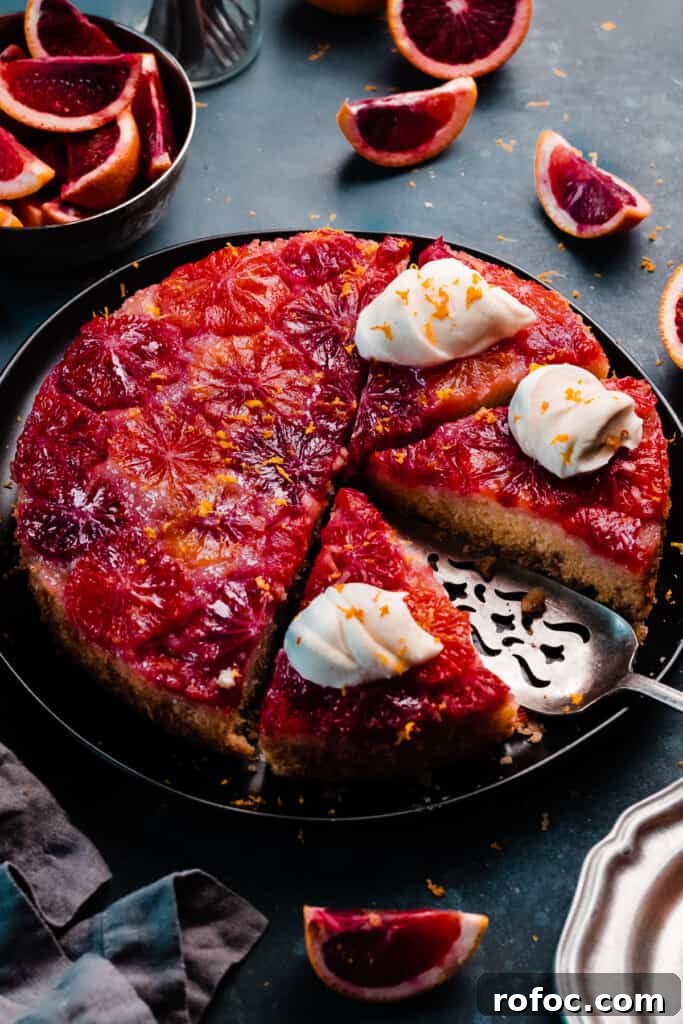
Serve warm or at room temperature with freshly whipped cream. Leftovers keep in an airtight container: at room temperature overnight or refrigerated for 3–4 days. The cake is delicious chilled or returned to room temperature before serving.
Expert Baking Tips:
Oven thermometer – An oven thermometer helps ensure your oven temperature is accurate. Consistent temperature is important for even baking.
Kitchen scale – A food scale gives the most reliable measurements for flour and other ingredients, improving consistency across bakes.
FAQs:
Yes. Navel, cara cara, or tangerines will all work well.
Yes. Remove peel and pith to avoid bitterness. A paring knife helps remove the white pith cleanly so the slices are sweet and tender.
Yes. For a half batch use a 6-inch pan. For a double batch bake in a 9×13 pan or split between two 9-inch pans.
Yes, a standard 9-inch springform pan works fine.
Special Tools:
- 9-inch cake pan – A standard 9-inch round pan is recommended.
- Offset spatula – Useful for spreading batter evenly.
- Paring knife – Makes peeling and de-pithing oranges much easier.
More Citrus Recipes to Make:
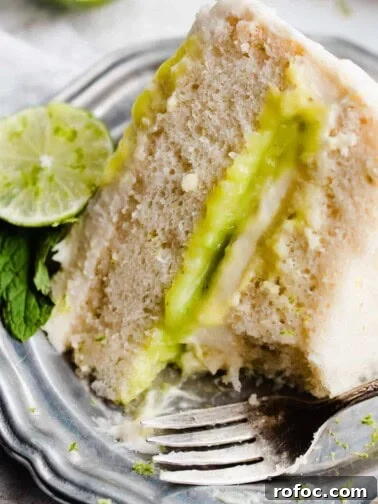
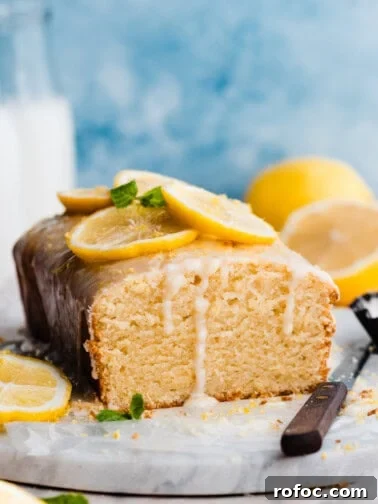
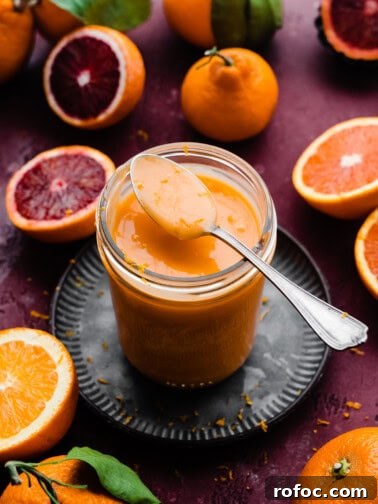

Did you make this recipe? Leave a comment and rating!

Blood Orange Upside Down Cake
Ingredients
- For the crumb layer: 1/4 cup salted butter melted; 1/2 cup + 1 tbsp all-purpose flour; 1/4 cup light brown sugar; 2 tsp raw sugar (optional); 1/8 tsp salt; 1/4 tsp cinnamon.
- For the oranges: 5 large blood oranges; 2/3 cup granulated sugar; butter for greasing the pan.
- For the cake: 1 1/4 cup + 1 1/2 tbsp cake flour; 1 tsp baking powder; 1/4 tsp baking soda; 1/4 tsp salt; 1/8 tsp cinnamon; 1/4 cup salted butter softened; 3 tbsp vegetable oil; 3/4 cup + 2 tbsp granulated sugar; zest of one large orange; 1 large egg; 2 tsp vanilla; 1/4 cup sour cream; 3 tbsp orange juice; 1/4 cup + 1 tbsp milk.
- For the whipped cream: 1/2 cup cold heavy cream; 3–4 tbsp powdered sugar; 1–2 tsp vanilla extract.
Instructions
- Prep: Butter a 9-inch cake pan thoroughly, spray with nonstick spray, and line with a parchment round if desired. Preheat oven to 350°F.
- Make the crumble: Stir melted butter with flour, brown sugar, raw sugar (if using), salt, and cinnamon. The mixture will firm as it cools.
- Prepare the oranges: Peel and de-pith the oranges, slice thin, toss with granulated sugar, and let sit. Arrange slices in the pan, drizzle a few spoonfuls of the released juice over them, and discard excess juice.
- Make the batter: Whisk dry ingredients. Cream butter and oil, rub orange zest into the sugar, then beat until fluffy. Add the egg, then sour cream and vanilla. With the mixer on low, add half the dry ingredients, then milk and orange juice, then the rest of the dry ingredients. Fold briefly to combine; do not overmix.
- Assemble & bake: Pour batter over the oranges, sprinkle the crumble on top, and bake 36–40 minutes. A tester should come out with moist crumbs. Cool in the pan 10 minutes, then invert onto a plate.
- Serve & store: Let cool about 20 minutes before slicing for easier cuts. Serve with freshly whipped cream. Store in an airtight container at room temperature overnight or refrigerated for 3–4 days.
- Whipped cream: Chill the heavy cream until just before whipping. Beat cream with powdered sugar and vanilla on medium-high speed until stiff peaks form. Use immediately; store leftovers refrigerated 1–2 days.
Notes
Note: Leaving orange peel on can result in bitter flavor after baking. For the best taste, remove peel and pith before slicing.
Nutrition
Serving: 1 slice — Calories: 569 kcal (approximate). Nutrition values are estimates and should be used as a guideline.