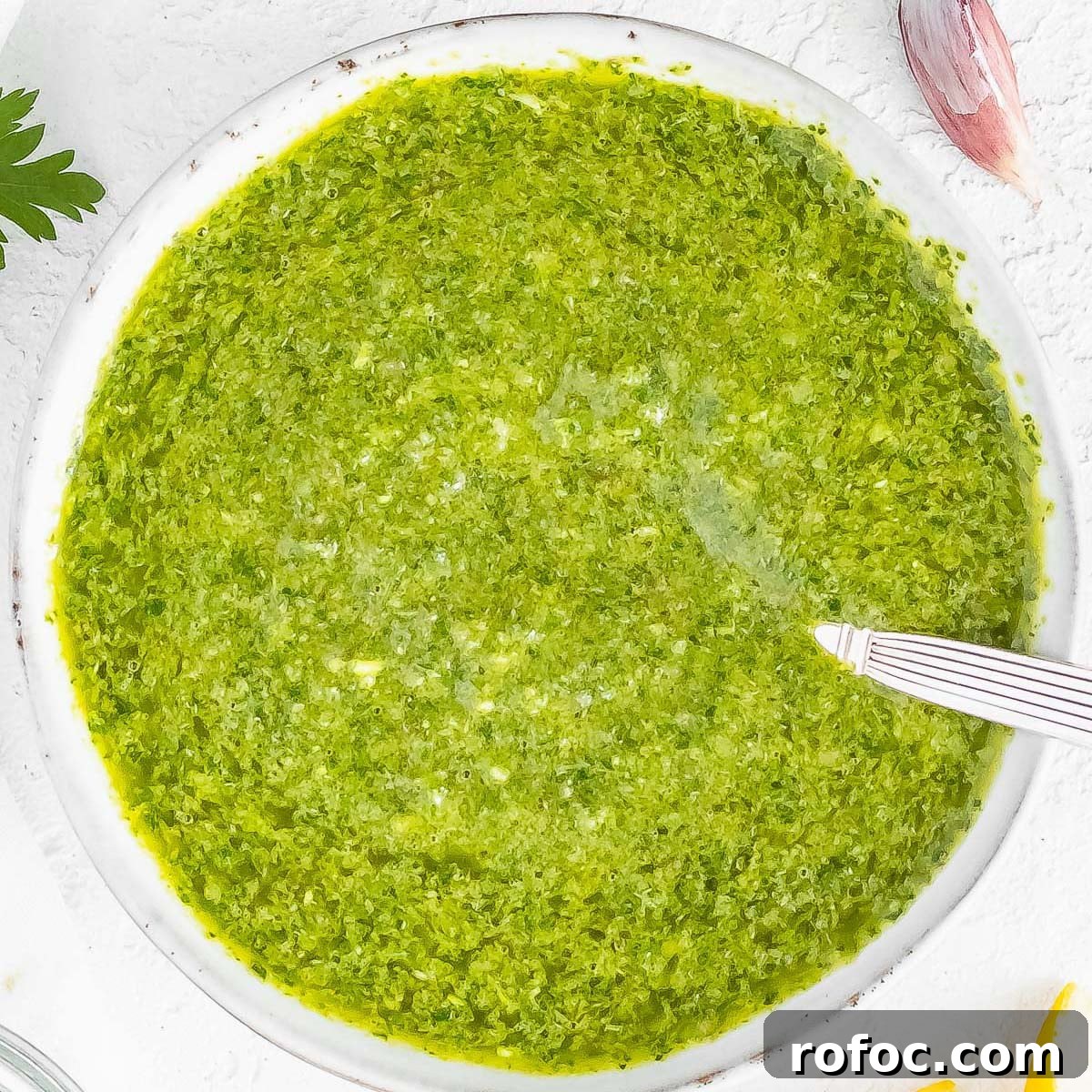
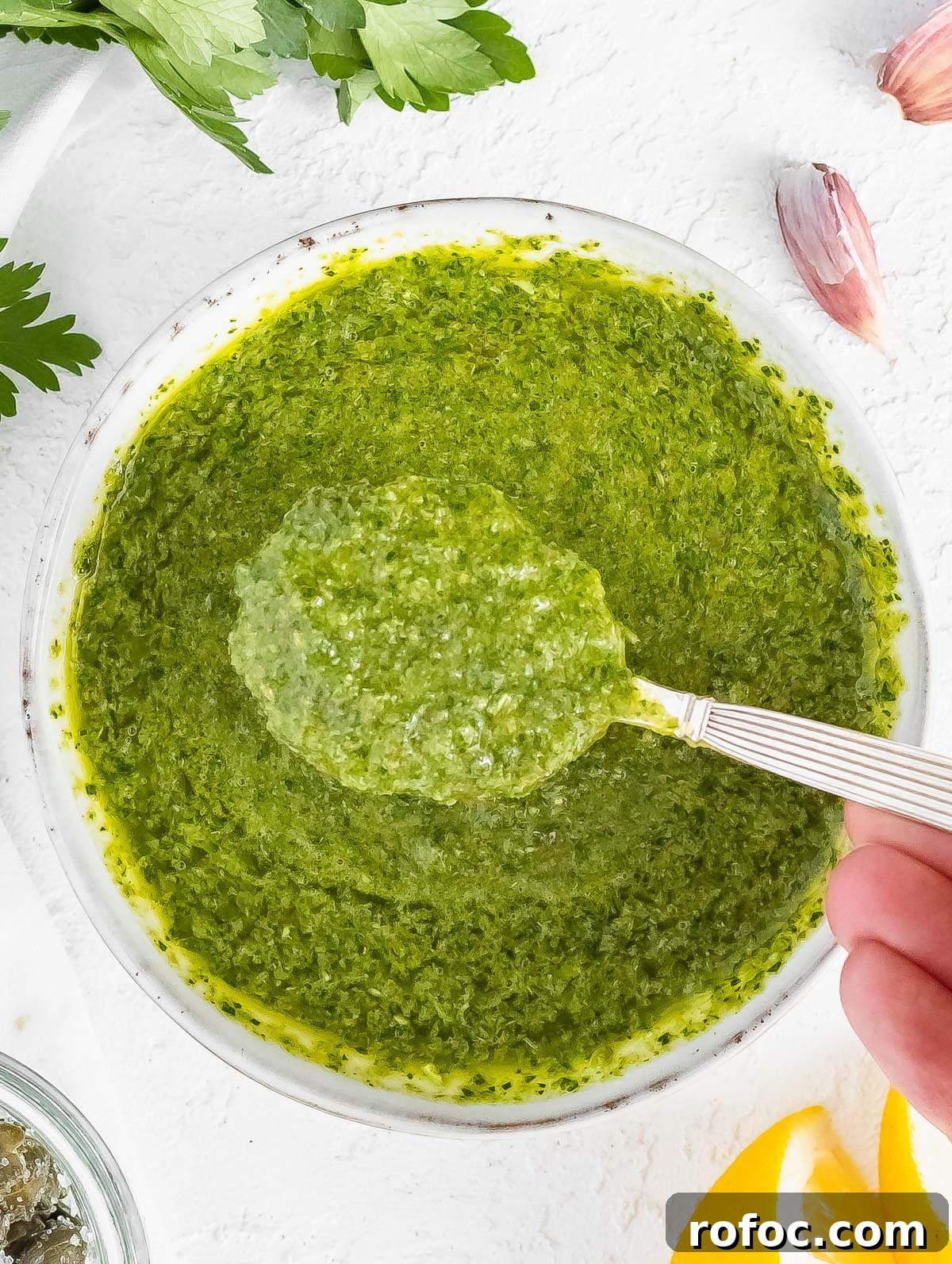
Italian salsa verde is a simple, versatile sauce perfect for drizzling over boiled, grilled, roasted, or raw vegetables — and many other dishes. While traditional recipes sometimes include egg yolks and anchovies, this version is vegan so everyone can enjoy it.
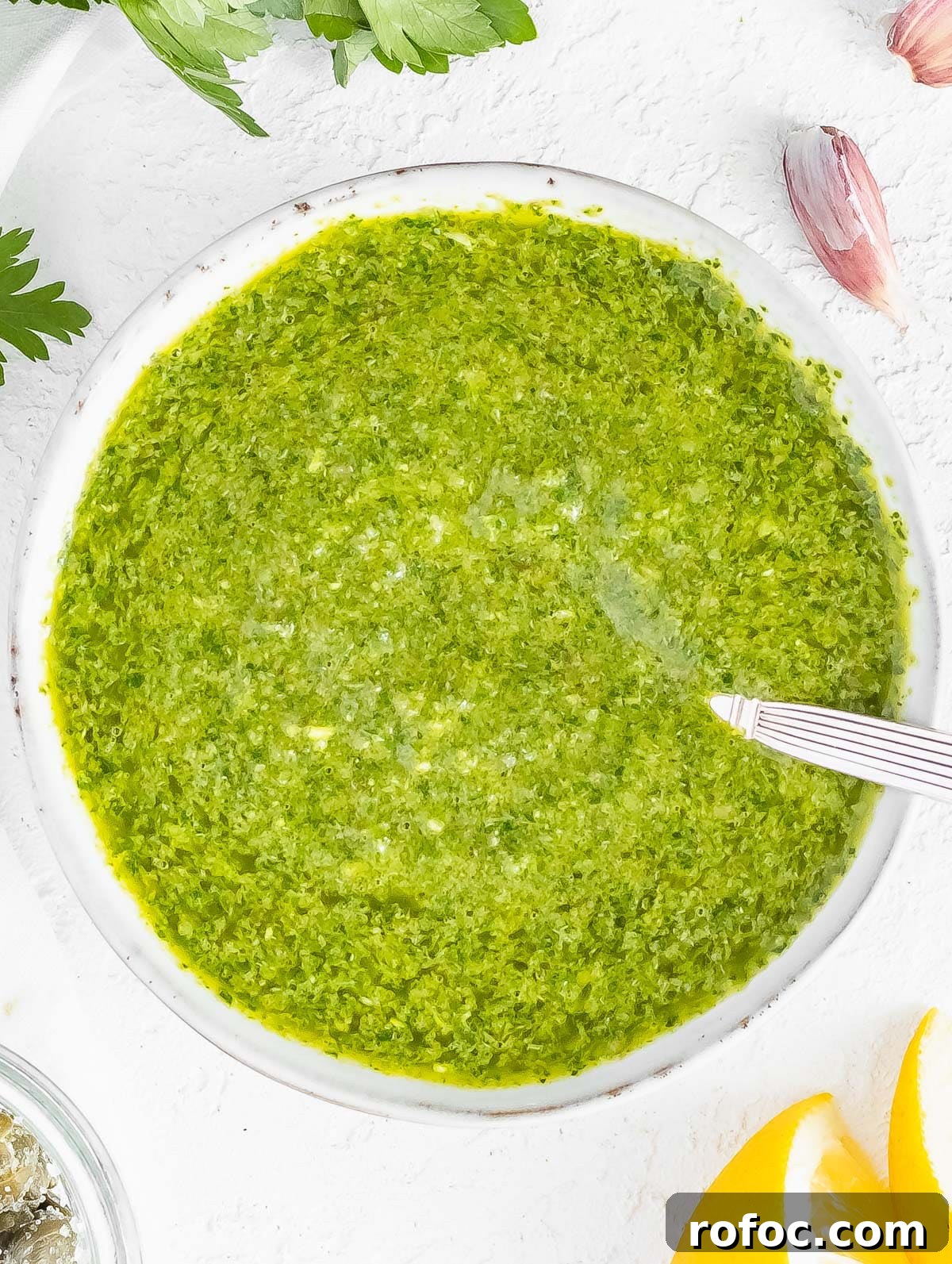
Table of Contents
- Ingredients
- Instructions
- Serving suggestions
- More vegan sauce recipes
- Questions
- Storage
- Italian Salsa Verde Recipe
Check out our best sauce recipes.
Despite the name, Italian salsa verde is unrelated to Mexican salsa verde, which features tomatillos and cilantro. Instead, Italian salsa verde is closely related to Argentinian chimichurri. Its core ingredients are flat-leaf parsley, olive oil, garlic, lemon juice or vinegar, and capers. Known also as bagnet verd or bagnet piemontese, this condiment originated in the 19th century in the northern Italian region of Piedmont and spread throughout Italy.
Regional variations are common: in Piedmont it often accompanies bollito, in Florence it appears on lampredotto sandwiches, in Rome it can be found on pizza al taglio and grilled vegetables, and in Sicily a related sauce, salmoriglio, is used with grilled fish and meat. In our family we use salsa verde on grilled, steamed, boiled, roasted, or air-fried vegetables and as a dressing for chickpeas and white beans. It also brightens raw salads, grilled tofu, flatbread pizza, piadina, or focaccia.
Ingredients
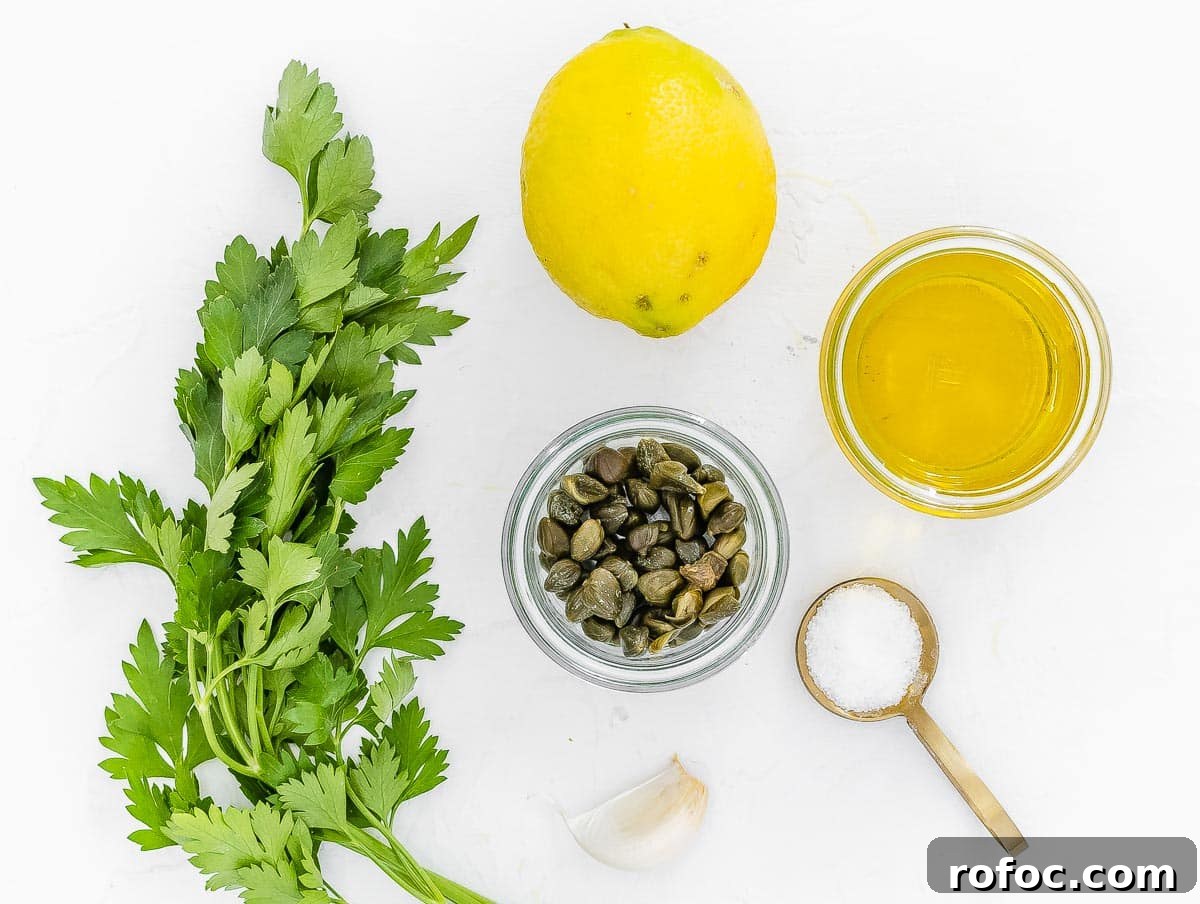
Parsley: Use flat-leaf parsley for its robust flavor.
Capers: Add umami, saltiness, and a little acidity. Non-pareil capers preserved in salt are ideal; capers in brine are an acceptable substitute.
Olive oil: Extra virgin olive oil is best for aroma and health benefits.
Garlic: Adjust the amount to taste; it’s a key flavor.
Lemon: We use both zest and juice; organic lemons are preferable. Vinegar (white or red wine) can replace lemon if needed.
Salt: Use sea or kosher salt and season to your preference.
Instructions
You can prepare Italian salsa verde by hand or in a food processor or blender. The method below uses a small food processor.
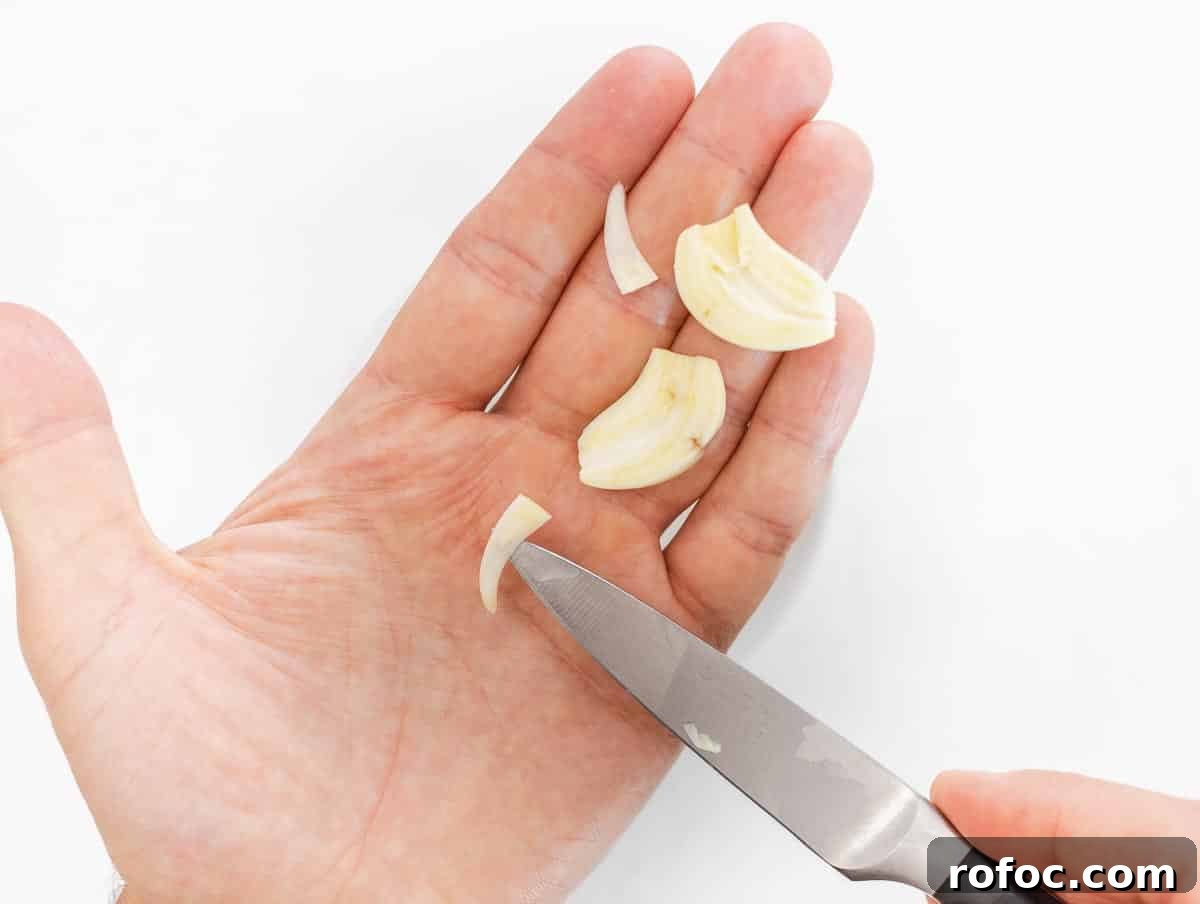
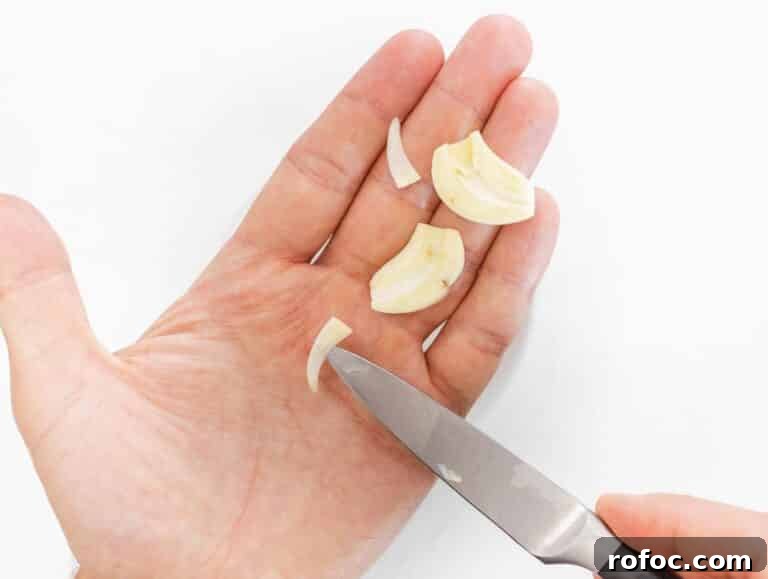
First, peel the garlic and cut the clove lengthwise, removing the inner core if present — we find the core can be hard to digest when eaten raw.
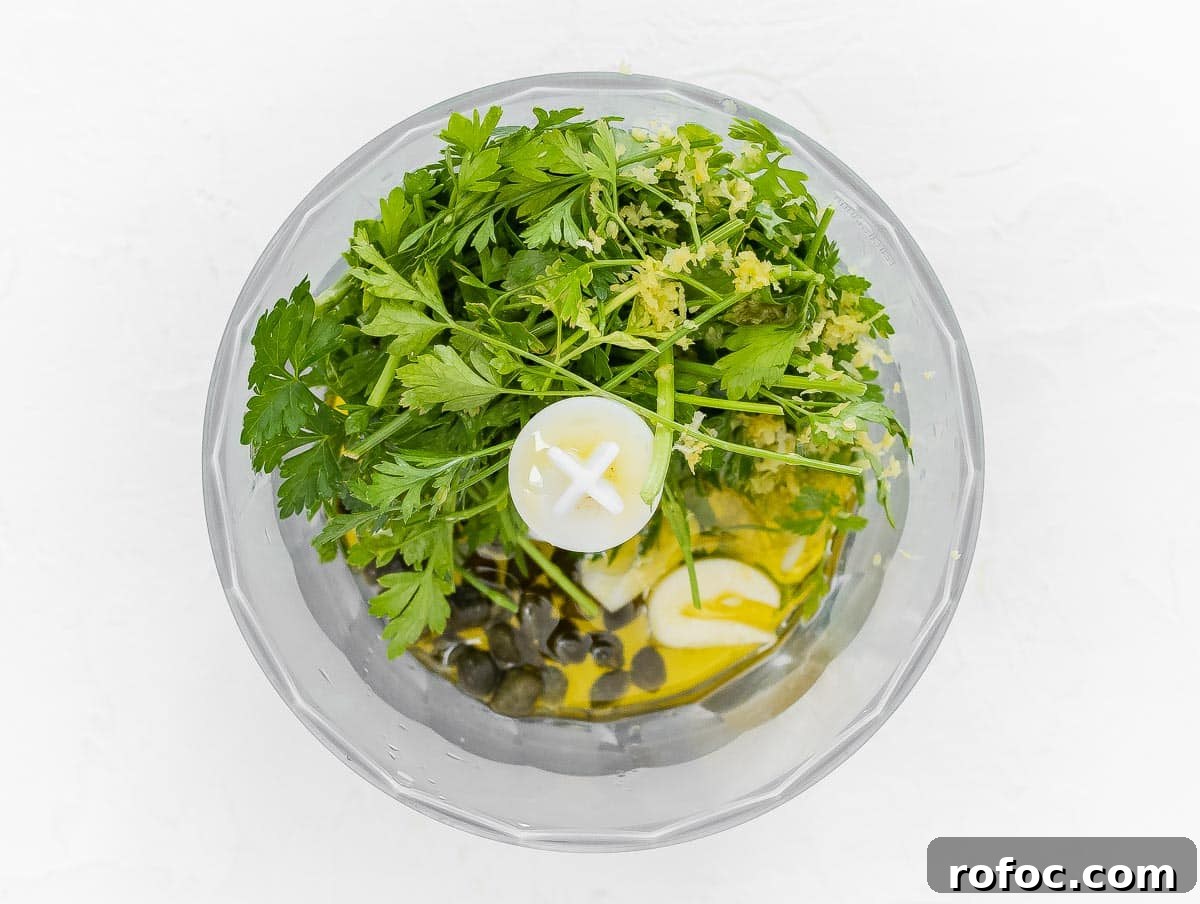
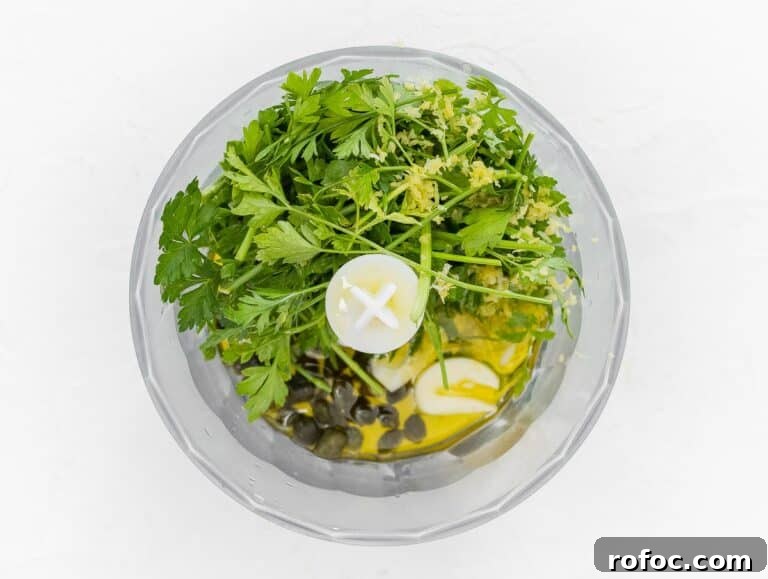
Place the garlic, lemon zest, freshly squeezed lemon juice (seed-free), capers, olive oil, salt, and flat-leaf parsley (including tender stems) into the food processor or blender.
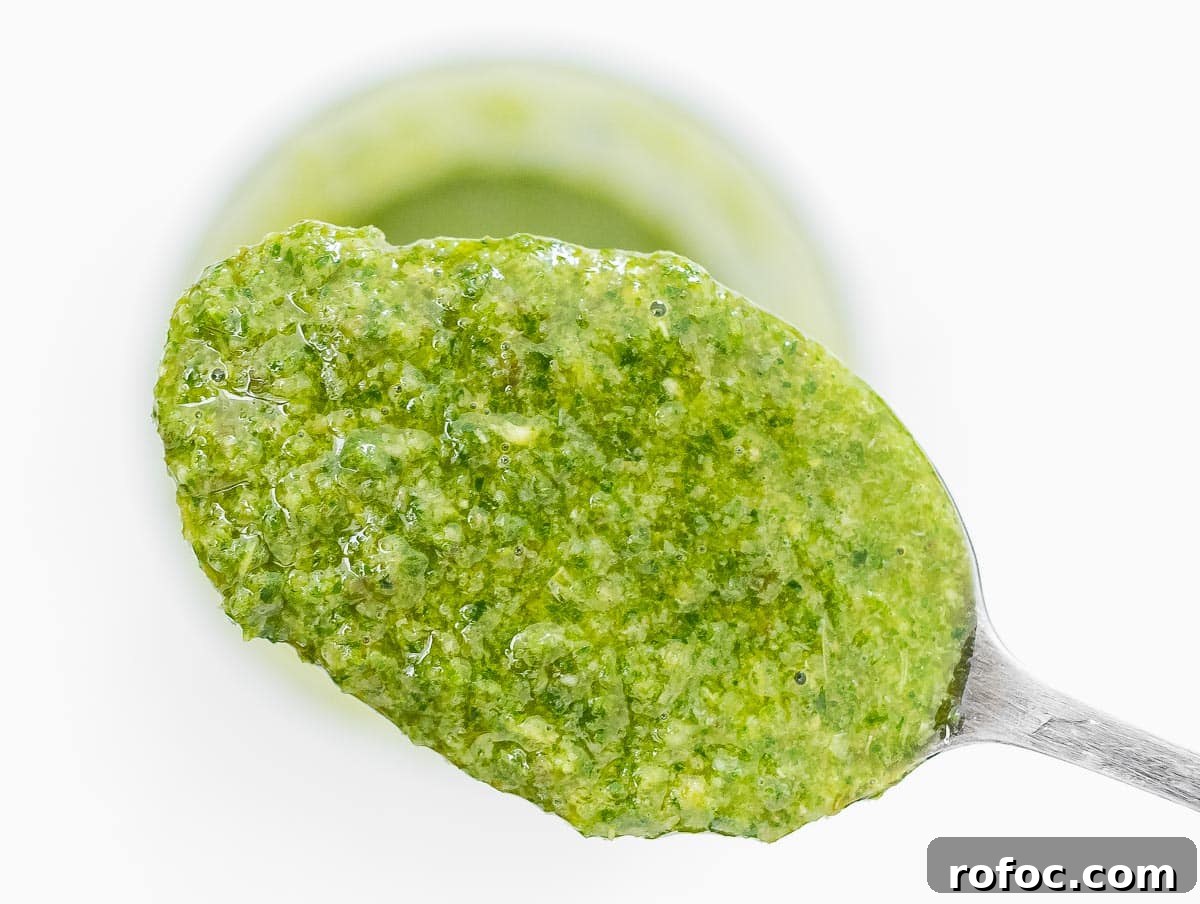
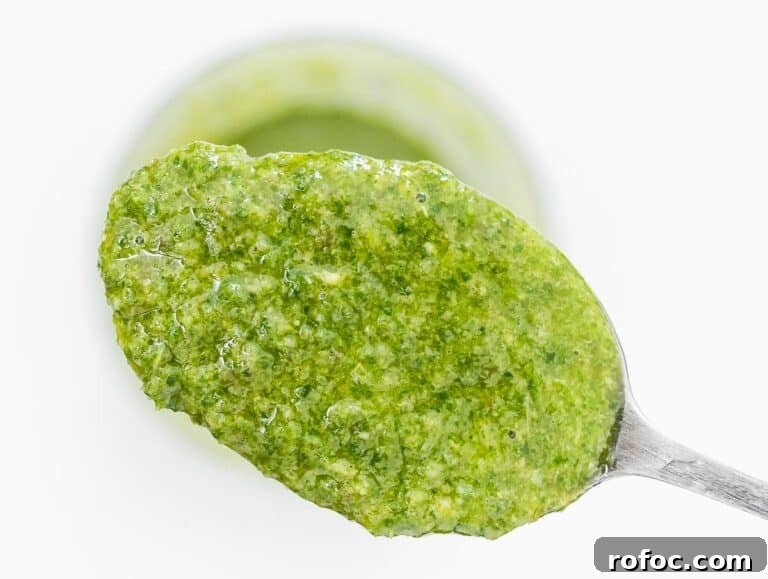
Pulse several times until the mixture is finely chopped and emulsified into a salsa verde. Pulsing rather than continuous blending keeps the mixture cool and slows parsley oxidation. If you prefer to make it by hand, chop parsley, capers, and garlic as finely as possible, then combine with the other ingredients in a bowl and stir.
Serving suggestions
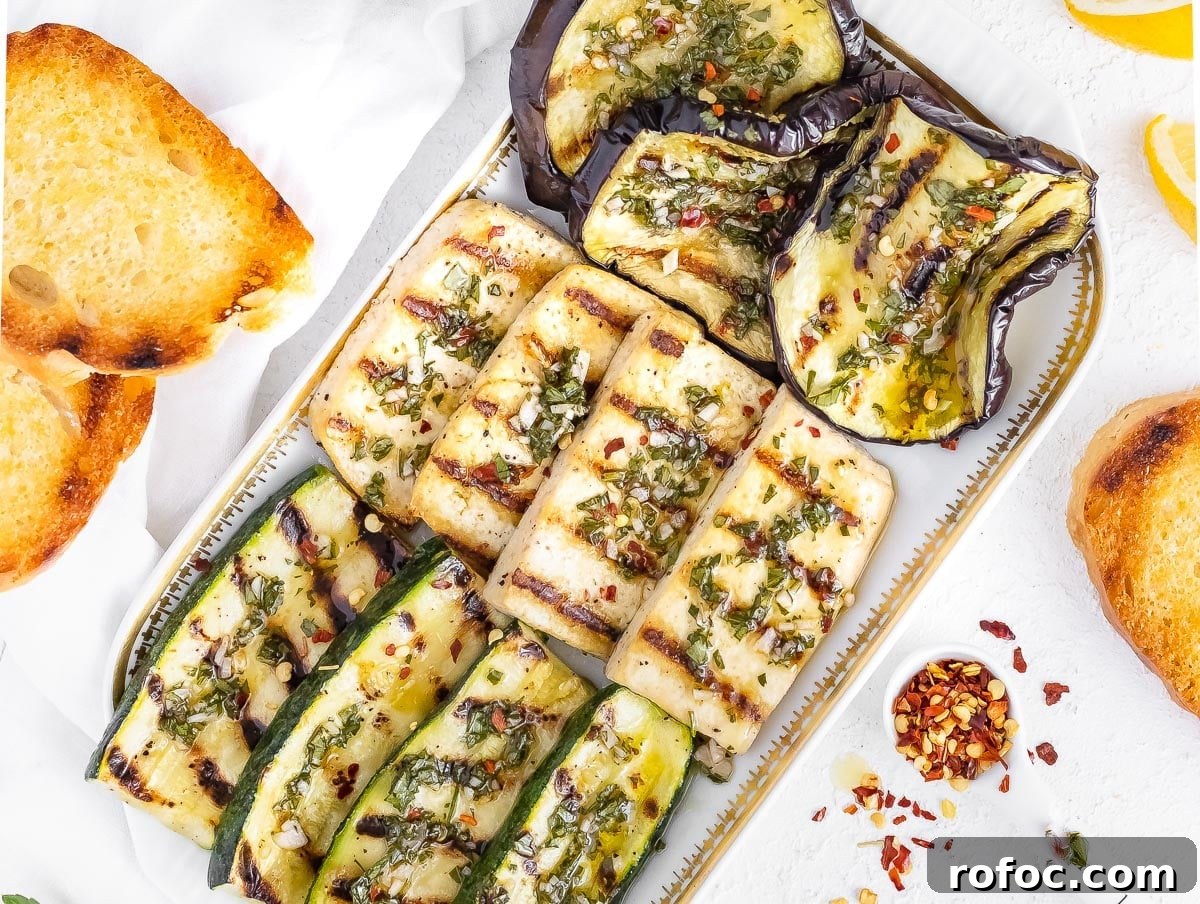
Grilled, baked, and air-fried vegetables
Salsa verde pairs beautifully with eggplant, zucchini, mushrooms, sweet potatoes, and tofu. Add a pinch of red pepper flakes for heat if desired.
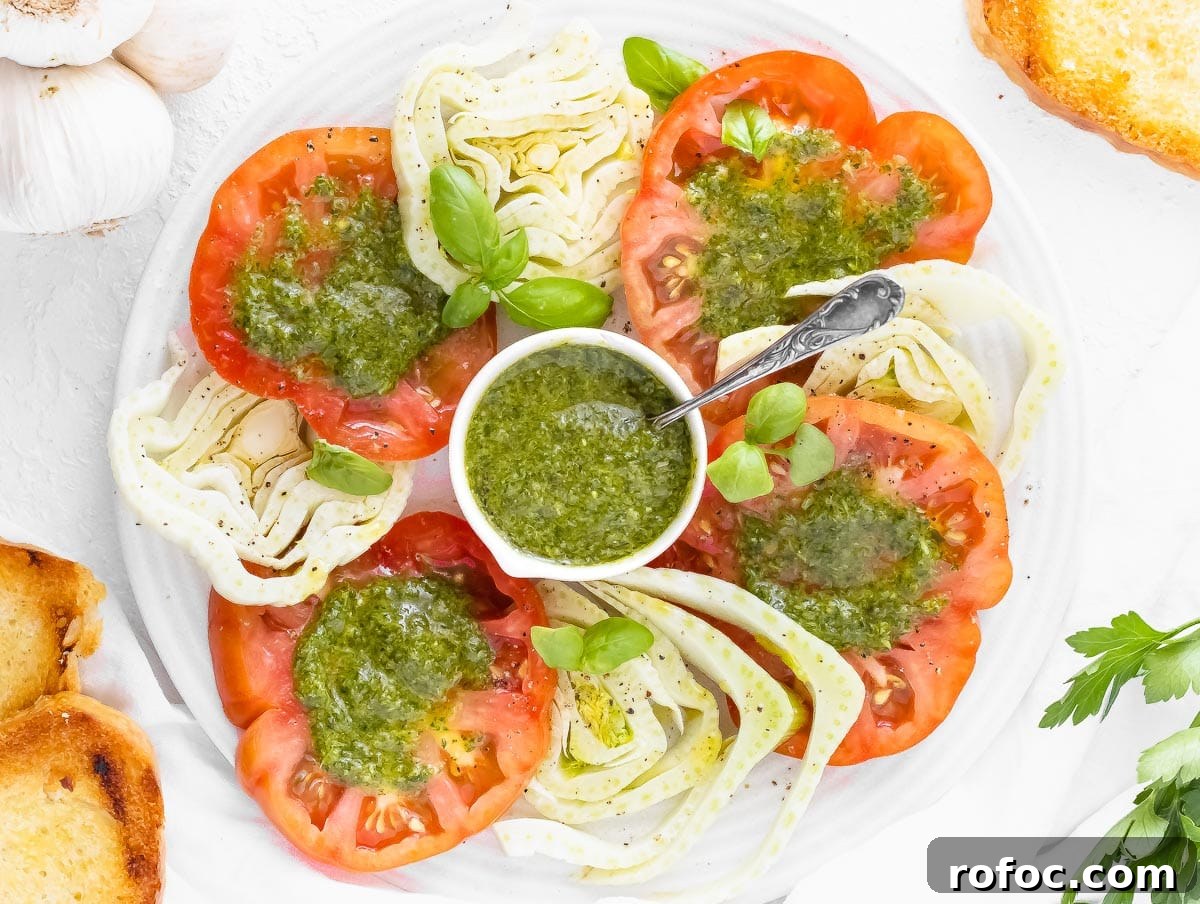
Raw vegetables
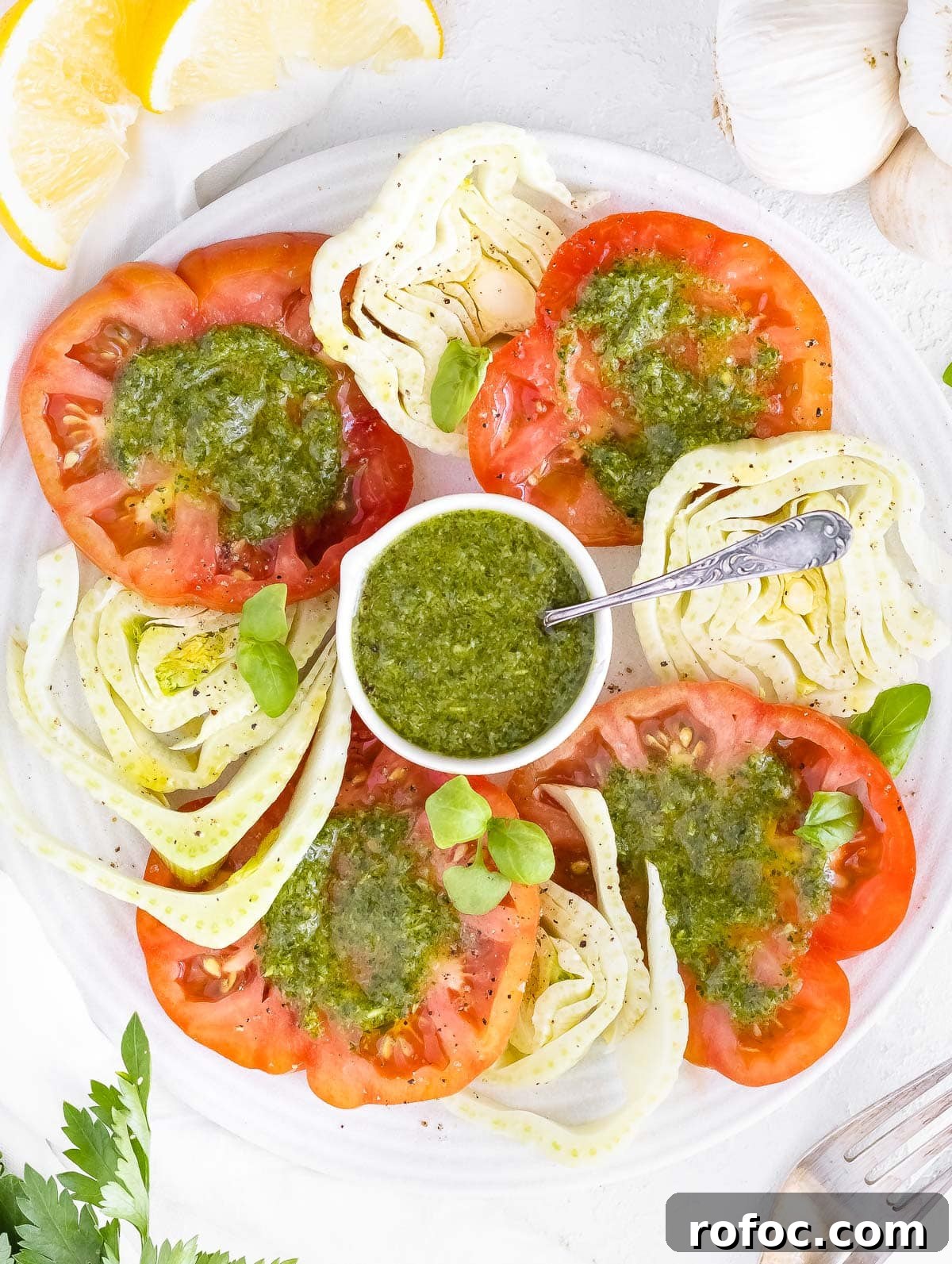
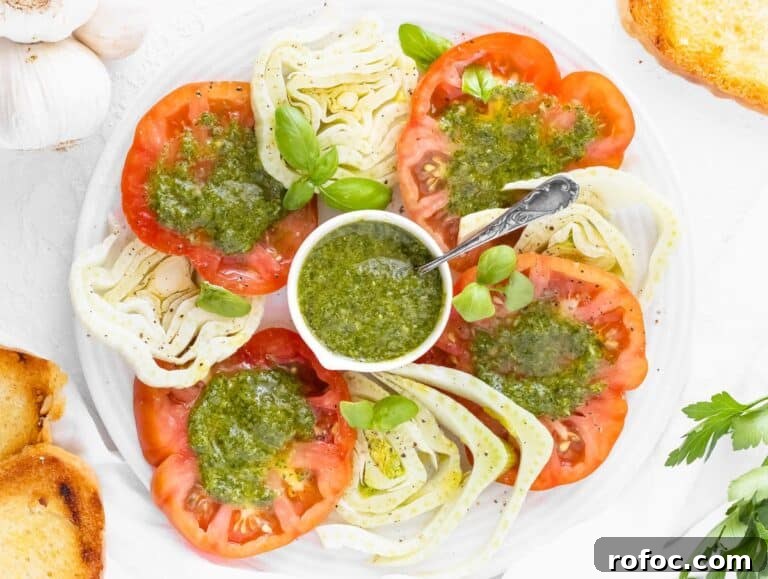
It’s excellent on raw salads. Try a tomato and fennel salad topped with salsa verde and basil, served with lightly toasted bread and extra virgin olive oil — simple and fresh for summer.
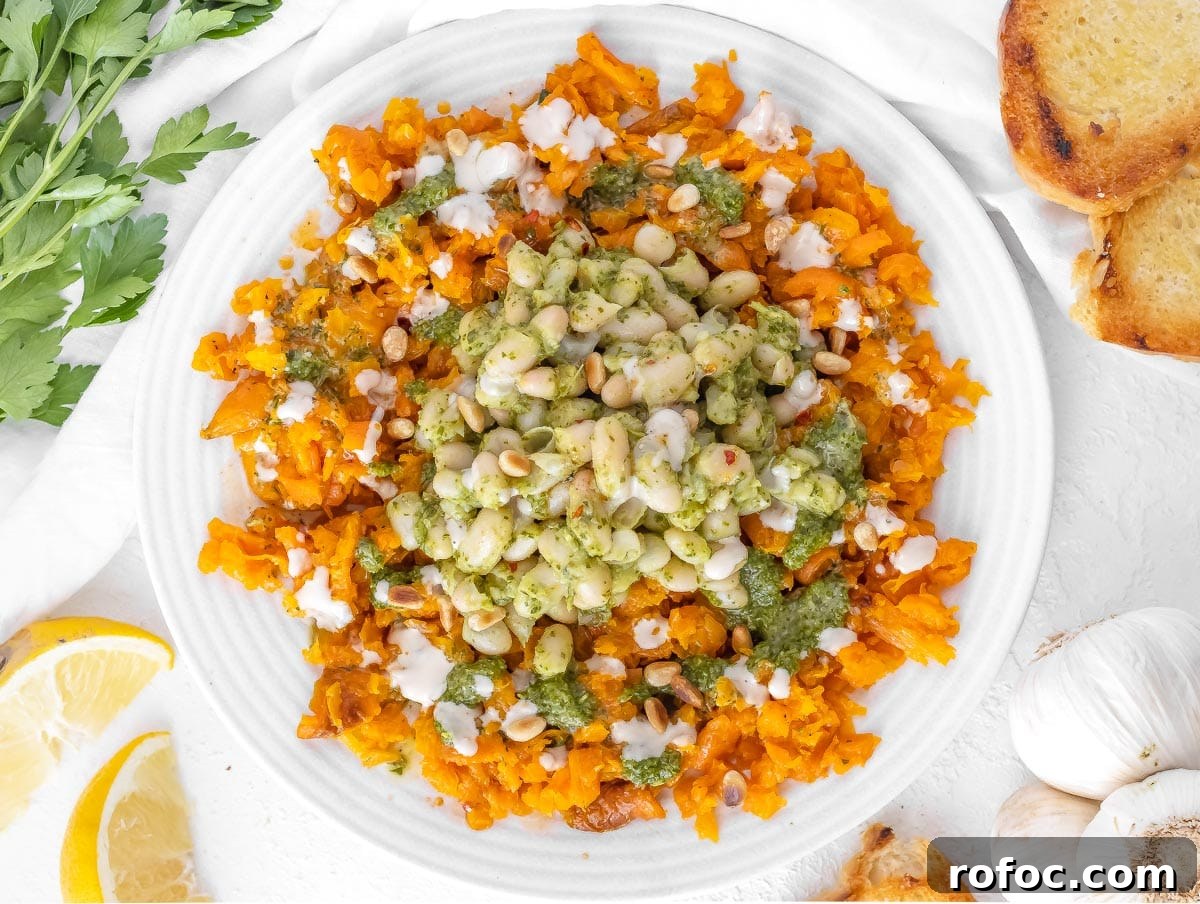
Beans and other legumes
Use salsa verde as a dressing for warm or chilled beans. For example, toss boiled cannellini beans with salsa verde, serve over mashed roasted carrots, and finish with tahini, chili oil, lemon, and toasted pine nuts for a flavorful dinner.
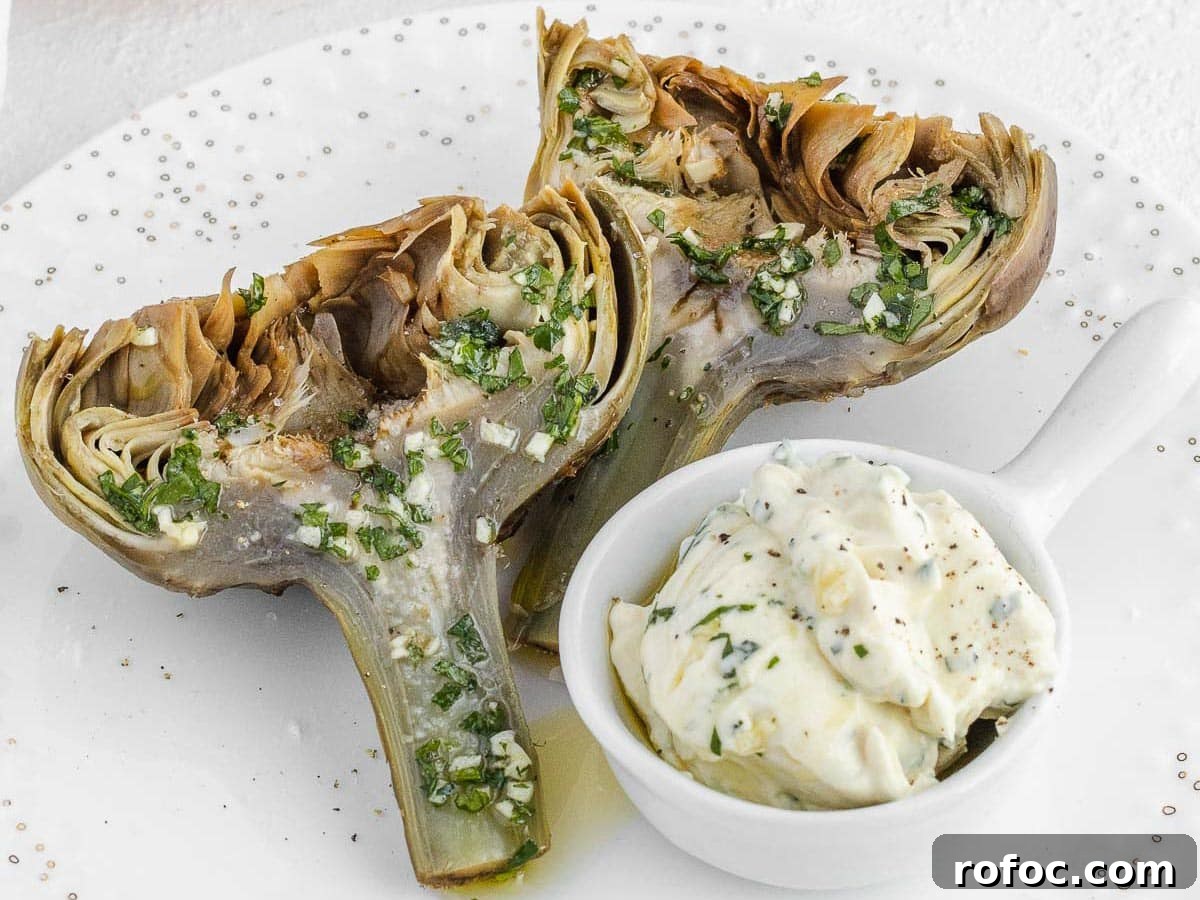
Steamed and boiled vegetables
Drizzle salsa verde over steamed asparagus, cauliflower, boiled potatoes, or artichokes to lift their milder flavors with fresh, zesty herbs.
More vegan sauce recipes
If you enjoy this salsa verde, try other vegan sauces such as mustard dressing, tahini sauce, cilantro-lime dressing, chipotle sauce, vegan mayo, quick chili oil, green goddess dressing, or chimichurri. Each adds a unique flavor boost to salads, veggies, sandwiches, and bowls.
Questions
Both. Mexican and Italian salsa verde are distinct: Mexican uses tomatillos and cilantro, while Italian uses parsley, capers, garlic, and lemon or vinegar.
They are very similar. Chimichurri (South America) typically includes oregano and is used with grilled meats. Italian salsa verde often uses capers, and sometimes anchovies or breadcrumbs, and is common with boiled meats, fish, and vegetables.
No. Pesto is basil-based with pine nuts and cheese and is usually served with pasta. Italian salsa verde is parsley-based with capers, garlic, and olive oil and is used as a condiment for meats, fish, and vegetables.
Storage
Store salsa verde in an airtight container in the refrigerator for up to 5 days. You can freeze it for up to a month — use a jar or ice cube trays, then transfer frozen cubes to a freezer bag. Thaw in the fridge and avoid reheating or refreezing.
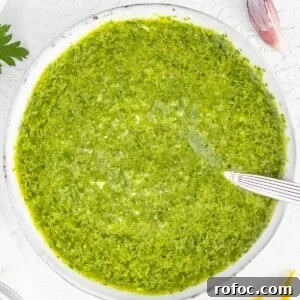
Italian Salsa Verde
Equipment
- Blender or food processor, or knife
Ingredients
- 1 packed cup flat-leaf parsley
- 2 tablespoons capers
- 1 clove garlic
- 2 tablespoons lemon juice + 1 teaspoon lemon zest
- ¼ cup extra virgin olive oil
- ¼ teaspoon salt
Instructions
-
Peel the garlic, cut it lengthwise, and remove the inner core if present.

-
Add the garlic, lemon zest and juice, capers, olive oil, salt, and parsley (including tender stems) to a food processor or blender.
-
Pulse a few times until the mixture is finely chopped and emulsified into a salsa verde. For a chunkier texture, pulse less; for smoother, pulse more while avoiding overheating.
-
Serve immediately or refrigerate. Drizzle over cooked or raw vegetables, tofu, flatbread, or toasted bread.
Notes
Nutrition
You might also like:
Collections
How to Cook Artichokes + Easy Recipes

Recipes
30 Tofu Recipes
Collections