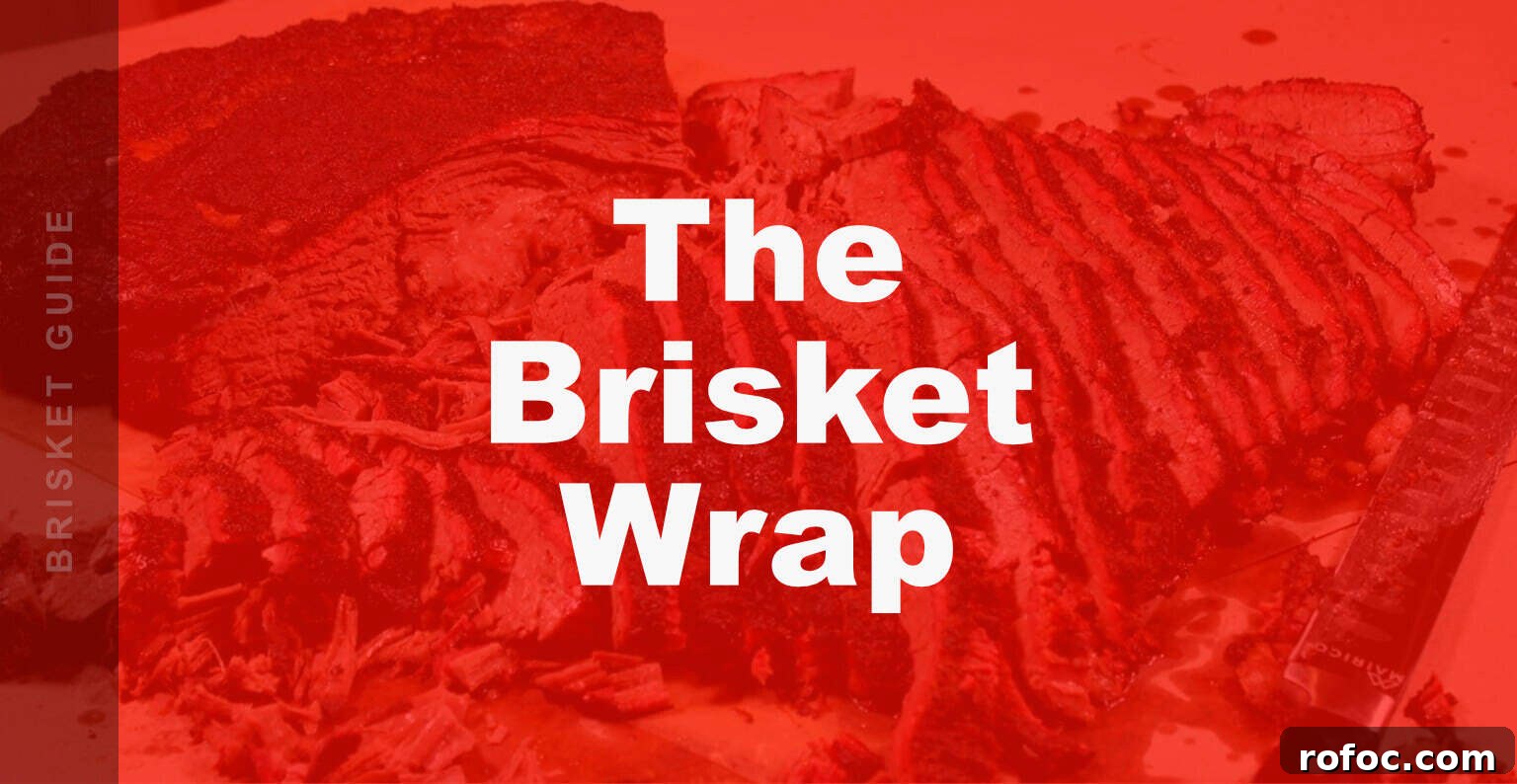
Wrapping brisket sparks strong opinions among pitmasters.
Some prefer aluminum foil, others choose butcher paper, and some leave the meat unwrapped. Each approach affects how the brisket cooks, so the best choice depends on what you want from the final result.
This article explains why cooks wrap brisket, what wrapping does during the cook, and how foil and butcher paper differ so you can pick the method that matches your goals.
It complements The Ultimate Guide to Smoking Brisket From Selection to Slicing and builds on concepts like the stall and temperature control.
Why brisket is wrapped in the first place
The main purpose of wrapping brisket is to control evaporation.
During the stall:
- Surface moisture evaporates
- Evaporation cools the meat
- Internal temperature can plateau
Wrapping reduces evaporation so the internal temperature can rise again, helping the cook progress past the stall.
What wrapping does to the cook
Wrapping affects several aspects of the cook:
- Speeds up cooking time
- Reduces moisture loss
- Softens bark texture
- Stabilizes color
Wrapping is not a substitute for proper cooking and the collagen breakdown that creates tenderness; it simply changes the cooking environment.
Foil wrapping
Aluminum foil creates a nearly sealed environment around the meat.
When you wrap in foil:
- Steam accumulates inside the packet
- Moisture is effectively trapped
- The bark softens more quickly
- Cooking time shortens significantly
Foil is useful when you need to speed up a cook, the brisket is stalling too long, or you want to retain maximum moisture. The trade-off is a softer bark and reduced smoke contact after wrapping.
Butcher paper wrapping
Butcher paper is breathable and lets some moisture escape while still providing protection.
Characteristics of butcher paper:
- Allows controlled moisture release
- Better preserves bark texture than foil
- Speeds the cook moderately
- Maintains a more traditional mouthfeel
Butcher paper offers a balance between trapping moisture and allowing airflow, making it a popular choice when a firmer bark is desired.
Leaving brisket unwrapped
Cooking without wrapping:
- Produces the firmest, crispiest bark
- Maximizes smoke exposure
- Extends overall cook time
- Requires patience and stable temperature control
Unwrapped brisket works well when you have the time and consistent heat, but poor temperature management increases the risk of the surface drying out.
When to wrap brisket
Most cooks decide to wrap when several visual cues are present:
- The bark is well set and not tacky
- The color is deep and even
- Internal temperature is often somewhere in the 160s°F during the stall
Avoid wrapping strictly based on a temperature. Use the appearance and feel of the bark as your primary signal.
Which method produces better brisket
There is no single best method; each produces different results:
Foil typically delivers:
- Faster finish times
- Softer bark
- Higher moisture retention
Butcher paper typically yields:
- Balanced moisture control
- Better bark texture
- A more traditional presentation
Unwrapped brisket typically offers:
- Firm, well-developed bark
- Pronounced smoke flavor
- Longer, more patient cooks
Choose based on your timeline, bark preference, smoker characteristics, and experience level.
Common wrapping mistakes
Avoid these common errors:
- Wrapping too early, before the bark has set
- Wrapping too loosely so heat and steam escape
- Assuming wrapping alone guarantees tenderness
- Opening the wrap repeatedly and releasing heat
Remember that wrapping is a tool to manage moisture and timing, not a shortcut for proper technique.
Wrapping does not determine doneness
Regardless of your wrapping method, brisket is done when it reaches the right tenderness. Use probe feel and texture to judge doneness rather than relying only on temperature or the presence of a wrap.
Choose based on your goal
Match the wrapping method to your goal for the cook:
- Want speed and maximum moisture? Choose foil.
- Want balanced moisture and a strong bark? Choose butcher paper.
- Want the firmest bark and deepest smoke flavor and have time? Skip wrapping.
There is no universally correct answer — only the method that helps you achieve the result you want for that particular brisket.
Related Articles
- The Brisket Stall Explained
- Best Temperature for Smoking Brisket
- How to Smoke a Brisket Step by Step
- How to Tell When a Brisket Is Done