Cookbook Reading
One of my goals for 2023 was to read more. It has been a challenge—some evenings the last thing I want to do is pick up a book—but I’ve made it easier by choosing books I genuinely enjoy, like thrillers, rather than forcing myself through dense classics. That said, I’ve discovered a surprising pleasure in reading cookbooks for fun. Many modern cookbooks combine personal anecdotes with recipes, which feels like reading short stories interwoven with practical instructions. Those personal touches, paired with distinctive recipes, make cookbooks the perfect blend of narrative and utility for me.
NOTE TO OUR READERS:
Any links marked with an asterisk (*) were originally affiliate links. We no longer include external purchase links here. For disclosures and privacy information, please refer to our privacy policy where available on the site.
Today’s Recipe
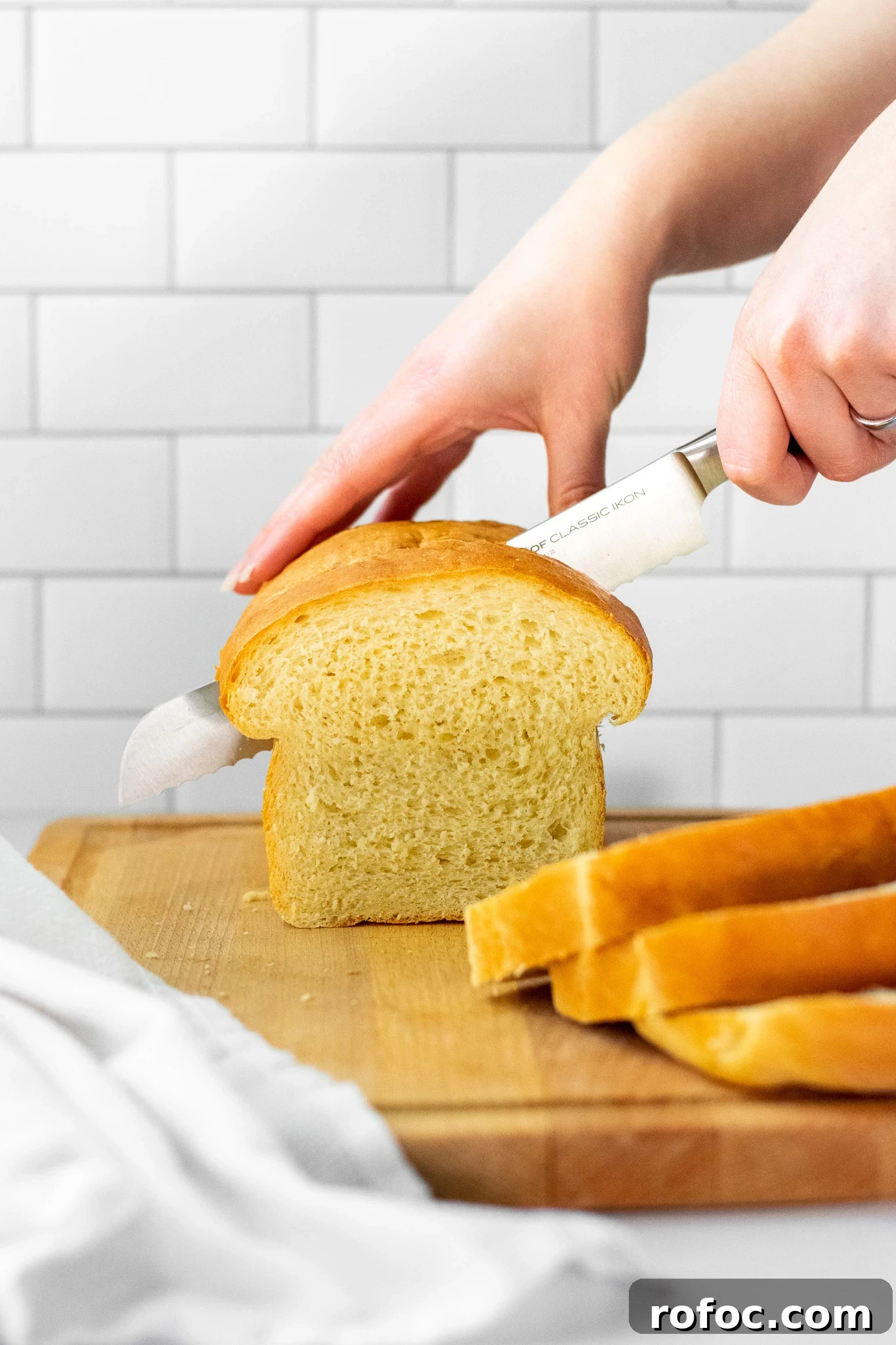
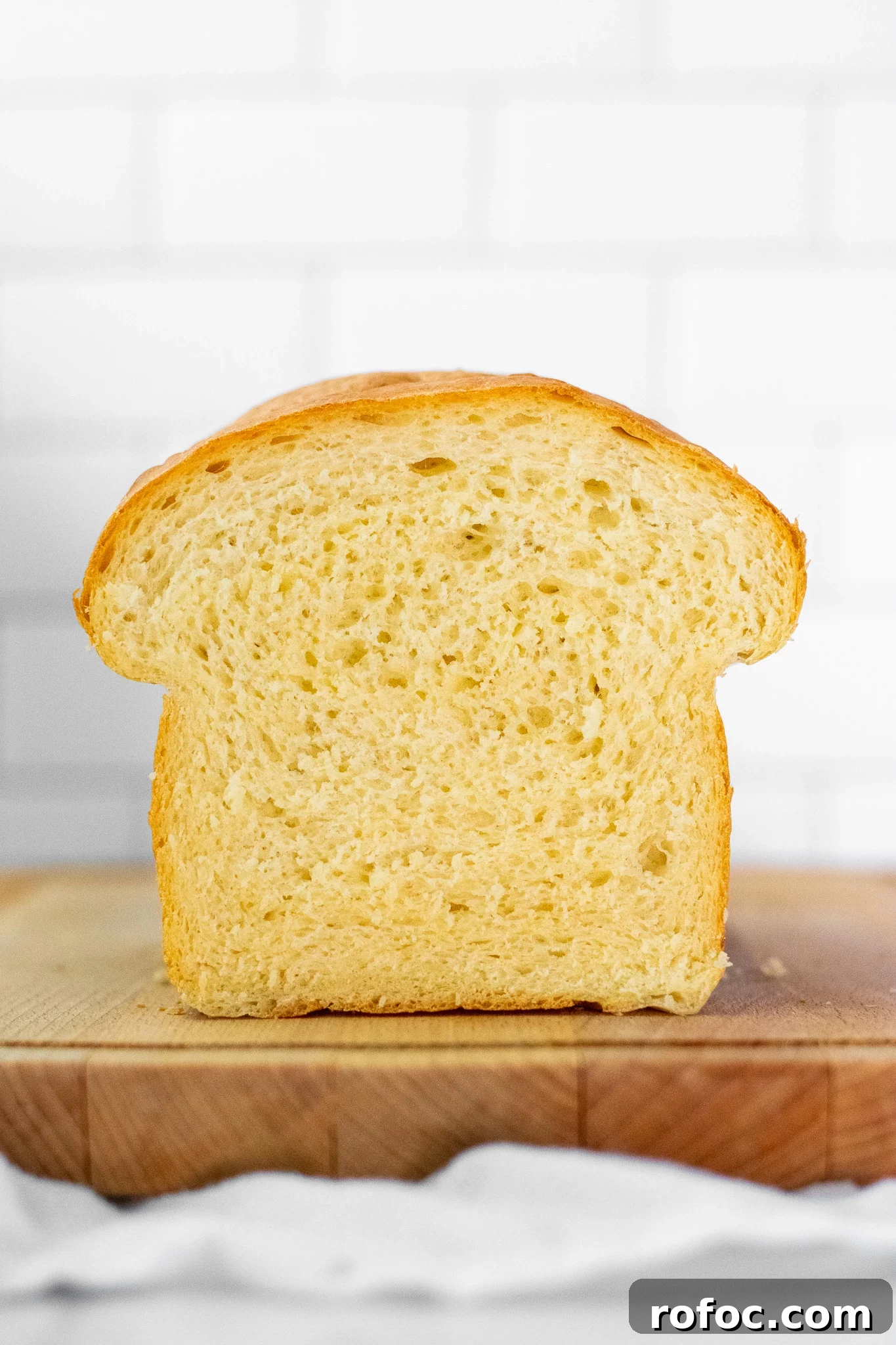
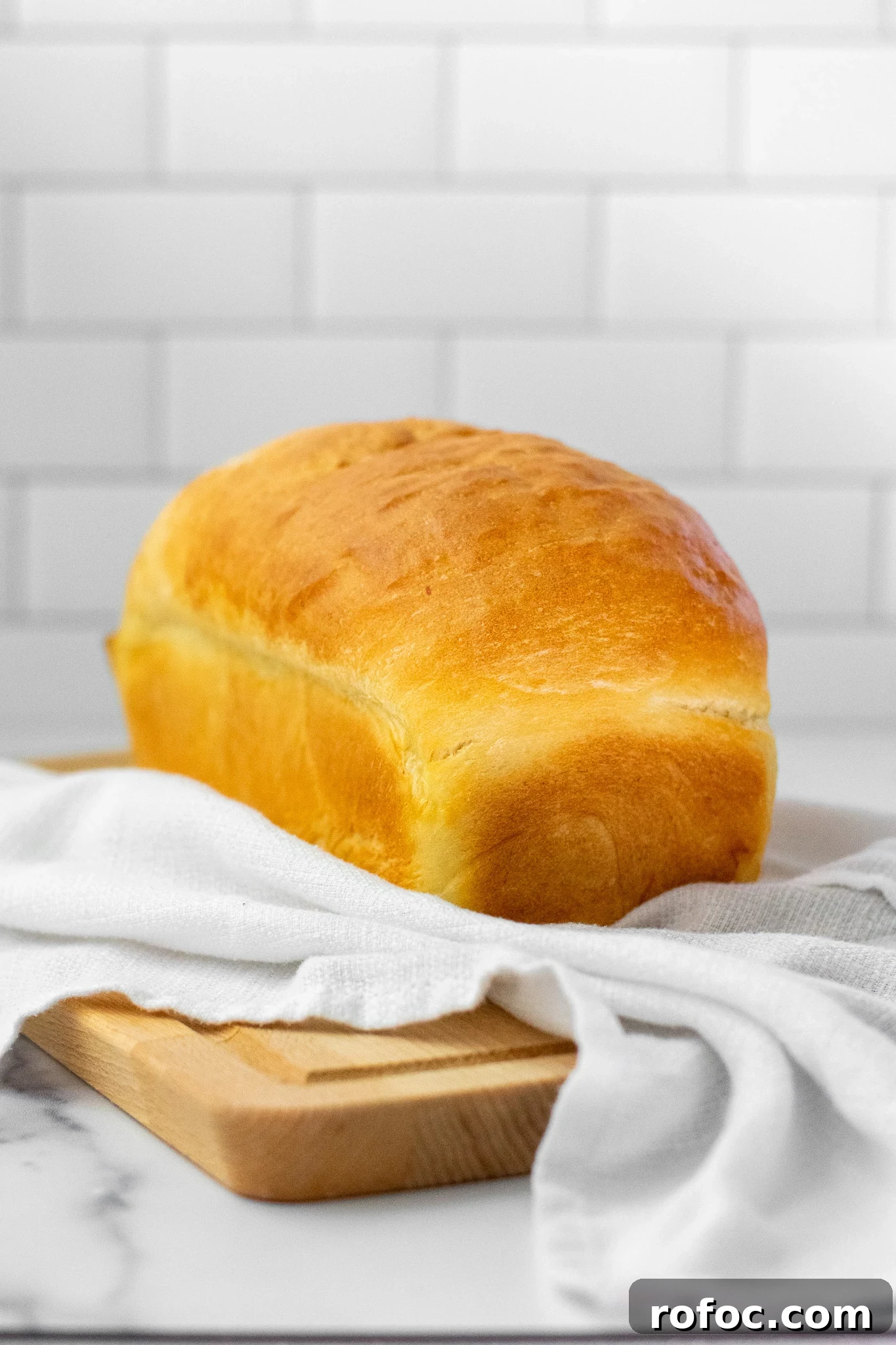
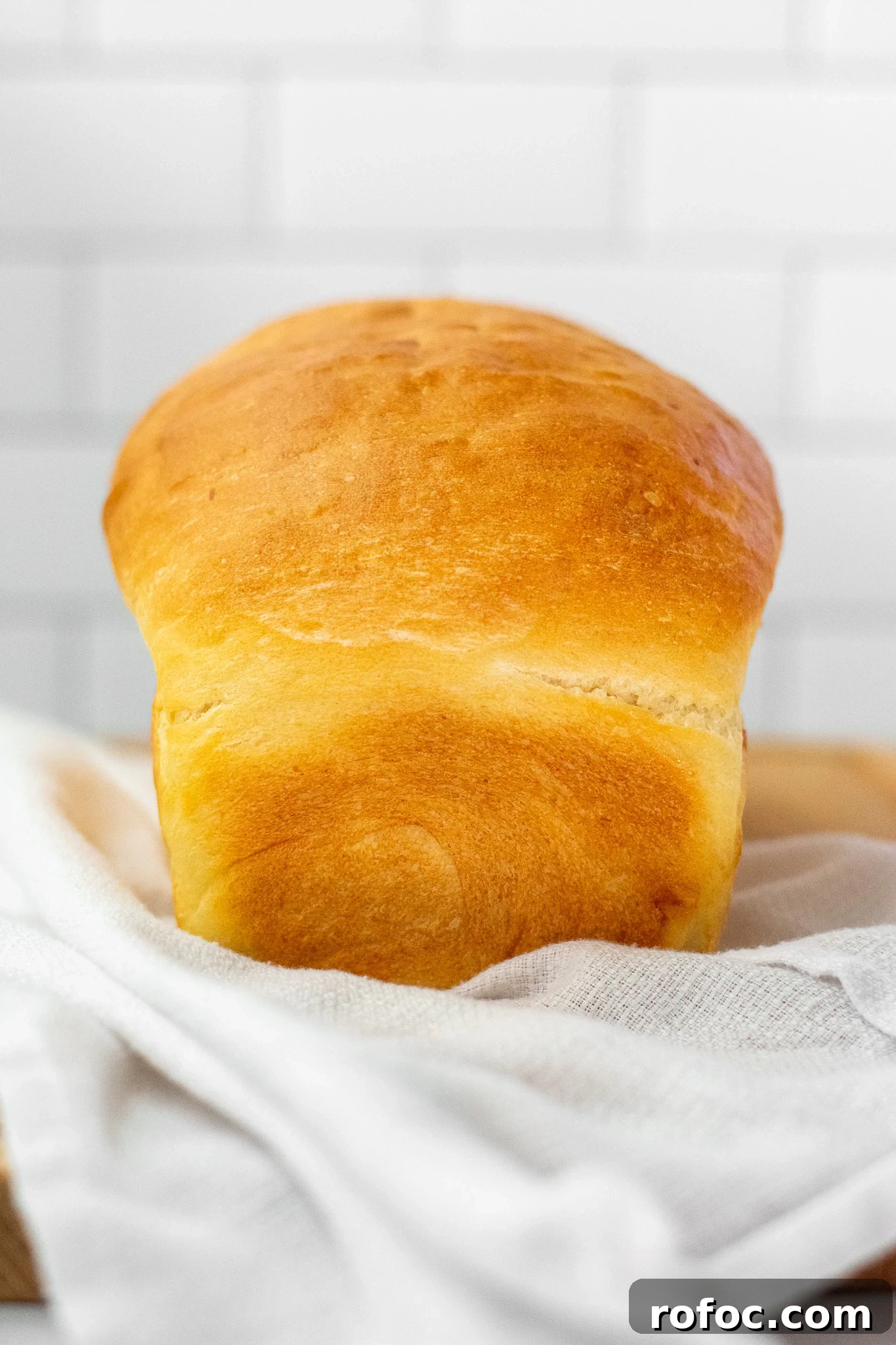
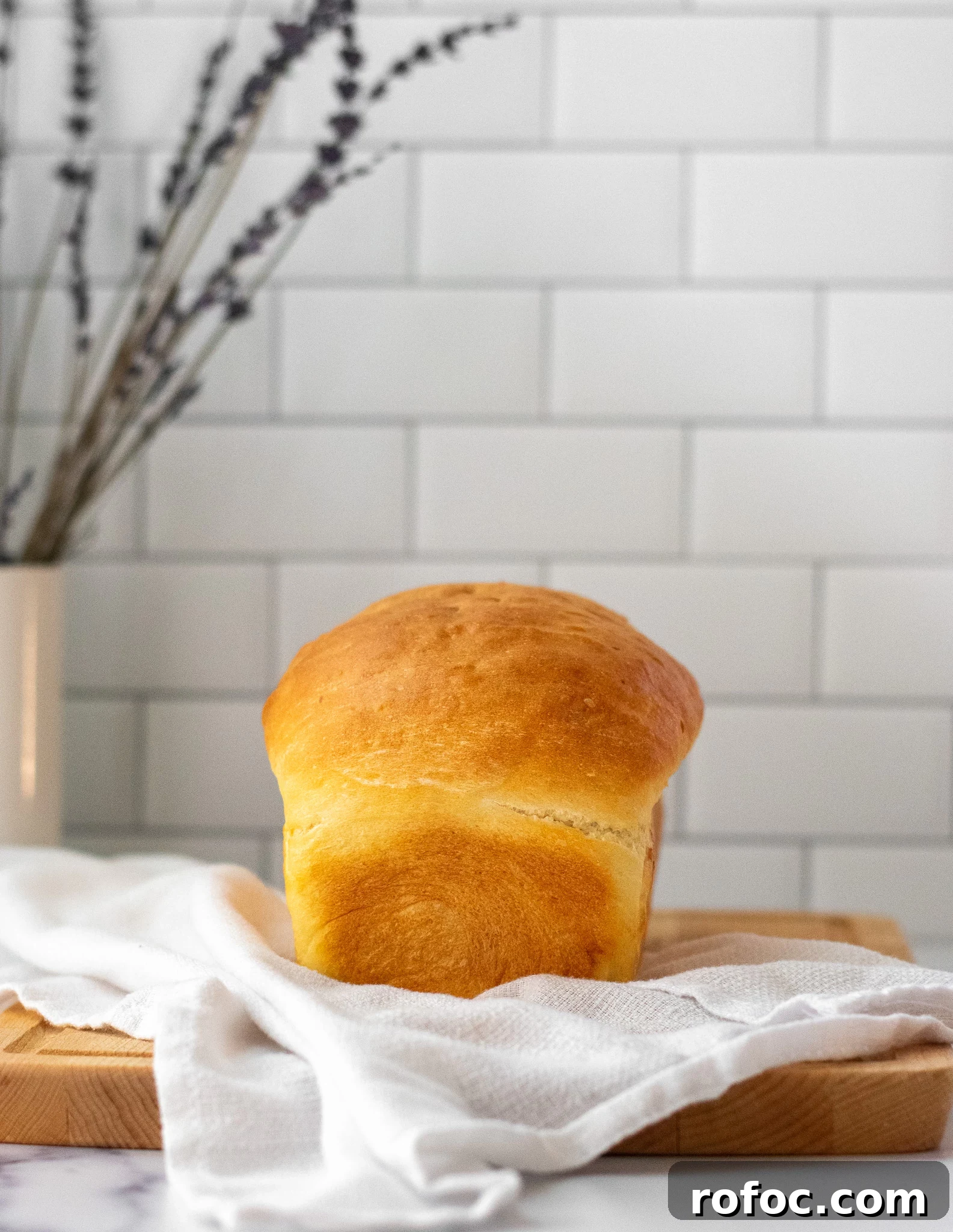
One cookbook that has inspired me recently is The Nordic Baking Book by Magnus Nilsson. Its straightforward approach—lots of well-tested recipes with clear instructions—has been a helpful source of ideas. While the recipe below is not a direct copy from that book, it was inspired by Nordic techniques for potato-enriched loaves. Potato bread is a familiar format in many cuisines: the boiled and mashed potato adds moisture and tenderness, producing a loaf that stays soft longer than a plain wheat loaf. Below is our version of kartoffelbrød, a simple, hearty potato loaf that works beautifully for sandwiches, toast, or just buttered slices.
How to Make Kartoffelbrød
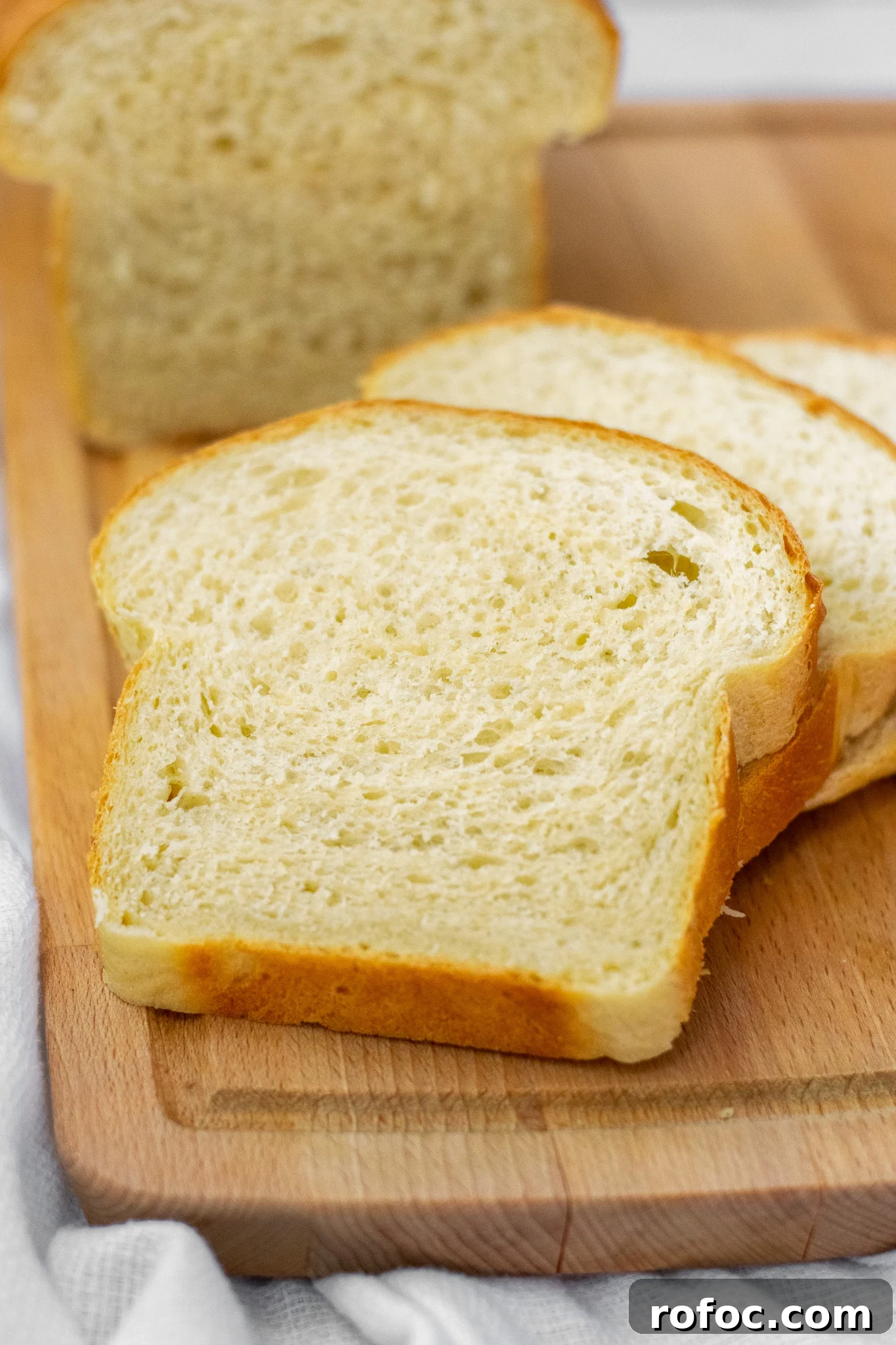
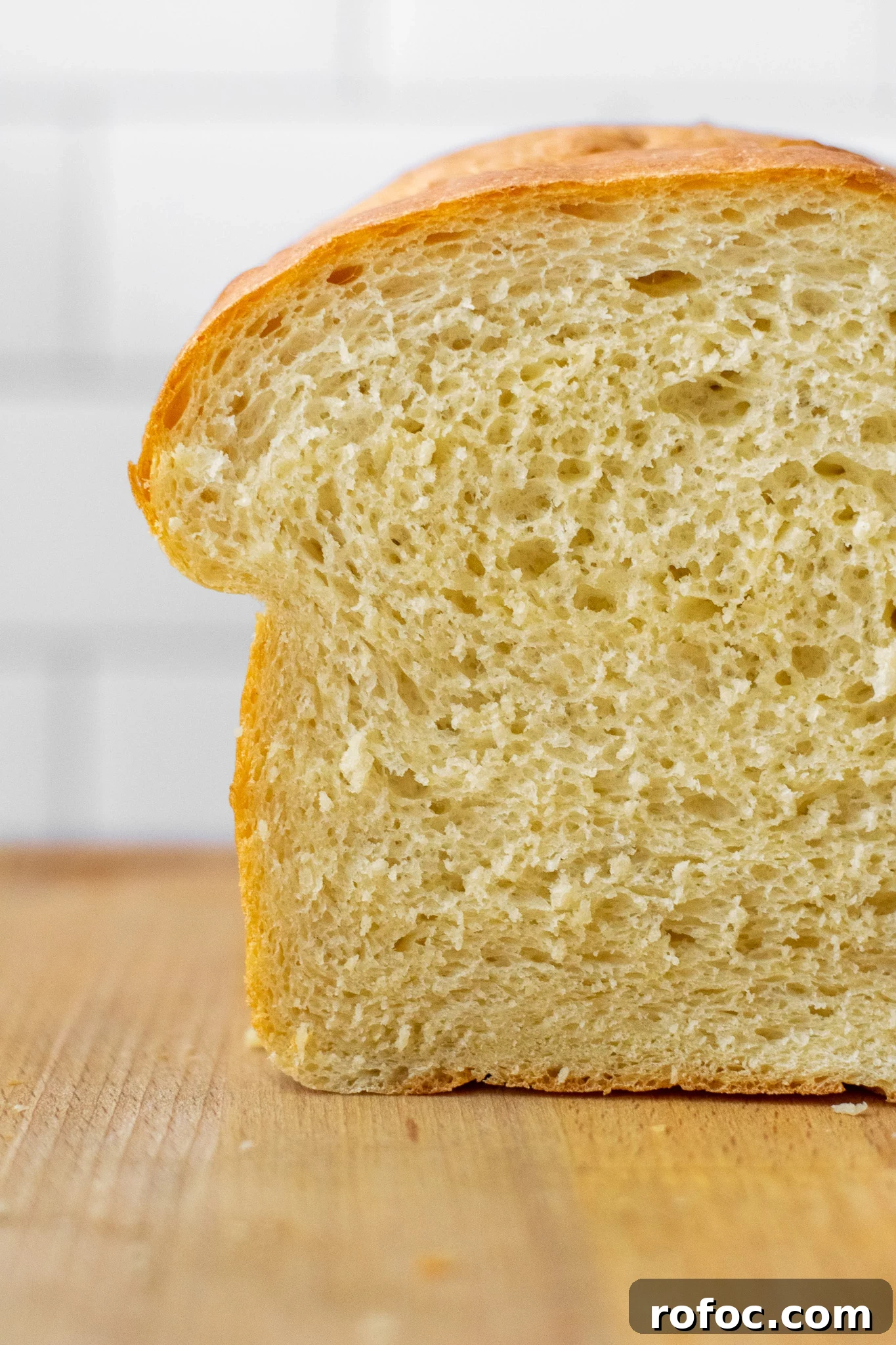
Making potato bread follows the same basic steps as any enriched yeast loaf, with the main difference being the addition of mashed potatoes to the dough. Because mashed potatoes add moisture, the amount of liquid in the dough is reduced accordingly. The process is straightforward: boil and mash potatoes, mix with warmed milk and yeast, combine with flour and salt, then knead until the dough is smooth and elastic. After a first rise, shape into a loaf, allow a second rise, brush with milk, and bake until golden and hollow-sounding when tapped. The potatoes make the crumb especially soft and tender—perfect for everyday sandwiches or a comforting breakfast slice.
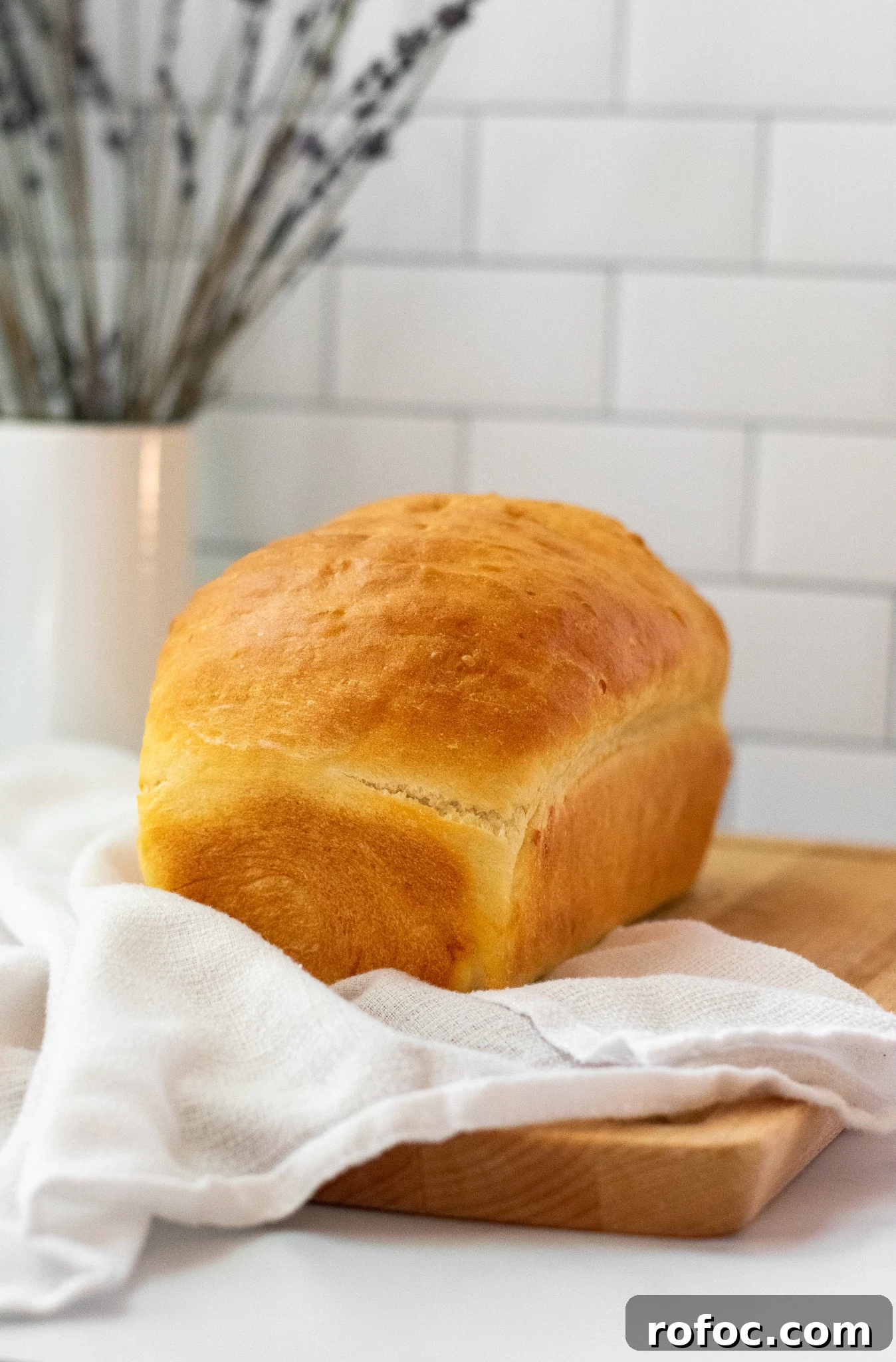
Kartoffelbrød (Potato Loaf)
This potato loaf is an elevated version of a classic sandwich bread: moist and tender thanks to the mashed potatoes, with a soft crumb that toasts and sandwiches beautifully.
Ingredients
- 150 ml (~2/3 cup) milk
- 2 tsp active dry yeast (or 17.5 g fresh yeast)
- 1 tsp sugar
- 350 grams (~3 cups) bread flour or all-purpose flour
- 200 grams boiled and mashed/riced potatoes (~2 medium potatoes) — weight after mashing
- 1.5 tsp salt
- Milk for brushing the loaf before baking
Instructions
-
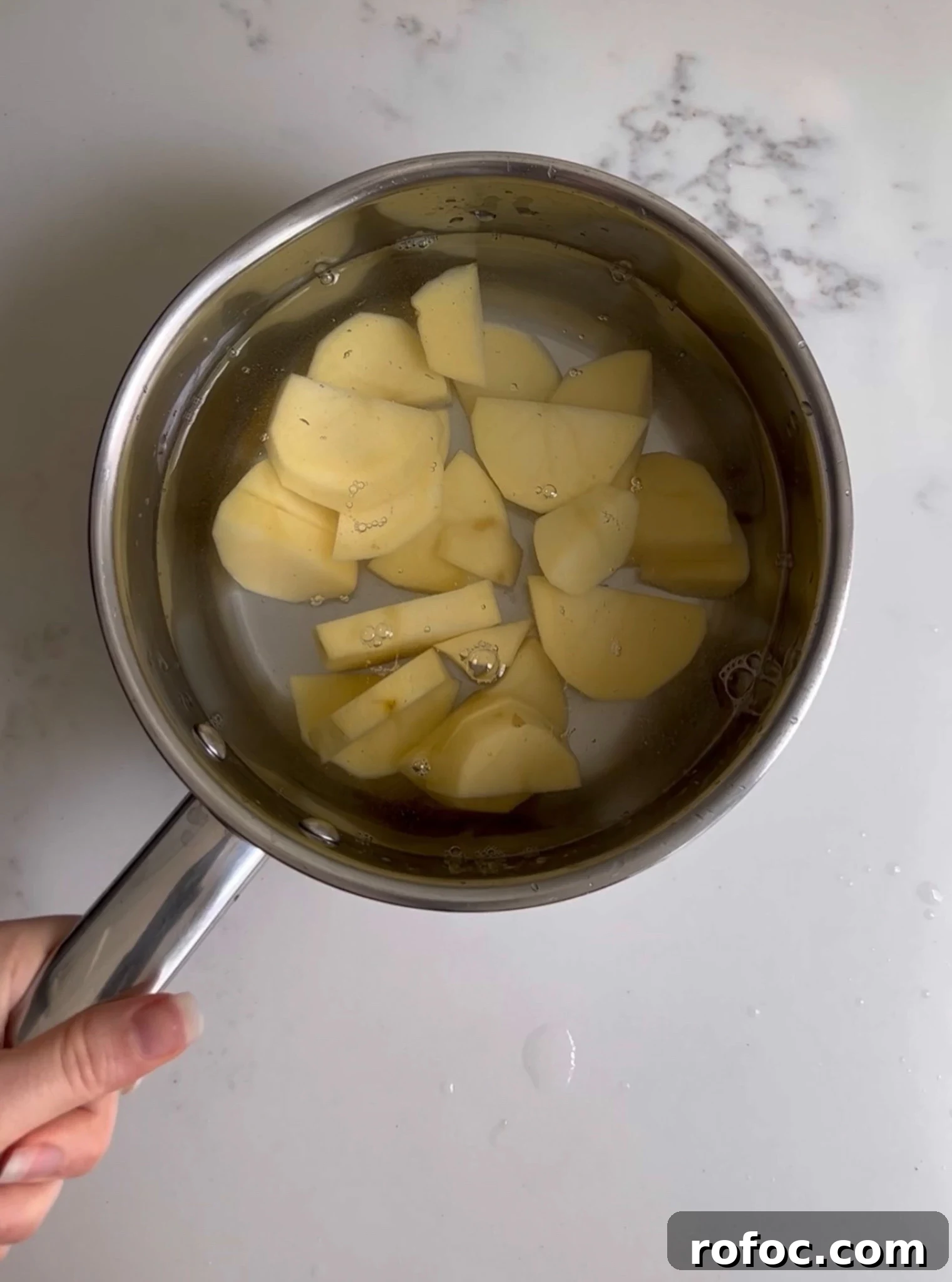
Peel and wash two medium potatoes. Cut into roughly 1-inch pieces so they cook evenly and quickly.

-
Place the potatoes in a pot, cover with cold water, bring to a boil, and simmer until tender, about 10 minutes.
-
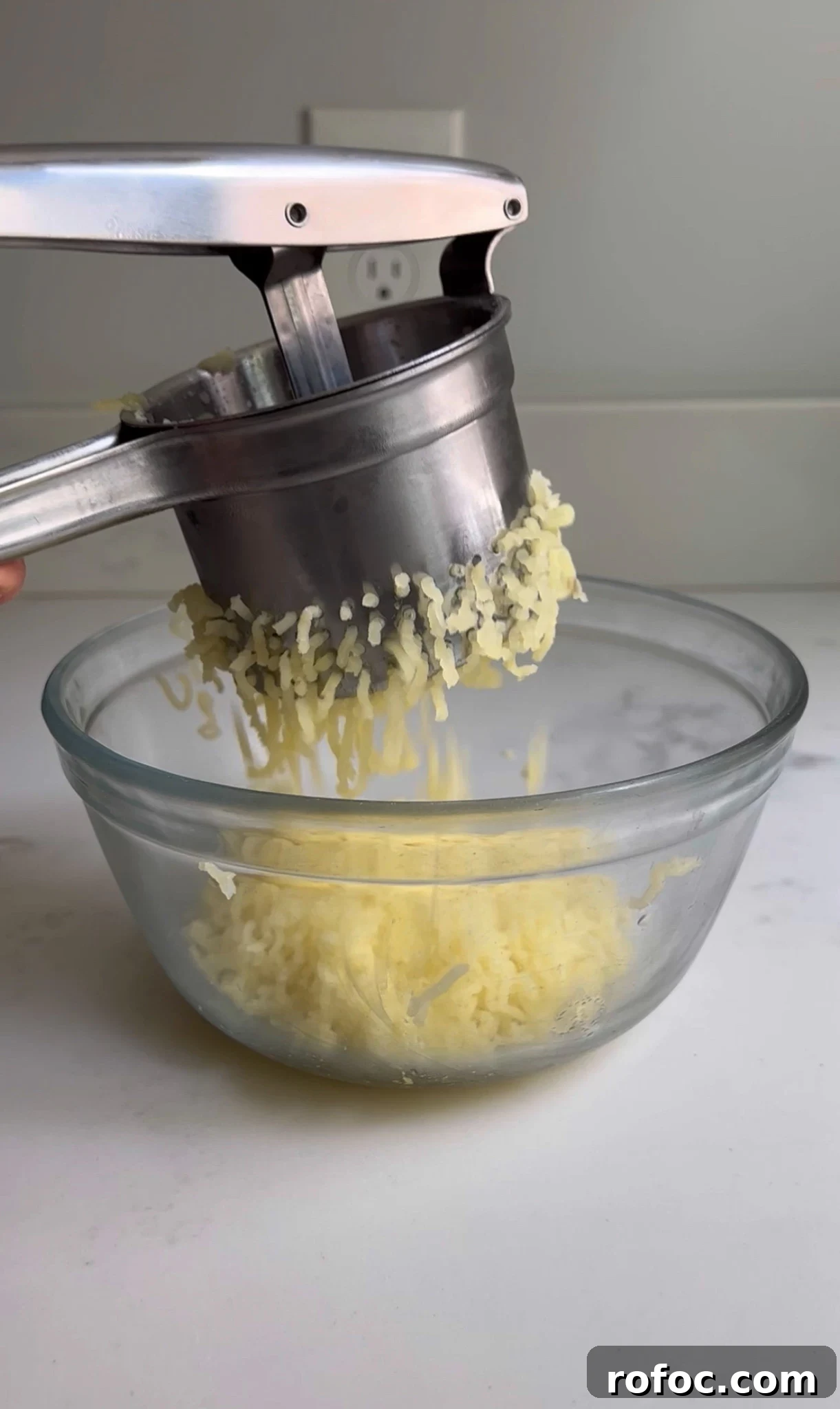
Drain and mash the potatoes until smooth, or pass them through a ricer. Allow them to cool slightly before mixing into the dough.
- Warm the milk until lukewarm (fingervarm). Stir in the yeast and sugar and let sit 5–10 minutes until it becomes slightly frothy. If using instant yeast, you can add it directly with the dry ingredients.
-
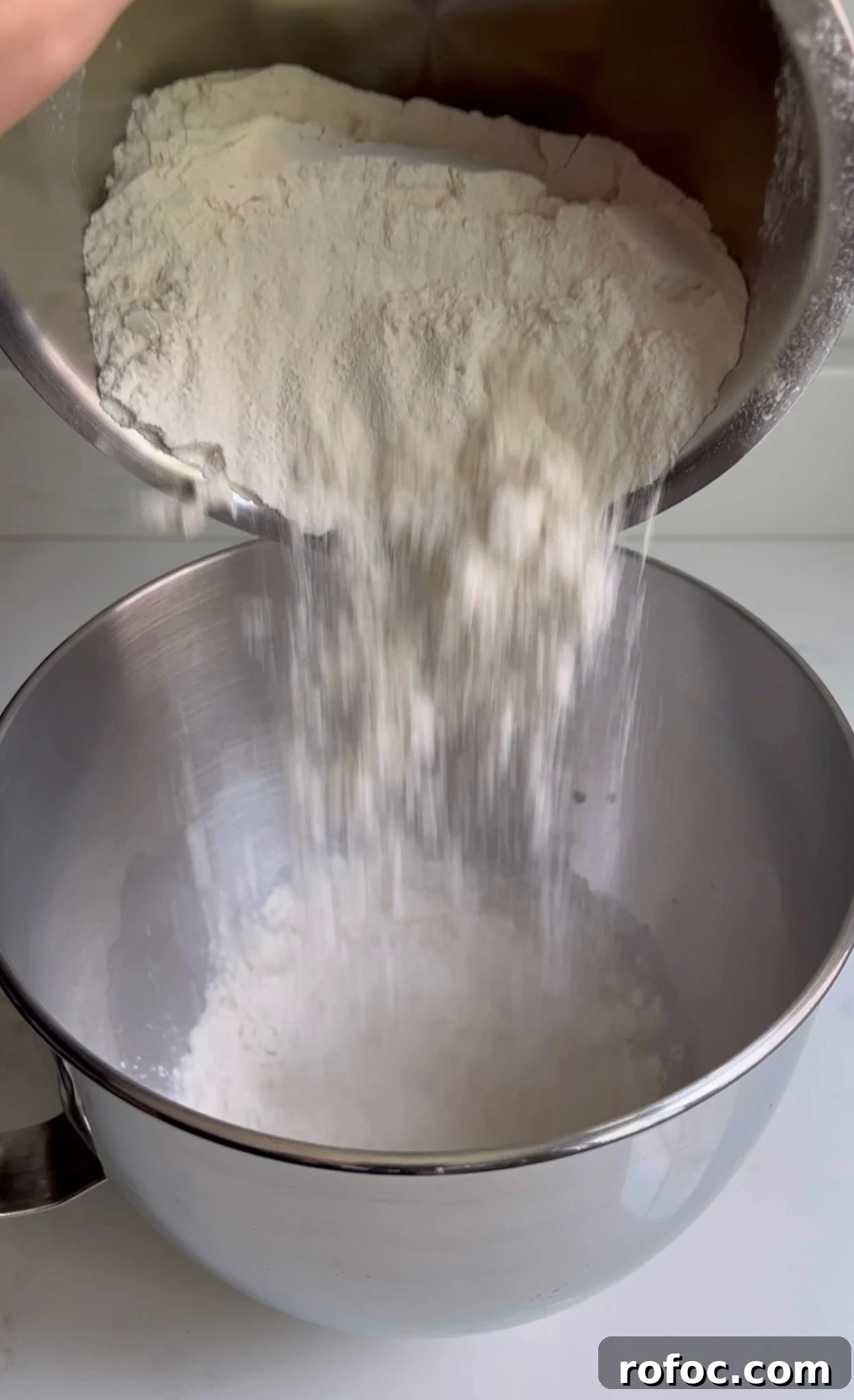
Combine the flour and salt in a mixing bowl. Add the mashed potatoes and the milk/yeast mixture. Mix to form a rough dough.
-
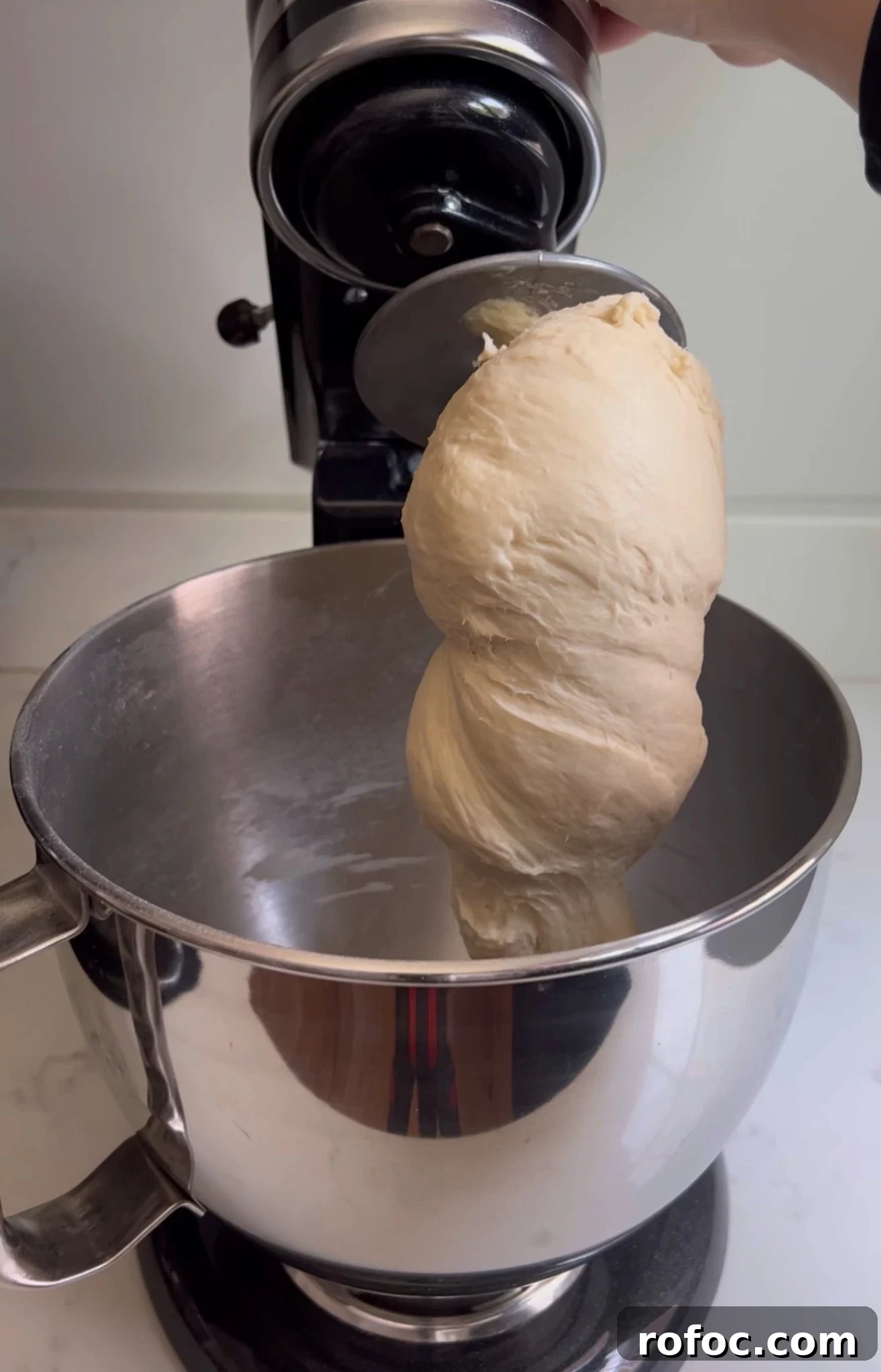
Knead the dough with a stand mixer fitted with a dough hook for about 10 minutes until smooth and elastic, or knead by hand on a lightly floured surface. Adjust with a little more water or flour if the dough is too sticky or too dry.
- Cover the dough with a damp towel or plastic and let rise in a warm place for about 45 minutes, or until doubled and passing the poke test.
-
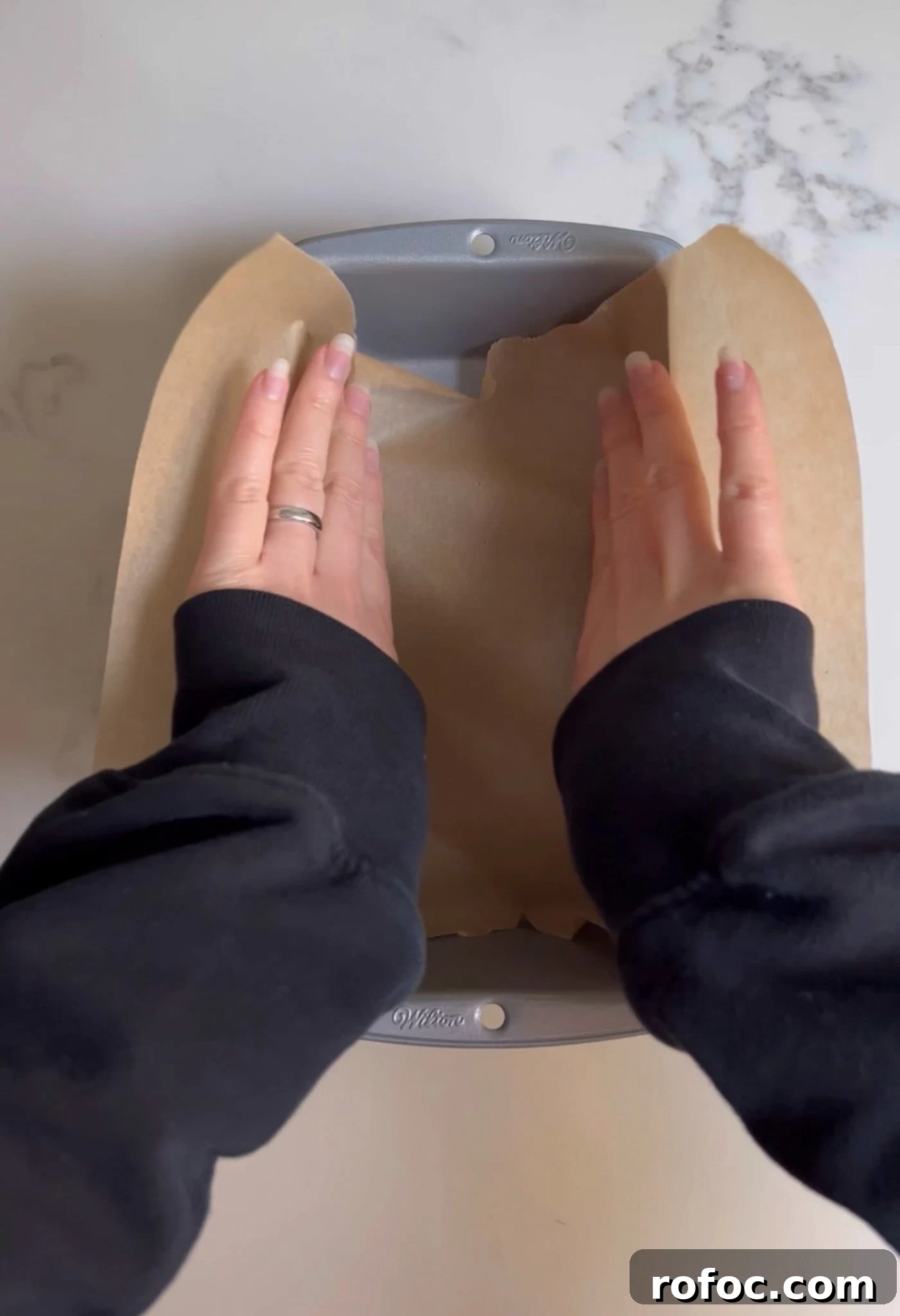
Prepare a loaf pan by oiling it or lining it with parchment paper that overhangs for easy removal.
-
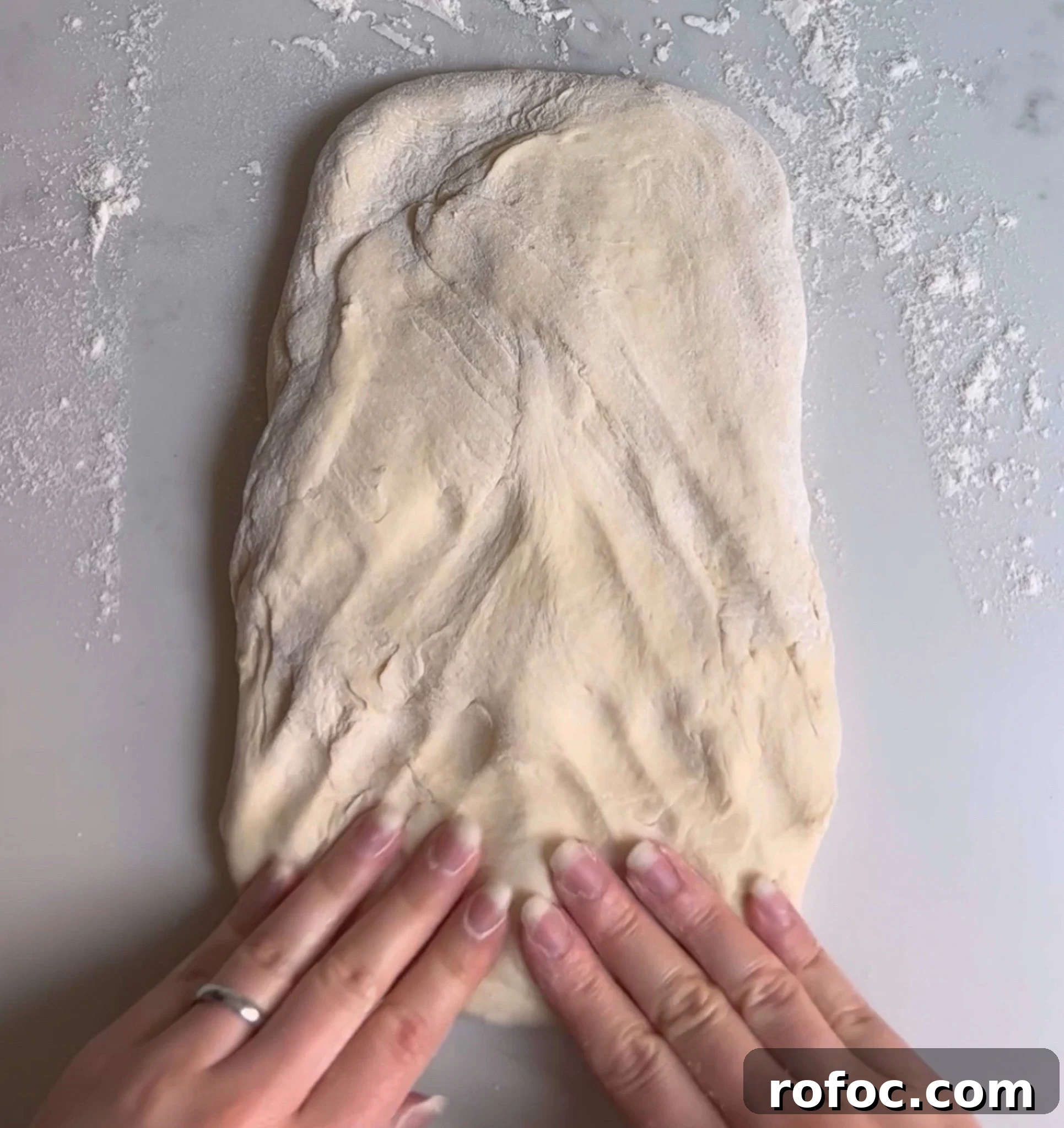
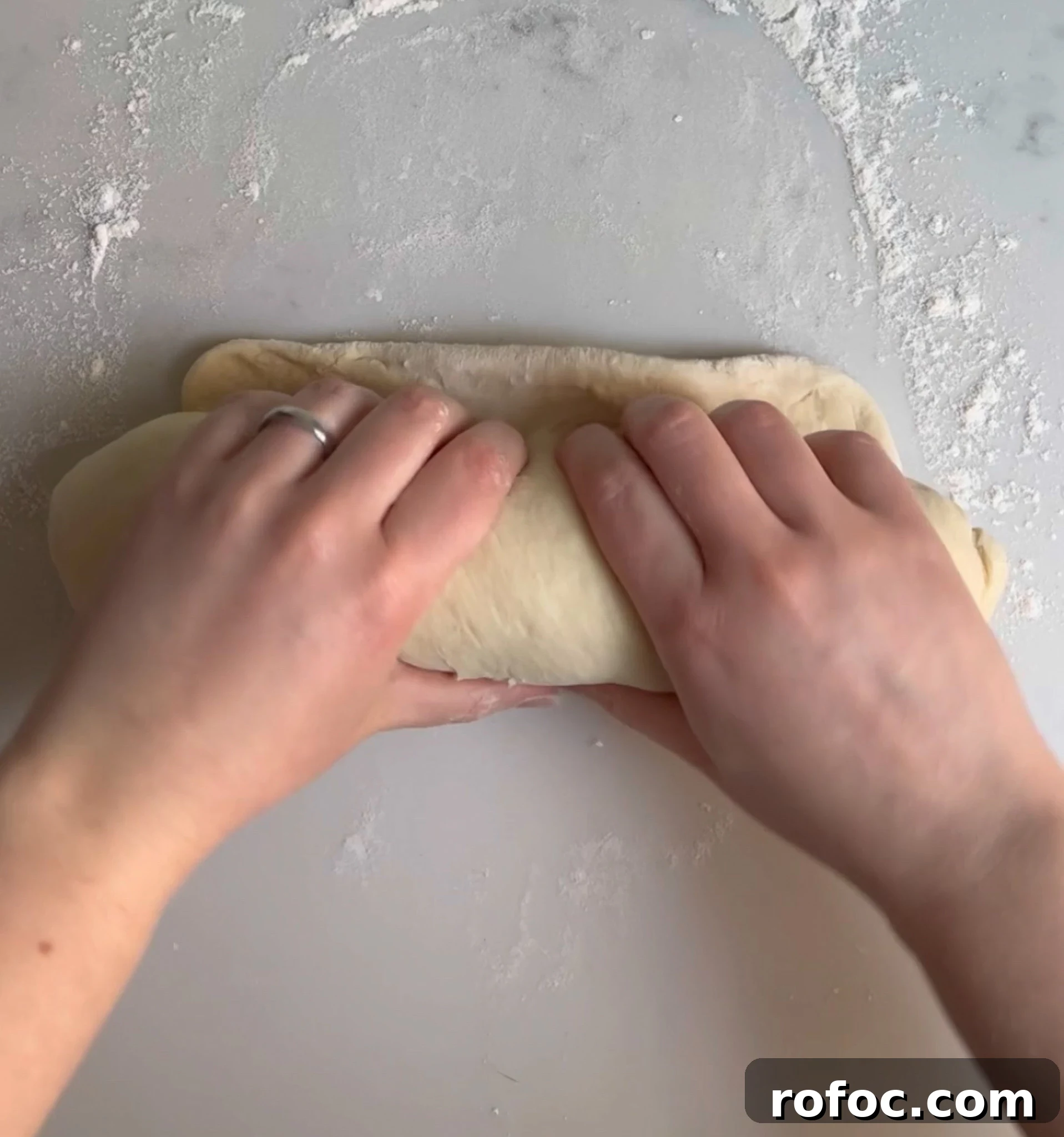
Turn the risen dough onto a clean surface and press it into a rectangle no wider than the length of your loaf pan. Tightly roll the rectangle along the short edge to form a log.
-
Pinch the seam closed, place the seam side down, and gently roll the log to create surface tension. Transfer the loaf to the prepared pan.
- Cover and let rise another 45 minutes in a warm spot until puffed. Preheat the oven to 350°F (176°C) while it finishes rising.
-
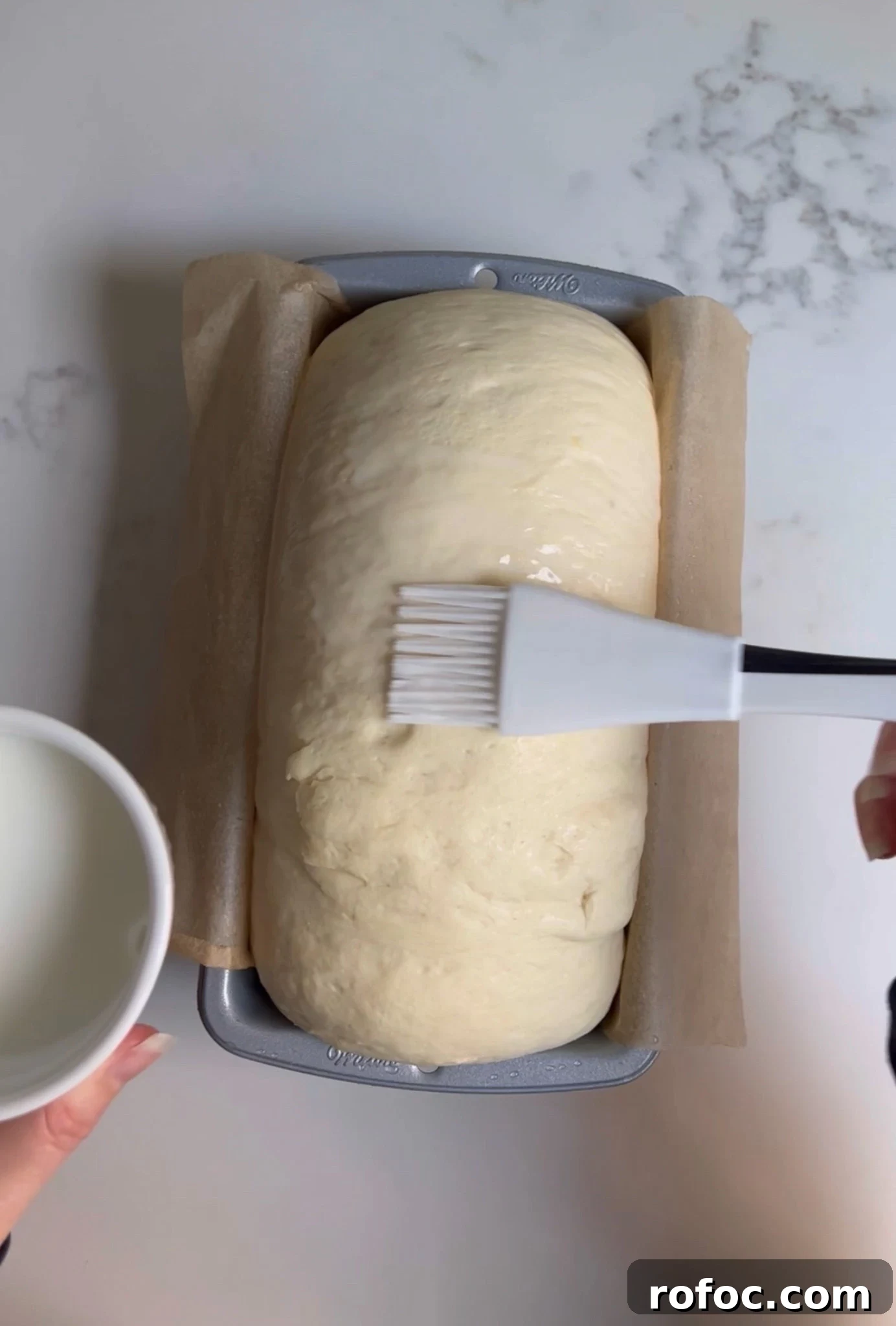
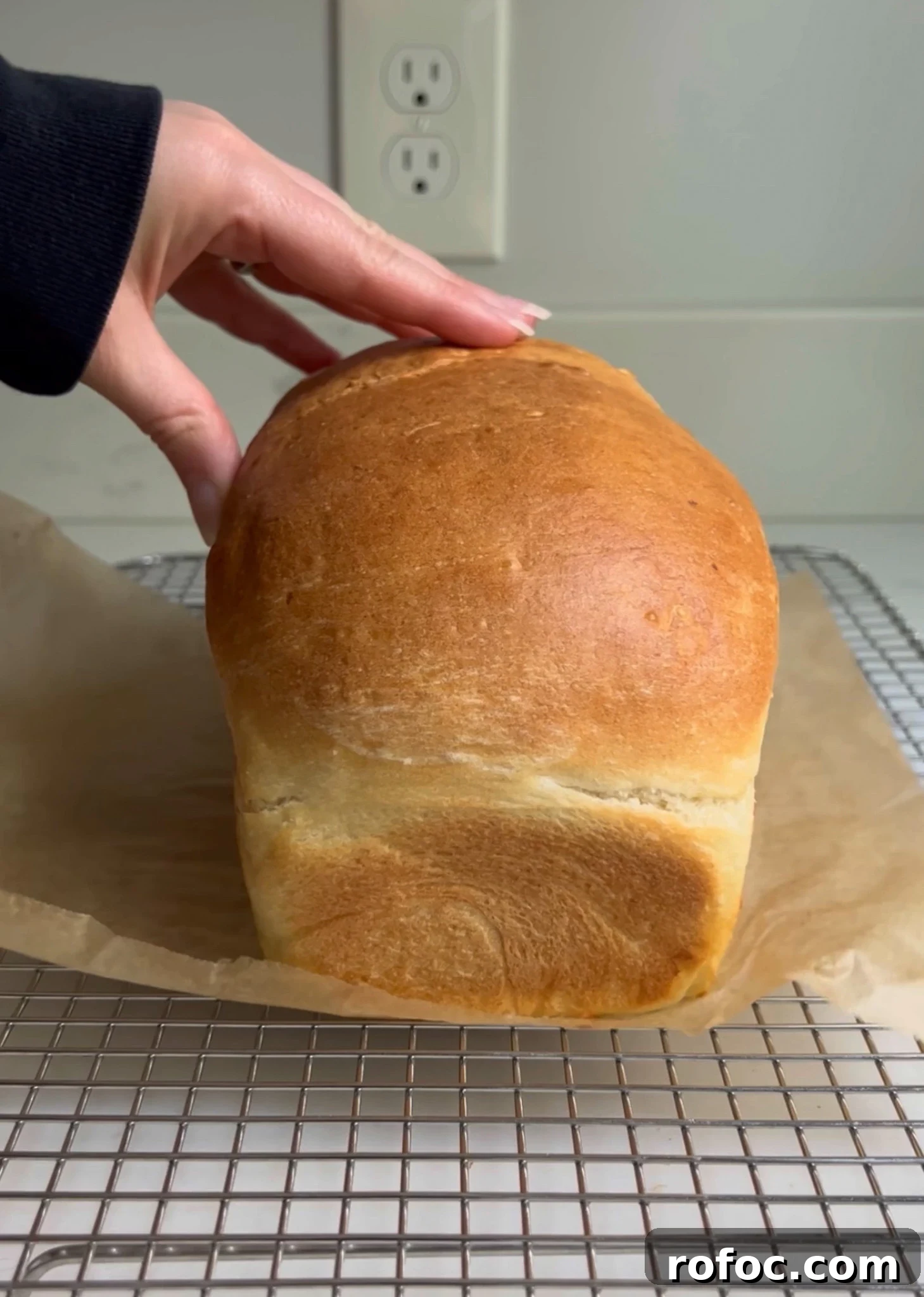
Brush the top of the loaf with a little milk, then bake for about 30–35 minutes until evenly golden and hollow-sounding when tapped.
-
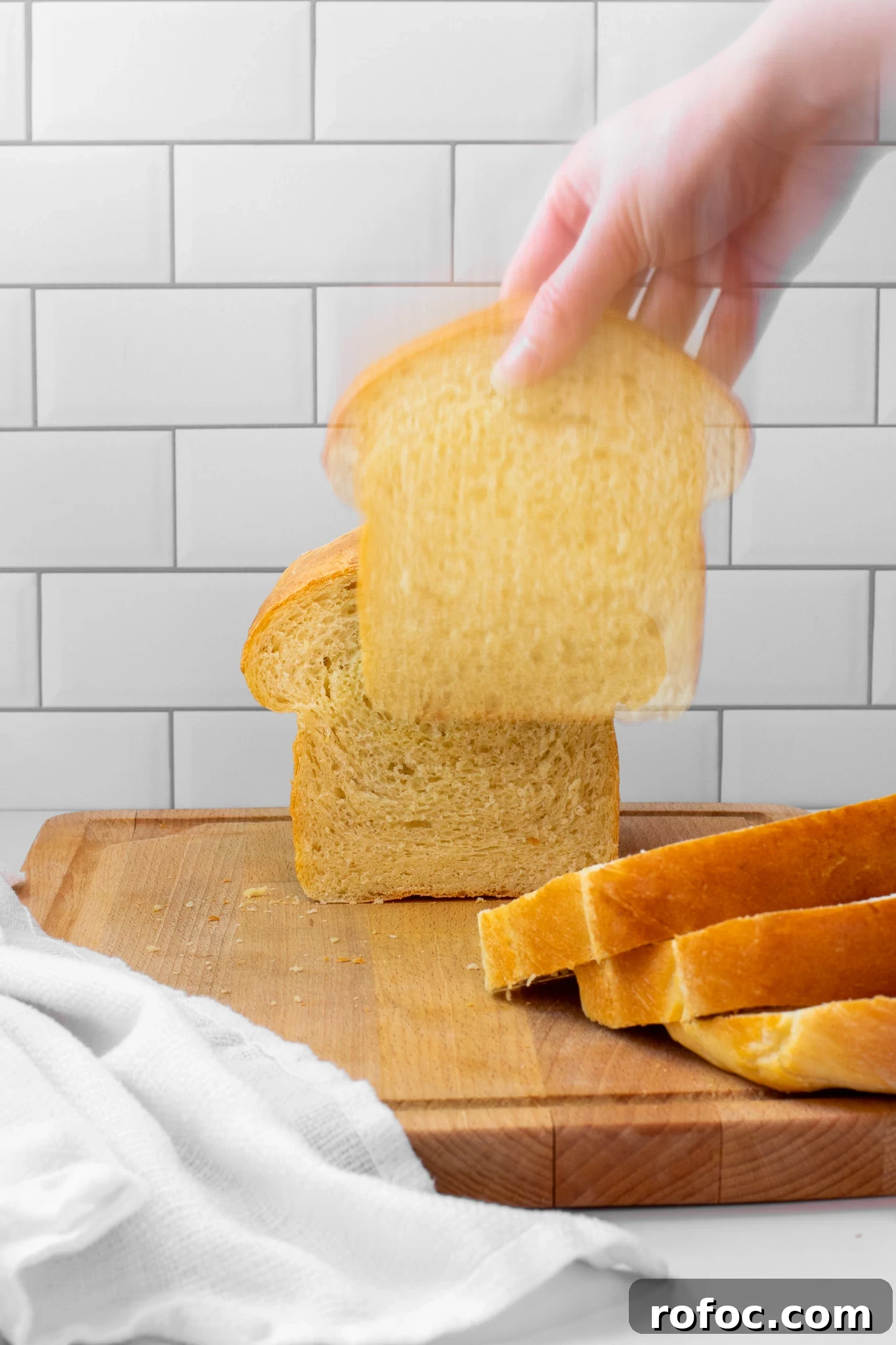
Allow the loaf to cool for at least 30 minutes to an hour before slicing so the crumb sets properly. Enjoy fresh, toasted, or as a sandwich base.

Notes and Tips
- We bake using a digital scale and metric measurements for accuracy. Cup measurements are approximate.
- If your yeast does not foam in the warmed milk, it may be expired—replace with fresh yeast and try again.
- Use a ricer for the smoothest potato texture; lumps can create irregular pockets in the dough.
- This loaf keeps well for a few days at room temperature and freezes nicely when sliced.
We hope you try this kartoffelbrød and enjoy how the potatoes transform a simple loaf into something extra tender and comforting. If you bake it, let us know how it turned out—feedback and small variations are always welcome.