Once associated with sailors, soldiers, and prisoners, tattoos have become widely accepted over the past decade. Much to the surprise of some moms and grandmothers, tattoos are now a common form of self-expression for modern women—and because they are largely permanent, they’re likely here to stay.
At the same time, many mothers and grandmothers are choosing to get inked themselves.
About three in ten Americans have at least one tattoo, and nearly half of Millennials report having tattoos. 
This guide is intended for women of all ages—whether you’re planning your first tattoo, adding another to your collection, or simply curious about why tattoos matter to so many people.
If you’re skeptical about tattoos, keep reading. This article explains the basics: who this guide serves, what to expect at a tattoo shop, how to choose a design, safety guidelines, aftercare, cost, and removal options. It’s all here: Tattoos: A Modern Woman’s Guide to Getting Inked.
Who This Guide Is For
- Anyone considering their first tattoo at any age.
- Parents of teens asking for a first tattoo and unsure whether to allow it.
- People with questions about safety, the tattoo experience, shop selection, or how to find the right design.
- Anyone concerned about social or professional reactions to visible ink.
- Those who are uninterested in tattoos but curious about the trend.
- Anyone worried about future regret and how to minimize it.
I’m in my 40s and got my first tattoo a few years ago. I don’t feel a strong urge to get another, though I might if the right idea came along. I’ve even considered matching or complementary designs with one of my adult daughters. This guide is especially for women who have long considered getting inked but hesitated—wondering, “Really? Me? What would people say?”
People’s Reactions
What will people say if I get a tattoo?
Reactions to tattoos vary depending on the viewer and the tattoo’s location and design. A face tattoo will elicit a very different response than a small butterfly on an ankle. Most people get tattoos to express something about themselves, and that expression naturally invites reactions—positive or negative.
Expect a range of opinions. Some will admire your choice, others may disapprove, and many will be indifferent. If you place a tattoo where few people see it, reactions will be limited. Accepting this variety of responses will make it easier to enjoy your decision.
Why do some Christians have issues with tattoos?
Some Christians reference Leviticus 19:28, which advises against marking the body. Interpretations vary: the passage may have addressed specific historical practices rather than modern tattoos. Views differ among denominations and individuals. Many Christians wear tattoos with religious symbolism and find personal meaning in them. If you’re unsure, consult trusted spiritual leaders or reflect on your beliefs before deciding.

As a pastor’s wife, I was initially nervous about how a tattoo would be perceived in church. After talking with others and weighing my decision, my tattoo has not been a problem in my community.
What will my mother say?
Some mothers may strongly dislike tattoos; others may embrace them or even want one themselves. It can feel strange or sad to watch your child alter their body, but many parents come to accept their adult children’s choices over time.
Tattoo Shops
How old do I have to be to get a tattoo?
Many reputable shops require clients to be at least 18. This is a sensible rule because tattoos are permanent decisions. Some shops do accept minors with parental consent; families should decide what works best for them. Requiring a person to pay for their own tattoo can provide time to think it over and encourage responsibility.
How do I choose a shop?
Ask people whose tattoos you admire for shop recommendations. Look at portfolios and visit several shops. A trustworthy studio will be meticulously clean, professional, and willing to answer safety questions. You should feel comfortable and respected when you walk in.
What is it like to walk into a tattoo shop for the first time?
Walking into a tattoo studio can be intimidating if it’s unfamiliar territory. Be honest about your inexperience—artists regularly work with first-timers and want to help you get a design you love. Look through portfolios to see the artist’s range; many shops feature impressive pieces, so request simpler examples if that suits you better.
What are some different types of tattoos?
Tattoo styles continue to evolve. Common categories include:
- Traditional: Bold lines and classic motifs, often black and color.
- Realistic: Detailed work designed to resemble photos or portraits.
- Japanese: A historic, rule-based style that often covers large areas with symbolic imagery.
- Script: Text-based tattoos in a variety of fonts.
- Tribal: Geometric and body-contouring black designs rooted in ancient traditions.
Tattoo Colors
Should I get color or black and white?
Color versus black-and-white is a personal choice. Black-and-gray tattoos are typically less expensive and easier to maintain. Color tattoos require more frequent touch-ups because pigments fade over time; regular sunscreen helps preserve vibrancy. White-ink tattoos are a newer trend and can be delicate; they require skilled artists and careful healing.

How do I choose a design?
Gather inspiration from books, social media, and personal sketches. The more specific you are when you meet with an artist, the more accurately they can translate your idea. Bring reference images and be clear about size and placement. Choose a design that holds personal meaning so it continues to feel relevant over time.
Size
Small tattoos can be charming, but elements like fine script or tiny details may not age well if the design is too small. Ensure text is large enough to remain legible and that details have room to hold up over time.
Words
Text tattoos are popular but challenging. Fonts that look good on paper may not translate well onto skin, and long passages often don’t work with body contours. A name or a short phrase is usually a safer choice than extended quotes.
How much will it cost?
Price varies by size, color, placement, and artist reputation. Small pieces can range from modest amounts to several hundred dollars. Larger works, including sleeves or full-back pieces, require multiple sessions and higher costs. Always budget for tipping your artist.

Regrets and Concerns
How safe is it to get a tattoo?
Infection is a risk if proper hygiene and sterilization aren’t followed. Choose a reputable studio and ask how they prevent infection. Long-term effects of tattoo ink are still being studied, so follow artist guidance and consult a doctor with health concerns. Piercings carry different risks and aftercare requirements, especially facial piercings.
Will my job make me cover up my tattoo?
Workplace policies vary. Some industries still require tattoos to be covered; others are more accepting. If you’re concerned about professional limitations, choose a placement easily concealed by clothing.
What if I want to remove my tattoo?
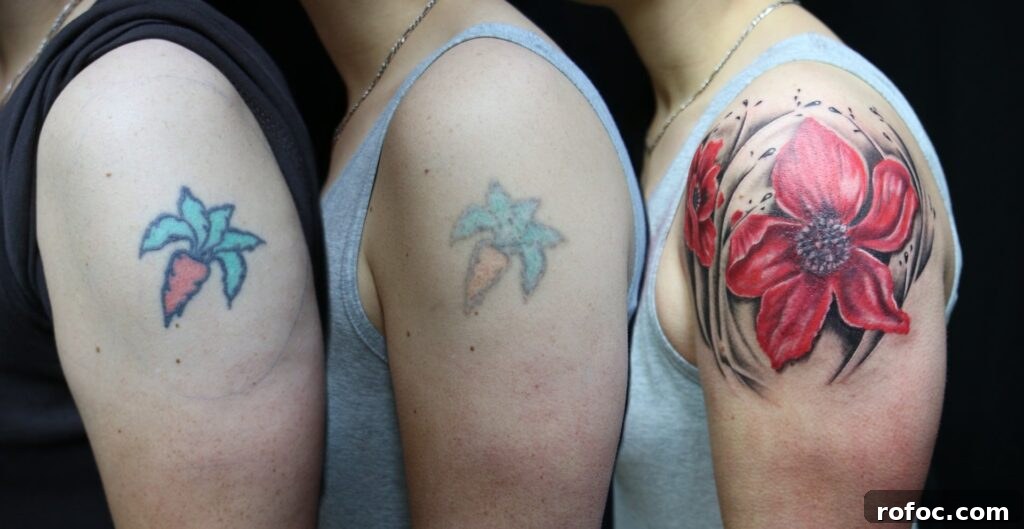
Laser removal is possible but often slow, costly, and may not eliminate the tattoo entirely. Many people opt for cover-up tattoos, which can effectively mask an old design. Short-term concealment options like specialized makeup or tattoo sleeves also exist for temporary needs.
Getting a Tattoo
What’s it like to get a tattoo?
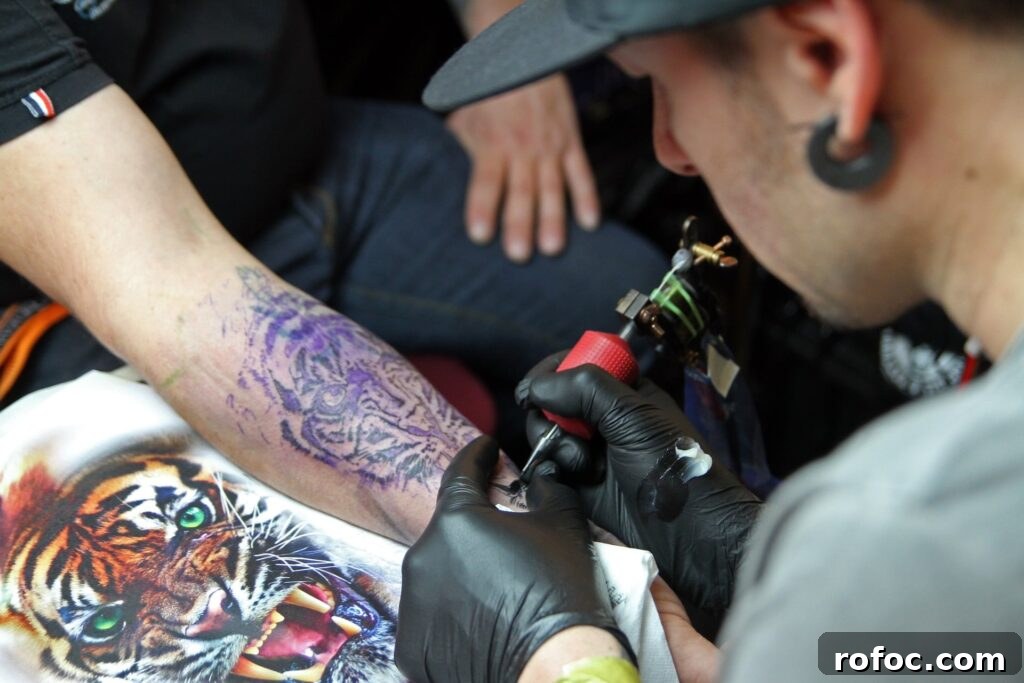
After choosing a design and a shop, you may walk in for a booking or schedule an appointment. The artist will prepare a stencil so you can preview placement and size—this is your last chance to request changes. Once you approve, the artist begins the process.
Does it hurt?
Yes, tattooing is painful to varying degrees depending on location, size, and personal tolerance. Many describe it as intermittent sharp sensations or scratching. Pain experiences differ: some find it manageable, others find it more intense.
What is the aftercare?
Follow the instructions your artist provides. Typical aftercare includes keeping the bandage on briefly, gently washing the tattoo with mild antibacterial soap, applying a thin layer of recommended ointment for a few days, then switching to an unscented lotion. Avoid swimming, excessive sun exposure, and picking at scabs while healing.
My Tattoo Story
For years I considered getting a tattoo but hesitated over the design. After completing several triathlons, I thought about a triathlon symbol, but ultimately wanted something with spiritual meaning. I chose a reference to Matthew 19:26—“With God all things are possible”—paired with forget-me-not flowers. My tattoo reflects personal milestones and faith.
I went to a reputable shop in the Denver area and discussed my ideas with the artist. My mother wasn’t thrilled at first, but she has accepted my choice, and I’m happy with the result.
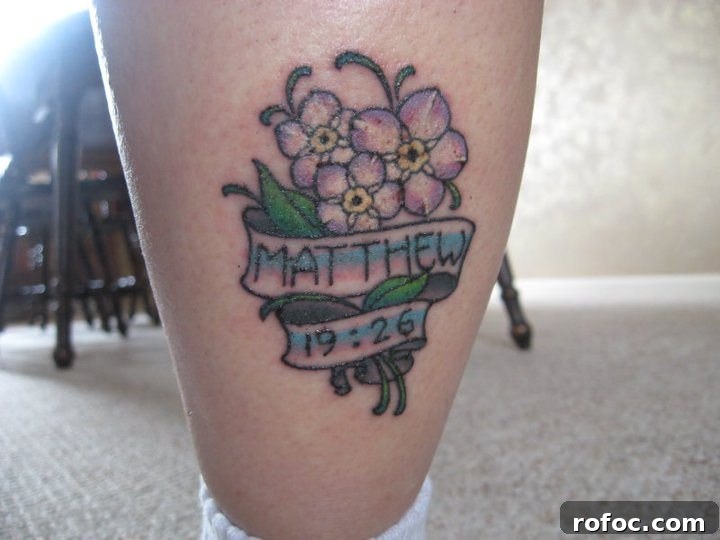
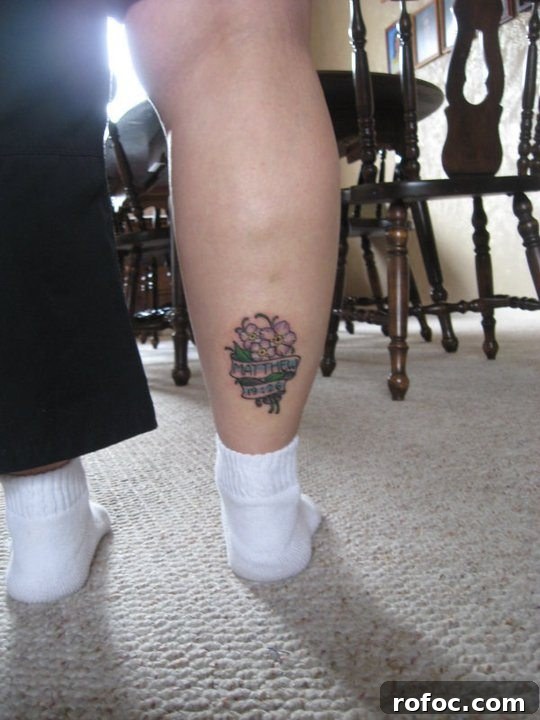
If you have a tattoo, what does it look like? Have you considered getting one? Share your experience and advice with others who are deciding.