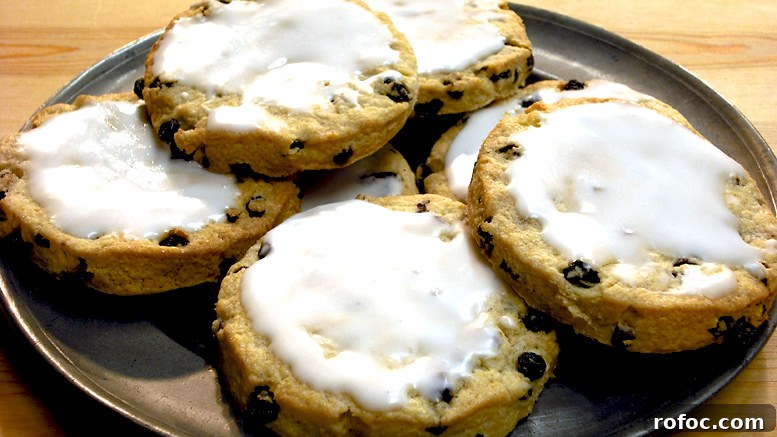
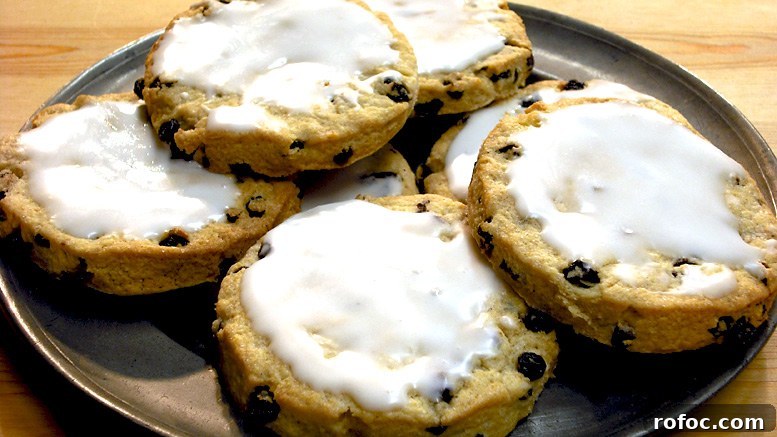
Excellent Small Cakes From A 1669 Recipe
Excellent Small Cakes are closer to large biscuits than modern layer cakes. Traditionally finished with a sugar glaze, these treats combine a rich, creamy dough with chewy currants for a crumb that is both tender and slightly dense. The recipe below is adapted from The Closet of Sir Kenelm Digby Knight, compiled from notes made in the early 1600s and first published in 1669. While written down then, many of the recipes have roots extending further back into the Tudor period.
Sir Kenelm Digby – Original Recipe From 1669
EXCELLENT SMALL CAKES
Take three pound of very fine flower well dryed by the fire, and put to it a pound and half of loaf Sugar sifted in a very fine sieve and dryed; Three pounds of Currants well washed and dryed in a cloth and set by the fire; When your flower is well mixed with the Sugar and Currants, you must put in it a pound and half of unmelted butter, ten spoonfuls of Cream, with the yolks of three new-laid Eggs beat with it, one Nutmeg; and if you please, three spoonfuls of Sack. When you have wrought your paste well, you must put it in a cloth, and set it in a dish before the fire, till it be through warm. Then make them up in little Cakes, and prick them full of holes; you must bake them in a quick oven unclosed. Afterwards Ice them over with Sugar. The Cakes should be about the bigness of a hand-breadth and thin: of the cise of the Sugar Cakes sold at Barnet.
Note: In the 17th century, “sack” referred to a fortified white wine from Andalucia (Spain), commonly used in English cooking of the period.
Excellent Small Cakes Recipe
Makes 16 large biscuits
Recipe Ingredients:
- 500 g plain flour
- 150 g sugar
- 200 g currants
- 200 g butter, softened
- 5 tbsp double cream
- 2 egg yolks
- 1 tsp grated nutmeg
- 5 tbsp sweet Spanish white wine (or substitute a sweet fortified wine)
For the sugar glaze
- 200 g icing (powdered) sugar, sifted
- 1 egg white
- 1 tsp water
Recipe Method:
Prep: Preheat the oven to 190°C (375°F). Lightly grease a large baking sheet.
Separate the eggs: reserve the yolks for the dough and the whites for the icing. In a large bowl combine the sifted flour, sugar and currants. Chop the softened butter into small pieces and work it into the dry mixture until evenly distributed; a knife or the tips of your fingers works well. In a separate bowl whisk together the double cream, egg yolks, grated nutmeg and the Spanish wine, then stir this liquid into the flour mixture until a pliable dough forms.
Turn the dough onto a lightly floured surface and roll to about 8 mm thickness. Cut rounds using a large round cutter (traditionally about the width of a hand) and place them on the prepared baking sheet. Prick each cake several times with a fork to help them bake evenly.
Bake in the center of the oven for 25–35 minutes, until lightly golden. Allow the cakes to cool for a few minutes on the baking sheet, then transfer to a wire rack to cool completely before icing.
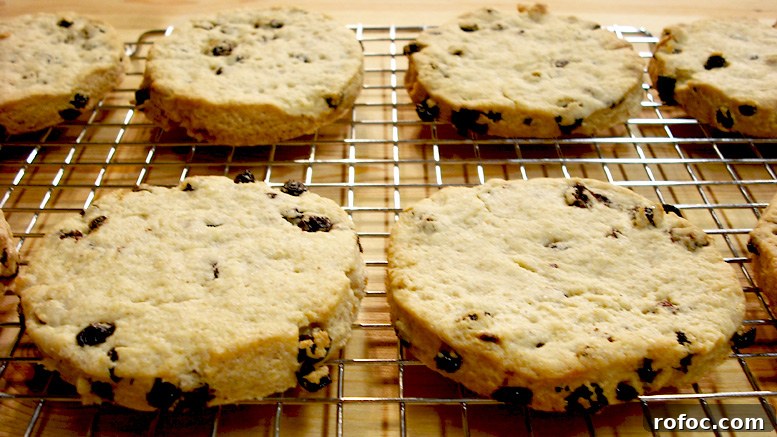
Excellent Small Cakes Cooling And Ready To Be Iced
Make the icing: Work quickly—this royal-style icing dries fast. In a clean bowl beat the egg white with the teaspoon of water until frothy. Gradually add the sifted icing sugar and beat until smooth. The icing should be thick enough to spread without running down the sides; if too thin, add more icing sugar until it reaches the desired consistency. Use immediately or store in an airtight container until ready to ice, as exposure to air will cause it to harden.
Notes and tips:
- Currants can be gently rinsed and dried before use to remove any grit. Tossing them in a little flour before adding to the dough helps prevent them sinking to the bottom during baking.
- If you prefer not to use alcohol, substitute the Spanish wine with an equal amount of extra cream or a mild, non-alcoholic sweet wine alternative.
- These cakes are best eaten within a few days. Store in an airtight tin to preserve their texture; once iced, store at room temperature for up to two days.
This straightforward, historic recipe produces modest, satisfying biscuits with a comforting mix of buttery richness, warm spice and fruity currants—just as enjoyed centuries ago.