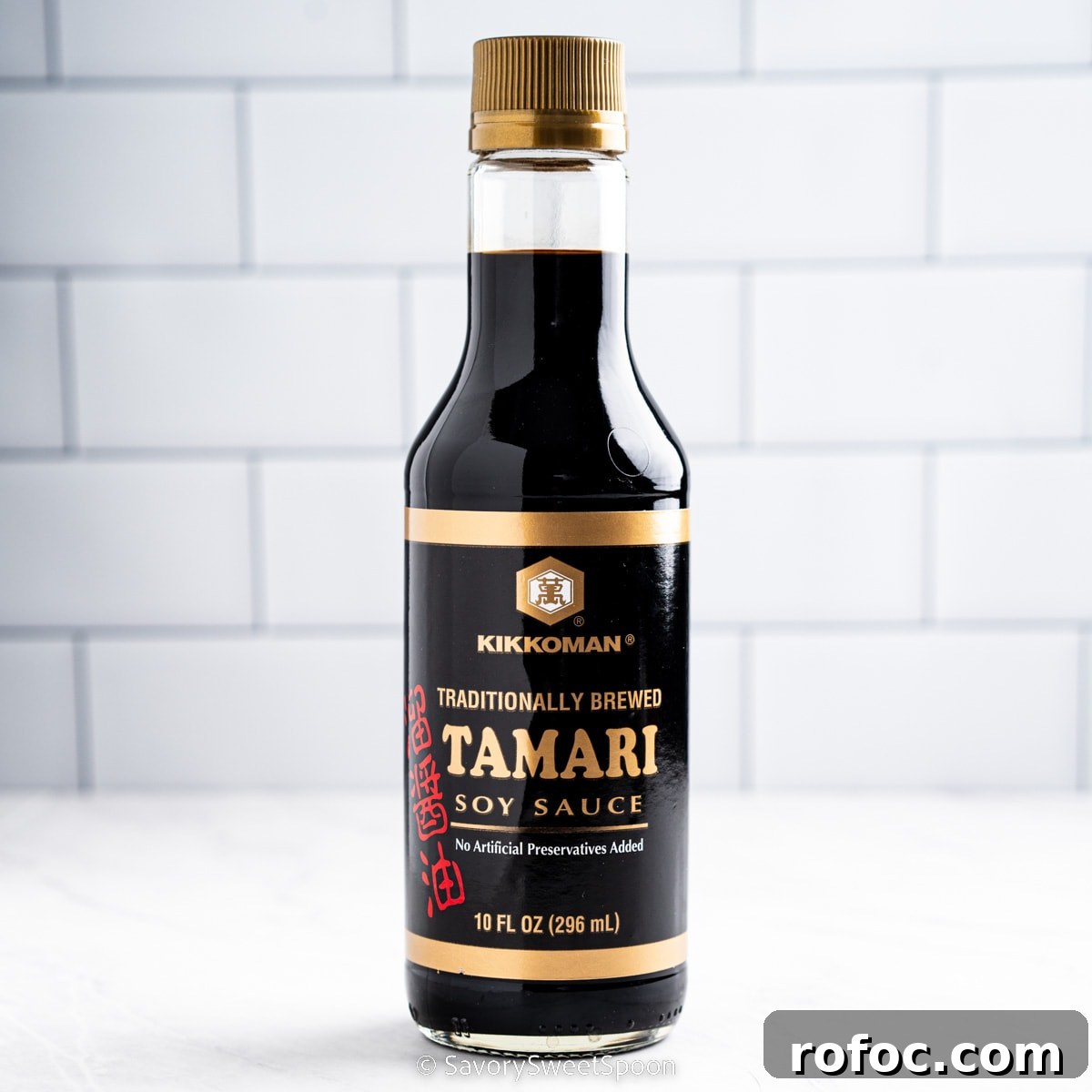
Are you out of tamari and wondering what to use instead? Don’t worry — missing an ingredient happens to every cook. Below you’ll find clear, practical substitutes for tamari, how they compare, and tips for using them so your dish still turns out flavorful and balanced.
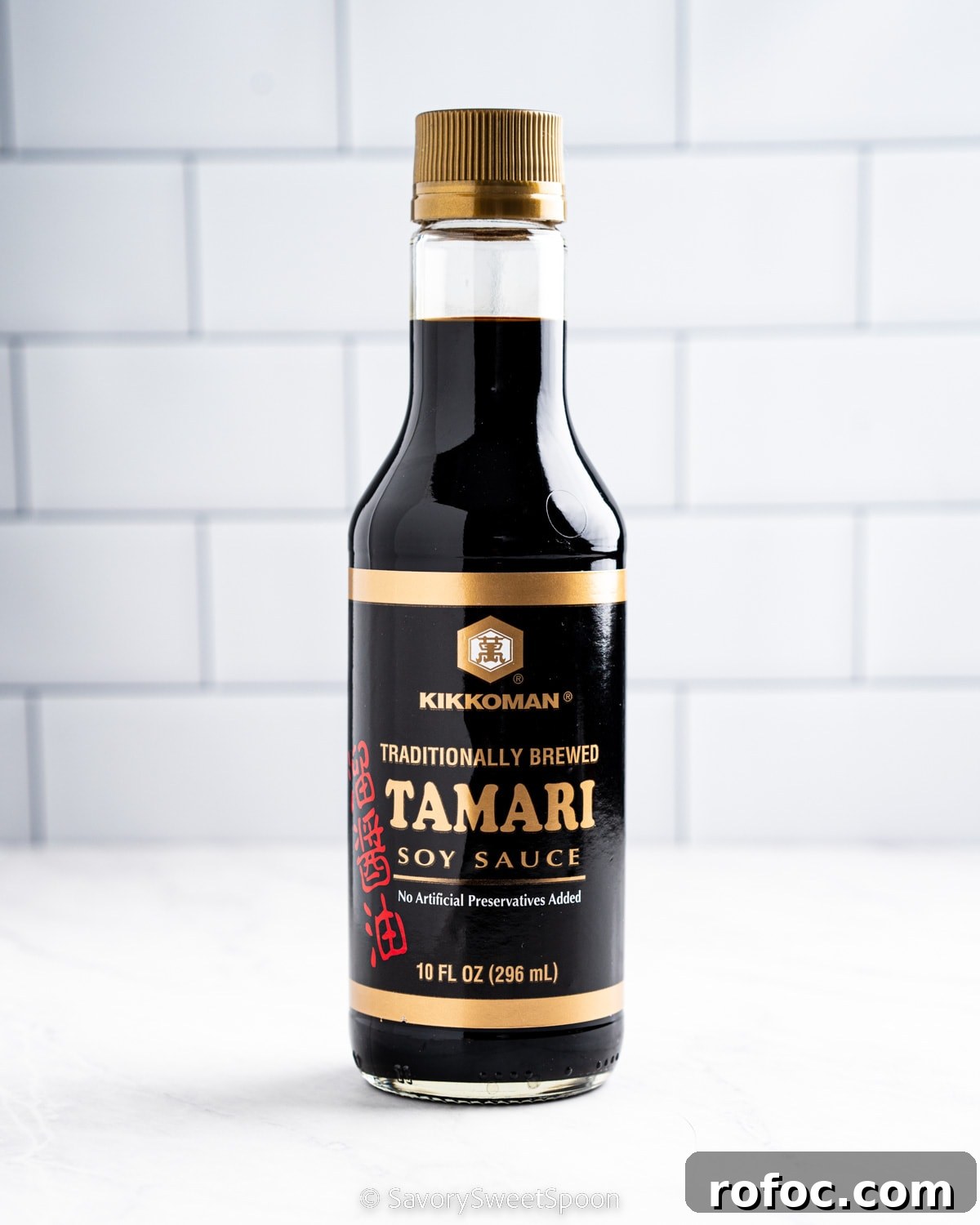
What is Tamari Soy Sauce?
Tamari is a Japanese-style soy sauce that stands out for its deeper, smoother flavor and often minimal or no wheat content. Because it’s traditionally a byproduct of miso production, tamari offers a rounder, less salty profile than many regular soy sauces. That makes it popular as a dipping sauce, marinade, seasoning, and a common gluten-free option for Asian cooking.
Best Substitutes for Tamari
1. Soy Sauce
Soy sauce is the most straightforward swap for tamari. Both are soy-based and deliver salty, savory, umami flavor. The main differences are texture and wheat content: many soy sauces contain wheat and can taste sharper or saltier than tamari. Use soy sauce cup-for-cup in stir-fries, marinades, dressings, and dipping sauces, but reduce the amount slightly if the soy sauce you have tastes noticeably saltier. If you need a gluten-free option, look for wheat-free or gluten-free labeled soy sauce.
2. Coconut Aminos
Coconut aminos are made from fermented coconut sap and salt. They are soy-free and gluten-free, with a milder, slightly sweeter profile than tamari. Coconut aminos work well in Asian-style dishes, glazes, and dressings when you want to avoid soy or gluten. Because they are less salty, you may need to add a pinch of salt or a splash of vinegar to balance savory recipes.
3. Bragg Liquid Aminos
Bragg Liquid Aminos is a liquid seasoning derived from soy protein that provides a savory, slightly sweet umami flavor similar to tamari. It’s often marketed as a gluten-free alternative, though check the label if wheat is a concern. Bragg works well in marinades, sauces, and as a table condiment. Use it in similar amounts to tamari and adjust saltiness to taste.
4. Teriyaki Sauce
Teriyaki sauce shares a soy base with tamari but includes sweeteners like sugar or mirin and sometimes additional seasonings. It’s sweeter and can be thicker than tamari, so use it when a touch of sweetness complements the dish — for glazing, stir-fries, and marinades. To mimic tamari more closely, dilute teriyaki with a little water and reduce added sugar to avoid overpowering the recipe.
5. Maggi Seasoning
Maggi seasoning is a concentrated, savory liquid that adds depth and umami, similar to tamari. It has a distinct flavor profile and can be quite potent, so start with a smaller amount and increase to taste. Maggi is useful for soups, stews, sauces, and anywhere you want to boost savory richness without changing the texture of the dish dramatically.
6. Worcestershire Sauce
Worcestershire sauce brings a complex mix of tangy, sweet, and umami flavors from ingredients like vinegar, molasses, anchovies, and spices. It’s not a direct substitute for tamari but can work in marinades, braises, and savory sauces where a more layered, tangy flavor is acceptable. Use sparingly and taste as you go, since Worcestershire can introduce acidity and a distinctly different aromatic profile.
7. Fish Sauce
Fish sauce is intensely savory and umami-rich, made from fermented fish. It imparts a salty, slightly briny flavor and is common in Southeast Asian cooking. Use fish sauce in small quantities to replicate tamari’s depth in dressings, sauces, and stir-fries, but be aware it brings a stronger seafood character. Start with half the amount called for tamari and adjust to taste.
8. Oyster Sauce
Oyster sauce combines oyster extract, soy, and sweeteners to deliver a thick, savory-sweet glaze that adds body and umami to dishes. It’s an excellent substitute when you want a richer, slightly sweet finish in stir-fries and sauces. Because it contains shellfish, avoid oyster sauce for guests with seafood allergies. Adjust the quantity according to taste, as its sweetness and viscosity differ from tamari.
Choosing the best substitute depends on your dietary needs and the flavor profile you want to preserve. For a close, soy-based match, regular soy sauce or Bragg Liquid Aminos are reliable. For gluten- or soy-free options, coconut aminos are the most versatile. For richer or sweeter finishes, teriyaki or oyster sauce work well, while Maggi, Worcestershire, and fish sauce can provide bold, complex alternatives when used judiciously. Taste and adjust as you go to maintain balance in your recipe.