
Want to raise a baby who enjoys vegetables? Save this guide with the 10 best vegetables for babies aged 6 to 12 months when you need plant-based inspiration. Introducing vegetables early helps familiarize your child with a variety of tastes and textures, which can reduce picky eating later on. If you didn’t start with veggies right away, don’t worry—any time is a good time to add more vegetables to your baby’s diet.
This article outlines the top 10 vegetables for babies under 12 months, explains when to introduce them, describes their key nutrients, and offers safe preparation and serving ideas. It also highlights why vegetables are excellent additions to your baby’s first foods.

Introducing Babies to Vegetables
Many vegetables can be offered as soon as your baby is ready for solids. The American Academy of Pediatrics suggests starting solids between four and six months, but waiting until around six months is often better because babies usually have improved head and neck control and can sit steadily by then. Breastmilk or formula provides complete nutrition until about six months, so you don’t need to rush solids.
Signs your baby is ready for solids include:
- Can sit upright
- Can sit unsupported
- Has good head and neck control
- Brings objects to their mouth
- Shows interest in food
Introducing vegetables at around six months gives babies exposure to many flavors and textures, helping them accept a wider range of foods later in life.
Eat The Rainbow
Vegetables come in many colors, each offering different nutrients and phytonutrients. A colorful variety supports nutrition, texture experiences, and flavor development.
Top ten vegetables for babies:
- Broccoli
- Peas
- Sweet Potatoes
- Asparagus
- Carrots
- Oyster Mushrooms
- Artichokes
- Brussels Sprouts
- Acorn Squash
- Beets
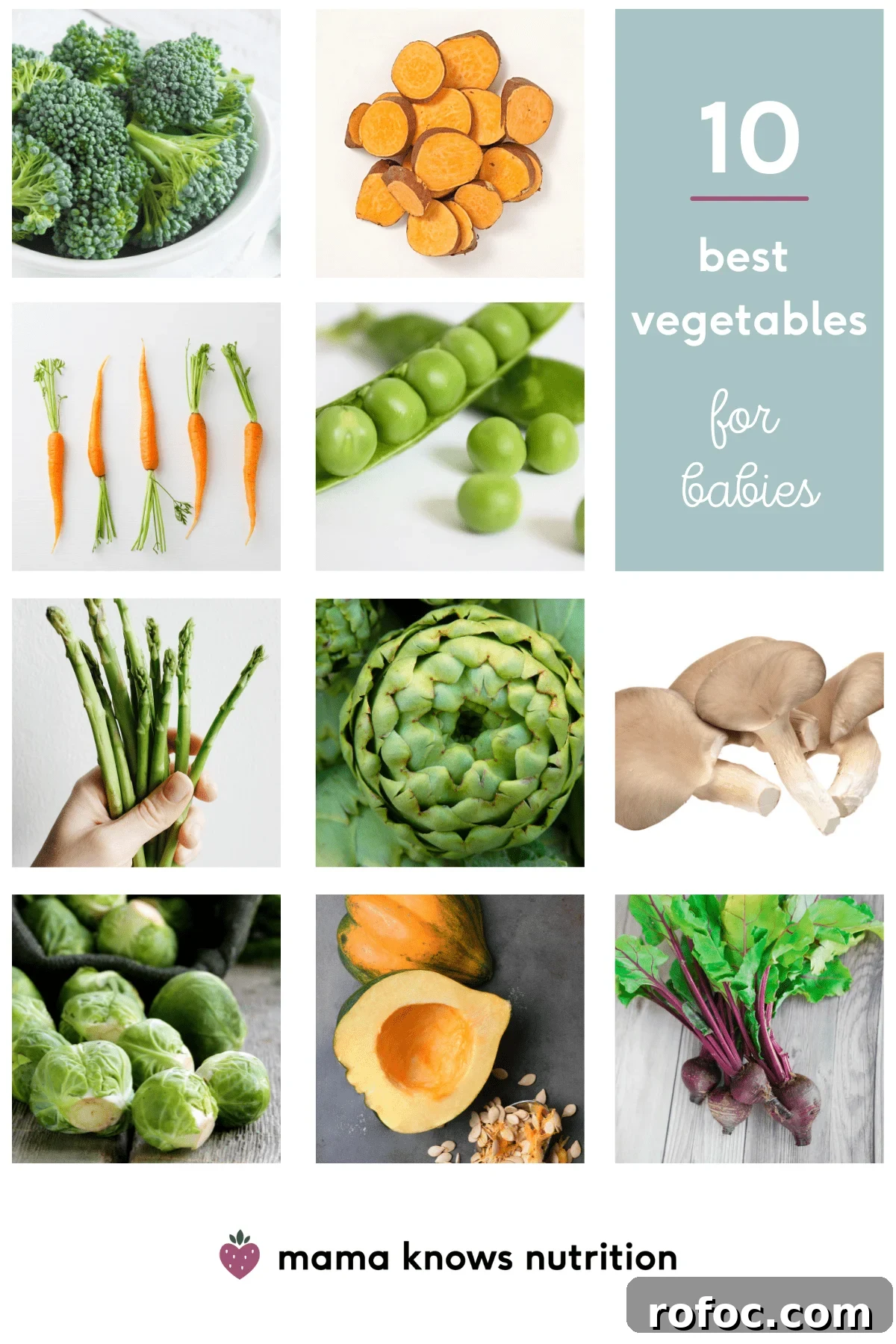
These vegetables cover a range of colors and textures, which is excellent for exposure and nutrition. Below you’ll find why each veggie is a good choice and how to prepare it safely for babies.
Let’s Talk Phytonutrients
Vegetables contain more than macronutrients—they’re rich in phytonutrients (also called phytochemicals). These plant compounds don’t provide calories but support many body processes. For example, beta-carotene—found in orange, yellow, and red vegetables—converts to vitamin A, which supports vision. Other common phytonutrients include lycopene in red foods, lutein and zeaxanthin in green vegetables, and glucosinolates in cruciferous vegetables. Phytonutrients can act as antioxidants, support cell health, and benefit cardiovascular function, making vegetables especially valuable for young children.
The 10 Best Vegetables for Babies
Below are practical notes on safe preparation, nutrition highlights, and simple serving ideas for each vegetable. Always ensure textures are age-appropriate—many raw veggies must be softened to reduce choking risk.
#1 Broccoli
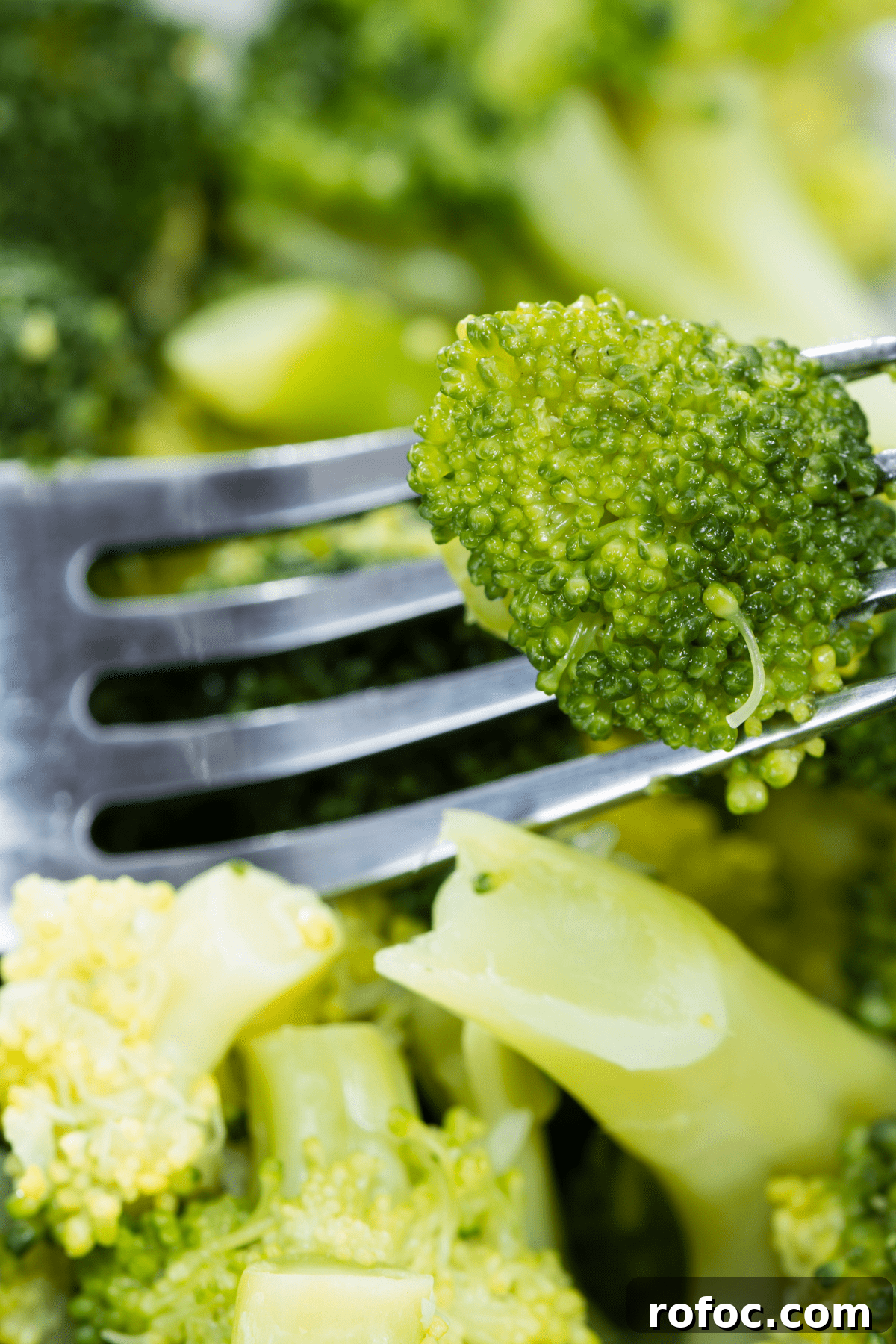
Broccoli supplies immune-supporting vitamin C and vitamin K for bone health, along with vitamin A, vitamin B6, folate, iron, and zinc. For safety, serve broccoli cooked until soft enough to mash between fingers—steamed florets are an easy option. You can also puree broccoli for younger babies. Flavor ideas: a drizzle of olive oil or lemon, mixed into omelets, or added to one-pot meals.
#2 Peas

Peas are rich in fiber and have higher protein than many vegetables. They also provide alpha-linolenic acid (an omega-3), vitamins A, B6, folate, vitamin C, vitamin K, iron, and zinc. Before a pincer grasp develops (around nine months), mash peas to reduce choking risk. Serve mashed peas with yogurt, butter, mixed with potatoes, or added to soups—watch sodium levels in prepared soups.
#3 Sweet Potato (All Kinds)

Sweet potatoes are excellent first foods: high in fiber and vitamin B6, and varying varieties add different phytonutrients—orange types provide beta-carotene (vitamin A), while purple varieties contain antioxidant anthocyanins. Serve them soft: wedges for baby-led weaning or mashed with breast milk, yogurt, butter, or oil to boost fat and calorie density. Bake whole or roast wedges until tender.
#4 Asparagus
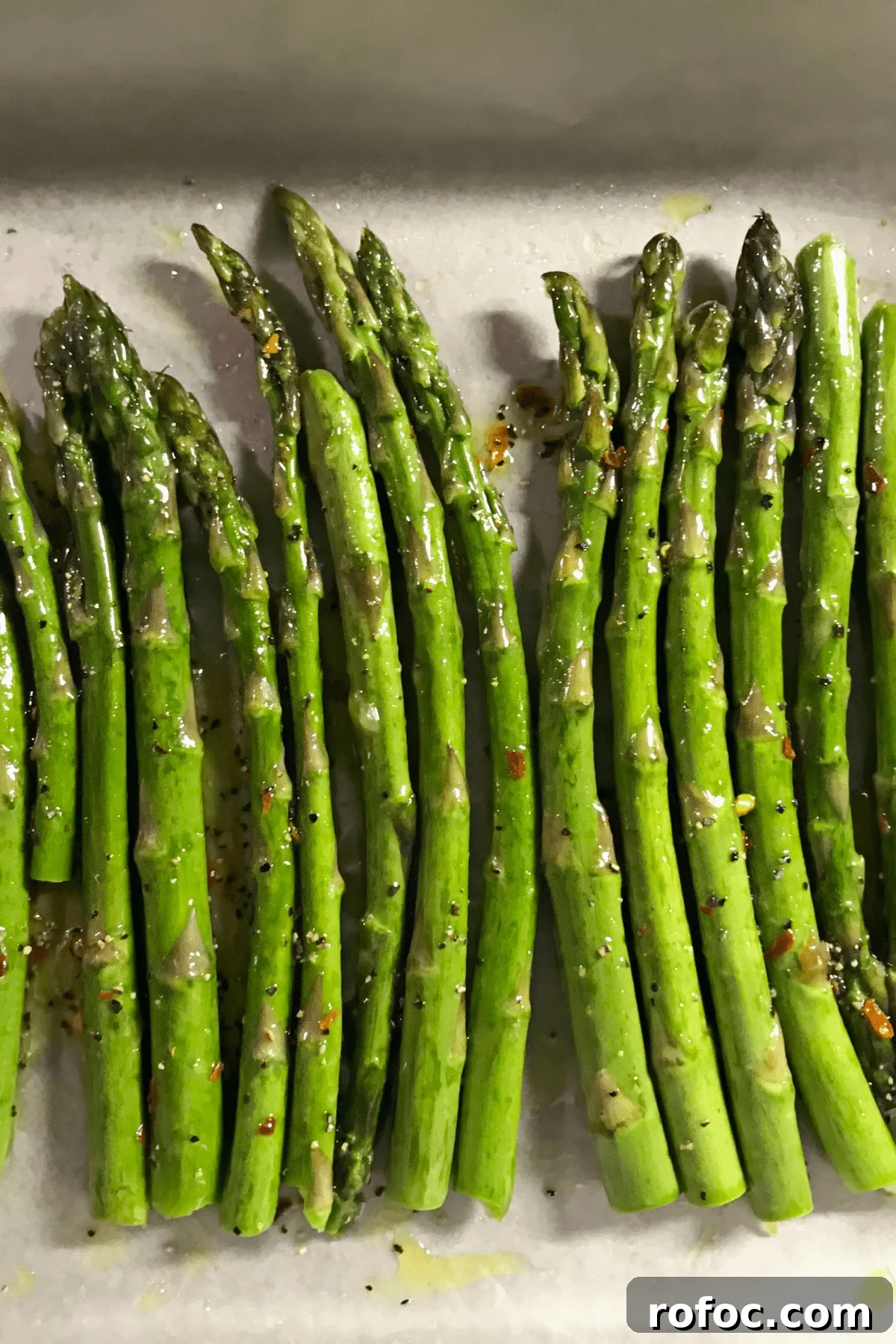
Asparagus provides plant-based iron, B vitamins, and fiber—useful because babies’ iron stores begin to deplete around six months. Steam whole stalks until very tender and serve with a little butter or olive oil. You can also add cooked asparagus to omelets or other dishes once textures are manageable.
#5 Carrots
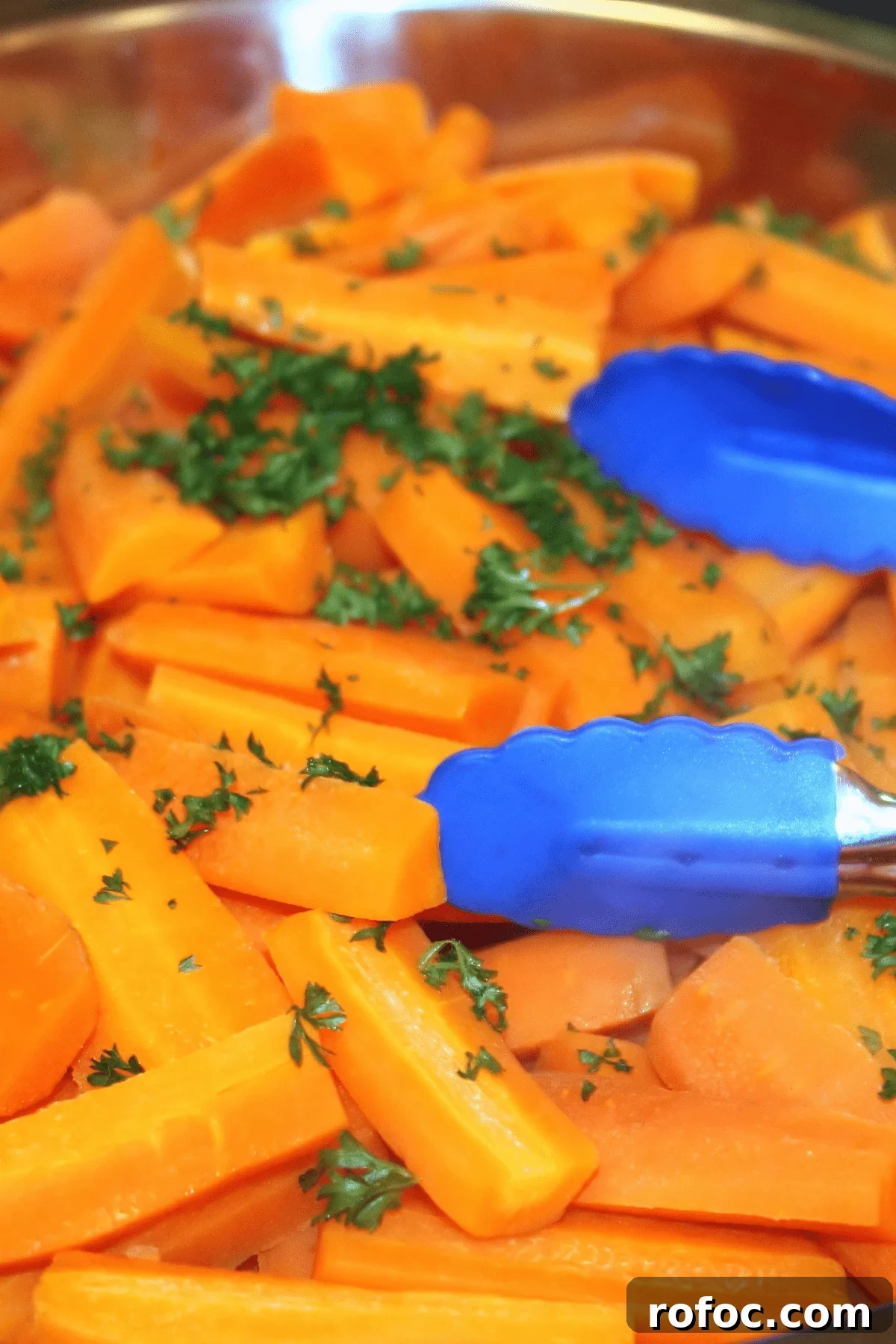
Carrots offer beta-carotene, vitamin B6, and fiber. Raw, hard carrots are a choking hazard, so steam until very soft and serve as long, spear-like pieces the width of two adult fingers or mash them. Grated cooked carrots work well for older babies. Carrots can be eaten alone or added to soups and stews for more complex meals as baby grows.
#6 Oyster Mushrooms
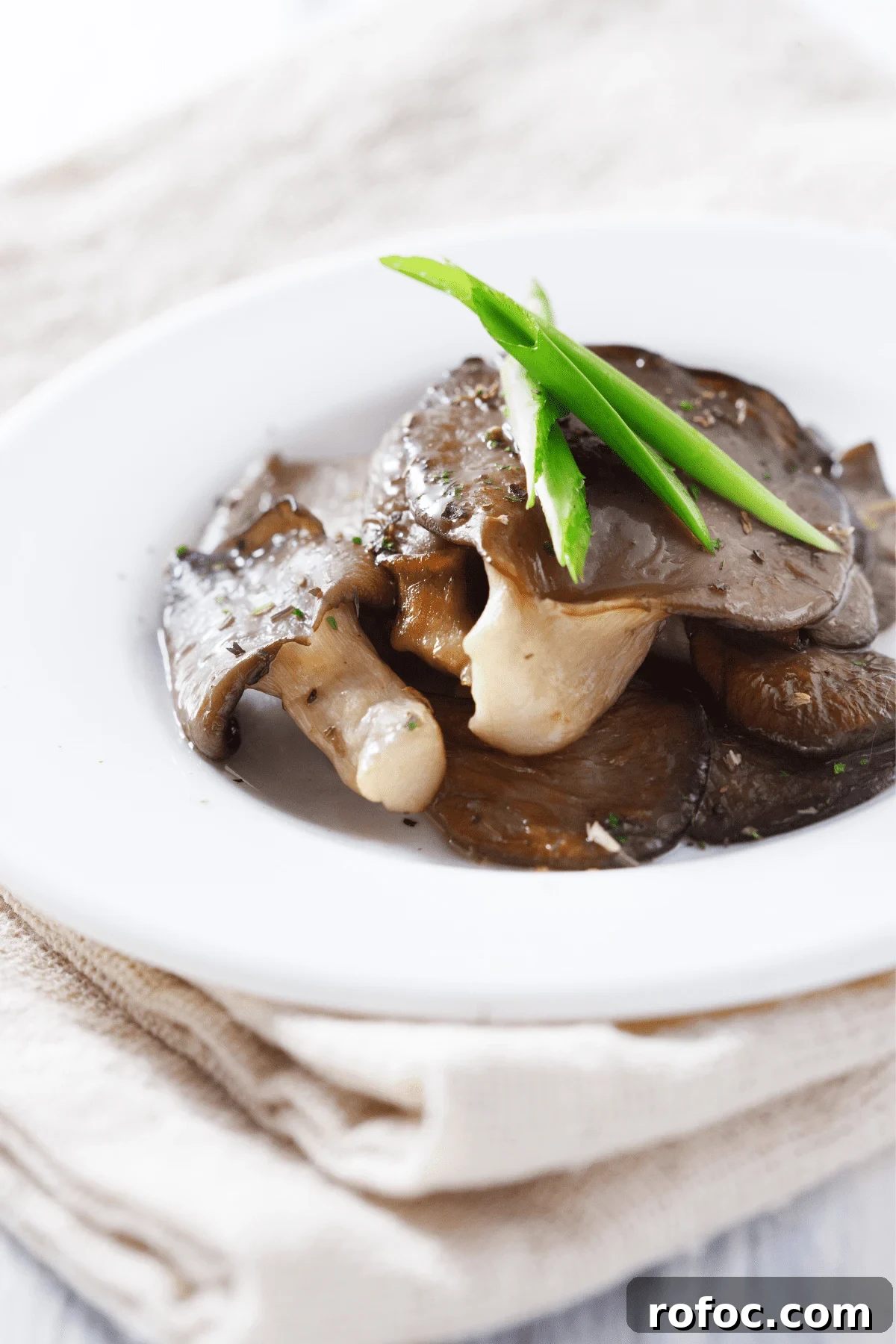
Mushrooms provide one of the few plant sources of vitamin D, important for calcium absorption and bone development, along with protein, fiber, copper, iron, and zinc. For young babies, sauté large caps until soft and offer whole so they can grip them. As motor skills develop, serve small cooked pieces mixed into omelets or other dishes.
#7 Artichokes
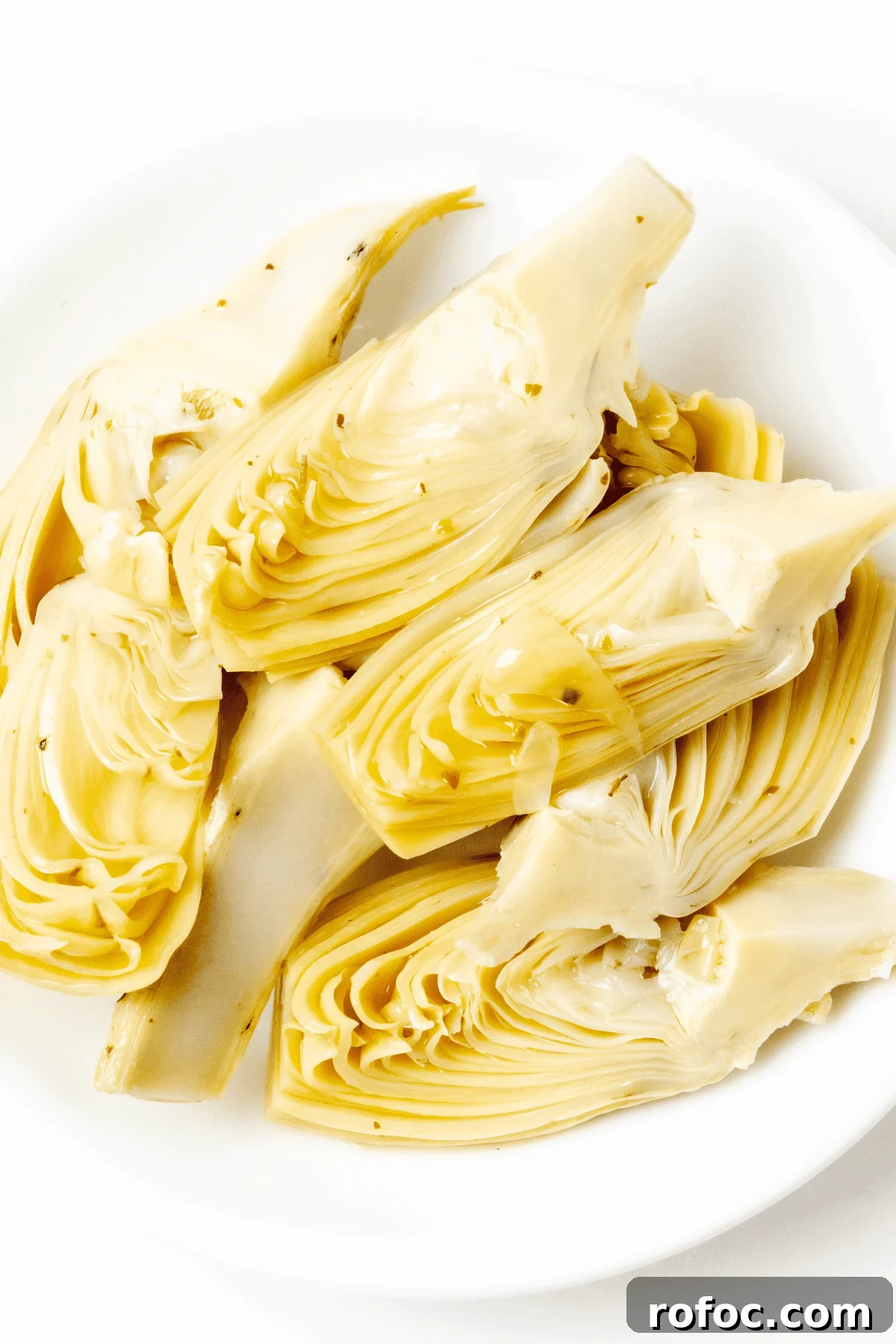
Artichokes are nutrient-dense, offering healthy fats, protein, vitamins K, C, and B, magnesium, and other minerals. Steam artichoke hearts and serve them whole for babies to explore; when the pincer grasp appears, offer smaller cooked pieces. Cooked artichoke can be mixed into dishes or enjoyed on its own.
#8 Brussels Sprouts
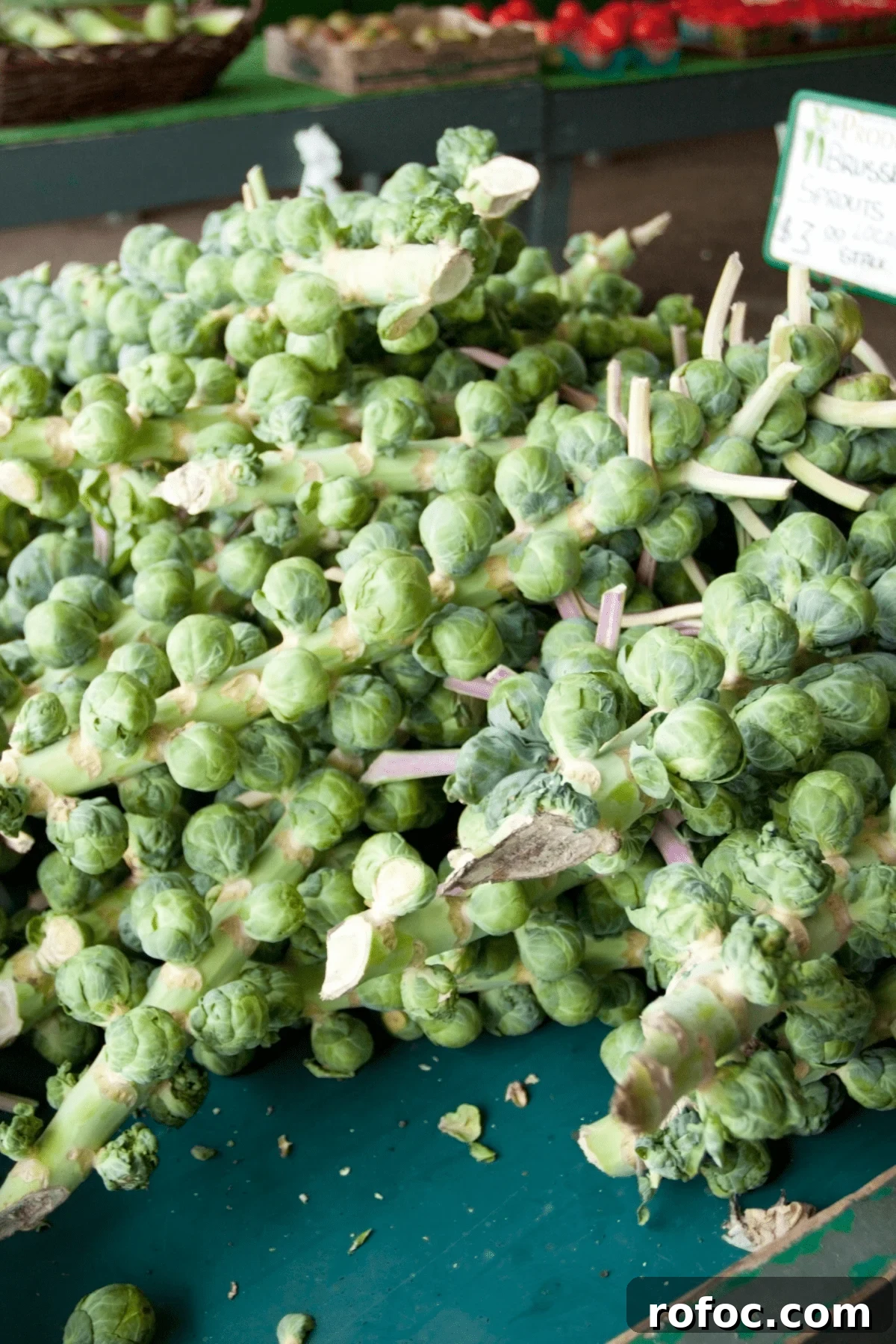
Brussels sprouts are rich in vitamins C, K, A, and folate. Quarter them and steam until they are almost falling apart, then serve. Shredded cooked sprouts can be added to dishes, but may require parental help until your baby’s fine motor skills improve.
#9 Acorn Squash
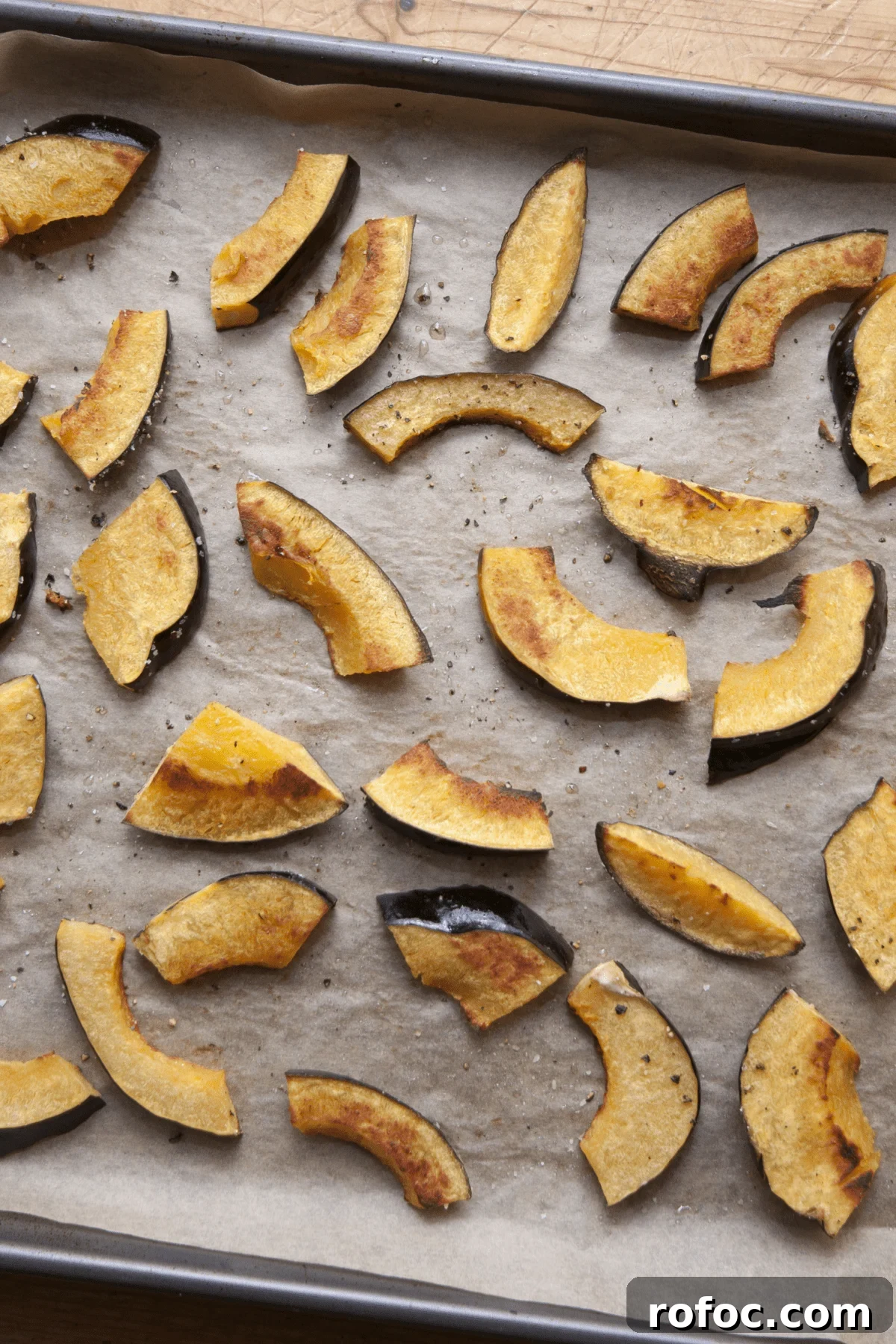
Acorn squash is easy to prepare and naturally sweet. It contains B vitamins, vitamin C, magnesium, and carotenoids. Remove seeds, cut into wedges, and roast until soft. The wedge shape is easy for babies to hold, or mash cooked squash and mix with yogurt, breast milk, or lentils for added nutrients.
#10 Beets
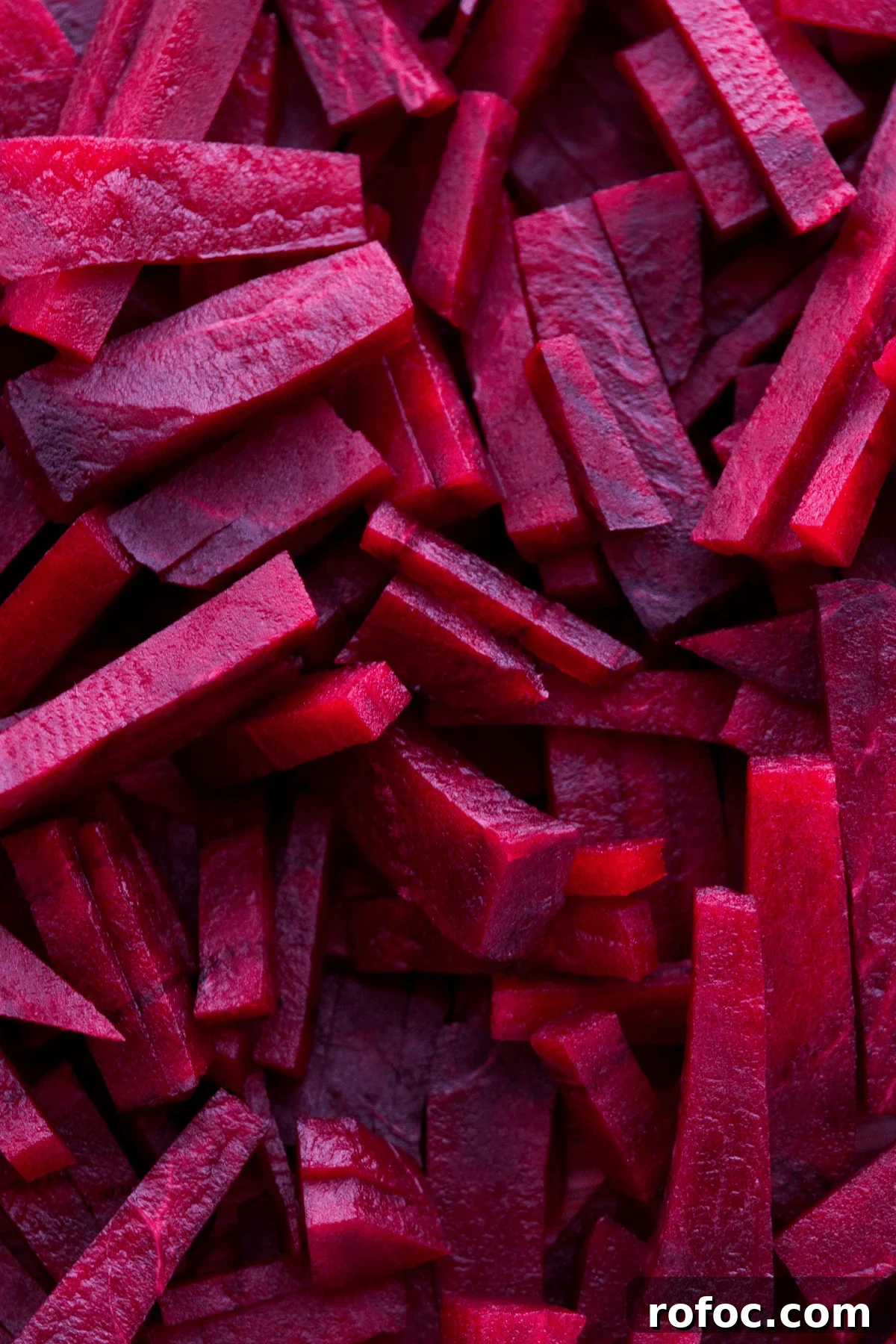
Beets offer fiber, iron, and phytochemicals that support cardiovascular health. Peel, steam or boil until tender, and cut into large pieces for baby to grip or mash. Golden beets are a less messy option to start with. As fine motor skills develop, offer small, diced pieces of cooked beet.
A Final Word On Veggies for Babes
Because vegetables are low in calories, increase fat and calorie density by adding healthy fats when you prepare them. Use breast milk, whole milk yogurt, olive oil, avocado oil, or butter to support the high fat needs of the first two years, which are important for brain and nervous system development. Season with herbs and spices for flavor, but avoid adding salt until after your baby’s first birthday.
If your baby initially rejects certain vegetables, stay patient and consistent—repeated exposure helps acceptance over time. You’re providing safe, nutritious options; it’s your child’s job to decide what and how much to eat.
Let’s Make Solids Easier On You!
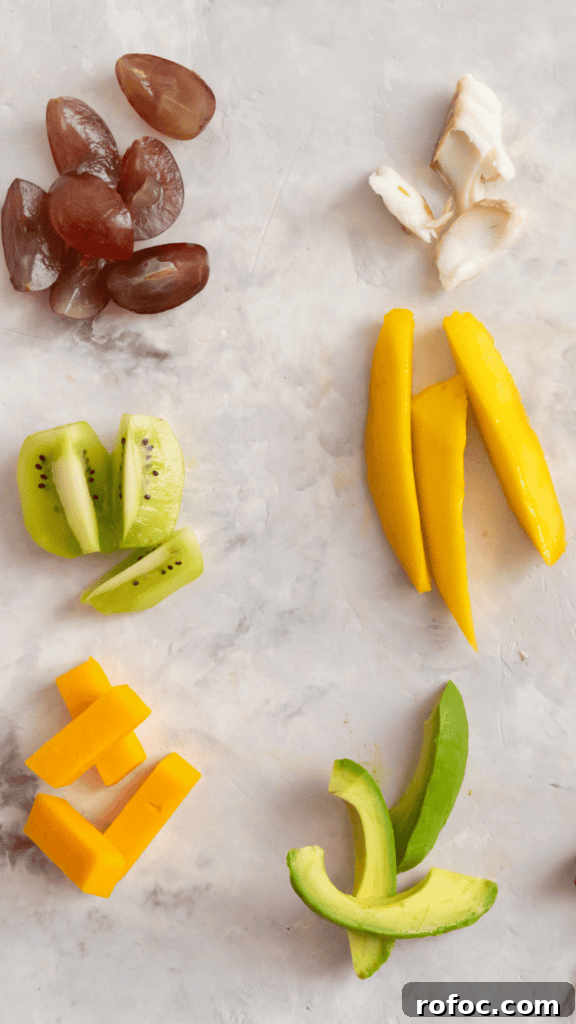
Starting solids can be challenging. A simple guide can help you understand when and how to begin, how to handle gagging and choking, and how to progress beyond purees. Repeated, patient exposure to a variety of vegetables will support your baby’s acceptance and long-term food preferences.
- Face the unknowns of solids with confidence
- Learn when and how to start
- Understand gagging and choking responses
- Move beyond purees at your baby’s pace
Offering a wide variety of safe, well-prepared vegetables helps build a solid foundation for healthy eating habits. You’re doing valuable work by giving your baby nutritious options and consistent exposure—trust the process and let your child explore at their own pace.